· 9 min read
Can Dogs Throw Up From Not Eating? Understanding the Link Between Empty Stomachs and Vomiting
It’s 6 a.m., and you stumble into the kitchen, ready to start your day—only to find your normally food-obsessed pup, Max, ignoring his bowl of kibble. “Maybe he’s just not hungry,” you think, shrugging it off. But by noon, Max is lethargic, and a few hours later, you hear the dreaded sound: he’s vomiting. The puddle on the floor is a yellowish, foamy liquid, and your heart sinks. Could this be because he skipped breakfast?
If you’ve ever wondered, “Can dogs throw up from not eating?” you’re not alone. Many pet parents have faced this scenario, and the answer is more nuanced than a simple “yes” or “no.” While an empty stomach can trigger vomiting in dogs, it’s crucial to understand why, when to worry, and how to help your furry friend feel better. Let’s dive into the science, risks, and solutions to keep your dog healthy and happy.
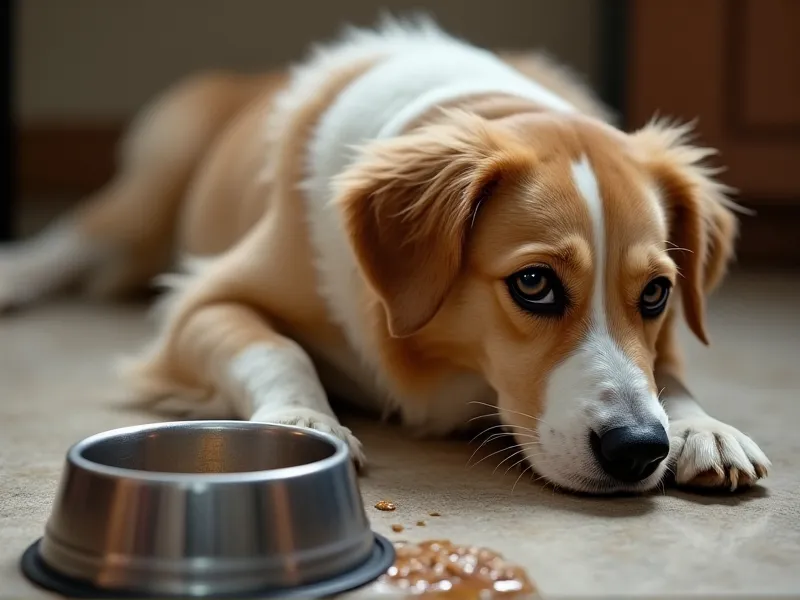
Table of Contents
- Can Dogs Really Throw Up From Not Eating? The Short Answer
- Why Does an Empty Stomach Lead to Vomiting? The Science Explained
- Risks of Letting Your Dog Go Too Long Without Eating (And Benefits of Timely Feeding)
- Other Causes: When Vomiting Isn’t Just About an Empty Stomach
- What to Do If Your Dog Throws Up From Not Eating: Step-by-Step Guide
- Feeding Guidelines: How Much (and What) to Offer a Nauseous Dog
- Healthier Alternatives to Regular Kibble When Your Dog Isn’t Eating
- FAQ: Common Questions About Dogs, Vomiting, and Empty Stomachs
- Conclusion: Prioritizing Your Dog’s Digestive Health
- References
1. Can Dogs Really Throw Up From Not Eating? The Short Answer
Yes, dogs can throw up from not eating—especially if their stomach stays empty for too long.
An empty stomach triggers a chain reaction: your dog’s body continues producing gastric acid (stomach acid) to digest food, even when there’s nothing there. This excess acid irritates the stomach lining, leading to nausea and, eventually, vomiting. In some cases, bile—a yellowish fluid produced by the liver to help digest fats—can also back up into the stomach when it’s empty, causing further irritation (a condition called bilious vomiting syndrome).
But here’s the catch: occasional vomiting from an empty stomach is usually harmless, especially if your dog is otherwise acting normal. However, frequent or severe vomiting could signal a more serious issue, so it’s important to know the difference.
2. Why Does an Empty Stomach Lead to Vomiting? The Science Explained
To understand why an empty stomach causes vomiting, let’s break down what happens in your dog’s body when they skip a meal:
Gastric Acid Buildup
Your dog’s stomach produces hydrochloric acid (HCl) around the clock to break down food. When there’s no food to neutralize this acid, it accumulates and irritates the stomach’s sensitive lining. This irritation sends a signal to the brain’s “vomiting center,” triggering the urge to expel the acid.
Bile Reflux
Bile is stored in the gallbladder and released into the small intestine when food arrives. If your dog’s stomach is empty for 12+ hours (common if they skip dinner or breakfast), bile can flow backward into the stomach. Bile is alkaline, but when mixed with stomach acid, it creates a harsh environment that irritates the stomach lining—hence the yellow or greenish color of vomit in these cases.
Breed and Age Factors
Some dogs are more prone to this than others. Small breeds, dogs with sensitive stomachs, and those with irregular feeding schedules (e.g., fed once a day instead of twice) are at higher risk. Puppies and senior dogs may also experience faster acid buildup due to their faster metabolism (puppies) or age-related digestive changes (seniors).
3. Risks of Letting Your Dog Go Too Long Without Eating (And Benefits of Timely Feeding)
While an occasional skipped meal might not hurt, letting your dog go too long without eating can lead to more than just vomiting. Here’s what to watch for:
Risks of Prolonged Fasting
- Dehydration: Vomiting itself causes fluid loss, and if your dog isn’t eating (or drinking), dehydration can set in quickly. Signs include dry gums, sunken eyes, and lethargy.
- Electrolyte Imbalance: Sodium, potassium, and chloride levels drop when a dog isn’t eating, leading to weakness, muscle tremors, or even seizures in severe cases.
- Worsened Nausea: The longer the stomach stays empty, the more acid builds up—creating a vicious cycle of vomiting and refusal to eat.
- Weight Loss and Muscle Wasting: Even 24-48 hours without food can cause muscle loss, especially in small or senior dogs.
Benefits of Timely, Small Meals
- Neutralizes Stomach Acid: A small meal buffers acid, reducing irritation and nausea.
- Stabilizes Blood Sugar: Dogs (like humans) need regular fuel to keep their energy levels steady. Low blood sugar (hypoglycemia) can worsen nausea and lethargy.
- Supports Digestive Health: Regular feeding keeps the digestive tract moving, preventing bile reflux and constipation.
4. Other Causes: When Vomiting Isn’t Just About an Empty Stomach
It’s critical to remember that vomiting can stem from many causes—not just an empty stomach. If your dog vomits and has any of these symptoms, contact your vet immediately:
- Frequent Vomiting: More than once in 24 hours, or projectile vomiting.
- Blood in Vomit: Bright red (fresh blood) or dark, coffee-ground-like (old blood).
- Lethargy or Weakness: Your dog is unresponsive, won’t play, or can’t stand.
- Diarrhea: Especially if it’s watery, bloody, or has a foul odor.
- Loss of Appetite for >24 Hours: Refusing all food and water.
- Abdominal Pain: Hunched posture, whining when touched, or avoiding movement.
These could signal:
- Infections (e.g., parvovirus, giardia).
- Organ disease (kidney, liver, or pancreatic issues).
- Foreign objects (e.g., toys, bones stuck in the stomach).
- Toxins (e.g., chocolate, xylitol, or household plants).
5. What to Do If Your Dog Throws Up From Not Eating: Step-by-Step Guide
If your dog vomits and seems otherwise healthy (alert, drinking water, no diarrhea), try these steps:
Step 1: Assess the Vomit
- Color: Yellow/green = bile (likely from empty stomach). Clear/white foam = excess stomach acid. Brown = could be old blood or food from hours prior (if they ate something unusual).
- Consistency: Liquid vs. chunky (chunky might mean they ate something they shouldn’t have).
- Frequency: One episode vs. multiple in a short time.
Step 2: Offer Small Amounts of Water
Dehydration is a risk, so offer 1-2 tbsp of water every 15 minutes. If they keep it down after 1 hour, try a bland meal.
Step 3: Feed a Bland Diet
Skip their regular kibble—opt for something gentle on the stomach:
- Boiled chicken (no skin, bones, or seasoning) and white rice (50/50 mix).
- Plain, canned pumpkin (not pie filling!)—1-2 tbsp for small dogs, ¼ cup for large dogs (high in fiber to soothe the gut).
- Bone broth (low-sodium, no onions/garlic)—hydrating and easy to digest.
Step 4: Monitor Closely
If your dog keeps down the bland food and acts normal, gradually transition back to their regular diet over 2-3 days. If they vomit again, stop feeding and contact your vet.
6. Feeding Guidelines: How Much (and What) to Offer a Nauseous Dog
When your dog is recovering from vomiting, small and frequent is key. Here’s a rough guide based on size:
| Dog Size | Amount per “Mini Meal” | Frequency |
|---|---|---|
| Small (5-20 lbs) | 1-2 tbsp of bland food | Every 2-3 hours |
| Medium (21-50 lbs) | ¼ cup of bland food | Every 3-4 hours |
| Large (51+ lbs) | ½ cup of bland food | Every 4-6 hours |
Pro Tip: Warm the food slightly (not hot!) to make it more appealing. Avoid cold food, which can shock the stomach.
7. Healthier Alternatives to Regular Kibble When Your Dog Isn’t Eating
If your dog refuses even bland chicken and rice, try these vet-recommended alternatives to entice them:
1. Plain, Canned Pumpkin
- Why it works: High in fiber (to regulate digestion) and beta-carotene (antioxidants). Avoid pie filling, which has sugar and spices.
2. Low-Sodium Bone Broth
- Why it works: Hydrating, rich in amino acids, and the warm aroma can刺激 appetite. Simmer chicken/turkey bones (no onions/garlic) for 12-24 hours, strain, and cool.
3. Boiled Sweet Potato
- Why it works: Easily digestible carbs for energy, plus vitamins A and C. Mash with a little water to make it easier to eat.
4. Scrambled Eggs (No Butter/Oil)
- Why it works: High-quality protein, gentle on the stomach. Cook in a non-stick pan with no added fat.
5. Prescription Gastrointestinal Food
If your dog has chronic stomach issues, ask your vet about prescription diets (e.g., Hill’s i/d, Royal Canin Gastrointestinal) designed to soothe sensitive stomachs.
8. FAQ: Your Questions Answered
Q: How long can a dog safely go without eating?
A: Most healthy adult dogs can go 3-5 days without food, but never without water. Puppies, small breeds, and seniors should eat every 12-24 hours—they’re more prone to hypoglycemia and dehydration.
Q: Is yellow vomit always from an empty stomach?
A: Usually, yes—but if it’s accompanied by lethargy, diarrhea, or loss of appetite, it could signal liver disease or pancreatitis. Contact your vet if it happens more than once in 24 hours.
Q: Can I give my dog antacids (like Tums) for an empty stomach?
A: Avoid over-the-counter meds unless directed by your vet. Some antacids contain xylitol (toxic to dogs), and others can interfere with medications.
Q: My dog skips breakfast sometimes—should I worry if they vomit once?
A: Occasional morning vomiting (yellow bile) is common in dogs who skip breakfast. Try feeding them a small bedtime snack (e.g., 1 tbsp of kibble) to prevent overnight stomach emptying. If it happens often, talk to your vet about a feeding schedule change.
9. Conclusion: Prioritize Your Dog’s Digestive Health
Dogs can indeed throw up from not eating, but in most cases, it’s a temporary issue solved by small, frequent meals and a bland diet. However, never ignore persistent vomiting, lethargy, or other red flags—these could be signs of a serious condition.
As pet parents, our goal is to keep our dogs comfortable and healthy. Stick to a consistent feeding schedule, offer water regularly, and don’t hesitate to call your vet if you’re worried. After all, when it comes to our furry friends, it’s better to be safe than sorry.
10. References
- American Society for the Prevention of Cruelty to Animals (ASPCA). “Vomiting in Dogs.” aspca.org
- VCA Animal Hospitals. “Bilious Vomiting Syndrome in Dogs.” vcahospitals.com
- American College of Veterinary Internal Medicine (ACVIM). “Nutrition Support for Dogs and Cats.” acvim.org
- PetMD. “Why Is My Dog Throwing Up Bile?” petmd.com