· 8 min read
Can Dogs Play After Eating? The Surprising Truth Every Pet Parent Should Know
It’s a familiar scene: You set down your dog’s food bowl, and within minutes, they’ve polished off their meal, tail thumping against the floor. Before you can even rinse the bowl, they’re dropping their slobbery tennis ball at your feet, eyes sparkling with that “let’s play!” urgency. But then doubt creeps in: Is it safe for them to zoom around right after eating? You’ve heard whispers of “bloat” or “stomach upset,” but is that just old-fashioned worry, or a real risk?
As pet parents, we want nothing more than to keep our furry friends happy and healthy. That’s why we’re diving deep into the question: Can dogs play after eating? We’ll break down the risks, debunk myths, and share science-backed guidelines to help you make the best choices for your pup. Spoiler: The answer isn’t a simple “yes” or “no”—it depends on how they play, when, and even their breed. Let’s dig in.
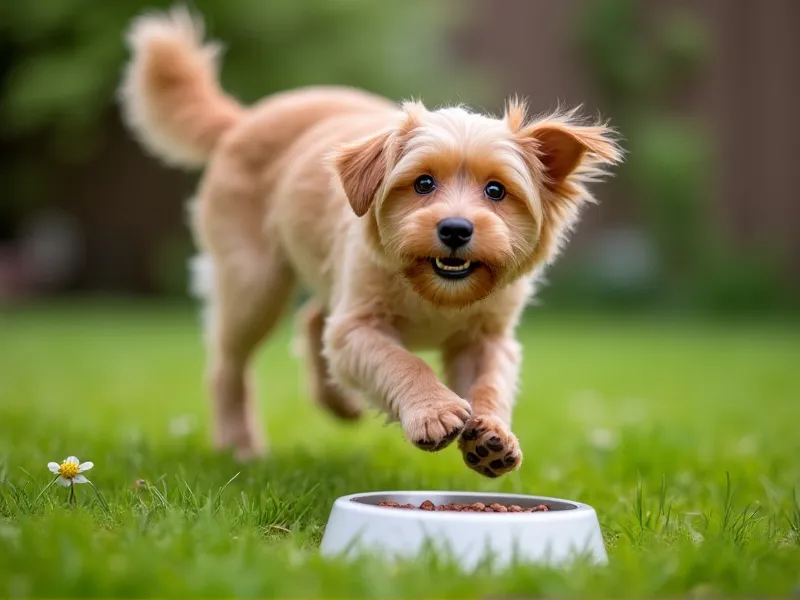
Table of Contents
- Can Dogs Play After Eating? The Short Answer
- The Risks: Why Vigorous Play Post-Meal Is a Concern
- Gastric Dilatation-Volvulus (Bloat): The Hidden Danger
- Stomach Upset, Vomiting, and Discomfort
- Choking and Toy-Related Hazards
- Are There Any Benefits to Playing After Eating?
- Light Activity: A Gentle Boost for Digestion
- Nutrients, Fiber, and Potassium: Fueling Health (Even Post-Meal)
- Safe Guidelines: How Long to Wait Before Playtime
- Breed-Specific Timelines (Small vs. Large Dogs)
- What Counts as “Safe” Activity?
- Feeding Habits That Reduce Risk
- Healthier Alternatives: Play Smart, Not Hard
- Schedule Play Before Meals (Yes, Really!)
- Calm Post-Meal Activities to Keep Them Happy
- FAQ: Your Top Questions Answered
- Conclusion: Prioritize Safety, Then Fun
- References
1. Can Dogs Play After Eating? The Short Answer
No—dogs should not engage in vigorous play immediately after eating. While light activity (like a slow walk around the block) is usually safe, intense exercise—think fetch, tug-of-war, or zoomies—poses serious risks to their health, especially for certain breeds. The key here is timing and intensity.
Vets and animal health experts widely agree that allowing your dog’s stomach to settle before play reduces the chance of dangerous complications like bloat, vomiting, or discomfort. But don’t worry—we’ll show you how to balance their need to burn energy with their digestive health.
2. The Risks: Why Vigorous Play Post-Meal Is a Concern
Let’s start with the scariest risk: bloat. This life-threatening condition is the top reason vets caution against post-meal play, but it’s not the only one. Here’s what you need to know.
Gastric Dilatation-Volvulus (Bloat): The Hidden Danger
Bloat—officially called gastric dilatation-volvulus (GDV)—occurs when a dog’s stomach fills with gas, food, or fluid, then twists on itself. This twisting cuts off blood flow to the stomach and other organs, leading to tissue death, shock, and even death if not treated within hours.
Why does play after eating increase bloat risk? When a dog runs, jumps, or tumbles with a full stomach, the movement can jostle food and gas, causing the stomach to expand. For deep-chested breeds (think Great Danes, German Shepherds, or Boxers), this expansion can easily lead to twisting.
How common is it? According to the American College of Veterinary Surgeons (ACVS), GDV affects 1 in 100 dogs annually, with large/giant breeds at 20-30x higher risk than small dogs. Even scarier: Without emergency surgery, 90% of dogs with GDV die (ACVS, 2023).
Stomach Upset, Vomiting, and Discomfort
Even if bloat doesn’t occur, vigorous play after eating can leave your dog feeling miserable. A full stomach is delicate—jumping or running can slosh food around, irritating the stomach lining and triggering:
- Vomiting (which can lead to dehydration)
- Diarrhea or loose stools
- Abdominal pain or cramping
Puppies and senior dogs are especially prone to this, as their digestive systems are more sensitive.
Choking and Toy-Related Hazards
Ever notice how dogs get extra excited during play? If your pup grabs a toy mid-zoomies after eating, they may not chew properly, increasing the risk of choking on kibble or toy pieces. Hard rubber toys, rawhides, or small balls are particular culprits here—save those for before meals or when their stomach is empty.
3. Are There Any Benefits to Playing After Eating?
You might be wondering: Is there any upside to letting my dog play post-meal? For the most part, no—but light activity can offer minor perks, and a balanced diet (even post-meal) supports their overall health.
Light Activity: A Gentle Boost for Digestion
While sprinting is a no-go, slow, leisurely movement (like a 5-minute walk around the yard) can actually help food move through the digestive tract. Think of it like how humans feel better taking a short stroll after a big meal—it prevents food from sitting heavy in the stomach.
Just keep it low-key: No fetch, no stairs, no roughhousing. If your dog starts panting heavily or trying to run, cut the walk short.
Nutrients, Fiber, and Potassium: Fueling Health (Even Post-Meal)
Okay, so playing after eating doesn’t create benefits—but the nutrients in their meal do! A balanced diet rich in:
- Fiber: Supports regular digestion and keeps food moving through the gut (think pumpkin, sweet potatoes, or high-fiber kibble).
- Potassium: Regulates muscle function and electrolyte balance (found in bananas, spinach, and many commercial dog foods).
- Protein and healthy fats: Provides energy for activity (even if that activity is later).
These nutrients ensure your dog’s body is strong enough to handle play—when the time is right. So, feeding a nutrient-dense meal sets them up for safe, happy play… just not immediately after eating!
4. Safe Guidelines: How Long to Wait Before Playtime
The golden rule? Let your dog’s stomach settle first. But how long is “long enough”? It depends on their size, breed, and even age.
Breed-Specific Timelines
- Small dogs (under 30 lbs.): Wait 30–60 minutes after eating before moderate play. Their smaller stomachs empty faster, so the risk of bloat is lower, but they can still get an upset stomach from jumping too soon.
- Medium dogs (30–70 lbs.): Aim for 60–90 minutes of rest post-meal. Breeds like Cocker Spaniels or Bulldogs fall here—they’re not as bloat-prone as giants but still need time to digest.
- Large/giant dogs (70+ lbs.): Wait 2–3 hours. Deep-chested breeds (Great Danes, Boxers, Rottweilers) or those with a family history of bloat need the longest rest period.
What Counts as “Safe” Activity?
After meals, stick to calm, low-energy activities:
✅ Slow walks (5–10 minutes max).
✅ Sniffing games in the backyard (let them explore at their own pace).
✅ Gentle training (teach a new trick—mental stimulation without physical strain!).
Avoid:
❌ Running, jumping, or climbing stairs.
❌ Tug-of-war, fetch, or frisbee.
❌ Play with hard toys (they may gulp air or choke).
Feeding Habits That Reduce Risk
Even before playtime, how you feed your dog affects their post-meal safety:
- Avoid overfeeding: A full stomach is more likely to bloat or twist. Stick to portion sizes recommended by your vet.
- Slow down fast eaters: Use a slow-feeder bowl or puzzle feeder to prevent them from gulping air (which worsens bloat risk).
- Skip exercise before meals, too: Intense play on an empty stomach can make them ravenous, leading to faster eating.
5. Healthier Alternatives: Play Smart, Not Hard
You don’t have to say “no” to play entirely—just adjust when and how you play.
Schedule Play Before Meals (Yes, Really!)
Dogs (like humans) often have more energy before eating. A 20-minute play session pre-meal:
- Burns off excess energy so they’re calm during meals.
- Makes them hungry, so they eat at a normal pace (no gulping!).
- Ensures their stomach is empty during play—no risk of bloat or upset.
Pro tip: Try a game of fetch or a walk 30 minutes before mealtime. They’ll be tired, happy, and ready to eat slowly.
Calm Post-Meal Activities to Keep Them Happy
If your dog is bouncing off the walls post-meal, redirect their energy with low-key fun:
- Puzzle toys: Stuff a Kong with peanut butter (xylitol-free!) or wet food—they’ll focus on licking instead of jumping.
- Cuddle time: Many dogs just want attention! A belly rub or snuggle on the couch can satisfy their need for connection.
- Window watching: Set up a comfy spot by the window—watching squirrels is free entertainment (and totally calm).
6. FAQ: Your Top Questions Answered
Q: My dog always plays after eating and is fine—should I worry?
A: Some dogs may never develop bloat or discomfort, but it’s a risk not worth taking. Bloat can strike suddenly, even in dogs with no prior issues. Think of it like wearing a seatbelt: You don’t need it until you do.
Q: Can puppies play after eating?
A: Puppies have tiny stomachs and sensitive digestive systems. Wait 30–45 minutes post-meal, and keep play ultra-gentle (no roughhousing!).
Q: What if my dog throws up after playing post-meal?
A: Stop play immediately and let them rest. If vomiting persists, or they seem lethargic, contact your vet—they may have stomach irritation or a blockage.
Q: Are there dog breeds that can play after eating?
A: No breed is “immune” to bloat or stomach upset. Even small breeds like Chihuahuas can vomit from jumping too soon. Always err on the side of caution.
7. Conclusion: Prioritize Safety, Then Fun
At the end of the day, our dogs’ happiness and health go hand in hand. While it’s tough to resist those puppy-dog eyes begging for play, a little patience can prevent serious harm.
Remember:
- Wait 30–180 minutes post-meal (depending on size/breed).
- Stick to calm activities after eating; save vigorous play for before meals.
- Feed a balanced diet to support their overall health (fiber, potassium, and nutrients matter!).
When in doubt, consult your vet—they know your dog’s breed, health history, and habits best. With a little planning, you can keep playtime fun, safe, and full of tail wags.
8. References
- American College of Veterinary Surgeons (ACVS). (2023). Gastric Dilatation-Volvulus (GDV). https://www.acvs.org/small-animal/gastric-dilatation-volvulus
- American Kennel Club (AKC). (2022). Bloat in Dogs: Symptoms, Causes, and Treatment. https://www.akc.org/expert-advice/health/bloat-in-dogs/
- VCA Animal Hospitals. (2023). Canine Digestion: How Long Does It Take for a Dog to Digest Food? https://vcahospitals.com/know-your-pet/canine-digestion
- Journal of the American Veterinary Medical Association (JAVMA). (2019). Risk Factors for Gastric Dilatation-Volvulus in Dogs. https://avmajournals.avma.org/doi/10.2460/javma.255.11.1344