· 7 min read
Can Dogs Have Pecans? A Pet Parent’s Guide to Safe Snacking
It’s a crisp autumn afternoon, and you’re baking a batch of pecan pie—your golden retriever, Max, is curled at your feet, tail thumping as the sweet, nutty aroma fills the kitchen. When you set a handful of raw pecans on the counter, he lifts his head, nose twitching, and gives you those “please share” eyes. You pause: Can dogs have pecans? Are these crunchy, buttery nuts a safe treat, or should they stay strictly in your pie crust?
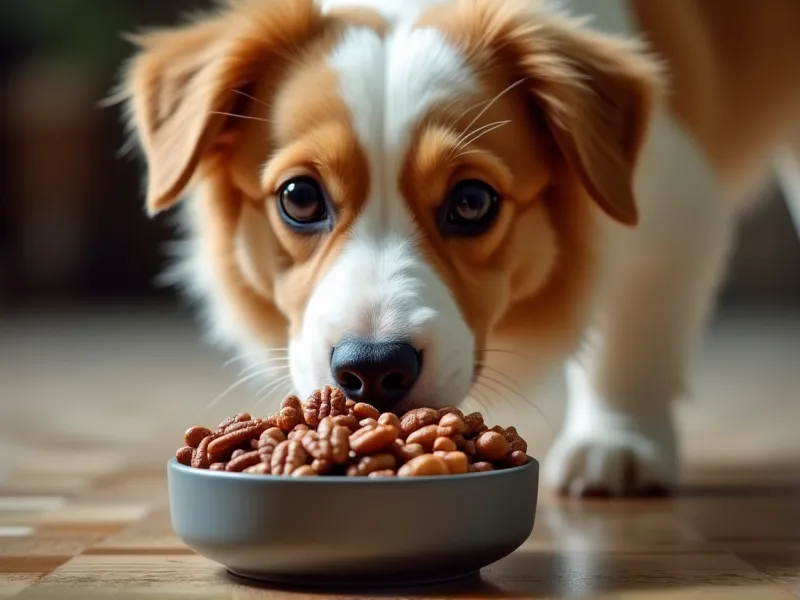
Table of Contents
- Can Dogs Eat Pecans? The Short Answer
- Potential Benefits of Pecans for Dogs (Spoiler: They’re Minimal)
- The Risks of Feeding Pecans to Dogs: Why Caution Is Key
- How Much Pecan Is Safe for Dogs? (Hint: Less Than You Think)
- Healthier Alternatives to Pecans for Dogs
- FAQ: Your Pecan Questions Answered
- Conclusion: Prioritize Safety Over Snacking
Can Dogs Eat Pecans? The Short Answer
Let’s cut to the chase: Dogs can technically eat pecans, but they are not a recommended or safe regular treat. Unlike chocolate or grapes, pecans aren’t toxic to dogs—but they come with a long list of risks that often outweigh any minor benefits. In fact, most veterinarians advise pet parents to avoid feeding pecans to dogs altogether.
Why? Pecans are high in fat, pose choking hazards, and can lead to serious health issues like pancreatitis or digestive upset. Even a small amount can cause problems, especially for small dogs, puppies, or dogs with preexisting conditions.
Potential Benefits of Pecans for Dogs (Spoiler: They’re Minimal)
Pecans are packed with nutrients for humans—vitamins, minerals, and healthy fats—but do those benefits translate to dogs? Let’s break it down:
1. Vitamin E: A Natural Antioxidant
Pecans contain vitamin E, an antioxidant that helps protect cells from damage. For dogs, vitamin E supports healthy skin, coat, and immune function. However, most high-quality dog foods already include vitamin E (often listed as “mixed tocopherols”) in balanced amounts. Your pup doesn’t need extra from pecans.
2. Magnesium & Fiber: Small Boosts for Health
Pecans also have magnesium (supports bone health and muscle function) and fiber (aids digestion). Again, these nutrients are already in your dog’s regular diet. For example, commercial dog foods are formulated to meet magnesium requirements, and fiber is often added via ingredients like sweet potatoes or pumpkin.
The bottom line: Any “benefits” of pecans for dogs are negligible. Your pup gets all the nutrients they need from their food—pecans are just an unnecessary, risky extra.
The Risks of Feeding Pecans to Dogs: Why Caution Is Key
The real concern with pecans lies in their risks, which can range from mild discomfort to life-threatening emergencies. Here’s what you need to watch for:
1. Choking Hazard
Pecans are small, hard, and round—perfect for getting stuck in a dog’s throat, especially for small breeds (think Chihuahuas, Yorkies) or dogs who gulp treats without chewing. Even large dogs can choke if they swallow a whole pecan. If your dog starts coughing, gagging, or pawing at their mouth, act fast: contact your vet or an emergency clinic immediately.
2. Pancreatitis: A Deadly Risk of High-Fat Foods
Pecans are extremely high in fat (about 72g of fat per 100g serving). Dogs’ digestive systems aren’t built to handle large amounts of fat, and a fatty snack like pecans can trigger pancreatitis—an inflammation of the pancreas. Symptoms include vomiting, diarrhea, lethargy, and severe abdominal pain. Pancreatitis is life-threatening and requires urgent veterinary care.
Even small portions matter: A single pecan could be enough to cause trouble for a small or sensitive dog. Overweight dogs, seniors, and breeds prone to pancreatitis (like Miniature Schnauzers) are at even higher risk.
3. Stomach Upset: Diarrhea, Vomiting, and Gas
Even if pancreatitis doesn’t develop, the fat in pecans can irritate your dog’s stomach, leading to vomiting, diarrhea, or bloating. These symptoms are uncomfortable for your pup and messy for you—and could signal a more serious issue if they persist.
4. Moldy Pecans: A Hidden Toxin
Here’s a lesser-known danger: moldy pecans. Nuts, including pecans, can develop mold (like Aspergillus) when stored in warm, humid conditions. Moldy pecans produce aflatoxins—toxins that are poisonous to dogs (and humans). Aflatoxins damage the liver and can cause symptoms like jaundice, lethargy, loss of appetite, and even liver failure.
Even a tiny moldy pecan is risky. Always check nuts for discoloration, a musty smell, or fuzzy spots before considering sharing—if in doubt, throw them out!
5. Added Sugars, Salt, or Spices
Most pecans humans eat aren’t plain. They’re candied, salted, honey-glazed, or mixed with spices (like cinnamon or nutmeg). Added sugar can lead to obesity or dental issues; salt can cause sodium poisoning (symptoms: excessive thirst, urination, seizures); and spices like nutmeg are toxic to dogs in large amounts. Stick to raw, unsalted, unflavored pecans only—but even then, the risks remain.
How Much Pecan Is Safe for Dogs? (Hint: Less Than You Think)
The safest answer? None. Pecans offer no essential nutrients, and the risks far outweigh any minor perks. But if you’re dead set on sharing a tiny taste (e.g., a crumb from your pie), follow these strict guidelines:
- Size matters: For a 50+ lb dog, a pinch (like 1-2 tiny pieces) of plain, raw pecan is the absolute maximum. Small dogs (under 20 lbs) should avoid them entirely—even a crumb could cause choking or stomach upset.
- No added ingredients: Only plain, unsalted, unseasoned pecans. No candied, roasted, or flavored varieties.
- Occasional, not regular: Think of it as a once-in-a-blue-moon treat, not a weekly snack.
- Monitor for reactions: After sharing, watch for vomiting, diarrhea, lethargy, or coughing. If any symptoms appear, call your vet.
Healthier Alternatives to Pecans
Instead of risking pecans, opt for these dog-safe snacks that are low in fat, high in nutrients, and delicious:
- Blueberries: Packed with antioxidants and low in calories.
- Carrots: Crunchy, high in fiber, and great for dental health.
- Apples (seedless): A source of vitamin A and fiber—just skip the core!
- Plain pumpkin: Supports digestion and is low in calories (canned, no sugar added).
- Green beans: Crunchy, low-fat, and full of vitamins.
These treats are far safer and more beneficial than pecans. Your dog will love them, and you’ll have peace of mind.
FAQ: Your Pecan Questions Answered
Q: Are pecans toxic to dogs?
A: No, pecans are not toxic to dogs. However, they are not safe due to choking risks, high fat content, and mold concerns.
Q: My dog ate a whole pecan—should I panic?
A: Stay calm, but monitor them closely. Watch for choking, vomiting, diarrhea, or lethargy. If your dog is small, has health issues, or shows symptoms, call your vet immediately.
Q: Can puppies eat pecans?
A: No. Puppies have sensitive digestive systems and are more prone to choking. Stick to puppy-safe treats like plain yogurt (in moderation) or small carrot pieces.
Q: Are roasted pecans safer than raw?
A: No. Roasting doesn’t reduce fat content or choking risk. In fact, roasted pecans may have added oil or salt, making them more dangerous.
Q: What if my dog ate moldy pecans?
A: This is an emergency. Moldy pecans can contain aflatoxins, which are toxic to the liver. Contact your vet or an animal poison control hotline (like the ASPCA Animal Poison Control Center at 888-426-4435) immediately.
Conclusion: Prioritize Safety Over Snacking
While dogs can technically eat tiny amounts of plain pecans, they’re far from an ideal treat. The risks—choking, pancreatitis, mold toxins—are too great for the negligible benefits. When in doubt, skip the pecans and reach for a safer snack like blueberries or carrots.
As always, if you have questions about your dog’s diet, consult your veterinarian. They know your pup’s health history and can guide you toward the best, safest treats.
Happy (and safe!) snacking with your furry friend!
Sources:
- American Society for the Prevention of Cruelty to Animals (ASPCA). “People Foods to Avoid Feeding Your Pets.”
- VCA Animal Hospitals. “Pancreatitis in Dogs.”
- PetMD. “Can Dogs Eat Nuts? Which Are Safe, Which Are Toxic.”
- FDA. “Aflatoxins in Food: What You Need to Know.”