· 9 min read
Can Dogs Have Pears to Eat? A Pet Parent’s Guide to Safe Snacking
It’s a sunny afternoon, and you’re savoring a crisp, juicy pear—crunchy, sweet, and perfectly ripe. Beside you, your dog sits, tail thumping, eyes locked on your snack. “Can I share a bite?” you wonder. Pears are a beloved human fruit, packed with vitamins and fiber, but are they safe for our furry friends? As pet parents, we want to treat our dogs, but we also need to keep their health top of mind.
In this guide, we’ll answer the big question: Can dogs eat pears? We’ll break down the benefits, risks, portion guidelines, and even share healthier alternatives. By the end, you’ll know exactly how to safely share this sweet fruit with your pup (if at all!).
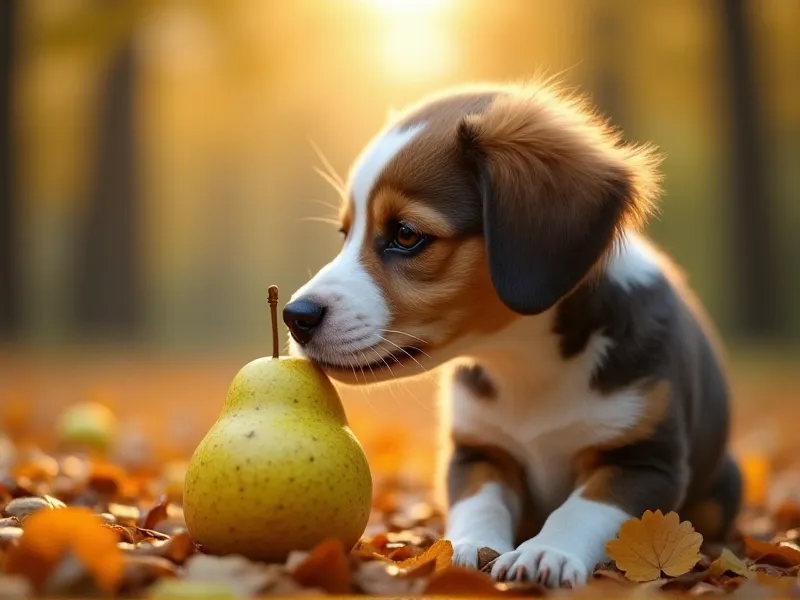
Table of Contents
- Can Dogs Eat Pears? The Short Answer
- The Benefits of Pears for Dogs: What Makes Them a (Potential) Healthy Treat
- The Risks: Why Pears Aren’t Always a Safe Snack
- How to Safely Feed Pears to Your Dog: A Step-by-Step Guide
- Healthier Alternatives to Pears (If Pears Aren’t Right for Your Pup)
- FAQ: Your Pear-Related Dog Questions, Answered
- Conclusion: Pears as a Treat—Enjoy in Moderation!
- References
Can Dogs Eat Pears? The Short Answer
Yes, dogs can eat pears—in moderation. Pears are non-toxic to dogs and, when prepared correctly, can offer some nutritional benefits. They’re low in calories, high in fiber, and packed with vitamins. However, like all human foods, pears come with risks if fed improperly (think: too much sugar, choking hazards, or stomach upset). The key is to serve them as an occasional treat, not a regular part of your dog’s diet, and to follow safety guidelines.
The Benefits of Pears for Dogs: What Makes Them a (Potential) Healthy Treat
Pears aren’t just a tasty snack for humans—they can also offer some health perks for your pup. Let’s break down the nutrients that make pears a smart occasional treat:
1. Fiber: Supporting Digestive Health
Pears are rich in dietary fiber, which helps keep your dog’s digestive system running smoothly. Soluble fiber (found in the flesh) can regulate blood sugar and support gut bacteria, while insoluble fiber (in the skin) adds bulk to stools, preventing constipation. For dogs prone to digestive issues, a small serving of pear (with skin!) can act as a gentle, natural stool softener.
2. Vitamin C: A Boost for Immunity
Vitamin C is an antioxidant that helps fight free radicals, supporting your dog’s immune system and reducing inflammation. While dogs can produce their own vitamin C, extra doses (from whole foods like pears) can be beneficial for senior dogs, active pups, or those recovering from illness.
3. Vitamin K: Supporting Blood and Bones
Vitamin K is essential for blood clotting and bone health. It helps activate proteins that repair bones and prevent excessive bleeding. Pears contain a small but valuable amount of this nutrient, contributing to your dog’s overall wellness.
4. Potassium: Regulating Heart and Muscle Function
Potassium is a mineral that helps balance fluids in the body, supports muscle contraction (including the heart), and maintains healthy blood pressure. Pears are a natural source of potassium, making them a better choice than salty, processed treats that can deplete this mineral.
5. Low-Calorie: A Guilt-Free Treat
Compared to many commercial dog treats (which are often high in fat and empty calories), pears are relatively low in calories. A medium pear has about 100 calories, most of which come from natural sugars and fiber. This makes them a great option for dogs on weight management plans—just don’t overdo it!
The Risks: Why Pears Aren’t Always a Safe Snack
While pears have benefits, they’re not risk-free. Here’s what to watch out for to keep your dog safe:
1. Natural Sugar: Too Much Can Lead to Weight Gain or Diabetes
Pears are sweet, and that sweetness comes from natural sugars (fructose). While small amounts are harmless, excessive sugar intake can lead to obesity, dental issues, or even diabetes over time. For example, a medium pear contains about 17 grams of sugar—equivalent to 4 teaspoons! For a small dog (e.g., a 10-pound Chihuahua), that’s a significant portion of their daily calorie needs. Always limit pears to occasional treats, not daily snacks.
2. Fiber Overload: Stomach Upset
While fiber is good for digestion, too much can backfire. Feeding your dog a large chunk of pear (especially if they’re not used to high-fiber foods) can cause bloating, gas, diarrhea, or stomach cramps. Puppies, senior dogs, and dogs with sensitive stomachs are particularly prone to this. Start with tiny portions and monitor for signs of digestive distress (e.g., loose stools, vomiting).
3. Choking and Blockage Risks: The Dangers of Cores and Seeds
The biggest risk of feeding pears to dogs is the core and seeds. The core is tough, woody, and can easily get stuck in your dog’s throat, causing choking. Even if your dog swallows the core whole, it could block their intestines—a life-threatening emergency requiring surgery.
As for the seeds: Pear seeds contain small amounts of amygdalin, a compound that breaks down into cyanide when chewed. While a single seed is unlikely to harm your dog, eating multiple seeds could lead to cyanide poisoning (though this is rare). To be safe, always remove the core and seeds before feeding pears to your pup.
How to Safely Feed Pears to Your Dog: A Step-by-Step Guide
Ready to share a pear with your dog? Follow these steps to keep them safe and happy:
1. Choose the Right Pear
Opt for ripe but firm pears. Overripe pears are mushy, higher in sugar, and more likely to cause stomach upset. Avoid pears with bruises, mold, or soft spots—these can harbor bacteria. Varieties like Bartlett, Anjou, or Bosc are all safe (stick to fresh, not canned or dried).
2. Wash Thoroughly
Pears (like all fruits) can have pesticides or dirt on the skin. Rinse the pear under cold water and scrub gently with a vegetable brush to remove residue.
3. Remove the Core and Seeds
Cut the pear in half lengthwise and scoop out the core, seeds, and stem using a spoon or knife. The core is the hard, fibrous center—discard it entirely.
4. Slice into Bite-Sized Pieces
Cut the pear into small, manageable slices (about the size of your thumbnail for small dogs, or larger for big breeds). This reduces choking risk and makes it easier to control portions.
5. Stick to the Right Portion Size
Portion control is key! Here’s a general guide based on your dog’s weight:
- Small dogs (under 20 lbs): 1–2 thin slices (about 1–2 tablespoons)
- Medium dogs (20–50 lbs): ¼ of a pear (sliced)
- Large dogs (50+ lbs): ½ of a pear (sliced)
Remember: This is an occasional treat, not a meal replacement. Pears should make up no more than 10% of your dog’s daily calorie intake.
6. Introduce Gradually
If your dog has never eaten pears before, start with a tiny piece (e.g., 1 slice for a medium dog). Wait 24 hours to see if they develop diarrhea, vomiting, or bloating. If they tolerate it well, you can offer slightly more next time.
7. Monitor for Reactions
Even if your dog seems fine at first, keep an eye on them after feeding. Signs of trouble include:
- Vomiting or diarrhea
- Excessive gas or bloating
- Lethargy or loss of appetite
- Choking (gagging, pawing at the mouth, difficulty breathing)
If you notice any of these, contact your vet immediately.
Healthier Alternatives to Pears (If Pears Aren’t Right for Your Pup)
Not all dogs will take to pears, and some may have sensitivities. If pears aren’t a hit, here are healthier, dog-safe alternatives to try:
1. Apples (Without Seeds or Core)
Apples are low in calories, high in fiber, and packed with vitamin C. Like pears, they’re a crunchy, satisfying treat—but skip the seeds (they also contain amygdalin) and core.
2. Blueberries
Blueberries are a superfood for dogs! They’re loaded with antioxidants, low in sugar, and perfect for training treats. Plus, their small size makes them safe for all breeds.
3. Carrots
Carrots are low in calories, high in beta-carotene (which converts to vitamin A), and great for dental health (the crunchiness scrapes plaque). Raw or cooked, they’re a favorite for many dogs.
4. Green Beans
Green beans are high in fiber, low in calories, and rich in vitamins A, C, and K. Serve them raw or steamed (no salt or butter!) as a crunchy snack.
FAQ: Your Pear-Related Dog Questions, Answered
Q: Can dogs eat pear skin?
A: Yes! Pear skin is safe for dogs and contains extra fiber and nutrients. Just make sure to wash it thoroughly to remove pesticides.
Q: My dog ate a pear core—what should I do?
A: Stay calm. If your dog is choking (gagging, pawing at the mouth, struggling to breathe), perform the Heimlich maneuver for dogs and call your vet immediately. If they swallowed the core whole, monitor for signs of intestinal blockage: vomiting, diarrhea, loss of appetite, or lethargy. Blockages are emergencies—contact your vet right away if you notice these symptoms.
Q: Are canned pears safe for dogs?
A: No. Canned pears are often packed in syrup or added sugar, which is bad for dogs. Even “unsweetened” canned pears may have added preservatives. Stick to fresh pears only.
Q: Can puppies eat pears?
A: Yes, but in very small portions. Puppies have sensitive stomachs, so start with 1–2 tiny slices and watch for digestive upset. Avoid feeding pears to puppies under 6 months old, as their digestive systems are still developing.
Q: Are dried pears okay for dogs?
A: Dried pears are high in sugar (the drying process concentrates the natural sugars) and can stick to teeth, causing cavities. They’re best avoided.
Conclusion: Pears as a Treat—Enjoy in Moderation!
Pears can be a healthy, tasty treat for dogs when prepared and served correctly. They offer fiber, vitamins, and a satisfying crunch—just remember to remove the core and seeds, limit portions, and avoid overfeeding. As with any new food, always consult your vet first, especially if your dog has diabetes, allergies, or digestive issues.
At the end of the day, the best part of sharing treats with your dog is the bond it builds. Whether it’s a slice of pear, a blueberry, or a carrot, these small moments make life with your pup extra sweet.
Happy snacking!
References
- American Kennel Club (AKC). “Can Dogs Eat Pears?” akc.org
- ASPCA. “People Foods to Avoid Feeding Your Pets.” aspca.org
- PetMD. “Fruits and Veggies Dogs Can and Can’t Eat.” petmd.com
- VCA Animal Hospitals. “Dietary Fiber for Dogs.” vcahospitals.com