· 8 min read
Can Dogs Get Sick From Eating Rabbit Poop? The Surprising Truth for Pet Parents
Picture this: You’re strolling through the park on a sunny morning, your dog trotting happily beside you, tail wagging. Suddenly, they stop short, nose to the ground, and before you can say “leave it,” they’ve gobbled up something small and round. You lean in, horrified—it’s rabbit poop. Cue the panic: Is that going to make them sick? Should I rush to the vet? Why on earth would they eat that?
If you’ve ever been in this situation, you’re not alone. Rabbit poop (or “bunny berries,” as some affectionately call them) is a common target for curious dogs, and it’s one of the most Googled questions among pet parents. Today, we’re diving into the messy (but important!) topic: Can dogs get sick from eating rabbit poop? We’ll break down the risks, the (surprisingly few) potential benefits, and what you can do to keep your pup safe.
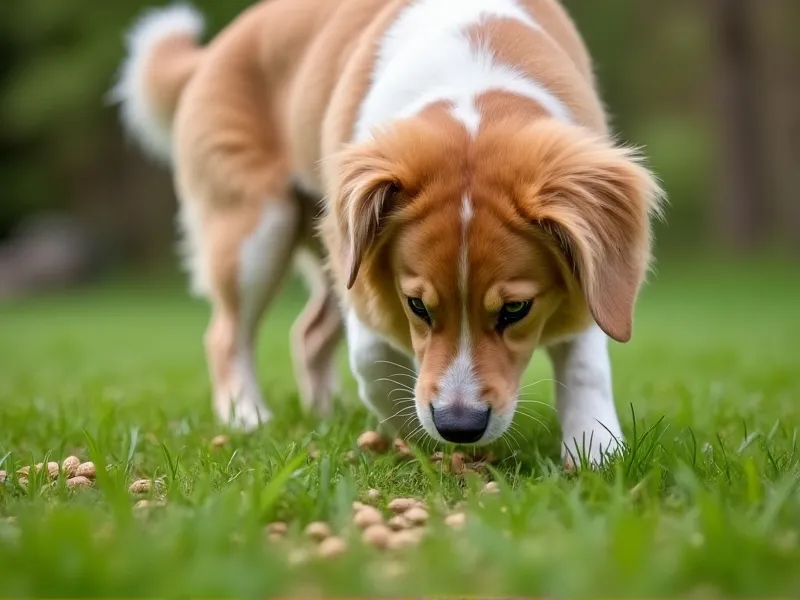
Table of Contents
- The Short Answer: Can Dogs Get Sick From Rabbit Poop?
- Why Do Dogs Eat Rabbit Poop, Anyway? (Coprophagia Explained)
- Are There Any Benefits to Dogs Eating Rabbit Poop?
- The Risks: What Pet Parents Need to Watch For
- How Much Rabbit Poop Is “Too Much” for Dogs?
- Healthier Alternatives to Rabbit Poop (Yes, Really!)
- FAQ: Your Most Pressing Questions Answered
- Conclusion: Play It Safe, but Don’t Panic
1. The Short Answer: Can Dogs Get Sick From Rabbit Poop?
Yes, dogs can get sick from eating rabbit poop—but it’s not a guarantee. For some dogs, sneaking a few rabbit droppings might result in nothing more than a funny face from you. For others, it could lead to stomach upset, parasites, or even more serious issues. The key factors? How much they ate, the health of the rabbit that left the poop, and your dog’s individual tolerance.
In short: It’s not always dangerous, but it’s also not safe. Let’s dig into why.
2. Why Do Dogs Eat Rabbit Poop, Anyway? (Coprophagia Explained)
First, let’s address the elephant in the room: Why? Why would your otherwise dignified pup choose to snack on rabbit poop? The behavior is called coprophagia (the eating of feces), and it’s more common than you might think. Here’s why dogs do it:
- Instinct: In the wild, mother dogs eat their puppies’ poop to keep the den clean and hide their scent from predators. Some adult dogs retain this instinct, or they may see other animals’ feces as “fair game” (especially if they’re scavengers by nature).
- Nutritional Curiosity: Rabbit poop is mostly undigested hay, grass, and plant matter. To a dog, it might smell like a “snack” (gross, but true!). If your dog is lacking fiber or certain nutrients, they might seek it out.
- Boredom or Anxiety: Dogs with excess energy or stress may turn to coprophagia as a coping mechanism or pastime.
- Taste: Let’s face it—dogs have weird taste buds. What smells revolting to us might be appealing to them!
3. Are There Any Benefits to Dogs Eating Rabbit Poop?
You might be thinking, “If they’re doing it, maybe there’s a reason?” It’s a fair question, but the “benefits” are minimal and far outweighed by the risks. Here’s what some pet parents (and even vets) speculate:
- Fiber: Rabbit poop is high in indigestible plant fiber (since rabbits are herbivores). In theory, a tiny amount might help with digestion, but dogs get plenty of fiber from their regular food (especially if you feed a high-quality diet).
- Potassium & Vitamins: Rabbit droppings may contain trace amounts of potassium, vitamin B, or other nutrients from the plants rabbits eat. But again, these are negligible—your dog won’t “miss out” if they skip the rabbit poop snack.
Bottom line: There’s no nutritional need for dogs to eat rabbit poop. Any “benefits” are accidental and not worth the risks.
4. The Risks: What Pet Parents Need to Watch For
Now, the important part: the potential dangers. Even if your dog seems fine after eating rabbit poop, there are hidden risks to be aware of:
A. Stomach Upset (Diarrhea, Vomiting, or Gas)
Rabbit poop is foreign to a dog’s digestive system. Eating too much can irritate their stomach, leading to:
- Loose stools or diarrhea
- Vomiting
- Bloating or gas
Most mild cases resolve on their own within 24–48 hours, but severe upset could lead to dehydration.
B. Parasites: The Big Risk
This is the scariest one. Rabbit poop can harbor parasites that are harmful to dogs, including:
- Coccidia: Tiny single-celled parasites that live in the intestines. In dogs, coccidia can cause diarrhea (sometimes bloody), lethargy, and weight loss.
- Roundworms or Tapeworms: Rabbits can carry these intestinal worms, and their eggs may be present in feces. If your dog eats infected poop, they could become infested.
- Giardia: A parasite that causes “beaver fever” (diarrhea, stomach cramps). While rare, giardia can be transmitted via contaminated feces.
C. Choking Hazards
Rabbit droppings are small, but if your dog eats a large handful (or if they’re a small breed), they could choke or develop an intestinal blockage. This is more common in dogs who gulp their food (or, in this case, poop) quickly.
D. Bacterial Infections
Though less common, rabbit poop might contain bacteria like E. coli or Salmonella, which can cause food poisoning in dogs (and humans, if you don’t wash your hands after handling your dog!).
5. How Much Rabbit Poop Is “Too Much” for Dogs?
Ideally? None. Even a small amount carries risks, and there’s no “safe” threshold. That said, a single rabbit dropping is unlikely to harm a healthy dog. The problem arises when:
- Your dog eats multiple droppings (e.g., a whole pile in the yard).
- The rabbit was sick (carrying parasites or bacteria).
- Your dog has a sensitive stomach, a weak immune system, or is a puppy/kitten (more vulnerable to infections).
If your dog sneaks one or two, monitor them for 24–48 hours. If they eat a lot, or if they’re showing symptoms (diarrhea, vomiting, lethargy), call your vet.
6. Healthier Alternatives to Rabbit Poop (Yes, Really!)
If your dog is obsessed with rabbit poop, they might be craving fiber or something to munch on. Instead of letting them snack on feces, try these safe, healthy alternatives:
A. High-Fiber Dog Food
Switch to a dog food formulated with fiber-rich ingredients like pumpkin, sweet potato, or brown rice. Look for brands with “digestive support” on the label (always consult your vet before changing food!).
B. Fresh Veggies (Safe for Dogs)
- Pumpkin Puree: Canned, unsweetened pumpkin is a fiber superstar. Mix 1–2 tablespoons into their food (depending on size) for a healthy boost.
- Green Beans: Cooked or raw (chopped), green beans are low-calorie and high in fiber.
- Carrots: Crunchy and full of vitamins—great for teething puppies or dogs who need to chew.
C. Chew Toys or Treats
If boredom is the issue, offer interactive toys (like Kongs stuffed with peanut butter) or long-lasting chews (bully sticks, antlers) to keep them occupied.
D. Training: “Leave It!”
Teach your dog the “leave it” command to stop them from eating rabbit poop on walks. Start with treats, then practice with distractions (like fake poop, if you’re brave!). Consistency is key!
7. FAQ: Your Most Pressing Questions Answered
Q: My dog ate rabbit poop—should I take them to the vet?
A: If they ate a small amount and seem fine (no vomiting, diarrhea, or lethargy), monitor them for 24–48 hours. If they ate a lot, or if symptoms develop, call your vet. Puppies, seniors, or dogs with health issues should see a vet immediately.
Q: Can rabbit poop give my dog worms?
A: Yes. Roundworms, tapeworms, and coccidia are the biggest risks. Talk to your vet about regular deworming (most dogs need it every 3–6 months, depending on lifestyle).
Q: Why does my dog only eat rabbit poop, not other poop?
A: Rabbit poop is small, dry, and often smells like grass/hay—more appealing than, say, cat poop (which is strong-smelling and high in protein). Some dogs are picky coprophages!
Q: Will my dog outgrow this habit?
A: Maybe. Puppies often explore with their mouths and may grow out of coprophagia as they mature. Adult dogs might need training or dietary adjustments to stop.
8. Conclusion: Play It Safe, but Don’t Panic
So, can dogs get sick from eating rabbit poop? Yes, but it’s not a death sentence. Most dogs who sneak a bite will be fine, but the risks (parasites, stomach upset) are real.
The best approach? Prevent it when you can (teach “leave it,” keep your yard clean, and distract them on walks). If your dog does eat rabbit poop, stay calm, monitor for symptoms, and don’t hesitate to call your vet if you’re worried.
Remember: Every dog is different. What bothers one might not bother another. When in doubt, consult your vet—they know your pup’s health history and can give personalized advice.
Here’s to many more poop-free walks (fingers crossed!) and a happy, healthy pup. 🐾
References
- American Veterinary Medical Association (AVMA). “Coprophagia in Dogs.” avma.org
- PetMD. “Why Do Dogs Eat Poop? The Truth About Coprophagia.” petmd.com
- VCA Hospitals. “Coccidiosis in Dogs.” vcahospitals.com
- Veterinary Nutritionist Dr. Jennifer Coates. “Fiber for Dogs: Why It Matters.” pethealthnetwork.com