· 8 min read
Can Dogs Get Sick From Eating Chicken Poop? The Surprising Truth Every Pet Parent Should Know
It’s a scenario that makes even the most composed pet parent cringe: You’re enjoying a quiet afternoon in the backyard, and suddenly, your dog—tail wagging, nose to the ground—darts over to the chicken coop. Before you can shout “no!,” they’ve scooped up a mouthful of something brown and squishy. Yep, you guessed it: chicken poop.
If you’ve ever found yourself in this messy situation, you’re not alone. Dogs have a knack for seeking out the most unappetizing “snacks,” and chicken feces often tops the list. But beyond the gross factor, you’re probably wondering: Can this habit actually make my dog sick?
In this post, we’ll break down the risks, the (very minimal) potential “benefits,” and what you can do to keep your pup safe. Let’s dive in.
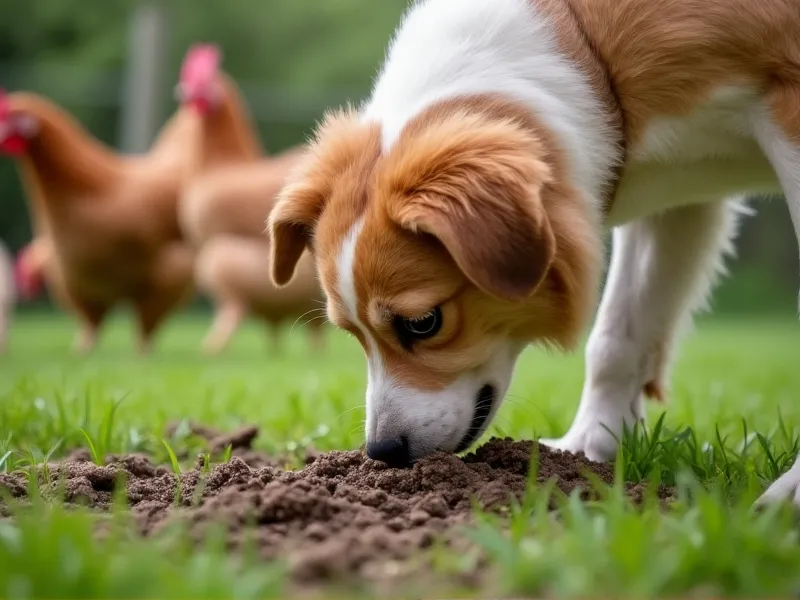
Table of Contents
- The Short Answer: Can Dogs Get Sick From Chicken Poop?
- Why Do Dogs Eat Chicken Poop, Anyway?
- Potential “Benefits”: Are There Any Upsides?
- The Real Risks: Why Chicken Poop Is Dangerous for Dogs
- How Much Chicken Poop Is “Safe” for Dogs?
- Healthier Alternatives to Satisfy Their Urge
- FAQ: Your Top Questions Answered
- Conclusion: Keep Your Pup Safe (and Your Sanity Intact)
The Short Answer: Can Dogs Get Sick From Chicken Poop?
Yes, dogs can get sick from eating chicken poop.
While a single accidental nibble might not always lead to disaster, chicken feces carries a host of risks—from parasites to bacteria—that can harm your dog. The “benefits” (if you can call them that) are minimal and far outweighed by the dangers. Let’s unpack why.
Why Do Dogs Eat Chicken Poop, Anyway?
First, let’s address the elephant in the room: Why would your dog choose chicken poop over their perfectly good kibble? There are a few reasons:
1. Instinctual Behavior
Dogs are descendants of wolves, and wild canids sometimes eat the feces of herbivores (like rabbits or deer) to access undigested nutrients or fiber. Chicken poop, which often contains bits of undigested grain, grass, or veggies from the chickens’ diet, might trigger that primal urge.
2. Nutrient Deficiencies
If your dog isn’t getting enough fiber, vitamins, or minerals in their diet, they might seek out alternative sources—including chicken poop. For example, chicken feces can contain small amounts of potassium (from chicken feed) or fiber, which a dog with a nutrient-poor diet might crave.
3. Boredom or Pica
Dogs with too much energy or anxiety may engage in “pica”—the urge to eat non-food items. Poop-eating (coprophagia) is a common form of pica, especially if your dog is understimulated.
4. Simply Curious
Dogs explore the world with their mouths! To them, chicken poop might smell interesting (yes, really) or look like a new “toy” to investigate.
Potential “Benefits”: Are There Any Upsides?
You might hear rumors that chicken poop is a “natural” source of nutrients for dogs. Let’s set the record straight: Any “benefits” are tiny, and they’re not worth the risk. Here’s what chicken poop might contain, and why it’s not a good substitute for real dog food:
1. Fiber
Chicken poop often has undigested plant matter (grass, grains, veggies), which adds fiber. But dogs need digestible, safe fiber—like that found in pumpkin or sweet potatoes—not fiber mixed with bacteria or parasites.
2. Potassium
Chicken feed is high in potassium, and some might pass through in feces. But your dog’s kibble already contains balanced potassium levels. Too much potassium (from excessive poop-eating) can even be harmful for dogs with kidney issues.
3. Trace Nutrients
In theory, there might be small amounts of vitamins (like B vitamins) or minerals. But again, these are negligible compared to the risks of parasites, bacteria, or toxins.
Bottom line: Don’t let the “nutrient” myth fool you. Chicken poop is not a supplement, and it never should be part of your dog’s diet.
The Real Risks: Why Chicken Poop Is Dangerous for Dogs
Now, let’s get to the most important part: the risks. Even a small amount of chicken poop can expose your dog to serious health threats. Here’s what to watch for:
1. Parasites
Chickens are common carriers of intestinal parasites like:
- Coccidia: A single-celled parasite that causes diarrhea, vomiting, and weight loss in dogs.
- Roundworms: These worms can infect dogs if they eat feces containing eggs. Symptoms include bloating, diarrhea, and (in severe cases) intestinal blockages.
- Tapeworms: If chickens ate fleas (which carry tapeworm larvae), their feces could contain tapeworm eggs. Dogs who eat the poop can develop tapeworms, leading to itching, weight loss, or anemia.
2. Bacterial Infections
Chicken feces is a breeding ground for harmful bacteria, including:
- Salmonella: This bacteria causes vomiting, diarrhea, fever, and lethargy in dogs. In rare cases, it can spread to humans (zoonotic risk).
- E. coli: Some strains (like E. coli O157:H7) cause severe gastrointestinal distress, including bloody diarrhea.
- Campylobacter: Leads to diarrhea, cramping, and fever in dogs.
3. Toxins or Chemicals
If your chickens eat pesticides, herbicides, or moldy food, those toxins can pass through their feces. Dogs who ingest this could suffer from poisoning, with symptoms like seizures, tremors, or organ damage.
4. Stomach Upset
Chicken poop is a foreign substance, and many dogs’ stomachs can’t handle it. Even if there are no parasites or bacteria, eating poop can cause:
- Vomiting
- Diarrhea (sometimes bloody)
- Gas or bloating
- Loss of appetite
5. Choking Hazards
Chicken feces might contain undigested bits of bone, gravel, or twigs—all of which can get stuck in your dog’s throat or intestines, leading to choking or blockages (a life-threatening emergency).
How Much Chicken Poop Is “Safe” for Dogs?
There is no “safe” amount of chicken poop for dogs.
Even a tiny bite can expose them to parasites or bacteria. Accidental ingestion (like a quick snack before you can stop them) might not always make them sick, but it’s a gamble. If your dog eats chicken poop:
- Monitor them closely for 24–48 hours. Watch for diarrhea, vomiting, lethargy, loss of appetite, or fever.
- Clean up the area immediately to prevent repeat snacking.
- Contact your vet if they show any symptoms, or if they ate a large amount (e.g., raided the coop while you weren’t looking).
Healthier Alternatives to Satisfy Their Urge
If your dog seems fixated on chicken poop, they might be craving something specific (fiber, nutrients, or mental stimulation). Here are safe, healthy alternatives to redirect their behavior:
1. High-Fiber Dog Food
Switch to a grain-inclusive or high-fiber dog food (look for brands with ingredients like oats, brown rice, or beet pulp). This can satisfy their fiber cravings without the risk.
2. Pumpkin Puree
Plain, unsweetened pumpkin puree is a dog-safe superfood. It’s high in fiber and helps with digestion. Add 1–2 tablespoons (depending on your dog’s size) to their kibble as a treat.
3. Fresh Veggies
Carrots, green beans, or sweet potato slices are low-calorie, high-fiber snacks. They’re crunchy, fun to chew, and mimic the “crunch” of undigested matter in poop—without the germs.
4. Commercial Fiber Treats
Look for dog treats made with fiber-rich ingredients (like psyllium husk or flaxseed). Brands like Blue Buffalo Wilderness Trail Treats or Zuke’s Naturals offer options that support digestion.
5. Mental Stimulation
Boredom is a big driver of pica! Keep your dog busy with puzzle toys, Kongs stuffed with peanut butter, or daily walks to burn off energy. A tired dog is less likely to seek out “weird” snacks.
FAQ: Your Top Questions Answered
Q: Why does my dog only eat chicken poop, not other types?
A: Chicken poop is often soft, smelly, and full of undigested food—making it more appealing than, say, cat poop (which is dry) or cow poop (which is too fibrous). It might also be more accessible if you have a backyard coop.
Q: What if my dog ate chicken poop and now has diarrhea?
A: Diarrhea is a common reaction to foreign bacteria or parasites. Offer small amounts of bland food (boiled chicken and rice) and plenty of water. If diarrhea lasts more than 24 hours, or if there’s blood, contact your vet—they may need to test for parasites or prescribe medication.
Q: Can chicken poop give my dog worms?
A: Yes! Roundworms, hookworms, and coccidia are all common in chicken feces. If your dog eats infected poop, these parasites can take up residence in their intestines. Regular deworming (as recommended by your vet) can help prevent this.
Q: How do I stop my dog from eating chicken poop?
A: Prevention is key!
- Keep the coop clean: Scoop chicken feces daily and dispose of it in a sealed bin.
- Train “leave it”: Teach your dog the “leave it” command to redirect them when they approach the coop.
- Supervise outdoor time: Keep your dog on a leash or in a fenced area away from the coop until the habit is broken.
Conclusion: Keep Your Pup Safe (and Your Sanity Intact)
At the end of the day, dogs eating chicken poop is gross—but it’s a common behavior. The good news is that with a little prevention (clean coops, training, and a balanced diet), you can help your pup kick the habit.
Remember: While a single accidental bite might not be a disaster, chicken poop is never “safe.” The risks of parasites, bacteria, or stomach upset far outweigh any imaginary benefits. If your dog can’t resist the coop, focus on healthier alternatives (hello, pumpkin puree!) and always consult your vet if they show symptoms after snacking.
Your dog’s health (and your peace of mind) is worth the extra effort. Now go give them a belly rub—and maybe a minty treat. You both deserve it.
References
- American Veterinary Medical Association (AVMA). “Parasites in Dogs.” avma.org
- Centers for Disease Control and Prevention (CDC). “Salmonella and Pets.” cdc.gov
- VCA Hospitals. “Coprophagia (Eating Feces) in Dogs.” vcahospitals.com
- PetMD. “Fiber for Dogs: Why It’s Important and How to Add It to Their Diet.” petmd.com