· 10 min read
Can Dogs Get Sick from Eating Cat Poop? The Surprising Truth Every Pet Parent Needs to Know
You’re mid-morning coffee, scrolling through emails, when a rustling from the bathroom interrupts. You pad over, peek around the door, and freeze. There’s your dog—tail thumping, ears perked—nose-deep in the cat’s litter box, munching away like it’s a five-star meal. Cue the cringe, the urgent “NO!” and the panicked Google search: Can dogs get sick from eating cat poop?
If this scenario sounds familiar, you’re not alone. “Coprophagia” (the fancy term for eating feces) is one of the most common—and grossest—behaviors pet parents face, especially in multi-pet households. But beyond the ick factor lies a critical question: Is this habit harmless, or a hidden health risk?
In this post, we’ll dive into the messy (literally) world of dogs and cat poop. We’ll explore why dogs do this, whether it’s ever “beneficial” (spoiler: probably not), the real risks involved, and how to keep your pup safe. Let’s get started.
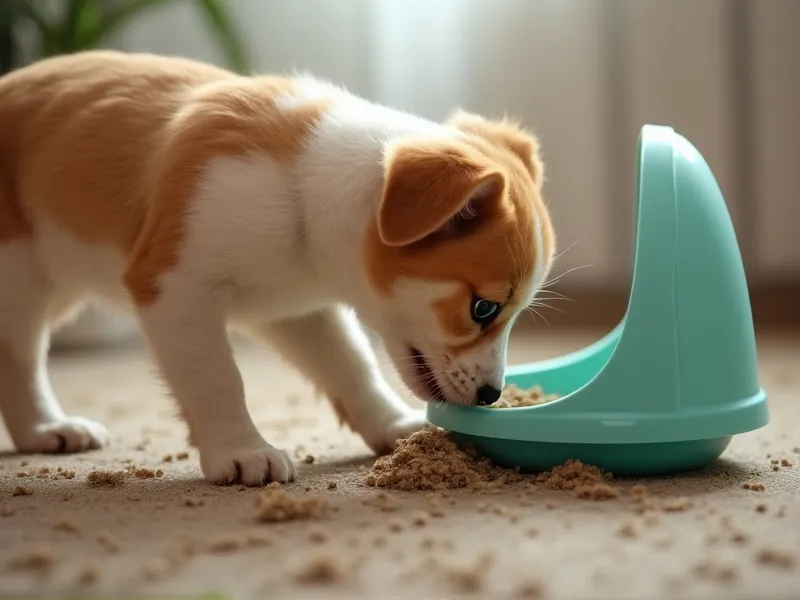
Table of Contents
- Why Do Dogs Eat Cat Poop, Anyway?
- Is There Any Benefit to Dogs Eating Cat Poop?
- The Risks: Can Dogs Get Sick from Cat Poop?
- How Much Cat Poop Is “Safe” for Dogs?
- Healthier Alternatives to Cat Poop (Yes, Really)
- FAQ: Your Most Pressing Questions Answered
- Conclusion: Keep the Litter Box Off the Menu
Why Do Dogs Eat Cat Poop, Anyway?
Before we panic about the risks, let’s tackle the “why.” Why would your otherwise dignified dog dive into a litter box like it’s a buffet? Turns out, there are a few (mostly harmless) reasons—though none make the behavior any less gross.
1. Evolutionary Instincts: Scavenger Roots
Dogs are descendants of wolves, and wolves are scavengers. In the wild, they’d eat just about anything to survive—including the feces of other animals. Feces can contain undigested nutrients, and in lean times, it’s a quick (if unappetizing) calorie source. While your domesticated pup doesn’t need to scavenge, that instinct can still linger.
2. Nutritional Curiosity (or Deficiency)
Cat food is rich. It’s higher in protein, fat, and calories than most dog foods (cats are obligate carnivores, after all). This means cat poop often smells (and maybe even tastes) more appealing to dogs than their own poop, which is typically lower in nutrients. Some dogs may seek out cat poop if they’re missing key nutrients in their diet—like fiber or certain vitamins. For example, a dog with a fiber deficiency might be drawn to the undigested plant matter in cat feces.
3. Boredom or Anxiety
Dogs left alone for long hours, or those lacking mental stimulation, may turn to “weird” behaviors to entertain themselves. Eating cat poop could be a sign of boredom, stress, or even separation anxiety. Think of it like a doggie version of stress-eating—except way less satisfying for you.
4. The “Yuck Factor” Doesn’t Exist for Dogs
Let’s be real: Dogs don’t share our human sense of disgust. To them, the litter box isn’t a gross bathroom—it’s a box full of interesting smells and textures. Some dogs might just be curious! Puppies, in particular, explore the world with their mouths, and cat poop is just another “toy” to investigate.
Is There Any Benefit to Dogs Eating Cat Poop?
You might be thinking: If dogs are drawn to it, could there be some nutritional upside? Let’s set the record straight: Cat poop is not a health food. Any “benefits” are minimal, and they’re far outweighed by the risks. But to be thorough, here’s what dogs might be seeking:
Fiber: A Tiny Boost (But Not Worth It)
Cat poop can contain small amounts of undigested fiber from your cat’s diet (think: bits of kibble, vegetables, or grass). In theory, this could help with digestion, but dogs get all the fiber they need from a balanced dog food (or safe additions like pumpkin). Cat poop is an unreliable, unregulated source—hardly a substitute for proper nutrition.
Potassium and Other Micronutrients
Cat food is fortified with vitamins and minerals, some of which pass through to their feces. For example, potassium (important for muscle and nerve function) might be present in small amounts. But again: Your dog’s food is formulated to meet their potassium needs. Eating cat poop won’t “top up” their levels in any meaningful way.
The Bottom Line: No Real Benefits
At best, cat poop offers negligible nutritional value. At worst, it’s a shortcut to illness. Save the supplements for their actual meals!
The Risks: Can Dogs Get Sick from Cat Poop?
Now, the big question: Yes, dogs can get sick from eating cat poop. While an occasional “snack” might not land them in the ER, regular or large amounts pose serious risks. Let’s break down the biggest dangers.
1. Gastrointestinal Upset: Diarrhea, Vomiting, and Stomach Aches
Cat poop is foreign to your dog’s digestive system. Even a small amount can irritate their gut, leading to:
- Loose stools or diarrhea
- Vomiting
- Abdominal pain or bloating
- Loss of appetite
These symptoms are usually mild and short-lived, but severe cases (like persistent diarrhea) can lead to dehydration. Puppies, seniors, or dogs with sensitive stomachs are especially prone to this.
2. Parasites: Worms and More
Here’s the scariest risk: Parasite transmission. Cats can carry intestinal parasites like roundworms, hookworms, tapeworms, or Toxoplasma gondii (the parasite that causes toxoplasmosis). These parasites lay eggs in the cat’s feces, and if your dog eats the poop, those eggs can hatch in their intestines.
- Roundworms and hookworms: These worms attach to the intestinal wall, stealing nutrients and causing weight loss, diarrhea, or anemia. In severe cases, roundworms can migrate to the lungs or liver.
- Toxoplasmosis: Cats are the primary host for Toxoplasma gondii. While most healthy dogs won’t get sick from it, puppies or dogs with weakened immune systems can develop fever, lethargy, or neurological issues. Pregnant dogs (or humans!) should avoid cat feces entirely, as toxoplasmosis can harm fetuses.
3. Bacterial Infections: Salmonella, E. Coli, and Beyond
Cat poop can harbor harmful bacteria like Salmonella or E. coli, which thrive in fecal matter. If your dog ingests these bacteria, they may develop:
- Severe diarrhea (sometimes bloody)
- Vomiting
- Fever
- Lethargy
In rare cases, these bacteria can spread to humans (zoonotic diseases), so always wash your hands after cleaning up after your dog if they’ve eaten cat poop.
4. Litter Box Hazards: Choking or Blockages
It’s not just the poop itself—litter can be dangerous. Clumping litter, in particular, expands when it gets wet. If your dog eats clumps of litter along with the poop, it can swell in their stomach or intestines, causing a blockage. Symptoms of a blockage include vomiting, inability to poop, and abdominal pain—and it often requires surgery to fix.
Even non-clumping litter can be a choking hazard, especially for small dogs.
5. Medication Transfer (Rare, But Possible)
If your cat is on medication (like antibiotics, steroids, or chemotherapy drugs), some of that medication may pass through their feces. While the dose is usually low, it’s not worth the risk—especially for dogs with health conditions or those on their own meds.
How Much Cat Poop Is “Safe” for Dogs?
Short answer: None. There’s no “safe” amount of cat poop for dogs to eat. Even a single bite can expose them to parasites or bacteria. That said, an occasional accidental nibble (say, your dog sneaks into the litter box once) is unlikely to cause severe harm—though you should still monitor them for symptoms like diarrhea or vomiting.
The real danger is regular consumption. If your dog is raiding the litter box daily, they’re repeatedly exposing themselves to risks. This behavior needs to be stopped—for their health and your sanity.
Healthier Alternatives to Cat Poop (Yes, Really)
The best way to stop your dog from eating cat poop is to address why they’re doing it. Here are actionable steps:
1. Keep the Litter Box Out of Reach
First, prevent access. Try:
- Elevated litter boxes: Place the box on a counter, shelf, or cat tree—most dogs can’t jump that high.
- Baby gates or pet doors: Install a gate with a small cat door (too small for your dog) to keep the litter box in a separate room.
- Covered litter boxes: Choose a covered box with a small entrance (again, too small for your dog’s snout).
2. Fix Nutritional Gaps
If your dog is seeking cat poop due to boredom or nutritional deficiencies, upgrade their diet:
- High-quality dog food: Look for brands with balanced protein, fiber, and essential nutrients (consult your vet for recommendations).
- Fiber supplements: If they need more fiber, add a spoonful of plain pumpkin (not pie filling!) or cooked sweet potato to their meals.
- Interactive toys: Bored? Give them puzzle feeders, chew toys, or extra playtime to keep their mind off the litter box.
3. Train the “Leave It” Command
Teach your dog to avoid the litter box with a simple “leave it” command. Start with treats: Hold a treat in your hand, say “leave it,” and reward them when they look away. Gradually practice with the litter box (supervised!) until they ignore it.
4. Clean the Litter Box Frequently
The less “fresh” the poop, the less appealing it is. Scoop the litter box daily (or twice daily) to remove temptation.
FAQ: Your Most Pressing Questions Answered
Q: My dog ate cat poop once. Should I panic?
A: Probably not. Monitor them for 24–48 hours for diarrhea, vomiting, or lethargy. If symptoms appear, call your vet. If they seem fine, just keep a closer eye on the litter box.
Q: Can cat litter kill my dog?
A: In rare cases, yes. Clumping litter can cause intestinal blockages if ingested in large amounts. If you suspect your dog ate clumping litter, contact your vet immediately.
Q: How do I know if my dog has parasites from cat poop?
A: Symptoms include diarrhea (sometimes with worms visible), weight loss, bloating, or a dull coat. Your vet can test their stool for parasites and prescribe deworming medication if needed.
Q: Is it normal for puppies to eat cat poop?
A: Puppies explore the world with their mouths, so it’s common—but not “normal” in the sense that it’s safe. Redirect them with toys and keep the litter box off-limits.
Q: Can I use a deterrent spray on the litter box?
A: Yes! Try pet-safe deterrents like citrus sprays (most dogs hate citrus) or bitter apple spray around the litter box. Avoid harsh chemicals—they could harm your cat.
Conclusion: Keep the Litter Box Off the Menu
At the end of the day, dogs eating cat poop is a common, if gross, behavior—but it’s not harmless. From parasites to stomach upset, the risks are real. The good news? With a little prevention (litter box barriers, training, a balanced diet), you can keep your pup out of the litter box and in your good graces.
If your dog’s litter box raids are frequent, or if they show symptoms like diarrhea, vomiting, or lethargy after eating cat poop, don’t hesitate to call your vet. They can rule out underlying issues (like parasites or nutritional deficiencies) and help you create a plan to break the habit.
Remember: Your dog’s health (and your peace of mind) is worth the extra effort to keep that litter box off the menu. Now go give your pup a belly rub—and maybe invest in a covered litter box. You’ve earned it.
References
- American Veterinary Medical Association (AVMA). “Zoonotic Diseases: What You Need to Know.” avma.org
- ASPCA. “Why Do Dogs Eat Poop? (Coprophagia).” aspca.org
- Companion Animal Parasite Council (CAPC). “Parasite Prevalence Maps.” capcvet.org
- VCA Hospitals. “Eating Feces (Coprophagia) in Dogs.” vcahospitals.com