· 9 min read
Can Dogs Get Sick From Eating Cat Food? What Pet Parents Need to Know
You’re in the kitchen, prepping dinner, when you hear a clink from the living room. You turn to find your lab mix with his head buried in your cat’s food bowl, tail wagging like he’s just discovered a goldmine. Panic creeps in: Is this dangerous? Can dogs get sick from eating cat food?
If you’ve ever caught your dog sneaking a bite (or a whole bowl) of feline fare, you’re not alone. Cat food is notoriously appealing to dogs—thanks to its higher fat and protein content—but that doesn’t mean it’s safe. In this post, we’ll break down the truth about cats’ and dogs’ nutritional needs, the risks of sharing food, and how to keep your curious pup healthy. Let’s dive in!
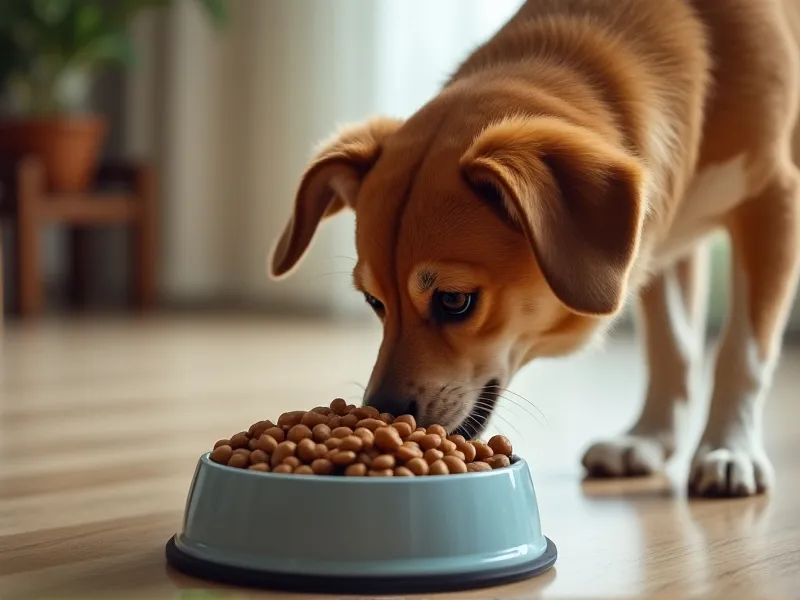
Table of Contents
- Can Dogs Get Sick From Eating Cat Food? The Short Answer
- The Nutritional Divide: Why Cat Food and Dog Food Are Different
- Potential “Benefits” of Cat Food for Dogs (Spoiler: They’re Minimal)
- The Real Risks: Why Cat Food Can Harm Dogs
- How Much Cat Food Is “Safe” for Dogs? Guidelines for Pet Parents
- Healthier Alternatives to Cat Food for Curious Dogs
- FAQ: Your Cat Food and Dog Questions Answered
- Conclusion: Moderation and Vet Advice Are Key
1. Can Dogs Get Sick From Eating Cat Food? The Short Answer
Yes, dogs can get sick from eating cat food—especially if they eat it regularly or in large amounts.
Cat food isn’t toxic to dogs, but it’s nutritionally imbalanced for their needs. A small, occasional bite (like a few kibbles) is unlikely to cause harm, but consistent snacking or raiding an entire bowl? That could lead to stomach upset, obesity, or even serious conditions like pancreatitis.
To understand why, we first need to look at how cats and dogs differ nutritionally.
2. The Nutritional Divide: Why Cat Food and Dog Food Are Different
Cats and dogs may both be furry family members, but their bodies work very differently. The biggest difference? Cats are obligate carnivores, while dogs are omnivores.
-
Obligate carnivores (cats): They must eat meat to survive. Their bodies can’t make key nutrients like taurine (critical for heart and eye health) or arachidonic acid (an essential fatty acid) on their own—so these must come from animal-based proteins. Cat food is packed with high levels of protein (30-40% dry matter) and fat (15-20%) to meet these needs.
-
Omnivores (dogs): Dogs thrive on a mix of meat and plant-based foods. They can synthesize taurine and arachidonic acid from other nutrients, so their food has lower protein (18-26% dry matter) and fat (10-15%). Dog food also includes fiber from grains or veggies to support digestion, which cats don’t need as much of.
In short: Cat food is like a super-rich steak dinner for dogs—tasty, but way more than their bodies can handle on a regular basis.
3. Potential “Benefits” of Cat Food for Dogs (Spoiler: They’re Minimal)
You might think, “If cat food is high in protein and nutrients, maybe it’s good for my dog?” Let’s unpack the supposed “benefits” and why they’re not worth the risk.
a. High Protein Content
Cat food is loaded with protein (often from chicken, fish, or beef), which dogs need for muscle health. But here’s the catch: Dogs already get plenty of protein from their own food. Most high-quality dog foods are formulated to meet their protein needs (e.g., 22-26% for adult dogs). Extra protein from cat food can strain their kidneys over time, especially in dogs with pre-existing kidney issues.
b. Fiber (Sometimes)
Some cat foods include fiber from ingredients like beet pulp or pumpkin to support feline digestion. While fiber is good for dogs too, they don’t need the type or amount in cat food. Dog food is specifically balanced with fiber sources (like brown rice or oats) that are easier for their tummies to process.
c. Potassium and Other Minerals
Cat food often contains potassium, an electrolyte that supports heart and muscle function. Again, dogs need potassium—but their food already has the right amount. Too much potassium (from overeating cat food) can cause hyperkalemia, a dangerous condition that affects heart rhythm.
The bottom line: Any “benefits” of cat food for dogs are either unnecessary or better obtained from dog-specific food.
4. The Real Risks: Why Cat Food Can Harm Dogs
Now, let’s get to the scary part: the risks of letting your dog snack on cat food. These range from mild to severe, depending on how much and how often they eat it.
a. Stomach Upset (Diarrhea, Vomiting, Gas)
Cat food’s high fat and protein content can shock a dog’s digestive system, leading to:
- Loose stools or diarrhea
- Vomiting (especially if they eat a large amount quickly)
- Bloating or gas
This is most common in dogs who eat cat food for the first time or in one sitting (e.g., raiding a whole bowl).
b. Pancreatitis: A Life-Threatening Risk
Pancreatitis (inflammation of the pancreas) is one of the most serious risks. The pancreas helps digest food, but when a dog eats too much fat, the pancreas goes into overdrive, releasing digestive enzymes that attack its own tissue.
Symptoms of pancreatitis include:
- Severe abdominal pain (your dog may hunch over or resist being touched)
- Vomiting (sometimes with bile)
- Lethargy or weakness
- Loss of appetite
Pancreatitis requires immediate veterinary care and can be fatal if left untreated. Certain breeds (like Miniature Schnauzers, Cocker Spaniels, and Yorkshire Terriers) are more prone to this condition, making cat food an even bigger risk for them.
c. Obesity and Weight Gain
Cat food is calorie-dense: A cup of dry cat food has ~300-400 calories, while a cup of dry dog food has ~250-350 calories (depending on the brand). If your dog sneaks cat food daily, those extra calories add up fast—leading to obesity, joint pain, and diabetes over time.
d. Nutritional Imbalances
Over time, eating cat food can throw off your dog’s nutrient intake:
- Too much protein: Strains kidneys, especially in senior dogs or those with kidney disease.
- Too much fat: Leads to obesity and pancreatitis.
- Not enough fiber: Can cause constipation (since cat food has less fiber than dog food).
- Excess vitamins/minerals: For example, cat food has higher levels of vitamin D, which can be toxic to dogs in large amounts (causing vomiting, weakness, or kidney damage).
e. Choking Hazards
Some cat foods (like pate-style wet food or small kibbles) aren’t choking risks, but others—like freeze-dried treats or kibble with bone fragments—can get stuck in a dog’s throat. This is more common in small dogs or greedy eaters who wolf down food without chewing.
5. How Much Cat Food Is “Safe” for Dogs? Guidelines for Pet Parents
The golden rule: Cat food should never be a regular part of your dog’s diet. But if your pup sneaks a bite, here’s what’s considered “low risk”:
- Small dogs (under 20 lbs): 1-2 cat kibbles, or a teaspoon of wet cat food.
- Medium dogs (20-50 lbs): 3-5 kibbles, or a tablespoon of wet food.
- Large dogs (50+ lbs): Up to 10 kibbles, or 2-3 tablespoons of wet food.
If your dog eats more than this (e.g., a whole bowl of kibble or a can of wet food):
- Monitor them closely for 24 hours. Watch for vomiting, diarrhea, lethargy, or loss of appetite.
- If symptoms appear, contact your vet immediately—especially if they’re severe (e.g., persistent vomiting or diarrhea with blood).
6. Healthier Alternatives to Cat Food for Curious Dogs
If your dog is obsessed with cat food, it’s probably because of its strong smell and high palatability. Instead of letting them sneak feline fare, try these dog-safe alternatives:
a. High-Protein Dog Treats
Look for freeze-dried chicken, turkey, or beef treats (e.g., Stella & Chewy’s or Zuke’s). These are packed with protein but formulated for dogs’ needs.
b. Plain Cooked Meat
A small piece of unseasoned, cooked chicken, turkey, or lean beef is a great high-protein snack. Avoid bones, skin, or added salt/garlic.
c. Veggie Snacks
Dogs love crunchy veggies! Try baby carrots, green beans, or cucumber slices—low-calorie, high-fiber, and safe for most pups.
d. Commercial Dog Food Toppers
Boost your dog’s meal with a spoonful of dog-safe wet food, bone broth, or pumpkin puree (unsweetened). This adds flavor without the risks of cat food.
e. Puzzle Toys
Keep your dog distracted from the cat’s bowl with a puzzle toy filled with their own kibble or treats. Mental stimulation can curb their curiosity!
7. FAQ: Your Cat Food and Dog Questions Answered
Q: My dog ate a whole can of wet cat food. Should I panic?
A: Panic isn’t helpful, but monitor them closely. Wet cat food is high in fat, so watch for vomiting, diarrhea, or lethargy. If symptoms last more than 12 hours, call your vet—pancreatitis can take 24-48 hours to show symptoms.
Q: Is cat food toxic to dogs?
A: No, cat food isn’t toxic, but it’s nutritionally inappropriate. The risks come from overconsumption, not toxicity.
Q: Can puppies eat cat food?
A: Puppies have even more sensitive digestive systems than adult dogs. Cat food’s high fat/protein can cause diarrhea or stunted growth in puppies. Keep cat food out of their reach!
Q: Why does my dog prefer cat food over his own?
A: Cat food is more aromatic and higher in fat/protein, making it more appealing. But “preference” doesn’t equal “healthier.” Try switching to a high-quality dog food with real meat as the first ingredient—your pup might like it more than you think!
Q: How can I stop my dog from stealing cat food?
A: Feed your cat and dog in separate rooms (e.g., put the cat’s bowl on a counter or in a crate with a cat door). Use a baby gate to block access, or try a timed feeder for your cat that only opens for their collar.
8. Conclusion: Moderation and Vet Advice Are Key
At the end of the day, the occasional stolen cat kibble isn’t a disaster—but regular snacking can lead to serious health issues. As pet parents, our job is to keep our dogs safe by:
- Feeding them a balanced, species-appropriate diet
- Keeping cat food out of their reach
- Offering healthy alternatives when they’re feeling curious
If you’re ever unsure about your dog’s diet or notice symptoms after they’ve eaten cat food, don’t hesitate to call your vet. They can help you monitor for issues like pancreatitis or nutritional imbalances.
After all, a happy dog is a healthy dog—and that means sticking to their own bowl (most of the time). 😊
References
- American Kennel Club (AKC). “Can Dogs Eat Cat Food?” akc.org
- ASPCA. “Toxic and Non-Toxic Foods for Dogs.” aspca.org
- VCA Hospitals. “Pancreatitis in Dogs.” vcahospitals.com
- PetMD. “Why Do Dogs Love Cat Food?” petmd.com