· 10 min read
Can Dogs Get Sick from Eating Cat Feces? The Surprising Risks & What to Do About It
It’s a moment all too familiar to pet parents with both dogs and cats: You turn your back for 30 seconds, and suddenly your dog is trotting over, tail wagging, with a suspiciously satisfied look on their face. A quick scan of the room reveals the culprit: the cat litter box, now slightly less… full. Cue the grossed-out gasp, the frantic “drop it!” commands, and the lingering question: Can dogs get sick from eating cat feces?
If you’ve ever wondered this, you’re not alone. Dog owners have been asking vet experts for years about this messy (and puzzling) behavior. In this post, we’ll break down the risks, why dogs are drawn to cat poop in the first place, and how to keep your pup safe—all in a warm, easy-to-digest guide for worried pet parents.
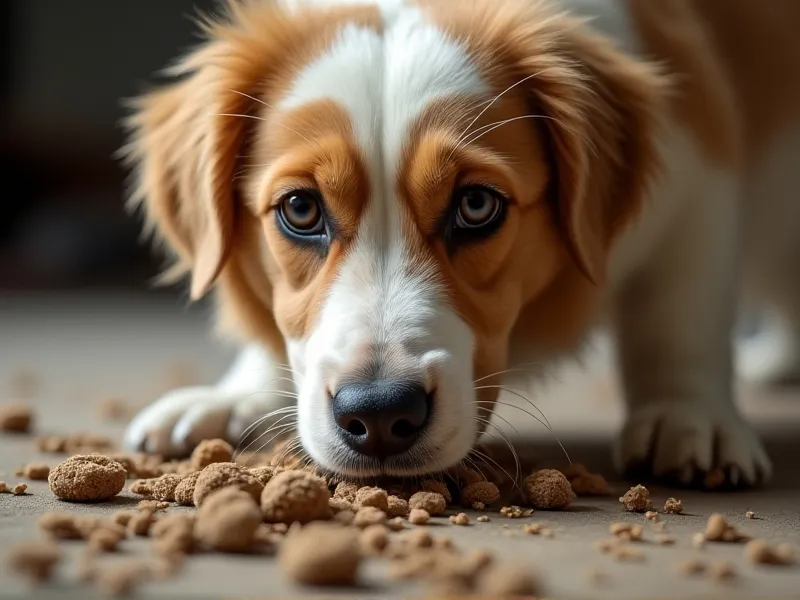
Table of Contents
- The Short Answer: Can Dogs Get Sick from Cat Feces?
- Why Do Dogs Eat Cat Poop, Anyway?
- The Risks: What Makes Cat Feces Dangerous for Dogs?
- How Much Cat Feces Is “Safe” for Dogs?
- How to Stop Your Dog from Eating Cat Poop: Practical Tips
- Healthier Alternatives to Satisfy Their Urge
- FAQ: Your Top Questions Answered
- Conclusion: Prioritize Prevention & Peace of Mind
The Short Answer: Can Dogs Get Sick from Cat Feces?
Yes, dogs can get sick from eating cat feces—but it’s not a guarantee. While an occasional “snack” from the litter box might not send your pup to the vet, cat poop carries hidden risks that make it far from safe. The biggest concerns are parasites, bacteria, and even litter ingestion, which can lead to gastrointestinal upset, infections, or worse.
Think of it this way: Cat feces isn’t toxic per se, but it’s a breeding ground for germs and parasites that can harm your dog. Let’s dive into why dogs are so drawn to it, and what dangers lie beneath the surface.
Why Do Dogs Eat Cat Poop, Anyway?
Before we get into the risks, let’s tackle the million-dollar question: Why would your dog voluntarily eat something so… unappetizing (to us, at least)? It turns out, there are a few reasons—some instinctual, some behavioral, and some even tied to nutrition.
1. Instinctual Behavior
Dogs are descendants of wolves, and in the wild, mother wolves eat their puppies’ feces to keep the den clean and avoid attracting predators. While domestic dogs don’t need to do this, the instinct can linger. For some dogs, cat feces might trigger that “clean-up crew” reflex.
2. Nutritional Curiosity
Cat food is rich. Cats are obligate carnivores, meaning their diet is high in protein and fat—nutrients that might pass through undigested in their feces. To a dog, that could smell like a leftover snack! If your dog isn’t getting enough protein or fiber in their own diet, they might seek it out elsewhere… even if “elsewhere” is the litter box.
3. Boredom or Attention-Seeking
Let’s be real: Dogs get bored. If they’re left alone for long periods, or not getting enough mental/physical stimulation, they might turn to cat poop as a form of entertainment (gross, but true). Some dogs also learn that raiding the litter box gets a big reaction from their humans—even negative attention can feel like a win for a bored pup.
4. Medical Reasons (Rare, but Possible)
In rare cases, dogs might eat feces (a behavior called “coprophagia”) due to an underlying medical issue, like malabsorption (when the gut can’t absorb nutrients), enzyme deficiencies, or even diabetes. If your dog suddenly starts eating poop when they never did before, it’s worth a vet visit to rule out health problems.
The Risks: What Makes Cat Feces Dangerous for Dogs?
Now, let’s get to the critical part: the risks. Even if your dog thinks cat poop is a delicacy, these hidden dangers make it a habit worth breaking.
1. Parasites: The Silent Threat
Cats (even indoor cats!) can carry intestinal parasites like roundworms, hookworms, or tapeworms. These parasites lay eggs in the cat’s intestines, which pass through their feces. If your dog eats the poop, they can ingest these eggs, leading to a parasite infestation of their own.
One of the most concerning parasites is Toxoplasma gondii, a single-celled organism that cats can get from eating infected prey (like mice). While dogs are less likely to get sick from Toxoplasma than humans, severe cases can cause neurological issues, especially in puppies or immunocompromised dogs.
2. Bacteria: Food Poisoning Waiting to Happen
Cat feces can harbor harmful bacteria like Salmonella or E. coli, which thrive in the gut. If your dog eats contaminated feces, they could develop symptoms like vomiting, diarrhea, fever, or lethargy—classic signs of food poisoning. These bacteria can also spread to humans, putting your whole family at risk.
3. Gastrointestinal Upset
Even if there are no parasites or bacteria, cat feces is a foreign substance to your dog’s gut. Ingesting it can irritate their stomach lining, leading to vomiting, diarrhea, or gas. For dogs with sensitive stomachs, this can be especially uncomfortable.
4. Litter Ingestion: A Hidden Choking/Blockage Risk
Here’s a twist: It’s not just the poop that’s risky—it’s the litter. If your dog eats cat feces, they’ll likely swallow some litter too. Clumping litter, in particular, can expand in your dog’s stomach or intestines, causing blockages. Non-clumping litter is less risky, but large amounts can still lead to choking or intestinal obstruction (a life-threatening emergency).
5. Viral Infections (Rare, but Possible)
If the cat is sick with a virus like feline leukemia (FeLV) or feline immunodeficiency virus (FIV), can your dog catch it? Good news: These viruses are species-specific, so your dog can’t get FeLV or FIV from cat feces. However, if the cat has a virus that can spread to dogs (like parvovirus, though rare in adult cats), feces could theoretically transmit it.
How Much Cat Feces Is “Safe” for Dogs?
The short answer: None. There’s no “safe” amount of cat feces for dogs to eat. Even a small bite can expose them to parasites or bacteria, and repeated ingestion increases the risk of long-term issues (like chronic parasite infestations).
That said, an occasional accidental nibble (say, your dog snuck into the litter box once) might not make them sick. But why take the chance? The goal should be to prevent access entirely.
How to Stop Your Dog from Eating Cat Poop: Practical Tips
Breaking the habit starts with management, training, and addressing the root cause. Here’s how to keep your dog (and the litter box) off-limits:
1. Keep the Litter Box Out of Reach
The easiest way to stop the behavior is to make the litter box inaccessible. Try these tricks:
- Elevate it: Place the litter box on a high shelf, counter, or cat tree (most dogs can’t jump as high as cats!).
- Use a baby gate: Block the room with a gate that’s tall enough to keep your dog out but short enough for the cat to hop over.
- Try a covered litter box: Look for covered boxes with small entry holes (too small for your dog to stick their head in).
- Litter box furniture: Hide the box in a piece of furniture (like a cabinet with a cat-sized door) that your dog can’t open.
2. Clean the Litter Box Frequently
The less “snack” available, the less temptation there is. Scoop the litter box at least once a day (twice is better!) to remove feces before your dog can find it.
3. Train the “Leave It” Command
Teach your dog to ignore the litter box (and other off-limits items) with the “leave it” command. Start with treats: Hold a treat in your closed hand, say “leave it,” and wait until they stop sniffing/pawing. Reward with a different treat from your other hand. Once they master this, practice with a fake “poop” (like a piece of kibble wrapped in paper) near the litter box.
4. Boost Their Diet & Stimulation
If your dog is eating poop due to boredom or nutritional gaps, try:
- Switching to high-quality dog food: Look for a food with balanced protein, fiber, and nutrients (ask your vet for recommendations).
- Adding fiber: A little extra fiber (like canned pumpkin, plain and unsweetened) can help keep them full and reduce the urge to seek out “snacks.”
- More exercise/playtime: A tired dog is a well-behaved dog! Aim for daily walks, puzzle toys, or training sessions to burn off energy.
5. Consult Your Vet
If the behavior is sudden or excessive, talk to your vet. They can check for medical issues (like malabsorption or thyroid problems) and rule out nutrient deficiencies. They might also recommend probiotics or supplements to support your dog’s gut health.
Healthier Alternatives to Satisfy Their Urge
If your dog is fixated on “snacking” from the litter box, redirect that energy with these safe, tasty alternatives:
1. High-Fiber Treats
Dogs crave fiber for digestion, so offer treats like carrot sticks, green beans, or apple slices (no seeds!). These are low-calorie, crunchy, and satisfying.
2. Puzzle Toys
Fill a Kong or puzzle feeder with peanut butter, plain yogurt, or kibble. This keeps your dog busy and mentally stimulated—no litter box required.
3. Fresh Herbs
Some dogs love the taste of fresh herbs like parsley or mint. Sprinkle a little on their food for a flavor boost (and fresh breath!).
4. Probiotics
If your dog’s gut microbiome is out of whack, probiotics can help. Talk to your vet about a dog-specific probiotic to support digestion and reduce coprophagia.
FAQ: Your Top Questions Answered
Q: Is cat poop toxic to dogs?
A: No, cat poop itself isn’t toxic, but it carries parasites (like roundworms) and bacteria (like Salmonella) that can make dogs sick. Litter ingestion is also a risk.
Q: My dog ate cat poop—should I take them to the vet?
A: If it’s a one-time incident and your dog seems fine (no vomiting, diarrhea, or lethargy), monitor them for 24–48 hours. If they show symptoms, or if they ate a lot of litter, call your vet immediately.
Q: Can my dog get worms from eating cat poop?
A: Yes! Roundworms, hookworms, and tapeworms can all be transmitted via cat feces. Puppies, senior dogs, or immunocompromised dogs are at higher risk.
Q: How do I clean my dog’s mouth after they eat cat poop?
A: Wipe their mouth with a damp cloth, or offer a bowl of water to rinse. Brushing their teeth with dog-safe toothpaste can also help (and freshen their breath!).
Q: Will my dog grow out of eating cat poop?
A: Some puppies grow out of it, but adult dogs often need intervention (training, management, diet changes). The earlier you address the behavior, the easier it is to break.
Conclusion: Prioritize Prevention & Peace of Mind
At the end of the day, dogs eating cat feces is gross, but it’s also common. The key is to stay vigilant: keep the litter box secure, train your dog to “leave it,” and address any underlying causes (boredom, diet, medical issues).
Remember: While an occasional slip-up might not be a disaster, the risks—parasites, bacteria, litter blockages—are too big to ignore. If you’re ever unsure, reach out to your vet. They’re your best resource for keeping your pup happy, healthy, and (fingers crossed) away from the litter box.
Here’s to cleaner floors, less cringing, and many more tail-wagging days with your favorite fur baby!
References
- American Veterinary Medical Association (AVMA). “Coprophagia in Dogs.”
- American Society for the Prevention of Cruelty to Animals (ASPCA). “Why Do Dogs Eat Poop?”
- VCA Animal Hospitals. “Intestinal Parasites in Dogs.”
- Centers for Disease Control and Prevention (CDC). “Toxoplasmosis in Animals.”
- Cummings School of Veterinary Medicine at Tufts University. “Coprophagia: Why Do Dogs Eat Poop?”