· 9 min read
Can Dogs Get Sick from Eating Rabbit Poop? What Pet Parents Need to Know
Picture this: You’re enjoying a sunny afternoon hike with your furry best friend. They’re trotting along, tail wagging, when suddenly—stop. Their nose dives to the ground, and before you can shout “leave it!” they’ve swallowed something small and brown. You sigh, recognizing the culprit: rabbit poop. If you’re a dog parent, this scenario is probably all too familiar. But beyond the “ick” factor, you’re left wondering: Is this harmless, or could eating rabbit poop make my dog sick?
Dogs have a knack for finding the most unappetizing (to us) snacks, and rabbit droppings are high on the list. In this post, we’ll break down the truth about dogs and rabbit poop: the risks, the (minimal) potential upsides, and what you can do to keep your pup safe. Let’s dive in.
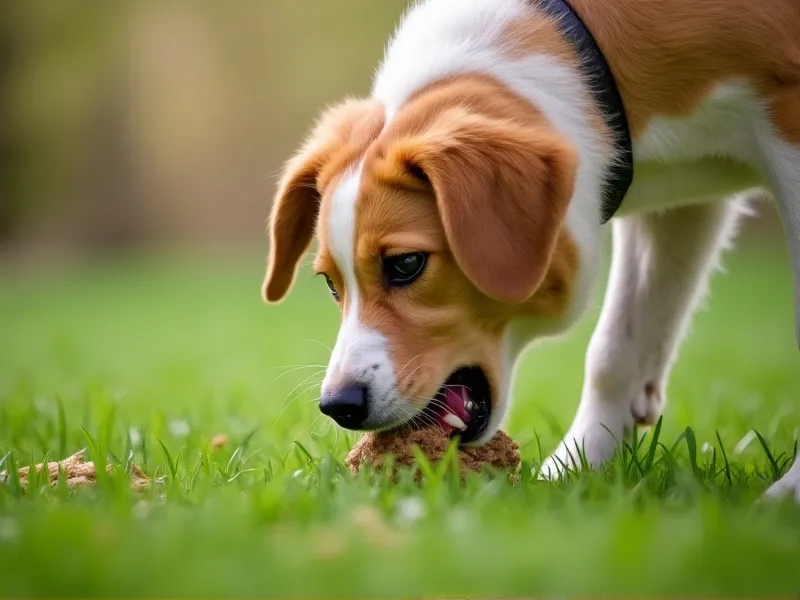
Table of Contents
- Can Dogs Get Sick from Eating Rabbit Poop? The Short Answer
- Why Do Dogs Eat Rabbit Poop, Anyway? (The Science of Coprophagia)
- Are There Any “Benefits” to Rabbit Poop for Dogs? (Spoiler: They’re Tiny)
- The Real Risks: Why Rabbit Poop Might Harm Your Dog
- How Much Rabbit Poop Is “Safe” for Dogs? (Hint: Probably None)
- Healthier Alternatives to Satisfy Their Urge
- Frequently Asked Questions (FAQ)
- Conclusion: Keep Your Pup Happy (and Poop-Free!)
1. Can Dogs Get Sick from Eating Rabbit Poop? The Short Answer
Yes, dogs can get sick from eating rabbit poop, but it’s not a guaranteed outcome. For most dogs, swallowing a small amount of rabbit poop here and there might cause nothing more than a temporary stomach upset (think diarrhea or vomiting). However, larger quantities or contaminated poop (with parasites, bacteria, or toxins) can lead to more serious issues.
The key takeaway: Rabbit poop isn’t “safe,” but it’s not always immediately dangerous. The risk depends on how much your dog eats, how often, and what’s in the poop itself.
2. Why Do Dogs Eat Rabbit Poop, Anyway? (The Science of Coprophagia)
First, let’s address the elephant in the room: Why on earth would your dog choose rabbit poop over their perfectly good kibble? This behavior, called coprophagia (the act of eating feces), is surprisingly common in dogs, and there are a few theories behind it:
- Instinctual Behavior: In the wild, mother dogs eat their puppies’ feces to keep the den clean and hide their scent from predators. Some adult dogs may retain this instinct, or they may view other animals’ poop as “clean” (since rabbits are herbivores, their poop is mostly plant-based).
- Nutritional Curiosity: Rabbit poop is made up of undigested grass, hay, and vegetables. To your dog, it might smell like a “snack” rich in fiber or trace nutrients they think they’re missing. (Spoiler: They’re not—more on that later.)
- Boredom or Attention-Seeking: Dogs left alone for long periods or lacking mental stimulation may turn to odd behaviors (like eating poop) to entertain themselves. Others might do it to get a reaction from you (even a “gross!” is attention!).
- Taste: Let’s face it—dogs have weird taste buds. What smells disgusting to us might be appealing to them!
3. Are There Any “Benefits” to Rabbit Poop for Dogs? (Spoiler: They’re Tiny)
You might wonder, “If dogs are drawn to it, could rabbit poop actually be good for them?” Let’s break down what’s in rabbit droppings to see:
Rabbit poop (called “pellets”) is mostly indigestible plant matter: grass, hay, leaves, and veggies. It’s low in calories, high in fiber, and contains trace amounts of:
- Fiber: Helpful for digestion, but dogs get plenty from their regular food (or healthier sources like pumpkin).
- Potassium: A mineral important for muscle and nerve function, but again, most dog foods are fortified with potassium.
- Vitamins A and C: From plant material, but in negligible amounts—your dog would need to eat a lot of poop to get any real benefit.
The bottom line: Any “benefits” are minimal and not worth the risks. Your dog’s balanced diet already provides all the fiber, potassium, and vitamins they need. Rabbit poop is more like junk food for dogs—tempting, but nutritionally empty.
4. The Real Risks: Why Rabbit Poop Might Harm Your Dog
Now, let’s get to the important part: the risks. While a single rabbit pellet might not hurt, regular or large-scale consumption can lead to problems. Here’s what to watch for:
a. Parasites: A Hidden Threat
Rabbits can carry parasites like coccidia, giardia, or tapeworms in their feces. If your dog eats infected poop, these parasites can take up residence in their gut, leading to:
- Diarrhea (sometimes bloody)
- Vomiting
- Weight loss
- Lethargy
Puppies, senior dogs, or dogs with weak immune systems are especially vulnerable. For example, coccidia (a single-celled parasite) can cause severe gastrointestinal distress in young pups.
b. Bacterial Infections
Rabbit poop can also harbor harmful bacteria like Salmonella or E. coli, which thrive in feces. These bacteria can make your dog sick with symptoms like:
- Fever
- Abdominal pain
- Diarrhea (often watery or bloody)
- Dehydration
In rare cases, these bacteria can even spread to humans (zoonotic diseases), so always wash your hands after handling your dog if they’ve eaten poop.
c. Pesticides and Toxins
If the rabbit lives in an area treated with pesticides, herbicides, or fertilizers (like a neighbor’s yard or a park), their poop could contain these chemicals. Dogs are more sensitive to toxins than humans, and ingesting even small amounts can cause:
- Vomiting
- Tremors
- Seizures (in severe cases)
d. Stomach Upset
Even if the poop is “clean” (no parasites or toxins), eating a lot of it can irritate your dog’s stomach. Rabbit poop is high in fiber, but it’s the indigestible kind—think of it as eating a handful of grass clippings. This can lead to:
- Loose stools or diarrhea
- Gas
- Nausea or vomiting
e. Choking or Blockages (Rare, but Possible)
Rabbit pellets are small and round, so choking is unlikely. However, if the poop is mixed with debris (like sticks, rocks, or sharp plant material), your dog could accidentally swallow something that gets stuck in their throat or intestines. This is more common in small dogs or those who gulp their food (or poop) quickly.
5. How Much Rabbit Poop Is “Safe” for Dogs? (Hint: Probably None)
The safest answer? None. While an accidental nibble here and there is unlikely to cause serious harm, there’s no “recommended amount” of rabbit poop for dogs. Even small, regular doses can increase the risk of parasites or bacterial infections over time.
If your dog ate a single pellet during a walk, don’t panic. Monitor them for 24–48 hours for signs of stomach upset (vomiting, diarrhea) or lethargy. If they ate a lot (e.g., raided a rabbit nest), or if they have a history of gastrointestinal issues, contact your vet right away.
6. Healthier Alternatives to Satisfy Their Urge
If your dog is obsessed with rabbit poop, they might be craving fiber or something to munch on. Instead of letting them snack on feces, try these safe, healthy alternatives:
- Pumpkin (Canned, Unsweetened)
Pumpkin is rich in soluble fiber, which aids digestion—just like rabbit poop, but way safer. Mix 1–2 tablespoons (depending on your dog’s size) into their food for a fiber boost.
- Sweet Potato
Cooked, plain sweet potato is packed with fiber, vitamins A and C, and potassium. Slice into bite-sized pieces and bake for a crunchy treat.
- Green Beans (Steamed or Raw)
Low in calories and high in fiber, green beans make a great snack for dogs who love crunching. Just avoid canned green beans (too much salt!).
- Commercial Fiber Supplements
If your vet recommends more fiber, try a dog-specific supplement like psyllium husk (Metamucil, but check with your vet first) or prebiotic chews.
- Interactive Toys
Boredom often drives coprophagia. Keep your dog busy with puzzle toys, Kongs stuffed with peanut butter, or daily training sessions to redirect their energy.
7. Frequently Asked Questions (FAQ)
Q: Why does my dog only eat rabbit poop, not other poop?
A: Rabbit poop is small, dry, and plant-based, which might smell “cleaner” or more appealing than, say, cat poop (which is high in protein and ammonia). Some dogs also prefer the texture or taste!
Q: My dog ate a lot of rabbit poop—what should I do?
A: Monitor them closely for 24–48 hours. Watch for diarrhea, vomiting, lethargy, or loss of appetite. If any of these occur, contact your vet. Puppies, seniors, or immunocompromised dogs should see a vet immediately.
Q: Can rabbit poop give my dog worms?
A: Yes. Tapeworms, for example, can spread if a rabbit ingests a flea carrying tapeworm larvae, then passes the larvae in its poop. If your dog eats that poop, the larvae can grow into adult tapeworms in their intestines. Regular deworming (as recommended by your vet) can help prevent this.
Q: How can I stop my dog from eating rabbit poop?
A:
- Supervise walks: Keep your dog on a leash and redirect them with a “leave it” command if they approach poop.
- Train “leave it”: Practice this command with treats to teach them to ignore unwanted items.
- Clean your yard: If rabbits frequent your yard, scoop their poop regularly to remove the temptation.
- Check for boredom: Ensure your dog gets enough exercise and mental stimulation to reduce odd behaviors.
8. Conclusion: Keep Your Pup Happy (and Poop-Free!)
At the end of the day, dogs eating rabbit poop is gross—but it’s rarely a life-threatening emergency. The key is to stay vigilant: supervise walks, train “leave it,” and keep your dog’s diet and environment healthy. If your pup does sneak a snack, monitor for symptoms and consult your vet if anything seems off.
Remember, your dog’s curiosity is part of what makes them lovable—even when it leads to less-than-appetizing choices. With a little patience and the right alternatives, you can help them satisfy their cravings safely.
Here’s to many more poop-free hikes (and a lot less cringing)!
References
- American Society for the Prevention of Cruelty to Animals (ASPCA). “Coprophagia in Dogs.” aspca.org
- VCA Animal Hospitals. “Intestinal Parasites in Dogs.” vcahospitals.com
- PetMD. “Why Do Dogs Eat Poop? Causes and Solutions.” petmd.com
- Cummings School of Veterinary Medicine at Tufts University. “The Scoop on Poop-Eating: Why Dogs Do It and How to Stop It.” tuftscvm.org