· 8 min read
Can Dogs Get Bird Flu from Eating Bird Poop? What Pet Parents Need to Know
Picture this: You’re strolling through the park on a sunny afternoon, your dog trotting happily beside you. Suddenly, their nose dives toward the grass, and before you can yell “leave it!”—gulp—they’ve scarfed down something unsavory. You peer closer and realize: it’s bird poop. Cue the immediate panic spiral: Did they just get bird flu? Is this going to make them sick? Why do dogs even DO this?!
If you’ve ever dealt with a poop-eating pup (officially called “coprophagia”), you’re not alone. Dogs have a knack for finding the grossest snacks, and bird poop often tops the list. But the big question on every pet parent’s mind is: Can dogs get bird flu from eating bird poop?
In this post, we’ll break down the science, separate fact from fear, and give you the info you need to keep your furry friend safe. We’ll cover everything from the risk of bird flu to other hidden dangers (and yes, even a few weird “benefits” your dog might think they’re getting). Let’s dive in!
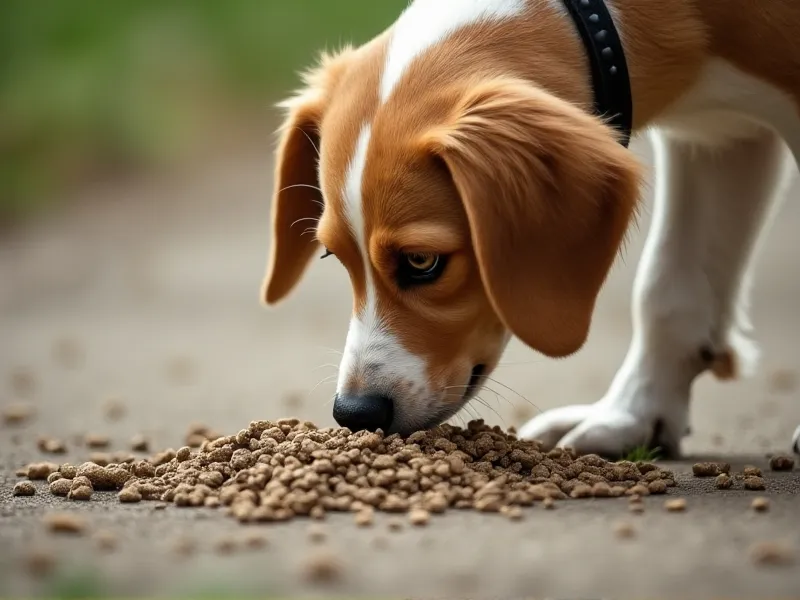
Table of Contents
- Can Dogs Get Bird Flu from Bird Poop? The Short Answer
- Why Do Dogs Eat Bird Poop, Anyway?
- The “Benefits” of Bird Poop (Spoiler: They’re Minimal)
- The Real Risks: Beyond Bird Flu
- How Much (If Any) Is Safe?
- Healthier Alternatives to Bird Poop
- FAQ: Your Top Questions Answered
- Conclusion: Keep Calm and Monitor Your Pup
- References
Can Dogs Get Bird Flu from Bird Poop? The Short Answer
Let’s cut to the chase: Yes, dogs can theoretically get bird flu from eating bird poop, but the risk is extremely low.
Bird flu, or avian influenza, is caused by viruses like H5N1, H7N9, or H9N2, which primarily infect birds (chickens, ducks, geese, wild birds). While these viruses are “avian-adapted,” they can occasionally jump to mammals, including dogs.
According to the Centers for Disease Control and Prevention (CDC), there have been rare reports of dogs contracting bird flu, usually after close contact with infected birds (e.g., eating a sick bird or its feces). For example, in 2006, a group of dogs in Thailand tested positive for H5N1 after eating infected duck carcasses. More recently, in 2023, a few dogs in the U.S. were reported to have low-level H5N1 exposure, though none showed severe symptoms (CDC, 2023).
But here’s the key: Most dogs who eat bird poop won’t get bird flu. The virus is fragile and doesn’t survive long outside a host. Plus, your dog would need to ingest a significant amount of virus-laden feces to get sick. The bigger dangers lie elsewhere (more on that later).
Why Do Dogs Eat Bird Poop, Anyway?
Before we dive into risks and benefits, let’s address the elephant in the room: Why does your well-fed, loved dog insist on snacking on bird droppings? It’s not just because they’re gross—there are actually a few (weird) reasons:
1. Instinctual Behavior
Dogs are descendants of wolves, who are scavengers by nature. In the wild, wolf pups might eat adult wolf poop to learn about their environment or get beneficial bacteria. While domestic dogs don’t need to do this, the instinct can stick around.
2. Nutrient Deficiencies
If your dog’s diet is lacking in vitamins (like B vitamins), minerals, or fiber, they might turn to poop to “supplement.” This is rare in well-fed dogs, but it’s worth checking with your vet if the behavior is frequent.
3. Boredom or Anxiety
Dogs left alone for long hours or lacking mental stimulation may resort to coprophagia out of boredom. Similarly, anxious dogs might use it as a coping mechanism.
4. They Just… Like the Taste
Let’s face it: Dogs have weird taste buds. Bird poop is often soft, moist, and may have traces of undigested seeds or fruit—apparently, that’s a flavor profile some pups find irresistible.
The “Benefits” of Bird Poop (Spoiler: They’re Minimal)
We know what you’re thinking: Benefits? From bird poop? Let’s be clear: Bird poop is not a health food for dogs. But if we’re stretching, there might be a few (very minor) upsides your dog thinks they’re getting:
1. Fiber
Bird poop contains undigested plant material (like seeds or grass), which has fiber. Fiber is good for digestion, but your dog gets plenty from their regular food (think: high-quality kibble or veggies like pumpkin).
2. Trace Nutrients
Some bird feces might have tiny amounts of potassium, calcium, or vitamins from the bird’s diet. But again, these are negligible compared to a balanced dog food.
3. Probiotics (Maybe?)
Bird poop could contain bacteria that act as probiotics, but it’s a total crapshoot (pun intended). The risk of harmful bacteria (like Salmonella) far outweighs any potential gut benefits.
Bottom line: Don’t let your dog eat bird poop for “nutrition.” It’s not worth the risk.
The Real Risks: Beyond Bird Flu
While bird flu gets the headlines, the real dangers of bird poop for dogs are far more common and immediate. Here’s what to watch out for:
1. Bacterial Infections
Bird feces (and other animal poop) is a breeding ground for bacteria like:
- Salmonella: Causes diarrhea, vomiting, fever, and lethargy. Can spread to humans, too!
- E. coli: Leads to stomach cramps, diarrhea (sometimes bloody), and dehydration.
- Campylobacter: Triggers severe diarrhea and abdominal pain.
2. Parasites
Poop is full of microscopic parasites, including:
- Giardia: A single-celled parasite that causes “giardiasis,” leading to watery diarrhea, gas, and weight loss.
- Coccidia: Infects the intestines, causing bloody stool and dehydration.
- Roundworms/Hookworms: These can pass from bird poop to your dog, then to humans (via contact with contaminated soil).
3. Fungal Infections
Bird droppings (especially from pigeons or bats) can carry histoplasmosis, a fungus that grows in soil enriched with feces. When inhaled (if the poop is dried and dusty), it can cause respiratory issues. While rare in dogs, it’s still a risk.
4. Choking Hazards
If the bird that left the poop had eaten small bones (like from insects or fish), those bones could be in the feces. Sharp bones can get stuck in your dog’s throat or intestines, leading to choking or blockages.
5. Stomach Upset
Even if no pathogens are present, bird poop is foreign to your dog’s digestive system. Eating it can cause vomiting, diarrhea, or an upset stomach—no fun for either of you!
How Much (If Any) Is Safe?
The safest answer? None. There’s no “recommended serving size” for bird poop, and even a small bite can cause issues.
But let’s be realistic: Dogs are sneaky. If your pup manages to sneak a quick snack on a walk, don’t panic. Here’s what to do:
- Monitor them closely for 24–48 hours. Watch for vomiting, diarrhea, lethargy, or loss of appetite.
- Offer fresh water to prevent dehydration.
- Don’t scold them harshly—this can make them hide the behavior, making it harder to address.
If the behavior is frequent (e.g., they seek out bird poop every walk), talk to your vet. They can rule out medical issues (like nutrient deficiencies) or suggest training techniques to stop it.
Healthier Alternatives to Bird Poop
If your dog is obsessed with bird poop, redirect their attention to these safe, tasty alternatives:
1. High-Fiber Dog Food
If they’re after fiber, switch to a high-fiber kibble (look for ingredients like beet pulp or oats) or add a spoonful of plain pumpkin (not the pie filling!) to their meals.
2. Fresh Veggies
Carrots, green beans, or cucumber slices are low-calorie, high-fiber, and way safer than poop. Most dogs love crunching on these!
3. Puzzle Toys
Boredom-driven poop-eaters need mental stimulation. Fill a Kong with peanut butter (no xylitol!) or freeze broth in a puzzle toy to keep them busy.
4. Training “Leave It!”
Teach your dog the “leave it” command to stop them from going for bird poop mid-walk. Use positive reinforcement (treats, praise) when they ignore the poop.
FAQ: Your Top Questions Answered
Q: My dog ate bird poop—should I take them to the vet immediately?
A: Not necessarily. Most dogs will be fine, but monitor them for 24–48 hours. If they develop diarrhea, vomiting, fever, or lethargy, call your vet.
Q: Can bird flu in dogs spread to humans?
A: It’s extremely rare. According to the World Health Organization (WHO), bird flu viruses like H5N1 don’t spread easily from animals to humans, and there’s no evidence of spread from dogs to humans. Still, wash your hands after handling your dog if they’ve eaten poop!
Q: Is bird poop from wild birds more dangerous than from pet birds?
A: Wild birds (like pigeons, seagulls) are more likely to carry parasites or bacteria than pet birds (which are usually vaccinated and healthy). But all bird poop carries some risk.
Q: My dog only eats bird poop in the winter—why?
A: Bird poop may be more visible in winter (no grass to hide it!), or birds might be eating more seeds/fruit (making their feces more appealing). It’s also possible your dog is bored from fewer walks—try adding indoor playtime!
Conclusion: Keep Calm and Monitor Your Pup
So, can dogs get bird flu from eating bird poop? Technically, yes—but it’s rare. The bigger risks are bacteria, parasites, and stomach upset.
The best approach? Prevent it when you can (keep your dog on a leash, train “leave it,” and clean up your yard if birds frequent it). If they do sneak a bite, stay calm, monitor for symptoms, and don’t hesitate to call your vet if something seems off.
Remember: Your dog’s weird habits are part of what makes them lovable (even if they gross you out). With a little training, a balanced diet, and plenty of playtime, you can help them kick the poop-snacking habit for good.
Here’s to many more walkswithout unexpected snacks—cheers!
References
- Centers for Disease Control and Prevention (CDC). (2023). Avian Influenza A (H5N1) in Dogs. https://www.cdc.gov/flu/avianflu/h5n1/dogs.htm
- American Veterinary Medical Association (AVMA). (2022). Coprophagia in Dogs. https://www.avma.org/resources/pet-owners/petcare/coprophagia-dogs
- World Health Organization (WHO). (2023). Avian Influenza (Bird Flu). https://www.who.int/health-topics/avian-influenza#tab=tab_1
- Merck Veterinary Manual. (2023). Histoplasmosis in Animals. https://www.merckvetmanual.com/digestive-system/fungal-diseases-of-the-digestive-system/histoplasmosis