· 8 min read
Can Dogs Eat Pasta? What Pet Parents Need to Know
It’s a familiar scene: You’re sitting down to a cozy dinner of pasta—maybe a creamy mac and cheese, a zesty spaghetti, or a simple buttered noodles night—and your dog trots over, tail wagging, nose twitching at the aroma. Those big, hopeful eyes seem to say, “Share, please?” You pause, fork hovering. Is pasta safe for dogs? You want to treat your pup, but you don’t want to risk their health.
If you’ve ever asked yourself this question, you’re not alone. Pasta is a pantry staple in most households, so it’s natural to wonder if it’s okay to sneak your dog a bite. Let’s dive into the details: Can dogs eat pasta? What are the benefits and risks? And if it’s safe, how much should you feed them?
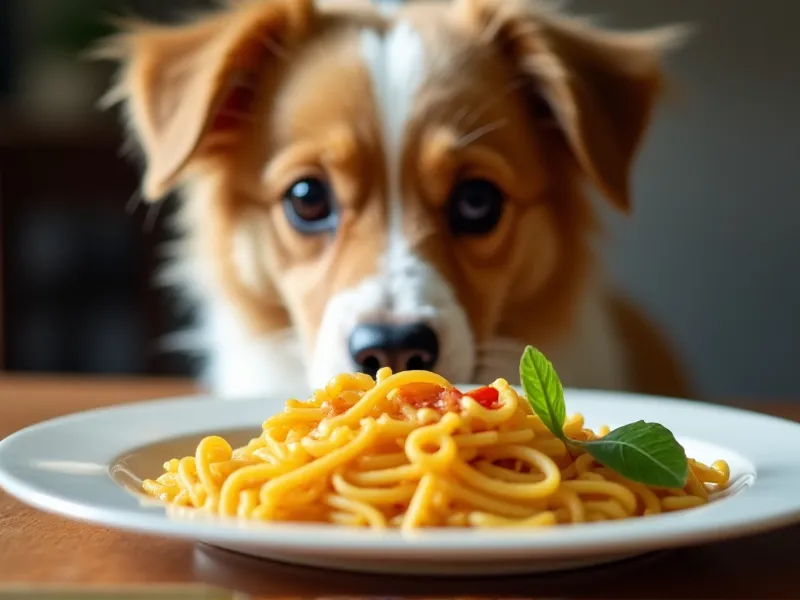
Table of Contents
- Introduction
- Can Dogs Eat Pasta? The Short Answer
- The Potential Benefits of Pasta for Dogs
- The Risks of Feeding Pasta to Dogs
- How Much Pasta Can Dogs Safely Eat?
- Healthier Alternatives to Pasta for Dogs
- FAQ: Common Questions About Dogs and Pasta
- Conclusion: Moderation is Key
- References
Can Dogs Eat Pasta? The Short Answer
Yes, dogs can eat plain, cooked pasta in moderation.
Pasta itself—made from flour, water, and sometimes eggs—is not toxic to dogs. In fact, it’s a simple carbohydrate that can provide a quick energy boost, making it a safe occasional treat for most healthy dogs. However, there’s a big caveat: pasta must be plain. Sauces, seasonings, cheeses, or added ingredients (like garlic, onions, or sugar) can turn a harmless bite into a dangerous one.
Let’s break down the details to help you make the best choice for your furry friend.
The Potential Benefits of Pasta for Dogs
While pasta shouldn’t replace your dog’s balanced, nutrient-dense dog food, plain, cooked pasta can offer some minor benefits when fed as an occasional treat. Here’s what you need to know:
1. Carbohydrates for Energy
Pasta is primarily made of carbohydrates, which are a key source of energy for dogs (just like humans!). Carbs are broken down into glucose, fueling everything from playtime zoomies to daily walks. For active dogs, a small serving of pasta can help replenish energy stores—think of it as a “post-workout snack” for your pup.
2. Fiber (If Whole-Grain)
Not all pasta is created equal. Whole-grain pasta (made from whole wheat flour) contains more fiber than refined white pasta. Fiber is essential for digestive health: it helps regulate bowel movements, prevents constipation, and supports a healthy gut microbiome. If your dog struggles with occasional digestive upset, a tiny portion of whole-grain pasta (cooked, plain!) might offer gentle support—though always check with your vet first.
3. Trace Nutrients
Plain pasta also contains small amounts of vitamins and minerals, depending on the type:
- B Vitamins: Whole-grain pasta provides B vitamins (like thiamine and niacin), which help convert food into energy and support brain and nerve function.
- Iron: Needed for healthy red blood cells, which carry oxygen throughout the body.
- Potassium: An electrolyte that supports heart health and muscle function.
Again, these nutrients are present in small amounts—pasta isn’t a “superfood” for dogs—but they’re a nice bonus when paired with a balanced diet.
The Risks of Feeding Pasta to Dogs
While plain pasta is generally safe, there are risks to watch out for—especially if you’re not careful with ingredients, portion sizes, or preparation.
1. Sauces and Seasonings: The Hidden Danger
The biggest risk of feeding pasta to dogs isn’t the pasta itself—it’s what’s on the pasta. Most pasta sauces are loaded with ingredients that are toxic or harmful to dogs:
- Garlic and Onions: These belong to the allium family, which can damage a dog’s red blood cells, leading to anemia. Even small amounts (like a sprinkle of garlic powder) can be dangerous.
- Salt: Excess salt causes sodium ion poisoning, leading to vomiting, diarrhea, seizures, or even death.
- Cheese and Cream: High in fat, which can trigger pancreatitis (a painful, life-threatening condition) in dogs, especially those prone to it.
- Sugar: Added sugars (in sweetened pasta varieties or sugary sauces) contribute empty calories and can lead to obesity or diabetes over time.
Rule of thumb: Never feed your dog pasta with sauce, butter, oil, or seasonings. Stick to plain, cooked pasta only.
2. Stomach Upset from Too Many Carbs
Dogs thrive on protein-rich diets, and their bodies aren’t designed to process large amounts of carbohydrates. Feeding too much pasta can lead to:
- Bloating or gas
- Diarrhea (especially if your dog isn’t used to high-carb foods)
- Stomach cramps
This is especially true for dogs with sensitive stomachs or those prone to digestive issues.
3. Choking Hazards
Long, uncut noodles (like spaghetti or fettuccine) can pose a choking risk, especially for small dogs or puppies. Noodles can get tangled in their throats or cause gagging. To avoid this, always cut pasta into small, bite-sized pieces before feeding.
4. Weight Gain and Obesity
Pasta is high in calories (about 220 calories per cup of cooked white pasta). If you’re feeding it regularly or in large portions, those calories add up quickly. Over time, excess calories lead to obesity, which increases the risk of diabetes, joint pain, and heart disease.
5. Gluten Sensitivities (Rare, But Possible)
Most dogs digest gluten (the protein in wheat) just fine, but a small percentage may have gluten sensitivities or allergies. Symptoms include itchy skin, ear infections, or digestive upset. If your dog has a known grain allergy, stick to gluten-free pasta (made from rice, quinoa, or chickpeas) or skip pasta altogether.
How Much Pasta Can Dogs Safely Eat?
Pasta should be a treat, not a meal. The general guideline for treats is that they should make up no more than 10% of your dog’s daily calorie intake. This ensures their main diet (high-quality dog food) provides all the nutrients they need.
Here’s a rough guide based on your dog’s size:
- Small dogs (under 20 lbs): 1–2 tablespoons of cooked pasta, once or twice a week.
- Medium dogs (20–50 lbs): ¼ cup of cooked pasta, once or twice a week.
- Large dogs (50+ lbs): ½ cup of cooked pasta, once or twice a week.
Pro tip: Adjust portions based on your dog’s activity level. A high-energy border collie can handle a bit more than a couch-potato pug! Always monitor your dog after feeding pasta—if they show signs of stomach upset, cut back or stop altogether.
Healthier Alternatives to Pasta for Dogs
If you want to treat your dog to a carb-based snack but want something more nutrient-dense than pasta, try these alternatives:
1. Sweet Potato
A nutritional powerhouse! Sweet potatoes are rich in fiber, vitamins A and C, and antioxidants. They’re also lower in calories than pasta (about 112 calories per cup, cooked) and easy to digest. Bake or boil a sweet potato, mash it, and serve a spoonful as a treat.
2. Pumpkin (Plain, Canned)
Plain, unsweetened pumpkin is a great source of fiber and beta-carotene. It’s gentle on the stomach and can even help with both diarrhea and constipation. Mix a tablespoon into your dog’s food or serve it plain.
3. Quinoa
A complete protein (unlike pasta), quinoa is packed with fiber, iron, and magnesium. It’s gluten-free and easy to cook—simply boil and serve plain.
4. Zucchini Noodles (“Zoodles”)
Low in calories and high in fiber, zucchini noodles are a great low-carb alternative. Spiralize, boil, and serve plain for a crunchy, hydrating treat.
5. Brown Rice
A classic! Brown rice is a whole grain with more fiber and nutrients than white pasta. It’s often recommended by vets for dogs with upset stomachs, as it’s gentle and binding.
FAQ: Common Questions About Dogs and Pasta
Can dogs eat pasta with cheese?
No. Cheese is high in fat and can cause pancreatitis or stomach upset. Stick to plain pasta only.
Is whole-wheat pasta better than white pasta for dogs?
Yes, if your dog tolerates it. Whole-wheat pasta has more fiber and nutrients than refined white pasta, supporting digestive health.
Can puppies eat pasta?
Yes, but in very small portions. Puppies have sensitive stomachs, so start with 1–2 teaspoons of plain, cooked pasta and monitor for upset.
My dog ate a whole bowl of pasta—what should I do?
If it was plain pasta, monitor for bloating, diarrhea, or vomiting. If it had sauce (with garlic/onion), call your vet immediately—those ingredients are toxic.
Is pasta safe for dogs with diabetes?
Pasta is high in carbs, which spike blood sugar. Avoid it or feed only tiny portions (with your vet’s approval) if your dog has diabetes.
Conclusion: Moderation is Key
Plain, cooked pasta can be a safe, occasional treat for dogs—think of it as a fun “human food” they can enjoy in small bites. Just remember:
- No sauces or seasonings (garlic, onion, and salt are toxic!).
- Portion control (10% of daily calories max).
- Cut into small pieces to avoid choking.
If you’re unsure whether pasta is right for your dog (e.g., they have allergies, diabetes, or digestive issues), always consult your vet first. And when in doubt, opt for healthier alternatives like sweet potato or brown rice—your pup will love them just as much!
At the end of the day, the best way to show your dog love is through a balanced diet, plenty of playtime, and snuggles. A tiny bite of plain pasta now and then? That’s just the cherry on top.
References
- American Society for the Prevention of Cruelty to Animals (ASPCA). “People Foods to Avoid Feeding Your Pets.” aspca.org/pet-care/animal-poison-control/people-foods-avoid-feeding-your-pets
- VCA Animal Hospitals. “Nutrition for Dogs.” vcahospitals.com/know-your-pet/nutrition-for-dogs
- American Kennel Club (AKC). “Can Dogs Eat Pasta?” akc.org/expert-advice/nutrition/can-dogs-eat-pasta
- PetMD. “Is Pasta Safe for Dogs?” petmd.com/dog/nutrition/can-dogs-eat-pasta