· 8 min read
Can Dogs Eat Nuts? A Pet Parent’s Guide to Safe Snacking
You’re curled up on the couch, munching on a handful of mixed nuts, when your dog trots over, tail wagging, eyes locked on your snack. “Can I share?” their puppy-dog look seems to say. It’s a common moment for pet parents—but is that nut in your hand safe for your furry friend?
Nuts are a popular human snack, packed with nutrients like healthy fats, fiber, and protein. But when it comes to our dogs, the answer isn’t as simple as “yes” or “no.” Some nuts are safe in moderation, others are toxic, and even “safe” nuts come with risks. Let’s break down everything you need to know to keep your pup happy and healthy.
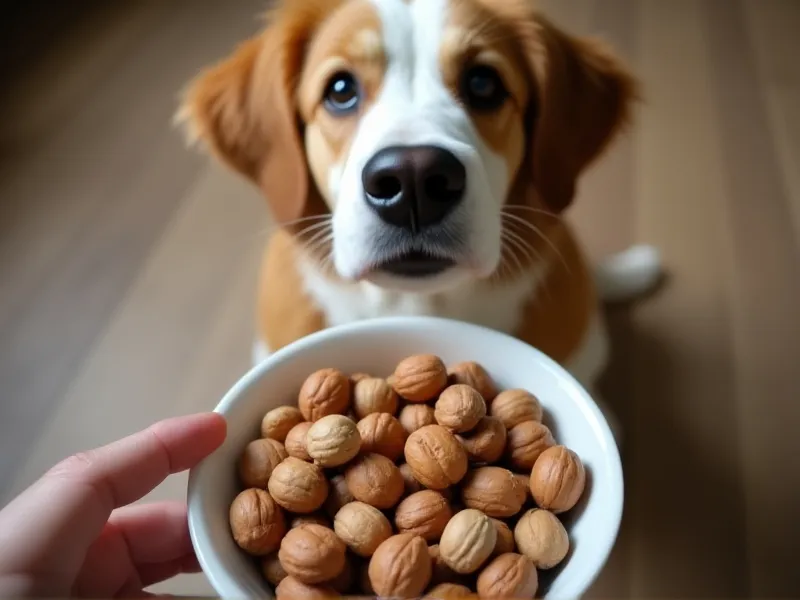
Table of Contents
- Can Dogs Eat Nuts? The Short Answer
- Potential Benefits of Nuts (When Safe)
- Risks to Watch For: Why Not All Nuts Are Created Equal
- Safe Nuts for Dogs (and How Much to Feed)
- Toxic Nuts: Never Feed These to Your Dog
- Healthier Alternatives to Nuts
- FAQ: Your Most Pressing Nut Questions Answered
- Conclusion: Snacking Safely with Your Pup
1. Can Dogs Eat Nuts? The Short Answer
No, not all nuts are safe for dogs—but some are okay in small, occasional amounts.
The key here is type and quantity. While nuts like plain peanuts (without added salt or sugar) are generally safe, others—like macadamia nuts—are toxic and can cause serious harm. Even “safe” nuts pose risks, such as choking hazards or digestive upset, if overfed.
Think of nuts as a “sometimes” treat, not a regular part of your dog’s diet. When in doubt, err on the side of caution: if you’re unsure about a specific nut, skip sharing and opt for a dog-safe alternative instead.
2. Potential Benefits of Nuts (When Safe)
Nuts are nutrient-dense, and when given safely, some can offer minor benefits to dogs. Here’s what you need to know about their potential upsides:
Healthy Fats (in Moderation)
Nuts like peanuts and cashews contain monounsaturated fats, which support heart health and can help keep your dog’s coat shiny. However, dogs don’t need large amounts of fat in their diet—too much can lead to weight gain or pancreatitis (more on that later).
Fiber for Digestion
Nuts are a source of dietary fiber, which aids in digestion by promoting regular bowel movements. A small amount of fiber can help dogs with mild constipation, but again, excess fiber (from too many nuts) can cause diarrhea or stomach cramps.
Potassium and Other Minerals
Potassium is essential for muscle function, nerve health, and maintaining healthy blood pressure. Nuts like peanuts and hazelnuts contain potassium, along with other minerals like magnesium and zinc. These nutrients support overall wellness, but dogs typically get all they need from a balanced commercial dog food.
3. Risks to Watch For: Why Not All Nuts Are Created Equal
Even “safe” nuts come with risks, and some are flat-out dangerous. Here are the top concerns to keep in mind:
Choking Hazard
Nuts are small, hard, and round—perfect for getting stuck in a dog’s throat, especially for small breeds or dogs who gulp their food. Almonds, peanuts (whole), and cashews are common culprits. Always chop nuts into tiny pieces (if feeding them at all) and supervise your dog while they snack.
High Fat Content = Pancreatitis Risk
Dogs have sensitive digestive systems, and their pancreases aren’t designed to process large amounts of fat. A sudden influx of high-fat nuts can trigger pancreatitis, a painful and potentially life-threatening inflammation of the pancreas. Symptoms include vomiting, diarrhea, lethargy, and loss of appetite.
Added Sugars, Salt, and Flavors
Most nuts sold for humans are roasted, salted, honey-glazed, or spiced. Salt can lead to sodium ion poisoning in dogs (symptoms: excessive thirst, urination, vomiting, seizures), while sugar contributes to obesity and dental issues. Artificial flavors or sweeteners like xylitol (found in some “sugar-free” nuts) are extremely toxic to dogs, even in small amounts.
Mold and Mycotoxins
Nuts (especially walnuts, peanuts, and pecans) can develop mold if stored improperly. Mold produces aflatoxins, a type of mycotoxin that’s toxic to dogs. Aflatoxin poisoning can cause liver damage, vomiting, jaundice, and even death. Always check nuts for signs of mold (discoloration, a musty smell) before considering sharing.
4. Safe Nuts for Dogs (and How Much to Feed)
A few nuts are considered safe for dogs in small, occasional amounts. Here’s what you need to know about each:
Peanuts (Plain, Unsalted, and Unflavored)
Are they safe? Yes—plain, unsalted, roasted peanuts (not raw) are generally safe for dogs. Avoid peanuts with added salt, sugar, or flavorings (like honey-roasted or spicy peanuts).
How much?
- Small dogs (under 20 lbs): 1–2 peanuts, chopped
- Medium dogs (20–50 lbs): 2–3 peanuts, chopped
- Large dogs (50+ lbs): 3–4 peanuts, chopped
Why? Peanuts are low in mold risk (when stored properly) and contain protein, healthy fats, and fiber. Just remember: peanut butter is a safer alternative (no choking risk!)—but always choose xylitol-free peanut butter.
Cashews (Unsalted, Plain)
Are they safe? Cashews are safe in very small amounts, but they’re high in fat, so moderation is key.
How much?
- Small dogs: 1 cashew, chopped
- Medium dogs: 1–2 cashews, chopped
- Large dogs: 2–3 cashews, chopped
Why? Cashews have less fat than some other nuts, but they’re still calorie-dense. Overfeeding can lead to weight gain or stomach upset.
Hazelnuts (Filberts)
Are they safe? Plain, unsalted hazelnuts are non-toxic, but they’re hard and pose a choking risk.
How much?
- Small dogs: ½ a hazelnut, chopped
- Medium dogs: 1 hazelnut, chopped
- Large dogs: 1–2 hazelnuts, chopped
Why? Hazelnuts contain fiber and vitamin E, but their hard texture makes them a choking hazard. Only feed if chopped into tiny pieces.
5. Toxic Nuts to Avoid At All Costs
Some nuts are never safe for dogs. If your dog eats any of these, contact your vet immediately:
Macadamia Nuts
Macadamia nuts are the most well-documented toxic nut for dogs. Even a small amount (as few as 6 nuts for a 60-lb dog) can cause:
- Weakness or paralysis in the hind legs
- Vomiting
- Tremors
- Hyperthermia (high fever)
- Lethargy
Symptoms usually appear within 12 hours and can last up to 48 hours. While rarely fatal, macadamia nut poisoning requires veterinary care to manage symptoms.
Walnuts
Walnuts (especially black walnuts) are toxic to dogs. They contain juglone, a compound that can cause stomach upset, and they’re prone to mold growth (leading to aflatoxin exposure). Even fresh walnuts can cause diarrhea or vomiting.
Pecans
Pecans are high in fat and often moldy, making them a double threat. Moldy pecans contain aflatoxins, which damage the liver, while their high fat content can trigger pancreatitis.
Almonds
Almonds are not technically toxic, but they’re a major choking hazard and can cause intestinal blockages, especially in small dogs. Their high fat content also increases pancreatitis risk.
Brazil Nuts
Brazil nuts are extremely high in selenium, a mineral that’s toxic to dogs in large amounts. Just 1–2 Brazil nuts can cause selenium poisoning (symptoms: vomiting, diarrhea, hair loss, tremors).
6. Healthier Alternatives to Nuts
If you want to treat your dog without the risks of nuts, try these safer, nutrient-packed alternatives:
Carrot Sticks
Low in calories, high in fiber, and crunchy—carrots clean teeth and satisfy the urge to chew.
Apple Slices (No Seeds!)
Apples are rich in fiber and vitamin C. Remove the seeds (they contain small amounts of cyanide) and core first.
Blueberries
A superfood for dogs! Blueberries are packed with antioxidants, fiber, and vitamins, and they’re low in calories.
Green Beans (Cooked or Raw)
Green beans are high in fiber and vitamins, and they’re a great low-calorie snack for dogs watching their weight.
Plain Pumpkin (Canned, No Sugar/Spice)
Pumpkin is a digestive superhero—high in fiber to soothe upset tummies or relieve constipation.
7. FAQ: Your Most Pressing Nut Questions Answered
Q: Can dogs eat peanut butter?
A: Yes! Peanut butter is a safe, popular treat—as long as it doesn’t contain xylitol. Xylitol is a sugar substitute toxic to dogs, even in tiny amounts. Always check the label for “xylitol-free” before sharing.
Q: My dog ate a macadamia nut. What should I do?
A: Call your vet or an emergency animal hospital immediately. Macadamia nuts are toxic, and symptoms can worsen quickly. Bring the packaging (if available) to help your vet assess the dose.
Q: Are cashews better than peanuts for dogs?
A: Both are safe in small amounts, but peanuts are lower in fat and more affordable. Cashews have slightly more vitamins, but their high fat content makes them riskier for overfeeding.
Q: Can dogs eat mixed nuts?
A: No—mixed nuts often contain toxic varieties (like macadamias or walnuts) or added salt/sugar. Stick to single, plain nuts you know are safe.
Q: Is it okay if my dog ate a small piece of almond?
A: Monitor them closely for choking, vomiting, or diarrhea. Almonds are a choking hazard and can cause stomach upset, but a tiny piece is unlikely to be fatal. If they show symptoms, contact your vet.
8. Conclusion: Snacking Safely with Your Pup
Nuts can be a tricky topic for pet parents, but the key takeaway is simple: when in doubt, skip the nut. While some nuts (like plain peanuts) are safe in tiny amounts, the risks often outweigh the benefits.
Instead of sharing your mixed nuts, reach for safer treats like carrots, blueberries, or xylitol-free peanut butter. And if you ever wonder, “Is this safe?”—pick up the phone and ask your vet. They know your dog’s unique health needs and can guide you toward the best choices.
Remember, treats should make up no more than 10% of your dog’s daily calories. Keep snack time fun, safe, and focused on their well-being—and your pup will thank you with tail wags and slobbery kisses.
Sources:
- American Society for the Prevention of Cruelty to Animals (ASPCA). “Toxic and Non-Toxic Plants: Macadamia Nuts.”
- American Veterinary Medical Association (AVMA). “Pancreatitis in Dogs.”
- Coates, J. (2021). “Can Dogs Eat Nuts?” PetMD.
- Veterinary Centers of America (VCA). “Xylitol Toxicity in Dogs.”