· 8 min read
Can Dogs Eat Corn? A Pet Parent’s Guide to Safe Snacking
It’s a warm summer evening, and you’re grilling up a storm in the backyard. The scent of charred corn on the cob fills the air, and your dog—ever the opportunist—sits at your feet, tail thumping a rapid rhythm. Their big, pleading eyes fix on the golden kernels slipping off your fork, and you find yourself wondering: Can dogs eat corn? Is this summertime staple a safe treat, or should you quickly redirect their attention to their chew toy?
If you’ve ever asked this question, you’re not alone. Corn is one of the most common human foods pet parents ponder, thanks to its ubiquity at barbecues, picnics, and dinner tables. The good news? Corn isn’t toxic to dogs. But like many human foods, there’s a catch (or two). In this guide, we’ll break down everything you need to know about feeding corn to your dog—from its nutritional benefits to potential risks, how much is safe, and even healthier alternatives to keep your pup happy and healthy.
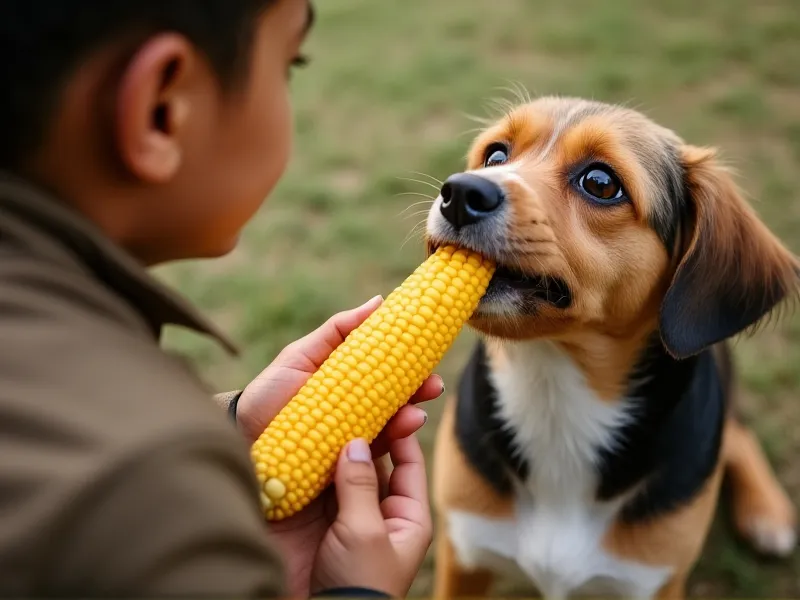
Table of Contents
- Can Dogs Eat Corn? The Short Answer
- The Nutritional Breakdown: Benefits of Corn for Dogs
- Potential Risks of Feeding Corn to Dogs
- How Much Corn Is Safe for Dogs? Guidelines for Pet Parents
- Healthier Alternatives to Corn
- FAQ: Your Corn Questions Answered
- Conclusion: Enjoy Treats Responsibly
- References
Can Dogs Eat Corn? The Short Answer
Yes, dogs can safely eat small amounts of plain, cooked corn as an occasional treat. Corn itself is not toxic to dogs—in fact, it’s a common ingredient in many commercial dog foods, providing carbohydrates, fiber, and essential nutrients. However, there are important caveats: corn cobs are extremely dangerous (more on that later), and overfeeding corn can lead to digestive upset or weight gain.
In short: Fresh, plain corn kernels are generally safe in moderation, but corn cobs are a big no-no. Let’s dive deeper into the details.
The Nutritional Breakdown: Benefits of Corn for Dogs
While corn isn’t a “superfood” for dogs, it does offer some nutritional perks when fed appropriately. Here’s what makes corn a (sometimes) beneficial addition to your pup’s treat rotation:
1. Fiber for Digestive Health
Corn is a good source of dietary fiber, which helps support healthy digestion in dogs. Fiber adds bulk to stool, aids in regular bowel movements, and can even help dogs feel full (which is great for weight management). One cup of sweet corn contains about 2.4 grams of fiber—nothing to scoff at for a small treat!
2. Vitamins and Minerals
Corn is packed with essential vitamins and minerals that support your dog’s overall health:
- B Vitamins: Thiamine (B1) helps convert food into energy, while niacin (B3) supports skin and coat health.
- Vitamin C: An antioxidant that boosts the immune system and helps fight inflammation.
- Potassium: Important for heart health, muscle function, and maintaining healthy blood pressure.
- Magnesium: Supports bone health and nerve function.
3. Energy Boost (Carbohydrates)
Corn is rich in carbohydrates, which provide quick energy for active dogs. While dogs are primarily carnivores, they can digest and use carbs as a fuel source—making corn a decent occasional pick-me-up for pups who love to play fetch or go for long walks.
Potential Risks of Feeding Corn to Dogs
While corn kernels are generally safe, there are several risks to be aware of to keep your dog out of harm’s way:
1. Corn Cobs: A Choking and Blockage Hazard
The biggest danger of corn for dogs isn’t the kernels—it’s the corn cob. Corn cobs are hard, indigestible, and can easily get stuck in a dog’s throat (causing choking) or intestinal tract (leading to a life-threatening blockage). Even small pieces of cob can cause obstructions, which often require surgery to remove. According to the ASPCA, corn cobs are one of the top 10 most common foreign objects vets remove from dogs’ stomachs and intestines.
Rule of thumb: Never, ever give your dog a corn cob—even a “small piece.” Always remove kernels from the cob before feeding.
2. Digestive Upset from Overfeeding
While fiber is good for digestion, too much corn can have the opposite effect. Feeding large amounts of corn (or introducing it suddenly) may lead to:
- Diarrhea
- Gas
- Bloating
- Stomach cramps
Dogs with sensitive stomachs are especially prone to these issues, so start with tiny portions and monitor their reaction.
3. Sugar and Empty Calories
Sweet corn (the type we eat at BBQs) contains natural sugars—about 6 grams per cup. While not as high as candy or cookies, these sugars can add up if your dog eats corn regularly, contributing to weight gain or even diabetes (in dogs with pre-existing conditions). Corn is also relatively low in protein and fat, so it shouldn’t replace nutrient-dense foods in your dog’s diet.
4. Processed or Seasoned Corn
Avoid feeding your dog corn that’s been cooked with butter, salt, garlic, onion, or other seasonings. These additives can be harmful: Salt can cause sodium ion poisoning, while garlic and onion are toxic to dogs. Canned corn often contains added salt or sugar, and creamed corn may have dairy (which many dogs are lactose intolerant to). Stick to plain, fresh, or frozen corn with no added ingredients.
How Much Corn Is Safe for Dogs? Guidelines for Pet Parents
The key to feeding corn safely is moderation and preparation. Here’s how to do it right:
1. Portion Control: Size Matters
Corn should be an occasional treat, not a regular part of your dog’s diet. The amount depends on your dog’s size:
- Small dogs (under 20 lbs): 1–2 tablespoons of kernels per week
- Medium dogs (20–50 lbs): 2–3 tablespoons per week
- Large dogs (50+ lbs): 3–4 tablespoons per week
Think of corn as a “topper” for their regular food or a snack during training—not a meal replacement.
2. Preparation Tips
- Remove kernels from the cob: As we强调 earlier, cobs are dangerous. Use a knife to slice kernels off the cob, or hold the cob upright and run a fork down to release them.
- Cook (or not?): Corn can be fed raw or cooked—both are safe. However, cooked corn may be easier for some dogs to digest (especially puppies or senior dogs). If cooking, boil or steam it plain—no butter, salt, or seasonings.
- Avoid processed forms: Skip canned corn (high sodium), creamed corn (sugar/dairy), or flavored corn products. Stick to fresh or frozen (thawed) sweet corn.
3. Monitor for Reactions
After feeding corn for the first time, watch your dog for 24–48 hours. If they develop diarrhea, vomiting, or lethargy, stop feeding corn and consult your vet. Some dogs may be sensitive to corn, even in small amounts.
Healthier Alternatives to Corn
If you’re looking for nutrient-dense treats that offer similar benefits to corn (fiber, vitamins, crunch) but with fewer risks, try these alternatives:
1. Sweet Potatoes
Sweet potatoes are a fiber-rich superfood for dogs, packed with vitamin A, potassium, and antioxidants. They’re lower in sugar than corn and easier to digest. Serve them baked, mashed, or diced as a treat.
2. Green Beans
Low in calories and high in fiber, green beans are perfect for weight-conscious dogs. They’re crunchy, satisfying, and rich in vitamins C and K. Serve raw or steamed (no salt).
3. Carrots
Carrots are a classic dog treat! They’re high in beta-carotene (which converts to vitamin A), promote dental health (crunching cleans teeth), and are low in calories. Raw or cooked, they’re a safe, tasty option.
4. Peas
Like corn, peas are a good source of fiber and vitamins (A, K, C). They’re smaller and easier to portion, making them ideal for small dogs. Serve frozen (as a cool summer treat!) or cooked.
FAQ: Your Corn Questions Answered
Can dogs eat corn cobs?
No! Corn cobs are indigestible and can cause choking or intestinal blockages. Always remove kernels from the cob before feeding.
Is corn a “filler” in dog food?
Corn is often labeled a “filler,” but this is a myth. High-quality dog foods use whole-grain corn as a source of fiber, vitamins, and energy. However, some dogs may have allergies or sensitivities to corn, so check with your vet if you’re concerned.
Can dogs eat popcorn?
Plain, air-popped popcorn (no butter, salt, or oil) is safe in small amounts. Avoid microwave popcorn (contains additives) or popcorn with seasonings. Popcorn hulls can sometimes get stuck in teeth, so monitor your dog while they snack.
Can dogs eat canned corn?
Canned corn is not recommended, as it’s often high in sodium (salt) which can lead to dehydration or kidney issues. If you must use canned corn, rinse it thoroughly to remove excess salt—but fresh or frozen is better.
Is corn gluten meal safe for dogs?
Corn gluten meal is a byproduct of corn processing, used in some dog foods as a protein source. It’s not toxic, but it’s low in essential amino acids and may trigger allergies in sensitive dogs. Consult your vet before choosing a food with corn gluten meal.
Conclusion: Enjoy Treats Responsibly
So, can dogs eat corn? Yes—in moderation, with kernels removed from the cob, and free of added seasonings. While corn isn’t a necessary part of your dog’s diet, it can be a fun, crunchy treat that adds a little variety to their routine. Just remember: The risks (like corn cobs or overfeeding) far outweigh the benefits if you’re not careful.
When in doubt, always consult your veterinarian before introducing new foods to your dog, especially if they have health conditions like diabetes, obesity, or food allergies. Your vet can help you determine if corn is a good fit for your pup’s unique needs.
At the end of the day, sharing a few corn kernels with your dog during your next BBQ is a small, joyful way to bond—just keep those cobs far away, and stick to the “moderation” rule. Here’s to happy, healthy snacking!
References
- American Society for the Prevention of Cruelty to Animals (ASPCA). “People Foods to Avoid Feeding Your Pets.” aspca.org
- American Veterinary Medical Association (AVMA). “Nutrition for Dogs.” avma.org
- PetMD. “Can Dogs Eat Corn?” petmd.com
- Cummings School of Veterinary Medicine at Tufts University. “Feeding Your Dog: What’s Safe, What’s Not.” tuftscvm.org