· 8 min read
Can Dogs Eat Cooked Zucchini? A Pet Parent’s Guide to This Nutritious Veggie
It’s a quiet weeknight, and you’re sautéing zucchini for dinner—light, fresh, and packed with veggies. Suddenly, your dog trots over, tail wagging, nose twitching at the scent. “Just a little taste?” they seem to beg, those puppy eyes impossible to resist. But before you slip them a slice, you pause: Is zucchini safe for dogs?
If you’ve ever wondered whether cooked zucchini deserves a spot in your pup’s treat rotation, you’re in the right place. Zucchini is a staple in human diets for its low calories and high nutrients, but what about our four-legged friends? In this guide, we’ll break down everything you need to know—from benefits to risks, portion sizes to FAQs—to help you decide if cooked zucchini is a green light for your dog.
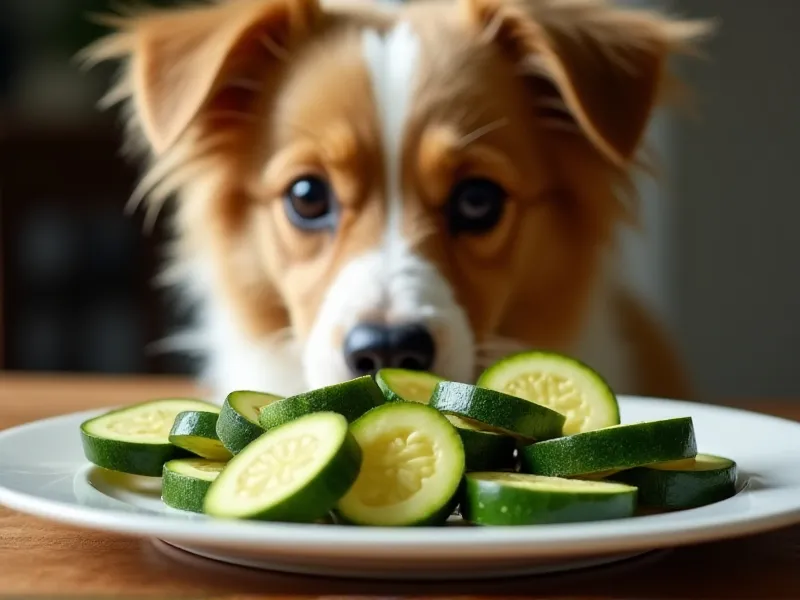
Table of Contents
- Can Dogs Eat Cooked Zucchini? The Short Answer
- The Nutritional Benefits of Cooked Zucchini for Dogs
- Potential Risks to Watch Out For
- How Much Cooked Zucchini Can Dogs Eat? Guidelines by Size
- Healthier Alternatives to Zucchini (or Additions!)
- Frequently Asked Questions About Dogs and Zucchini
- Final Thoughts: Zucchini as a Healthy Treat
Can Dogs Eat Cooked Zucchini? The Short Answer
Yes! Cooked zucchini is generally safe and healthy for dogs—as long as it’s plain, unseasoned, and served in moderation. Unlike toxic foods like onions, garlic, or grapes, zucchini is non-toxic to dogs, according to the ASPCA. In fact, it’s often recommended by veterinarians as a low-calorie, nutrient-dense treat or supplement to a balanced diet.
That said, “safe” doesn’t mean “unlimited.” As with any human food, portion control and preparation matter. Let’s dig into why zucchini is a great choice—and what to watch for.
The Nutritional Benefits of Cooked Zucchini for Dogs
Zucchini isn’t just a “filler” veggie—it’s a nutritional powerhouse. Here’s why adding a little cooked zucchini to your dog’s diet (as a treat!) can boost their health:
1. Low in Calories, High in Volume
At just 17 calories per cup (cooked), zucchini is ideal for dogs watching their weight. Its high water content (over 90%) helps dogs feel full without packing on pounds, making it a great alternative to high-calorie treats like biscuits or cheese. If your pup needs to shed a few ounces, swapping fatty treats for zucchini slices can make a big difference over time.
2. Rich in Essential Vitamins
Zucchini is loaded with vitamins that support your dog’s overall health:
- Vitamin A: Critical for eye health, immune function, and healthy skin/coat. Deficiencies can lead to vision problems or a dull coat.
- Vitamin C: An antioxidant that boosts the immune system and helps fight inflammation. While dogs produce some vitamin C on their own, extra from veggies can support aging or stressed pups.
- Vitamin K: Important for blood clotting and bone health. A deficiency could lead to excessive bleeding or weak bones.
3. Fiber for Digestive Health
Cooked zucchini contains both soluble and insoluble fiber. Soluble fiber (found in the flesh) feeds beneficial gut bacteria, while insoluble fiber (in the skin) adds bulk to stool, supporting regular digestion. This makes zucchini a gentle way to ease constipation or firm up loose stools—just don’t overdo it (more on that later!).
4. Potassium for Heart and Muscle Function
Potassium is an electrolyte that helps regulate heart rhythm, muscle contractions, and fluid balance. Dogs need potassium to stay energized and maintain healthy blood pressure. Zucchini provides a natural source of this mineral, alongside other veggies like sweet potatoes and bananas.
5. Antioxidants to Fight Oxidative Stress
Zucchini contains antioxidants like lutein and zeaxanthin, which protect cells from damage caused by free radicals. Over time, oxidative stress can contribute to aging, joint pain, or chronic diseases. Adding antioxidant-rich foods like zucchini may help keep your dog feeling youthful longer.
Potential Risks to Watch Out For
While zucchini is generally safe, there are a few risks to keep in mind—most of which are avoidable with proper preparation and portion control.
1. Stomach Upset from Overfeeding
Zucchini’s fiber content is a double-edged sword: too much can lead to digestive issues like gas, bloating, or diarrhea, especially in dogs unused to high-fiber foods. Start with tiny portions (a slice or two) and monitor your dog for 24 hours. If they seem gassy or have loose stools, cut back.
2. Choking Hazards
Raw zucchini is tough and can be hard for small dogs or puppies to chew, increasing the risk of choking. Cooked zucchini is softer and safer, but you should still cut it into bite-sized pieces. For toy breeds (e.g., Chihuahuas, Yorkies), slice zucchini into thin rounds or mash it to avoid choking.
3. Toxic Seasonings or Additives
Plain zucchini is safe—but seasoned zucchini is not. Many people cook zucchini with garlic, onion, salt, butter, or oil, all of which can harm dogs:
- Garlic/onion: Toxic to dogs, even in small amounts, as they damage red blood cells.
- Salt: Excess salt causes dehydration, electrolyte imbalances, or even sodium ion poisoning.
- Butter/oil: High in fat, which can lead to pancreatitis (a painful, life-threatening condition) in sensitive dogs.
Always serve zucchini plain—steamed, boiled, or baked with no added ingredients.
4. Added Sugars in Processed Zucchini Products
Avoid “zucchini snacks” made for humans, like zucchini bread, chips, or fries. These often contain sugar, flour, or spices (like nutmeg) that are unhealthy for dogs. Stick to fresh, cooked zucchini instead.
How Much Cooked Zucchini Can Dogs Eat? Guidelines by Size
The golden rule: Zucchini should be a treat, not a meal. It shouldn’t replace your dog’s regular kibble or wet food, which is formulated to meet all their nutritional needs. As a general guideline, treats (including veggies) should make up no more than 10% of your dog’s daily calories.
Here’s a rough portion guide based on your dog’s size:
| Dog Size | Recommended Portion (Cooked Zucchini) | Frequency |
|---|---|---|
| Small (5–20 lbs) | 1–2 tbsp (sliced or mashed) | 2–3 times/week |
| Medium (20–50 lbs) | ¼–½ cup | 3–4 times/week |
| Large (50+ lbs) | ½–1 cup | 3–4 times/week |
Pro tip: Mix zucchini into your dog’s regular food for added flavor, or freeze slices for a crunchy, cooling summer treat!
Healthier Alternatives to Zucchini (or Additions!)
Zucchini is a great veggie, but variety is key to a balanced diet. Here are other dog-safe veggies to rotate with zucchini:
1. Pumpkin
Canned pumpkin (unsweetened!) is high in fiber and great for digestion. It’s especially helpful for dogs with diarrhea or constipation.
Bonus: Lower in water content than zucchini, so it’s more calorie-dense (use smaller portions).
2. Green Beans
Fresh or frozen green beans (cooked) are low-calorie, crunchy, and packed with vitamins A, C, and K. They’re a favorite for dogs who love “crunchy” treats.
3. Carrots
Cooked carrots are rich in beta-carotene (which converts to vitamin A) and fiber. They’re also great for dental health—chewing raw carrots can help scrape plaque off teeth (though cooked is easier to digest for older dogs).
4. Sweet Potatoes
Cooked sweet potatoes are a starchy, nutrient-dense option with vitamin A, potassium, and fiber. They’re higher in calories than zucchini, so use as an occasional treat.
All these veggies are safe in moderation—just avoid seasoning and cut them into appropriate sizes!
Frequently Asked Questions About Dogs and Zucchini
Q: Can dogs eat raw zucchini?
A: Yes, but cooked is better. Raw zucchini is tough and may cause stomach upset in some dogs, especially those with sensitive digestion. Cooking softens the fiber, making it easier to digest and reducing choking risk.
Q: Is zucchini skin safe for dogs?
A: Absolutely! The skin contains most of the fiber and nutrients (like vitamin A). Just wash it thoroughly to remove pesticides, and slice it small for tiny dogs.
Q: Can dogs eat zucchini seeds?
A: Zucchini seeds are small and soft, so they’re generally safe for dogs in small amounts. For very small breeds, you can scoop out large seeds to avoid choking, but it’s usually unnecessary.
Q: What if my dog ate too much zucchini?
A: Monitor for signs of digestive upset: gas, bloating, diarrhea, or vomiting. Most cases resolve on their own with rest and a bland diet (e.g., boiled chicken and rice). If symptoms last more than 24 hours, contact your vet.
Q: Can dogs eat zucchini noodles (zoodles)?
A: Yes! Plain, cooked zoodles are a great low-carb alternative to pasta for dogs (as a treat, not a meal). Just skip the sauce—tomato sauce often has garlic or onion.
Final Thoughts: Zucchini as a Healthy Treat
Cooked zucchini is a safe, nutritious addition to your dog’s diet when served plain and in moderation. It’s low in calories, high in vitamins, and gentle on digestion—making it perfect for pups of all sizes and ages. Whether you’re looking to spoil your dog with a healthy snack or support their weight loss, zucchini checks all the boxes.
As always, every dog is different. If your pup has a chronic condition (e.g., diabetes, kidney disease) or is on a special diet, consult your vet before adding new foods. And remember: treats should never replace a balanced dog food formulated to meet their unique needs.
So next time you’re cooking zucchini, go ahead and share a little with your pup. They’ll love the fresh, mild flavor—and you’ll love knowing you’re keeping them happy and healthy.
Woof to that!
References
- American Society for the Prevention of Cruelty to Animals (ASPCA). “Zucchini.” ASPCA Toxic and Non-Toxic Plants.
- American Kennel Club (AKC). “Can Dogs Eat Zucchini?” AKC Dog Nutrition Guide.
- PetMD. “Safe Vegetables for Dogs.” PetMD Healthy Diets.
- Coates, J. (2021). “Fiber for Dogs: Why It’s Important and How to Add It to Their Diet.” PetMD.