· 10 min read
Can Dogs Eat with a Muzzle On? Safety, Guidelines, and Expert Advice
It’s a scenario many pet parents have faced: You reach for the muzzle, and your dog’s tail droops. Maybe they need it for vet visits, to prevent scavenging on walks, or to keep everyone safe during meal time in a multi-pet household. But as you set down their bowl, a question hits you: Can they even eat with that thing on?
Muzzles are tools, not punishments—but their design and fit matter a lot when it comes to basic needs like eating. In this guide, we’ll break down whether dogs can safely eat with a muzzle, which muzzles work best, potential risks, and how to make mealtime stress-free (for both of you). Let’s dive in.
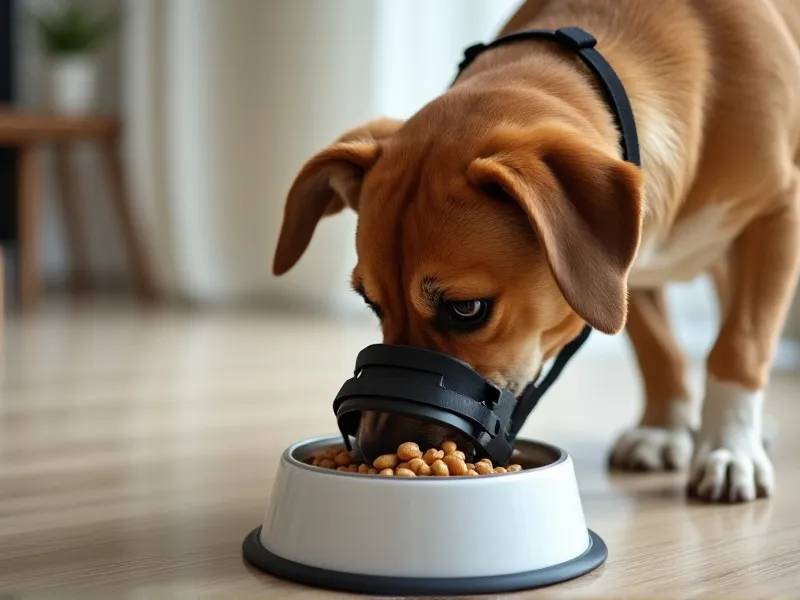
Table of Contents
- Can Dogs Safely Eat with a Muzzle On? The Short Answer
- Types of Muzzles: Which Ones Allow Eating?
- Potential Benefits of Muzzling During Meals
- Risks to Watch For: When Muzzles Become Dangerous
- Guidelines for Safe Muzzled Eating: Step-by-Step
- Training Your Dog to Eat with a Muzzle: No Stress, Just Treats
- Healthier Alternatives to Muzzling at Mealtime
- FAQ: Your Muzzled Eating Questions Answered
- Conclusion: Prioritize Comfort and Safety
Can Dogs Safely Eat with a Muzzle On? The Short Answer
Yes, but only with the right muzzle, proper fit, and supervision.
Not all muzzles are created equal. A well-fitted, basket-style muzzle (think wire, plastic, or rubber grids) allows dogs to open their mouths enough to pant, drink, and take small bites of food. However, tight-fitting muzzles (like nylon “grooming” muzzles) that clamp the mouth shut? Those make eating impossible—and dangerous.
The key is this: If a muzzle prevents your dog from opening their jaw to chew or swallow comfortably, they shouldn’t wear it during meals. Always prioritize their ability to eat safely over convenience.
Types of Muzzles: Which Ones Allow Eating?
Before you even think about feeding your dog with a muzzle on, you need the right tool. Here’s a breakdown of common muzzle types and whether they work for meals:
1. Basket Muzzles (Best for Eating)
Basket muzzles are the gold standard for dogs who need to wear a muzzle but still eat, drink, or pant. They’re made of wire, plastic, or rubber and form a “basket” around the snout, leaving space for the mouth to open.
Pros: Dogs can take small kibbles, treats, or soft food through the gaps. They allow panting (critical for regulating temperature) and drinking.
Cons: Bulkier than other muzzles; may not fit flat-faced breeds (like pugs or bulldogs) well.
Best for: Most dogs, especially those needing muzzles long-term (e.g., during training for aggression).
2. Soft Muzzles (Nylon/Mesh)
Soft muzzles are made of breathable fabric and fasten with Velcro or buckles. They’re lightweight and often used for short-term situations (e.g., grooming).
Pros: Comfortable for brief wear; less intimidating for skittish dogs.
Cons: Tighten around the snout, restricting jaw movement. Dogs cannot eat or drink with these on—they’re designed to prevent biting by keeping the mouth closed.
Best for: Short, supervised interactions (not meals).
3. Grooming Muzzles (Restrictive)
Similar to soft muzzles but even more constrictive, grooming muzzles are meant to temporarily stop a dog from nipping during baths or nail trims.
Pros: Quick to put on; affordable.
Cons: Completely block jaw movement. Eating, drinking, or even panting is nearly impossible.
Best for: 5–10 minute tasks only (never meals).
4. Custom-Fit Muzzles
For dogs with unique snout shapes (e.g., greyhounds, pugs, or brachycephalic breeds), custom muzzles (like those from companies like Baskerville or Dean & Tyler) are tailored to their face.
Pros: Perfect fit means better comfort and function; often designed to allow eating.
Cons: More expensive; require measuring your dog’s snout carefully.
Best for: Dogs with non-standard snout shapes or those who need muzzles regularly.
Bottom line: Only basket or custom-fit muzzles designed for eating should be used during meals. Soft or grooming muzzles are a no-go.
Potential Benefits of Muzzling During Meals
Muzzling at mealtime isn’t ideal, but there are rare situations where it might be necessary. Here are the potential benefits (with big asterisks—we’ll cover risks next!):
1. Safety in Multi-Pet Households
If you have a dog who guards food aggressively (growling, snapping, or lunging at other pets), a muzzle can create a temporary barrier to prevent fights during meals.
Example: Your rescue dog, Max, is still learning to share, and your cat keeps sneaking up to steal his kibble. A basket muzzle lets Max eat in peace without nipping the cat.
2. Post-Surgery or Medical Recovery
Some dogs need to wear muzzles to prevent licking wounds (e.g., after surgery) but still need to eat. A basket muzzle allows them to heal and get nutrients.
3. Preventing Scavenging During Outdoor Meals
If you feed your dog outside and they’re prone to grabbing sticks, rocks, or trash while eating, a muzzle can block access to dangerous items—while still letting them eat their food.
Important note: These benefits are temporary fixes, not long-term solutions. Muzzling shouldn’t replace training (e.g., teaching resource guarding skills) or addressing the root cause of the behavior.
Risks to Watch For: When Muzzles Become Dangerous
Even with a basket muzzle, there are risks to feeding your dog while muzzled. Stay vigilant for these red flags:
1. Choking or Blockages
If the muzzle is too tight or the food is too large, your dog may struggle to chew properly, leading to choking. Small kibbles or soft food are safer than big chunks (e.g., raw bones, large treats).
2. Stress and Anxiety
Many dogs associate muzzles with negative experiences (vet visits, scolding). Eating with a muzzle can turn mealtime into a stressful event, leading to:
- Refusing food (malnutrition over time).
- Panting excessively, pacing, or pawing at the muzzle.
- Gastrointestinal upset (stress-induced vomiting or diarrhea).
3. Inability to Pant
Dogs cool down by panting. If the muzzle restricts airflow (even a little), they could overheat—especially in warm weather or during active play after eating.
4. Malnutrition
If your dog struggles to eat enough with the muzzle on, they may lose weight or miss key nutrients. Monitor their food intake closely!
5. Muzzle-Related Injuries
A poorly fitted muzzle can rub raw spots on the snout, cause ear chafing, or even damage teeth if the dog tries to paw it off aggressively.
Guidelines for Safe Muzzled Eating: Step-by-Step
If you must feed your dog with a muzzle on, follow these rules to keep them safe:
1. Choose the Right Muzzle (and Size It Properly)
- Measure first: Use a soft tape measure to get your dog’s snout length (from nose tip to eyes) and circumference (around the widest part of the snout).
- Check fit: The muzzle should be loose enough for two fingers to fit between the strap and your dog’s skin. They should be able to open their mouth to pant and take small bites.
- Avoid “one-size-fits-all”: Brachycephalic breeds (pugs, boxers) need muzzles designed for flat faces (e.g., the Baskerville Ultra for short snouts).
2. Start with Small, Soft Food
Skip the hard kibble at first! Try wet food, mashed pumpkin, or softened kibble mixed with water. These are easier to eat through the muzzle’s gaps and less likely to cause choking.
3. Supervise Constantly
Never leave a muzzled dog alone with food. Watch for signs of struggle: pawing at the muzzle, gagging, coughing, or avoiding the bowl. If they seem distressed, remove the muzzle immediately.
4. Keep Meals Short
A muzzled meal should take no longer than 10–15 minutes. If your dog is taking longer, they’re probably struggling—adjust the food texture or muzzle fit.
5. Clean the Muzzle Afterward
Food residue can build up in the muzzle’s gaps, leading to bacteria growth or skin irritation. Wash it with mild soap and water after each use.
Training Your Dog to Eat with a Muzzle: No Stress, Just Treats
Most dogs hate muzzles at first—but with positive reinforcement, you can turn it into a neutral (or even happy!) experience. Here’s how to train them:
Step 1: Associate the Muzzle with Good Things
- Hold the muzzle near your dog’s face and reward them with a treat (no need to put it on yet). Repeat until they sniff or nudge the muzzle eagerly.
- Gradually touch the muzzle to their snout, then reward. Build up to placing it on their snout for 1 second, then 5 seconds, etc.—always rewarding calm behavior.
Step 2: Practice Wearing the Muzzle Empty
Once your dog is comfortable having the muzzle on, fasten it loosely and let them wear it for 30 seconds to 1 minute. Reward with treats through the muzzle (so they learn food comes while wearing it).
Step 3: Introduce Food in the Muzzle
Start with high-value treats (chicken, cheese) through the muzzle gaps. Once they’re eating treats easily, try small amounts of their regular food. Praise them heavily for eating calmly.
Step 4: Gradually Increase Duration
Work up to full meals, but stop if your dog shows stress (panting, lip-licking, avoiding food). Training can take days or weeks—go at their pace!
Healthier Alternatives to Muzzling at Mealtime
Muzzling should be a last resort. Try these alternatives first:
1. Train for Resource Guarding
If your dog guards food, work with a certified trainer to teach “drop it,” “leave it,” or desensitize them to other pets/people near their bowl. Apps like Zak George’s Dog Training Revolution or books like Mine! by Jean Donaldson can help.
2. Separate Meals
Feed dogs in separate rooms or crates to prevent conflict. Baby gates or exercise pens also work well for creating safe eating spaces.
3. Slow-Feeder Bowls
If your dog eats too fast (and muzzling is to slow them down), slow-feeder bowls with ridges or mazes force them to eat more slowly—no muzzle needed!
4. Puzzle Toys
For dogs who scavenge, stuff a Kong with food to keep them busy and focused on their own meal, not the environment.
5. Consult a Vet or Behaviorist
If muzzling is necessary due to aggression or medical issues, a professional can help you find a safer, more sustainable solution.
FAQ: Your Muzzled Eating Questions Answered
Q: Is it cruel to muzzle my dog during meals?
A: Muzzles are cruel only if used improperly. A well-fitted, basket muzzle that allows eating, drinking, and panting is a safety tool—not punishment. If your dog is stressed, refusing food, or in pain, it’s cruel to force them.
Q: How long can my dog wear a muzzle while eating?
A: Meals should take 10–15 minutes max. Never leave a muzzled dog unattended with food, and remove the muzzle immediately if they struggle.
Q: My dog won’t eat with a muzzle on. What should I do?
A: Go back to training! Start with treats, use softer food, and keep sessions short. If they still refuse, consult a vet to rule out medical issues (e.g., dental pain) or a trainer for behavior help.
Q: Can flat-faced dogs (pugs, bulldogs) eat with a muzzle on?
A: Yes, but they need a brachycephalic-specific muzzle (e.g., the Baskerville Ultra Short Snout). These are designed to fit their flat faces without restricting breathing.
Q: What if my dog chokes while eating with a muzzle?
A: Remove the muzzle immediately and perform the doggy Heimlich maneuver if needed (learn how here via AKC). Always have your vet’s number handy in emergencies.
Conclusion: Prioritize Comfort and Safety
Feeding your dog with a muzzle on is possible, but it’s not ideal. Always ask: Is this necessary? If the answer is yes (e.g., medical recovery, temporary safety), use a basket muzzle, train them gently, and monitor closely.
Remember: Muzzles are tools, not fixes. Invest time in training, separate meals if needed, and consult professionals to address the root cause of why muzzling feels necessary.
Your dog’s health and happiness depend on it. And when in doubt? Call your vet—they’re the best resource for your pup’s unique needs.
Sources:
- American Society for the Prevention of Cruelty to Animals (ASPCA): Muzzle Training
- International Association of Animal Behavior Consultants (IAABC): Resource Guarding
- American Veterinary Medical Association (AVMA): Muzzle Use in Dogs
- Baskerville Muzzles: Sizing Guide