· 8 min read
Can Dogs Eat Wing Bones? The Surprising Truth Every Pet Parent Needs to Know
It’s a familiar scene: You’re gathered around the dinner table, savoring a plate of golden, crispy chicken wings. Across the room, your dog sits, tail thumping a rapid rhythm against the floor, eyes locked on the bone in your hand. “Just a little taste won’t hurt, right?” you think. After all, dogs love bones—they’re practically a symbol of canine joy. But before you toss that wing bone to your pup, there’s a critical question to answer: Can dogs eat wing bones safely?
As a pet parent, your dog’s health is your top priority. In this guide, we’ll cut through the myths, break down the risks, and share expert insights to help you keep your furry friend happy and healthy. Let’s dive in.
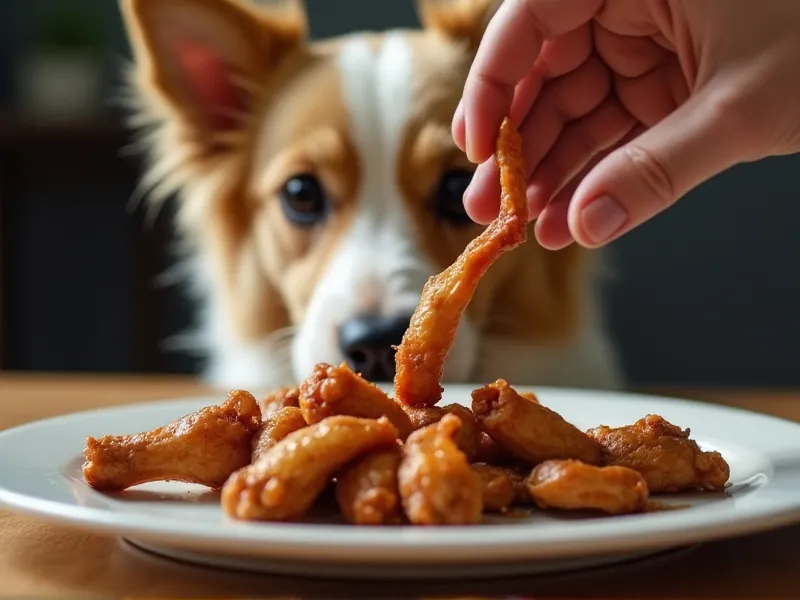
Table of Contents
- Can Dogs Eat Wing Bones? The Short Answer
- The Hidden Dangers of Wing Bones for Dogs
- Choking Hazards: A Life-Threatening Risk
- Splintering: Sharp Edges That Tear Internal Tissues
- Intestinal Blockages: When Bones Get Stuck
- Stomach Upset and Inflammation
- Potential “Benefits” of Wing Bones—And Why They’re Not Worth the Risk
- What to Do If Your Dog Accidentally Eats a Wing Bone
- Healthier Alternatives to Wing Bones
- FAQ: Your Wing Bone Questions Answered
- Conclusion: Prioritizing Your Dog’s Safety
Can Dogs Eat Wing Bones? The Short Answer
No, dogs should not eat wing bones—cooked or raw.
While it’s true that dogs are descendants of wolves (who do eat bones in the wild), domesticated dogs have different digestive systems and nutritional needs. Wing bones—especially cooked ones—pose serious risks, from choking to life-threatening internal injuries. Even raw wing bones, often touted as “safer,” come with hidden dangers.
To put it simply: The risks of feeding wing bones far outweigh any perceived benefits. Let’s unpack why.
The Hidden Dangers of Wing Bones for Dogs
Wing bones might look harmless, but they’re deceptively dangerous. Here’s why they top the list of “foods to avoid” for dogs:
1. Choking Hazards: A Split-Second Emergency
Wing bones are small, lightweight, and irregularly shaped—perfect for getting lodged in a dog’s throat. Unlike larger bones (e.g., beef marrow bones), wing bones can easily slip into your dog’s airway, blocking breathing. This is especially risky for small breeds, puppies, or dogs who “wolf” down food without chewing.
Signs of choking include:
- Pawing at the mouth
- Gagging or retching
- Difficulty breathing
- Blue-tinged gums (a sign of oxygen deprivation)
If your dog is choking, act fast: Contact your vet immediately or rush to the nearest emergency clinic.
2. Splintering: Sharp Shards That Tear Internal Tissues
Cooked wing bones are the most dangerous here. When bones are cooked, they lose moisture and become brittle—think of a dry, crumbly cracker versus a fresh one. Biting down on a cooked wing bone can cause it to shatter into tiny, needle-like splinters.
These splinters can:
- Tear the mouth, tongue, or gums (causing pain and bleeding).
- Puncture the esophagus, stomach, or intestines (leading to infections like peritonitis, which is life-threatening).
- Scrape the digestive tract, causing ulcers or internal bleeding.
Even raw wing bones, while less brittle, can still splinter if your dog chews aggressively. There’s no “safe” way to prepare a wing bone to eliminate this risk.
3. Intestinal Blockages: When Bones Get Stuck
Wing bones are small enough to be swallowed whole (or in large chunks) but rigid enough to get stuck in the digestive tract. A blockage can occur in the esophagus, stomach, or intestines, preventing food and waste from passing through.
Symptoms of a blockage include:
- Vomiting (especially after eating)
- Loss of appetite
- Lethargy
- Abdominal pain (your dog may whine or avoid being touched)
- Constipation or diarrhea (sometimes with blood)
Intestinal blockages are a medical emergency. Without treatment, they can lead to tissue death, sepsis, or even death within hours or days.
4. Stomach Upset: From Irritation to Infection
Even if a wing bone doesn’t splinter or block, it can irritate your dog’s stomach. The rough edges can cause inflammation, leading to vomiting, diarrhea, or discomfort. In severe cases, bacteria from the bone (like Salmonella) can trigger infections, especially in dogs with weak immune systems (e.g., puppies, seniors, or those with chronic illnesses).
Potential “Benefits” of Wing Bones—And Why They’re Not Worth the Risk
You might have heard claims that wing bones are a “natural” source of nutrients like calcium, phosphorus, or fiber. Let’s set the record straight:
- Calcium/Phosphorus: While bones do contain these minerals, dogs get all the calcium and phosphorus they need from a balanced commercial diet. Excess calcium can even harm dogs, leading to skeletal issues (like hip dysplasia in large breeds) or kidney stones.
- Fiber: Bones are not a source of fiber. Fiber comes from plant-based foods like vegetables or whole grains, which are far safer for your dog.
- Dental Health: Some people think bones “clean teeth,” but the risk of broken teeth or gum damage from wing bones far outweighs any minor plaque-scraping benefits.
The bottom line: Any “benefits” of wing bones are minimal and easily replaced with safer alternatives (more on that later!).
Guidelines: If Your Dog Accidentally Eats a Wing Bone
Mistakes happen. If your dog snatches a wing bone off the floor before you can stop them, here’s what to do:
1. Stay Calm (and Don’t Panic)
Your dog can sense stress, and panicking won’t help. Most dogs who eat small bone fragments pass them without issue, but it’s always better to be cautious.
2. Call Your Veterinarian Immediately
Even if your dog seems fine, contact your vet. They’ll ask:
- The size of the bone (e.g., “a small wing tip” vs. “the entire drumette bone”).
- How long ago your dog ate it.
- Your dog’s size, age, and health status.
Your vet may recommend monitoring at home for symptoms (like vomiting or lethargy) or bringing your dog in for an exam. Never induce vomiting without your vet’s approval—this can worsen damage if the bone is sharp.
3. Monitor for Symptoms
Over the next 24–48 hours, watch for signs of trouble: choking, vomiting, diarrhea, lethargy, or loss of appetite. If any of these occur, head to the vet right away.
Healthier Alternatives to Wing Bones
You don’t have to deny your dog a tasty treat—just swap wing bones for these safe, vet-approved options:
1. Raw Meaty Bones (With Vet Approval)
If your dog loves the act of chewing, raw meaty bones (like chicken necks or turkey necks) may be an option—but only under strict supervision and with your vet’s go-ahead. These bones are softer, more flexible, and less likely to splinter.
Rules for raw bones:
- Choose bones larger than your dog’s mouth (to prevent choking).
- Avoid weight-bearing bones (like beef femurs), which are too hard and can crack teeth.
- Supervise your dog the entire time—take the bone away if they start breaking off chunks.
2. Dental Chews (Look for the VOHC Seal)
Dental chews like Greenies or Pedigree Dentastix are designed to scrape plaque and tartar while satisfying your dog’s urge to chew. Opt for products with the Veterinary Oral Health Council (VOHC) seal, which means they’ve been proven to reduce tartar buildup.
3. Crunchy Vegetables
Carrots, celery, or cucumber slices are low-calorie, high-fiber, and safe for most dogs. They’re great for teething puppies or dogs watching their weight!
4. Freeze-Dried or Dehydrated Treats
Freeze-dried chicken breast or liver treats are packed with protein and easy to digest. Just check the label for added sugars or preservatives—stick to single-ingredient options.
5. Homemade Bone Broth (Sans Bones)
Simmer chicken or beef bones (with meat) in water for hours to make nutrient-rich broth, then strain out the bones. Serve the broth warm (in moderation) as a tasty topper for kibble.
FAQ: Your Most Pressing Wing Bone Questions Answered
Q: My dog ate a wing bone hours ago and seems fine—should I still worry?
A: Yes. Symptoms of blockages or internal damage can take 24–48 hours to appear. Call your vet to be safe—they may want to X-ray your dog to check for stuck bones.
Q: Are raw wing bones safer than cooked ones?
A: Raw bones are less likely to splinter, but they’re not risk-free. They can still cause choking, blockages, or bacterial infections (like Salmonella). Always consult your vet before feeding raw bones.
Q: Can puppies eat wing bones?
A: No. Puppies have smaller airways, weaker jaws, and developing digestive systems, making them more prone to choking or blockages. Stick to puppy-safe treats like soft chews or mashed sweet potato.
Q: What if my dog only chews the meat off the wing and leaves the bone?
A: Even the meat can be problematic if it’s heavily seasoned (e.g., with garlic, onion, or salt, which are toxic to dogs). Plain, unseasoned chicken meat is safe in moderation—but always remove the bone first!
Q: Are beef bones or pork bones safer than chicken wing bones?
A: Not necessarily. Large bones (like beef ribs) can break teeth, while small bones (like pork ribs) can splinter or cause blockages. The safest rule: Avoid giving your dog any cooked bones.
Conclusion: Prioritize Safety, Not Tradition
Dogs and bones may seem like a match made in heaven, but wing bones are a risky exception. The potential for choking, splintering, or internal damage far outweighs any fleeting “benefit.” Instead of gambling with your dog’s health, opt for the safer alternatives we’ve shared—your pup will love them just as much (and you’ll sleep better at night).
If your dog accidentally eats a wing bone, stay calm, call your vet, and monitor for symptoms. And remember: When it comes to treats, when in doubt, ask your vet. They know your dog’s unique needs and can recommend the best options for their health.
Here’s to many happy, healthy years with your favorite wing-loving (bone-free!) companion. 🐾
References
- American Veterinary Medical Association (AVMA). “Feeding Your Dog: Bones, Raw Food, and Other Risky Treats.” avma.org
- American Society for the Prevention of Cruelty to Animals (ASPCA). “People Foods to Avoid Feeding Your Pets.” aspca.org
- Coates, J. (2021). “Can Dogs Eat Bones?” PetMD. petmd.com
- BluePearl Pet Hospital. “The Dangers of Dogs Eating Bones.” bluepearlvet.com