· 9 min read
Can Dogs Eat Wild Onions? What Pet Parents Need to Know
Picture this: You’re strolling through a sunlit park with your pup, their tail wagging as they sniff every blade of grass. Suddenly, they pause, nose twitching, and lean down to munch on a cluster of slender, green plants. Your heart skips a beat—are those wild onions? As a pet parent, it’s natural to wonder if these common backyard finds are safe for your furry friend. After all, dogs are curious creatures, and their love for exploring (and tasting!) the world around them can sometimes land them in trouble.
In this post, we’ll unpack everything you need to know about wild onions and your dog’s health: Are they safe? What makes them dangerous? And what should you do if your dog takes a bite? Let’s dive in.
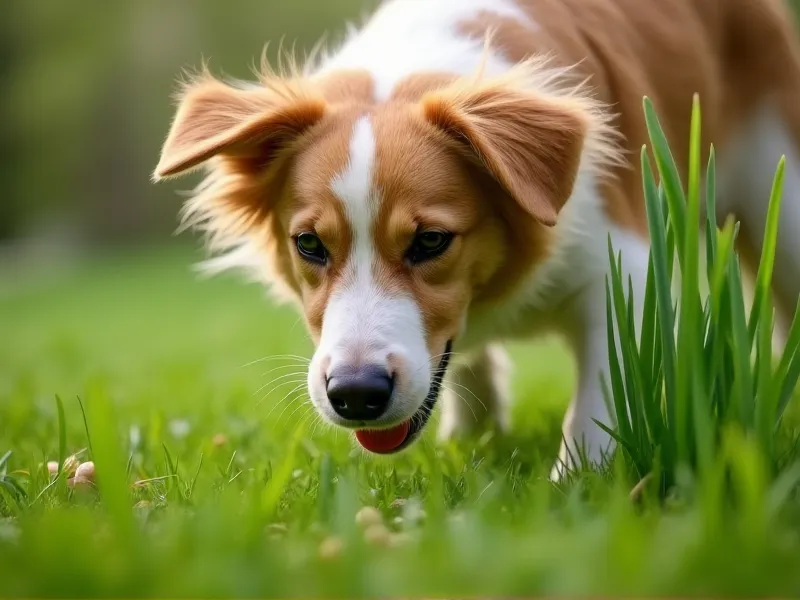
Table of Contents
- Can Dogs Eat Wild Onions? The Short Answer
- What Are Wild Onions, Anyway?
- The Hidden Danger: Why Wild Onions Are Toxic to Dogs
- Symptoms of Wild Onion Poisoning in Dogs
- Do Wild Onions Offer Any Benefits to Dogs? Spoiler: No
- How Much Wild Onion Is “Safe”? Hint: None
- What to Do If Your Dog Eats Wild Onions
- Healthier Alternatives to Wild Onions
- FAQ: Your Wild Onion Questions Answered
- Final Thoughts: Keep Your Pup Safe and Happy
Can Dogs Eat Wild Onions? The Short Answer
No. Wild onions are toxic to dogs, and there is no “safe” amount to feed them. Even a small bite can lead to serious health problems, including life-threatening anemia. Unlike some human foods that are safe in moderation, wild onions (and all members of the Allium family, including onions, garlic, leeks, and chives) pose a significant risk to your dog’s health.
What Are Wild Onions, Anyway?
Before we dive into the risks, let’s make sure we’re all on the same page about what wild onions are. Wild onions (Allium canadense) are perennial plants that grow in yards, fields, forests, and even urban green spaces across North America. They’re often considered weeds, but their slender, hollow leaves and pungent, onion-like smell make them easy to identify—if you know what to look for.
Key features of wild onions:
- Long, thin, hollow leaves (similar to grass but with a distinct onion scent when crushed).
- Small, white or pink flowers that bloom in clusters (typically in spring or summer).
- A bulbous root system that smells strongly of onions when dug up.
Pro tip: If you’re unsure if a plant is a wild onion, crush a leaf and smell it. A strong onion or garlic odor is a dead giveaway. But be cautious—some toxic plants (like lily of the valley or death camas) look similar, so when in doubt, keep your dog away!
The Hidden Danger: Why Wild Onions Are Toxic to Dogs
Wild onions belong to the Allium family, a group of plants known to contain harmful compounds for dogs. The primary culprit is N-propyl disulfide, a sulfur-based compound that damages red blood cells, preventing them from carrying oxygen throughout the body. This condition is called hemolytic anemia, and it can be fatal if left untreated.
How does this happen?
When a dog eats wild onions, N-propyl disulfide triggers a reaction that causes red blood cells to rupture (a process called “heinz body formation”). Over time, the body can’t replace these cells fast enough, leading to a dangerous drop in oxygen levels. Even small amounts can accumulate in your dog’s system, making wild onions a risk even if your pup only snags a few leaves.
Are all onions toxic?
Yes! This includes:
- Wild onions and wild garlic
- Store-bought yellow, red, or white onions
- Onion powder (often hidden in processed foods like soups or snacks)
- Garlic, leeks, and chives
Wild onions are no less toxic than their cultivated counterparts—in fact, their strong flavor and easy availability in outdoor spaces make them a common culprit for accidental ingestion.
Symptoms of Wild Onion Poisoning in Dogs
One of the scariest things about wild onion poisoning is that symptoms may not appear right away. It can take 24–72 hours for signs to show, by which time damage to red blood cells may already be severe. That’s why it’s critical to act fast if you suspect your dog has eaten wild onions.
Common symptoms to watch for:
- Vomiting or diarrhea (may contain blood)
- Lethargy or weakness (your dog may seem “off” or unwilling to play)
- Pale or yellowish gums (a sign of anemia)
- Rapid breathing or panting (as the body struggles to get oxygen)
- Dark, discolored urine (from broken red blood cells)
- Loss of appetite
- Jaundice (yellowing of the skin, eyes, or gums)
If you notice any of these symptoms—especially pale gums or dark urine—contact your vet or an emergency animal hospital immediately.
Do Wild Onions Offer Any Benefits to Dogs? Spoiler: No
You might be thinking, “But onions are a vegetable—don’t they have vitamins or fiber?” While it’s true that some veggies are packed with nutrients dogs need (like carrots or sweet potatoes), wild onions are not among them. The risks of toxicity far outweigh any potential “benefits,” and there’s no nutritional value in wild onions that can’t be found in safer, dog-friendly foods.
For example:
- Fiber: Carrots or green beans offer fiber to support digestion without the risk.
- Potassium: Sweet potatoes are a great source of potassium, plus vitamins A and C.
- Antioxidants: Blueberries (in moderation!) provide antioxidants to boost immune health.
In short: Wild onions don’t offer your dog anything they can’t get from safer snacks. There’s simply no reason to take the risk.
How Much Wild Onion Is “Safe”? Hint: None
Unlike some human foods (like plain cooked chicken or apples) that are safe in moderation, no amount of wild onion is considered safe for dogs. Even a small quantity—like a few leaves or a tiny bulb—can cause toxicity, especially in small dogs, puppies, or dogs with pre-existing health conditions (like anemia or liver disease).
To put it in perspective: The Pet Poison Helpline notes that as little as 5 grams of onion per kilogram of body weight can cause toxic effects. For a 10-pound dog (about 4.5 kg), that’s just 22 grams—roughly the weight of a few wild onion leaves. Larger dogs may tolerate slightly more, but there’s no “safe” threshold, and every dog reacts differently.
What to Do If Your Dog Ate Wild Onions
If you catch your dog munching on wild onions—or suspect they did—don’t panic, but act quickly. Here’s what to do:
Step 1: Remove your dog from the area
Prevent them from eating more by leashing them or moving them indoors.
Step 2: Check for evidence
Note how much your dog ate (if you saw it) and save a sample of the plant (if possible) to show your vet. This helps them identify the toxin and treat accordingly.
Step 3: Contact your vet or a poison control hotline
Call your regular vet immediately. If it’s after hours, reach out to an emergency animal hospital or a pet poison hotline:
- ASPCA Animal Poison Control Center: (888) 426-4435 (fee applies)
- Pet Poison Helpline: (855) 764-7661 (fee applies)
Step 4: Follow professional guidance
Do NOT induce vomiting unless your vet tells you to—some toxins can damage the esophagus if regurgitated. Your vet may recommend blood tests to check for anemia, IV fluids to support organ function, or other treatments depending on the severity.
Healthier Alternatives to Wild Onions
Want to treat your dog to a crunchy, nutrient-packed snack? Skip the wild onions and opt for these safe, delicious alternatives:
1. Carrots
Low in calories, high in fiber and vitamin A (great for eye health). Raw or cooked, they’re a favorite for dogs of all sizes.
2. Green Beans
Crunchy and full of fiber, green beans help keep your dog full without extra calories. Serve them steamed or raw (trimmed to avoid choking).
3. Sweet Potatoes
Rich in potassium, vitamins A and C, and fiber. Bake or boil them (no added salt or butter!) for a tasty, chewy treat.
4. Cucumber
Hydrating and low in calories, cucumber is perfect for hot days. Remove the seeds and slice into bite-sized pieces.
5. Blueberries
A sweet, antioxidant-rich snack (in moderation—too many can cause stomach upset). Great for training or as a frozen treat in summer.
FAQ: Your Wild Onion Questions Answered
Q: My dog ate a tiny bite of wild onion—should I worry?
A: Yes. Even small amounts can cause toxicity, especially in small dogs. Contact your vet immediately to be safe.
Q: How can I tell if a plant in my yard is a wild onion?
A: Crush a leaf and smell it—wild onions have a strong, onion-like scent. They also have hollow leaves and bulbous roots. When in doubt, err on the side of caution and keep your dog away.
Q: Are wild onions toxic to cats, too?
A: Yes! Cats are equally (if not more) sensitive to Allium toxicity. Keep all onions, garlic, and wild varieties away from cats as well.
Q: What if my dog eats onion powder from my pantry?
A: Onion powder is highly concentrated and can be toxic even in small amounts. Contact your vet right away if your dog gets into it.
Q: How can I prevent my dog from eating wild onions?
A: Keep your dog on a leash during walks, train the “leave it” command, and regularly check your yard for wild onion growth (pull them up, but wear gloves—they can spread via bulbs!).
Final Thoughts: Keep Your Pup Safe and Happy
At the end of the day, our dogs rely on us to keep them safe—especially when it comes to exploring the great outdoors. Wild onions may seem harmless, but their hidden toxicity makes them a risk we can’t afford to take. By knowing the signs of poisoning, keeping a close eye on your pup during walks, and offering safe, nutrient-packed alternatives, you can help ensure your furry friend stays healthy and happy.
Remember: When in doubt, always consult your vet. They’re your best resource for personalized advice, especially if you suspect your dog has eaten something toxic.
Here’s to many more safe, onion-free adventures with your pup!
References
- American Society for the Prevention of Cruelty to Animals (ASPCA). “Onions.” aspca.org/pet-care/animal-poison-control/toxic-and-non-toxic-plants/onions
- Pet Poison Helpline. “Onion (Allium cepa).” petpoisonhelpline.com/poison/onion/
- VCA Hospitals. “Onion and Garlic Poisoning in Dogs.” vcahospitals.com/know-your-pet/onion-and-garlic-poisoning-in-dogs
- The Spruce Pets. “How to Identify Wild Onions.” thesprucepets.com/identify-wild-onions-5116368