· 8 min read
Can Dogs Eat Whole Grain Pasta? A Pet Parent’s Guide to Safe, Savory Treats
It’s a cozy Sunday evening, and you’re twirling a forkful of whole grain pasta, savoring the nutty, earthy flavor. Out of the corner of your eye, you spot those big, soulful eyes—your dog, tail thumping gently against the floor, as if asking, “Can I join the feast?” If you’ve ever found yourself in this scenario, you’re not alone. Many pet parents wonder if sharing human foods like whole grain pasta is safe for their furry friends. After all, whole grains are often touted as a healthy choice for humans—so could they be a tasty, occasional treat for dogs too?
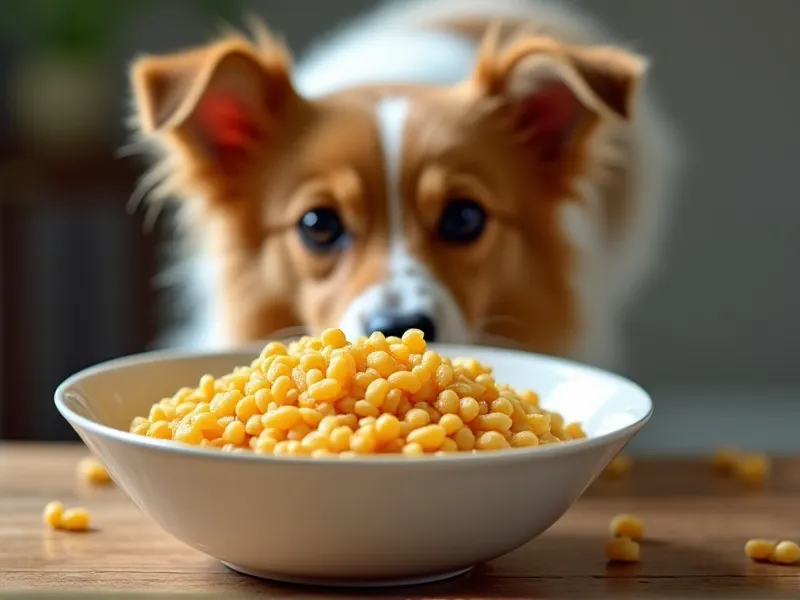
Table of Contents
- Can Dogs Eat Whole Grain Pasta? The Short Answer
- The Benefits of Whole Grain Pasta for Dogs
- The Risks: When Pasta Might Not Be Pup-Friendly
- How Much Whole Grain Pasta Can Dogs Eat? Guidelines by Size
- Healthier Alternatives to Whole Grain Pasta
- FAQ: Your Top Questions Answered
- Conclusion: Pasta as a Treat, Not a Staple
- References
Can Dogs Eat Whole Grain Pasta? The Short Answer
Yes, dogs can eat whole grain pasta—but only in moderation, and with important caveats. Unlike white pasta, which is refined and stripped of most nutrients, whole grain pasta retains the bran and germ of the grain, making it more nutrient-dense. However, it should never replace your dog’s balanced, species-appropriate dog food. Think of it as an occasional “human food treat,” not a regular meal.
The key here is plain whole grain pasta. Avoid adding sauces, seasonings, cheese, garlic, onions, or other toppings—many of these can be toxic or harmful to dogs. Cooked, unseasoned, and served in small portions, whole grain pasta can be a safe, satisfying snack for most healthy dogs.
The Benefits of Whole Grain Pasta for Dogs
Whole grain pasta isn’t just “empty calories”—when prepared properly, it offers some nutritional perks for your pup. Let’s break down the benefits:
1. Fiber: A Friend to Digestion
Whole grains (like wheat, brown rice, or quinoa, if used in pasta) are rich in dietary fiber. Fiber plays a crucial role in your dog’s digestive health by:
- Regulating bowel movements: Prevents constipation and keeps stools regular.
- Supporting gut health: Feeds beneficial gut bacteria, which aids overall digestion and immunity.
- Stabilizing blood sugar: Slows the absorption of glucose, which is especially helpful for dogs with diabetes (though always consult your vet first).
A small serving of whole grain pasta can add a gentle boost of fiber to your dog’s diet—just don’t overdo it (more on that later!).
2. Essential Nutrients: B Vitamins, Iron, and Potassium
Whole grains are packed with vitamins and minerals that support your dog’s overall health:
- B Vitamins (Thiamine, Riboflavin, Niacin): These help convert food into energy, support brain function, and maintain healthy skin and coat.
- Iron: Important for red blood cell production and oxygen transport in the body.
- Potassium: Regulates muscle and nerve function, maintains healthy blood pressure, and supports heart health.
While your dog’s regular food should already provide these nutrients, a tiny portion of whole grain pasta can act as a “nutrient boost” on occasion.
3. A Source of Slow-Burning Energy
Whole grains are complex carbohydrates, meaning they’re digested slowly. This provides a steady release of energy, unlike refined carbs (like white pasta), which can cause blood sugar spikes and crashes. For active dogs, a small serving might even give them a little extra pep for playtime—though again, treats shouldn’t make up more than 10% of their daily calories.
The Risks: When Pasta Might Not Be Pup-Friendly
While whole grain pasta can be safe, it’s not without risks—especially if served improperly or in excess. Here’s what to watch out for:
1. Toxic Toppings: Sauces, Garlic, and Onion Are a No-Go
The biggest danger with pasta isn’t the pasta itself—it’s what you put on it. Many common pasta sauces contain ingredients that are toxic to dogs:
- Garlic and onions: These belong to the allium family and can damage a dog’s red blood cells, leading to anemia. Even small amounts can be harmful over time.
- Tomato sauce: While ripe tomatoes are safe, some sauces are high in salt, sugar, or artificial preservatives. Excess salt can cause sodium ion poisoning, leading to vomiting, diarrhea, or even seizures.
- Cheese or butter: High in fat, these can trigger pancreatitis (a painful, potentially life-threatening condition) in dogs, especially those prone to it.
Rule of thumb: Always serve pasta plain—no sauces, seasonings, or toppings.
2. Too Much Fiber: Digestive Upset (Bloating, Diarrhea, or Constipation)
While fiber is good for digestion, too much can backfire. Whole grain pasta is higher in fiber than white pasta, and sudden increases in fiber can upset your dog’s stomach. Symptoms might include:
- Bloating or gas
- Loose stools or diarrhea
- Constipation (if they’re not drinking enough water with the pasta)
This is especially true for dogs with sensitive tummies or conditions like inflammatory bowel disease (IBD). Start with tiny portions to test tolerance.
3. Choking Hazards: Long Noodles and Uncooked Pasta
Uncooked pasta is hard and dry, making it a choking risk—especially for small dogs. Even cooked pasta can be problematic if served in long, uncut strands. A dog might try to gulp down a long noodle, leading to choking or a blockage in the throat or intestines.
Fix: Break cooked pasta into small, bite-sized pieces before serving.
4. Empty Calories: Overfeeding Leads to Obesity
While whole grain pasta has more nutrients than white pasta, it’s still a carbohydrate-dense food. If you overfeed, those extra calories can add up quickly, leading to weight gain and obesity. Obesity in dogs increases the risk of diabetes, joint pain, and heart disease.
Remember: Treats (including pasta) should make up no more than 10% of your dog’s daily caloric intake. For example, a 30-pound dog eating 600 calories a day should have no more than 60 calories from treats—about 2-3 tablespoons of plain whole grain pasta.
How Much Whole Grain Pasta Can Dogs Eat? Guidelines by Size
The “right” amount of pasta depends on your dog’s size, age, and activity level. Here’s a general guide for occasional treats (once a week or less):
| Dog Size | Weight Range | Recommended Portion (Cooked, Plain) |
|---|---|---|
| Small | 10–20 lbs | 1–2 tablespoons |
| Medium | 30–50 lbs | 2–3 tablespoons |
| Large | 60+ lbs | ¼ cup (4 tablespoons) |
Pro tips:
- Always cook the pasta thoroughly (al dente is fine—no need for mushy!). Uncooked pasta is harder to digest and a choking hazard.
- Avoid adding salt, oil, or butter. Plain water is the only “seasoning” needed.
- Serve it as a standalone treat or mix a tiny bit into their regular food for extra flavor (but don’t overdo it!).
Healthier Alternatives to Whole Grain Pasta
If you want to spoil your dog with a nutrient-dense treat, consider these alternatives to whole grain pasta—they’re often easier to digest and packed with more vitamins:
1. Quinoa: A Protein-Packed Powerhouse
Quinoa is a “complete protein,” meaning it contains all nine essential amino acids dogs need. It’s also gluten-free, high in fiber, and rich in iron and magnesium. Cooked, plain quinoa makes a great occasional treat—plus, it’s gentler on sensitive stomachs than wheat-based pasta.
2. Brown Rice: Gentle on the Tummy
Brown rice is a staple in many high-quality dog foods for a reason: it’s easy to digest, rich in fiber, and contains B vitamins and manganese (supports bone health). Cooked brown rice is a safe, calming treat for dogs with upset stomachs (vets often recommend it for diarrhea!).
3. Sweet Potatoes: Fiber and Antioxidants Galore
Sweet potatoes are a dog favorite! They’re loaded with fiber, beta-carotene (which converts to vitamin A for eye and skin health), and potassium. Bake or boil them plain, mash them, or cut them into chew-sized pieces for a crunchy snack. Just avoid adding sugar or butter.
4. Oatmeal: A Soothing, Nutritious Option
Cooked, plain oatmeal is another great choice. It’s high in fiber (supports digestion) and contains iron, zinc, and omega-6 fatty acids (for a shiny coat). It’s also gluten-free (if labeled “gluten-free oats”) and safe for dogs with wheat allergies.
FAQ: Your Top Questions Answered
Q: Can puppies eat whole grain pasta?
A: Puppies can try small amounts of plain, cooked whole grain pasta, but their tummies are more sensitive. Stick to 1–2 teaspoons for small breeds (like Chihuahuas) and monitor for digestive upset. Always prioritize their puppy food, which is formulated for growth.
Q: Is gluten-free pasta safer for dogs?
A: Most dogs don’t need gluten-free food—gluten allergies are rare in dogs. However, if your dog has a diagnosed wheat allergy or intolerance, gluten-free pasta (made with rice, quinoa, or chickpeas) is a better choice. Always check the label for added sugars or seasonings.
Q: What if my dog ate pasta with garlic or onion sauce?
A: Contact your vet immediately. Garlic and onions are toxic, and symptoms (like lethargy, weakness, or pale gums) can take days to appear. The sooner you seek help, the better the outcome.
Q: How often can I feed my dog whole grain pasta?
A: Think of it as a “sometimes” treat—once a week at most. Overfeeding can lead to weight gain or digestive issues.
Conclusion: Pasta as a Treat, Not a Staple
So, can dogs eat whole grain pasta? Yes—with caution. Plain, cooked, and served in small portions, it can be a safe, occasional treat that adds a little variety to your dog’s diet. But remember: it’s no substitute for a balanced dog food formulated to meet their unique nutritional needs.
When in doubt, consult your vet—especially if your dog has health conditions like diabetes, IBD, or food allergies. They can help you decide if whole grain pasta (or alternatives like sweet potatoes or quinoa) is right for your pup.
At the end of the day, the best treat for your dog is your love and attention. But if you do share a tiny bite of pasta now and then? Those soulful eyes will thank you.
References
- American Kennel Club (AKC). “Can Dogs Eat Pasta?” akc.org
- PetMD. “Human Foods Dogs Can and Can’t Eat.” petmd.com
- American College of Veterinary Nutrition (ACVN). “Nutrition for Dogs.” acvn.org
- VCA Hospitals. “Toxic Foods for Dogs.” vcahospitals.com