· 10 min read
Can Dogs Eat White Meat Turkey? A Pet Parent’s Guide to Safe & Tasty Treats
It’s Thanksgiving, and as you carve into that golden-brown turkey, your dog is parked at your feet, tail thumping a rapid rhythm. Their eyes are wide, nose twitching, and you can almost hear the silent plea: “Please, just one bite?” If you’ve ever wondered whether sharing white meat turkey with your pup is safe, you’re not alone. After all, turkey is a staple in many human meals—from holiday feasts to weekday salads—and it’s often marketed as a “healthy” protein. But what’s good for us isn’t always good for our four-legged friends.
In this guide, we’ll break down everything you need to know about feeding white meat turkey to dogs: the benefits, the risks, how much to serve, and even healthier alternatives. By the end, you’ll have the facts to decide whether that turkey scrap is a safe snack or better left on your plate.
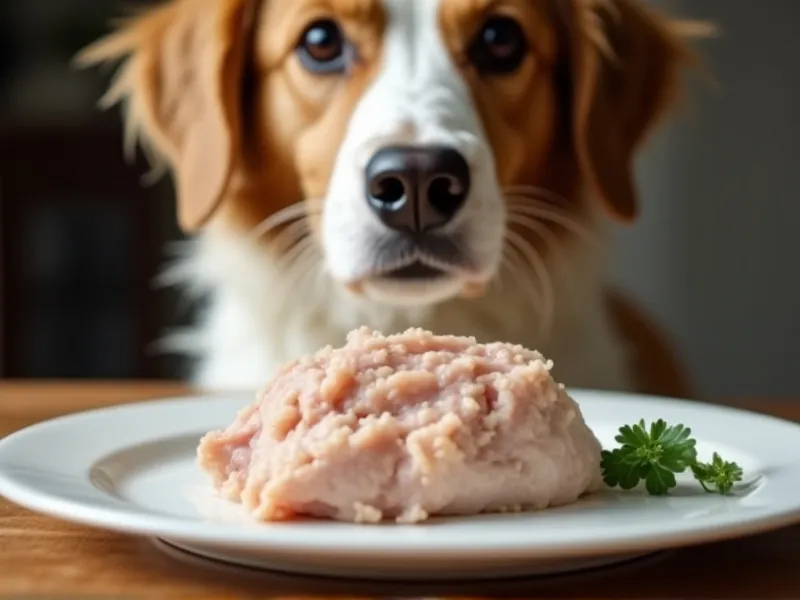
Table of Contents
- Can Dogs Eat White Meat Turkey? The Short Answer
- The Benefits of White Meat Turkey for Dogs
- The Risks: What Pet Parents Need to Watch For
- How Much White Meat Turkey Can Dogs Safely Eat?
- Healthier Alternatives to White Meat Turkey
- FAQ: Your Turkey-Related Questions Answered
- Conclusion: Moderation is Key
Can Dogs Eat White Meat Turkey? The Short Answer
Yes, dogs can safely eat plain, unseasoned white meat turkey—in moderation. White meat (from the breast) is lean, low in fat, and packed with nutrients that can benefit your dog’s health, making it a better choice than fatty dark meat (like thighs or drumsticks). However, there are critical caveats: the turkey must be cooked, unseasoned, and free of bones, skin, or added ingredients like garlic, onion, or salt.
Think of white meat turkey as a “sometimes treat,” not a replacement for your dog’s balanced kibble or wet food. With the right preparation, it can be a tasty, protein-rich snack. But skip the gravy, stuffing, or seasoned leftovers—those can spell trouble for your pup.
The Benefits of White Meat Turkey for Dogs
When served properly, white meat turkey offers several health perks for dogs. Let’s dive into the key nutrients and how they support your pup’s well-being:
1. Lean Protein: Building Blocks for a Healthy Body
Protein is essential for dogs—it supports muscle growth, repairs tissues, and keeps their coat shiny and skin healthy. White meat turkey is a high-quality, complete protein, meaning it contains all the essential amino acids your dog needs (amino acids are the “building blocks” of protein that their body can’t make on its own).
According to the American Kennel Club (AKC), protein should make up 18-22% of an adult dog’s diet (and even more for puppies and active breeds). While your dog’s regular food should already meet this need, a small serving of turkey can boost their protein intake without adding excess fat.
2. B Vitamins: Energy & Brain Health
Turkey is rich in B vitamins, including B6, B12, and niacin (B3). These vitamins play a starring role in your dog’s metabolism, helping convert food into energy. B12, in particular, supports nerve function and brain health, while niacin aids in digestion and skin health. A deficiency in B vitamins can lead to fatigue, poor coat quality, or even neurological issues—so a little turkey can give your pup’s B-vitamin levels a helpful nudge.
3. Selenium: A Powerful Antioxidant
Selenium is a mineral that acts as an antioxidant, protecting your dog’s cells from damage caused by free radicals (unstable molecules linked to aging and disease). It also supports thyroid function, which regulates metabolism, and helps boost the immune system. Turkey is one of the best dietary sources of selenium for dogs, with a 3-ounce serving providing about 20% of the recommended daily intake for an average-sized dog (per the National Research Council).
4. Potassium: Heart & Muscle Support
Potassium is an electrolyte that helps regulate your dog’s heart rate, muscle contractions, and fluid balance. It’s especially important for active dogs, as it aids in recovery after exercise. White meat turkey contains potassium in moderate amounts, making it a heart-healthy addition to your pup’s treat rotation (again, in small portions!).
The Risks: What Pet Parents Need to Watch For
While white meat turkey can be a healthy treat, it’s not without risks—especially if prepared incorrectly or overfed. Here’s what to avoid:
1. Seasonings: Garlic, Onion, and Salt Are Toxic
The biggest danger with turkey (for dogs) isn’t the meat itself—it’s what’s on the meat. Many human recipes for turkey include seasonings like garlic, onion, salt, or herbs (like sage), which can be toxic to dogs.
- Onion and garlic: These belong to the allium family, and even small amounts can damage a dog’s red blood cells, leading to anemia. Symptoms include weakness, vomiting, and pale gums. The ASPCA explicitly lists onions and garlic as toxic to dogs, regardless of form (raw, cooked, powdered, or dehydrated).
- Salt: Too much salt can cause sodium ion poisoning in dogs, leading to vomiting, diarrhea, seizures, or even death. A single serving of heavily salted turkey could push your dog over their daily sodium limit (which is much lower than ours—about 100mg per pound of body weight, per the Merck Veterinary Manual).
- Sage: While small amounts of fresh sage are unlikely to harm dogs, large doses can cause stomach upset or neurological issues like tremors.
2. Bones: A Choking Hazard & Intestinal Risk
Turkey bones—even small ones—are a major no-no for dogs. Cooked bones are brittle and can splinter when chewed, leading to:
- Choking: Sharp fragments can get stuck in your dog’s throat.
- Intestinal blockage or perforation: Splinters can tear the stomach or intestines, requiring emergency surgery.
Raw bones are sometimes marketed as “safe,” but they carry their own risks (like bacterial contamination with salmonella or E. coli, which can sicken both dogs and humans). Stick to boneless white meat only.
3. Fat: A Trigger for Pancreatitis
While white meat is leaner than dark meat, it still contains some fat—and turkey skin is loaded with fat. Fatty foods can trigger pancreatitis in dogs, a painful and potentially life-threatening condition where the pancreas becomes inflamed. Symptoms include vomiting, diarrhea, lethargy, and loss of appetite.
Pancreatitis is more common in overweight dogs or breeds prone to the condition (like Miniature Schnauzers or Cocker Spaniels), but any dog can develop it if fed too much fat. Always trim excess fat from turkey before serving, and skip the skin entirely.
4. Overfeeding: Weight Gain & Nutritional Imbalance
Turkey is a treat, not a meal. If you overdo it, your dog may fill up on turkey and skip their regular food, leading to nutritional gaps. Additionally, extra calories from treats can cause weight gain over time. Obesity in dogs increases the risk of diabetes, joint pain, and heart disease—so portion control is key.
How Much White Meat Turkey Can Dogs Safely Eat?
The golden rule: Treats (including turkey) should make up no more than 10% of your dog’s daily calories. To put that in perspective:
- Small dogs (10-20 lbs): 1-2 ounces of plain, cooked white meat turkey per day (about the size of a golf ball).
- Medium dogs (30-50 lbs): 2-3 ounces (about the size of a tennis ball).
- Large dogs (60+ lbs): 3-4 ounces (about the size of a small apple).
Pro tip: If you’re unsure, check your dog’s food label for their daily calorie intake, then calculate 10% of that number. For example, a 50-lb dog eating 700 calories per day can have up to 70 calories from treats—about 2 ounces of turkey (which has ~70 calories per 2 oz).
Always introduce new foods slowly. Start with a tiny piece (like a teaspoon) and monitor your dog for 24 hours. If they develop diarrhea, vomiting, or gas, hold off on turkey and consult your vet.
Healthier Alternatives to White Meat Turkey
If you want to treat your dog but want to play it extra safe (or your pup doesn’t love turkey), here are some vet-approved alternatives:
1. Plain, Cooked Chicken Breast
Chicken is lean, easy to digest, and widely available. It’s a staple in many commercial dog foods and is often recommended for dogs with sensitive stomachs. Just like turkey, it must be unseasoned and boneless.
2. Turkey Dog Treats (Commercial)
Many pet brands make turkey-based treats (like jerky or training bites) that are specifically formulated for dogs. These are pre-portioned, low in fat, and free of harmful seasonings. Look for options with minimal ingredients (e.g., “turkey” as the first ingredient) and avoid those with added sugars or preservatives.
3. Pumpkin (Plain, Canned)
Pumpkin is low in calories, high in fiber, and great for digestion. It’s a safe, tasty treat on its own or mixed into your dog’s food. Just make sure it’s plain pumpkin (not pumpkin pie filling, which has sugar and spices).
4. Carrots or Green Beans
Crunchy, low-calorie veggies like carrots or green beans make excellent snacks. They’re high in fiber and vitamins (like vitamin A in carrots) and help clean your dog’s teeth.
FAQ: Your Turkey-Related Questions Answered
Q: Can dogs eat dark meat turkey?
A: Dark meat (thighs, drumsticks) is higher in fat than white meat, so it’s riskier for pancreatitis. If you must share dark meat, serve a tiny amount (half the portion of white meat) and trim all visible fat.
Q: Is deli turkey safe for dogs?
A: Deli turkey is often high in sodium, preservatives (like nitrates), and added flavors. These can upset your dog’s stomach or cause sodium poisoning. Stick to homemade cooked turkey instead.
Q: Can puppies eat white meat turkey?
A: Yes, but in very small portions. Puppies have sensitive stomachs, so start with a pea-sized piece and watch for digestive upset. Always consult your vet before introducing new foods to puppies.
Q: What if my dog ate seasoned turkey or turkey bones?
A: If your dog ate turkey with onion/garlic, or swallowed a bone, contact your vet immediately. Symptoms of allium toxicity (from onion/garlic) can take 2-5 days to appear, so don’t wait for signs—act fast. For bones, watch for choking, vomiting, or lethargy, and seek emergency care if you notice these.
Q: Is raw white meat turkey safe for dogs?
A: Raw turkey carries a risk of bacterial infection (salmonella, E. coli) for both dogs and humans. Cooking turkey kills these pathogens, so it’s safer to serve it cooked.
Conclusion: Moderation is Key
White meat turkey can be a healthy, protein-packed treat for dogs—when prepared correctly. Stick to plain, cooked, boneless breast, avoid seasonings and skin, and serve it in small portions. Remember: treats should never replace your dog’s balanced diet, and every pup is different. If your dog has health issues (like pancreatitis, kidney disease, or allergies), always check with your vet before sharing new foods.
So, this holiday season, go ahead and give your dog a tiny taste of turkey—just make sure it’s the plain, boring kind (no gravy, no stuffing, no bones!). They’ll wag their tail in thanks, and you’ll rest easy knowing you’re keeping them safe.
Sources:
- American Society for the Prevention of Cruelty to Animals (ASPCA). “Toxic and Non-Toxic Plants.”
- American Kennel Club (AKC). “Nutrition for Dogs: What’s in a Balanced Diet?”
- Merck Veterinary Manual. “Sodium Ion Toxicosis in Animals.”
- National Research Council. “Nutrient Requirements of Dogs and Cats.”
Happy snacking (for both you and your pup)! 🦃🐾