· 9 min read
Can Dogs Eat Whipped Topping? The Ultimate Guide for Pet Parents
Picture this: You’re savoring a slice of fresh apple pie, topped with a cloud-like dollop of whipped cream. Suddenly, a wet nose nudges your hand, and those big, soulful eyes lock onto yours. Your dog’s tail thumps a rapid beat—they want a taste, and they want it now. It’s a scenario many pet parents face: the urge to share a small “human treat” with our furry friends. But when it comes to whipped topping, is it safe to give in?
Whipped topping—whether homemade from heavy cream or store-bought (think Cool Whip, Reddi-wip, or generic brands)—is a staple in desserts, coffee drinks, and even fruit bowls. But while it’s delicious for us, our dogs’ bodies process food differently. In this guide, we’ll break down the facts: Can dogs eat whipped topping? What are the risks? Are there any benefits? And if it’s not ideal, what healthier alternatives can you offer instead? Let’s dig in.
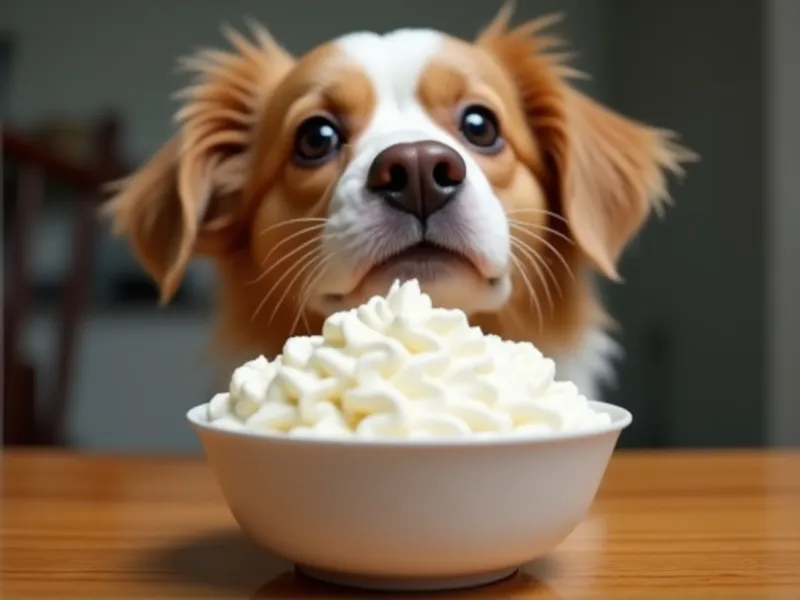
Table of Contents
- Can Dogs Eat Whipped Topping? The Short Answer
- What Is Whipped Topping, Anyway?
- Potential Benefits of Whipped Topping for Dogs (Spoiler: They’re Minimal)
- The Risks: Why Whipped Topping Isn’t a Great Choice for Dogs
- How Much Whipped Topping Is Safe for Dogs?
- Healthier Alternatives to Whipped Topping
- Frequently Asked Questions (FAQ)
- Conclusion: Spoil Your Pup Responsibly
- References
Can Dogs Eat Whipped Topping? The Short Answer
No, whipped topping is not a recommended treat for dogs. While a tiny lick or a very small dollop (think: the size of a pea) is unlikely to harm most healthy adult dogs, it offers zero nutritional value and comes with several risks. The bigger concern? Many store-bought and even some homemade versions contain ingredients that are dangerous—like sugar, artificial sweeteners, or lactose—making it a poor choice for regular or even occasional treats.
What Is Whipped Topping, Anyway?
Before we dive into risks and benefits, let’s clarify what we’re talking about. Whipped topping typically falls into two categories:
- Homemade whipped cream: Made by whisking heavy cream (sometimes with sugar or vanilla) until it’s light and fluffy.
- Store-bought whipped topping: Brands like Cool Whip, Reddi-wip, or generic “whipped dessert topping” often use a mix of water, hydrogenated oils, corn syrup, sugar, and additives (like stabilizers or artificial flavors) instead of real cream. Some “light” or “sugar-free” versions may swap sugar for artificial sweeteners.
The key difference? Homemade versions rely on dairy (cream), while store-bought may be dairy-free but loaded with processed sugars or chemicals. Either way, neither is designed with a dog’s diet in mind.
Potential Benefits of Whipped Topping for Dogs (Spoiler: They’re Minimal)
Let’s start with the good news… or, well, the not-so-bad news. Are there any upsides to giving your dog whipped topping?
Minimal, if any.
- Trace nutrients: Homemade whipped cream (made with heavy cream) contains tiny amounts of fat, protein, and calcium. But these are negligible—your dog would need to eat an unsafe amount to get any real benefit.
- Mood boost: Let’s be real—sharing a tiny taste might make your dog happy in the moment. But that’s a “benefit” of any treat, and there are far healthier ways to bond with your pup (like a walk or a game of fetch!).
In short: Whipped topping is an “empty calorie” food for dogs. It provides no meaningful nutrition and isn’t worth the risks.
The Risks: Why Whipped Topping Isn’t a Great Choice for Dogs
Now, the important part: the risks. Even a small amount of whipped topping can cause problems, and larger quantities are downright dangerous. Here’s what to watch for:
Sugar: A Hidden Danger
Sugar is the primary ingredient in most whipped topping—whether from added sugar in homemade versions or corn syrup in store-bought. Dogs have no biological need for sugar, and excess sugar leads to:
- Obesity: Extra calories from sugar quickly add up, leading to weight gain. Over time, obesity increases the risk of joint pain, heart disease, and diabetes.
- Dental disease: Sugar feeds harmful bacteria in your dog’s mouth, leading to plaque, tartar, and cavities. Left unchecked, this can progress to painful gum disease.
- Insulin resistance: Chronic sugar intake can reduce your dog’s sensitivity to insulin, raising the risk of type 2 diabetes.
The American Kennel Club (AKC) warns that diets high in sugar are a leading cause of obesity in dogs, which now affects over 50% of pets in the U.S. (AKC, 2023).
Lactose Intolerance and Stomach Upset
Most dogs are lactose intolerant. Unlike humans, who often retain the ability to digest lactose (the sugar in milk) into adulthood, dogs’ bodies stop producing large amounts of lactase (the enzyme that breaks down lactose) after weaning. This means dairy products like heavy cream (in homemade whipped topping) can cause:
- Bloating
- Gas
- Diarrhea
- Vomiting
Symptoms usually appear within 1–2 hours of eating dairy, and while mild cases may resolve on their own, severe stomach upset can lead to dehydration. Even “lactose-free” store-bought whipped toppings often contain other irritants (like sugar or additives), so they’re not a safe alternative.
Toxic Artificial Sweeteners (Xylitol Alert!)
This is the biggest red flag. Some “sugar-free” or “low-sugar” whipped toppings use artificial sweeteners like xylitol to cut calories. Xylitol is extremely toxic to dogs—even small amounts can cause life-threatening drops in blood sugar (hypoglycemia) or liver failure.
Symptoms of xylitol poisoning include:
- Weakness
- Confusion
- Seizures
- Vomiting
- Loss of coordination
If you suspect your dog ate xylitol (check the label of any “sugar-free” product!), contact your vet or the ASPCA Animal Poison Control Center immediately at (888) 426-4435. Xylitol is not worth the risk—always read labels carefully!
Choking Hazard
Whipped topping is light, airy, and fluffy—great for topping a pie, but risky for dogs. If your dog inhales a large bite (or “sneaks” a can of Reddi-wip), the airy texture can get stuck in their throat, causing choking. Brachycephalic breeds (like Bulldogs, Pugs, or Shih Tzus) are especially at risk, as their short snouts make breathing (and swallowing) more difficult.
Empty Calories and Nutrient Deficiencies
Dogs need a balanced diet rich in protein, healthy fats, vitamins, and minerals. Whipped topping offers none of these—it’s pure sugar and (sometimes) fat, with no fiber, antioxidants, or essential nutrients. If you regularly replace your dog’s normal treats with whipped topping, they may miss out on key nutrients, leading to deficiencies over time.
How Much Whipped Topping Is Safe for Dogs?
If you must share a tiny taste (e.g., your dog begs relentlessly during dessert), follow these strict guidelines:
- Check the label first: Ensure there’s no xylitol, artificial sweeteners, or added sugars (homemade versions with just cream and a pinch of vanilla are “safer,” but still not ideal).
- Stick to a tiny amount: A lick from your finger or a dollop no bigger than a pea. Any more increases the risk of stomach upset or sugar overload.
- Monitor for reactions: Watch for vomiting, diarrhea, bloating, or lethargy for 24 hours after feeding. If symptoms occur, skip whipped topping entirely in the future.
- Never make it a habit: Even small amounts add up. Reserve whipped topping for extremely rare occasions (if at all).
Healthier Alternatives to Whipped Topping
Instead of risking whipped topping, try these dog-safe, nutrient-rich alternatives. They’re just as tasty (to your pup!) and offer real benefits:
1. Plain Greek Yogurt (Unsweetened)
Greek yogurt is high in protein, calcium, and probiotics (which support gut health). Opt for unsweetened, plain varieties (no added sugar or fruit). Serve a spoonful plain or mixed with a bit of mashed banana for extra flavor.
2. Mashed Banana
Bananas are naturally sweet, high in potassium, and packed with fiber. Mash a small slice (no more than 10% of your dog’s daily calories) for a creamy, dog-approved treat.
3. Unsweetened Pumpkin Puree
Canned pumpkin (not pumpkin pie filling!) is loaded with fiber and beta-carotene (which converts to vitamin A). It’s great for digestion and low in calories. A tablespoon (for medium dogs) is a perfect topping for kibble or a standalone treat.
4. Coconut Cream (In Moderation)
Coconut cream (the thick layer on top of full-fat coconut milk) is dairy-free and contains healthy fats. Whip it gently (no added sugar!) for a creamy texture. Serve a tiny spoonful—coconut is high in fat, so moderation is key.
5. Whipped Cottage Cheese (Low-Fat)
Cottage cheese is low in lactose (easier to digest than cream) and high in protein. Blend a small amount until fluffy for a “whipped” texture your dog will love.
Frequently Asked Questions (FAQ)
Is Cool Whip safe for dogs?
Cool Whip is a store-bought whipped topping made with water, hydrogenated oils, sugar, and additives. It contains no dairy (so less lactose risk) but is high in sugar and processed ingredients. It’s not toxic, but it’s not safe as a regular treat. A tiny lick is unlikely to harm, but skip it altogether for better options.
Can puppies eat whipped topping?
No. Puppies have sensitive digestive systems and are more prone to lactose intolerance, sugar spikes, and choking. Their growing bodies need nutrient-dense food, not empty calories. Stick to puppy-safe treats like plain yogurt or small pieces of cooked chicken.
My dog ate a lot of whipped topping—what should I do?
If your dog raided the fridge and ate a large amount:
- Check for xylitol: If the whipped topping was sugar-free, call your vet immediately (xylitol is toxic!).
- Monitor for symptoms: Watch for vomiting, diarrhea, bloating, or lethargy. These could signal stomach upset or pancreatitis (from high fat/sugar).
- Offer water: Encourage your dog to drink small sips to prevent dehydration.
- Contact your vet: If symptoms worsen, seek professional help.
Are there any whipped toppings made specifically for dogs?
A few pet brands make “dog-safe” whipped toppings (e.g., yogurt-based or pumpkin-flavored). Always read labels to ensure they’re low in sugar, free of xylitol, and made with dog-friendly ingredients. Even then, these should be occasional treats, not daily staples.
Conclusion: Spoil Your Pup Responsibly
At the end of the day, our dogs deserve treats that nourish their bodies and make them happy. Whipped topping might seem harmless, but its high sugar, lactose, and potential for toxic additives make it a poor choice. Instead of sharing your dessert, opt for dog-safe alternatives like Greek yogurt, mashed banana, or pumpkin puree—your pup will wag just as hard, and you’ll have peace of mind knowing you’re supporting their health.
Remember: Every dog is different. If you’re unsure whether a food is safe, or if your dog has underlying health issues (like diabetes or obesity), always consult your vet first. They can help you choose treats that align with your dog’s unique needs.
Now, go give your pup a belly rub—and maybe a spoonful of plain yogurt. They’ll thank you!
References
- American Kennel Club (AKC). (2023). Obesity in Dogs. https://www.akc.org/expert-advice/nutrition/obesity-in-dogs/
- ASPCA Animal Poison Control Center. (n.d.). Xylitol Toxicity in Dogs. https://www.aspca.org/pet-care/animal-poison-control/toxic-and-non-toxic-plants/xylitol
- VCA Animal Hospitals. (n.d.). Lactose Intolerance in Dogs. https://vcahospitals.com/know-your-pet/lactose-intolerance-in-dogs
- PetMD. (2023). Safe Human Foods for Dogs. https://www.petmd.com/dog/nutrition/guide/safe-human-foods-dogs-can-eat