· 8 min read
Can Dogs Eat Walnuts and Pecans? A Pet Parent’s Guide to Safe Snacking
It’s a cozy evening, and you’re curled up on the couch with a bowl of your favorite mixed nuts—crunchy walnuts and buttery pecans. Out of nowhere, your dog trots over, tail thumping, nose twitching, and fixes you with that “I’ll love you forever if you share” stare. We’ve all been there: that moment of hesitation when you wonder, “Is this safe for my pup?”
Nuts are a popular human snack, packed with nutrients like healthy fats and fiber. But when it comes to our four-legged friends, not all “human foods” are created equal. So, can dogs eat walnuts and pecans? Are they a harmless treat or a hidden danger? Let’s dive in and separate fact from fiction, so you can make the best choice for your furry companion.
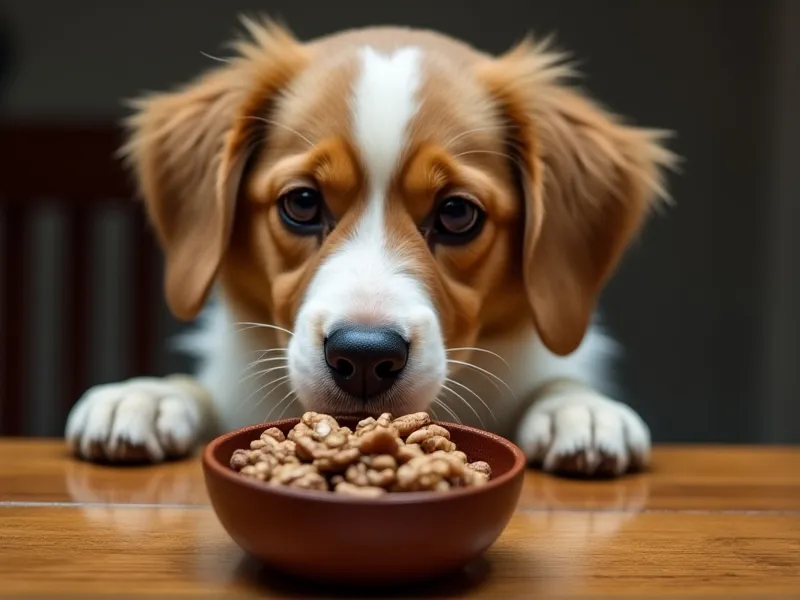
Table of Contents
- Can Dogs Eat Walnuts and Pecans? The Short Answer
- Nutritional Breakdown: What Do Walnuts and Pecans Offer?
- Potential Benefits of Walnuts and Pecans for Dogs (In Theory)
- The Risks: Why These Nuts Might Be More Harmful Than Helpful
- How Much Is “Too Much”? Guidelines for Cautious Pet Parents
- Healthier Alternatives to Walnuts and Pecans
- FAQ: Your Top Questions Answered
- Conclusion: When in Doubt, Ask Your Vet
Can Dogs Eat Walnuts and Pecans? The Short Answer
Let’s cut to the chase: Walnuts and pecans are not technically toxic to dogs, but they’re far from a “safe” treat. While a single, plain walnut or pecan might not immediately harm your dog, the risks—like pancreatitis, choking, or mold exposure—often outweigh any potential benefits. Most veterinarians recommend avoiding these nuts altogether.
Why? Let’s break it down.
Nutritional Breakdown: What Do Walnuts and Pecans Offer?
Before we dive into benefits and risks, let’s understand what these nuts contain. Here’s a quick snapshot of their nutrition (per 100 grams, raw and unsalted):
| Nutrient | Walnuts (100g) | Pecans (100g) |
|---|---|---|
| Calories | 654 | 691 |
| Fat | 65g | 72g |
| Saturated Fat | 6g | 6g |
| Fiber | 7g | 9g |
| Protein | 15g | 9g |
| Potassium | 441mg | 410mg |
| Vitamin E | 2mg | 4mg |
| Omega-3 Fatty Acids | 9g | 0.3g |
At first glance, they seem nutrient-dense: healthy fats, fiber, and minerals like potassium. But here’s the catch: Dogs have different dietary needs than humans, and what’s “healthy” for us can be problematic for them—especially in large quantities.
Potential Benefits of Walnuts and Pecans for Dogs (In Theory)
In a perfect world, these nuts might offer some perks. Let’s explore the theoretical benefits (and why they’re often not worth pursuing):
1. Omega-3 Fatty Acids (Walnuts)
Walnuts are rich in alpha-linolenic acid (ALA), an omega-3 fatty acid linked to healthy skin, a shiny coat, and reduced inflammation. For dogs with dry skin or allergies, omega-3s can help—but there’s a catch:
Dogs convert ALA to EPA and DHA (the more useful omega-3s) inefficiently. Fish oil or fresh salmon are far better sources, as they contain EPA/DHA directly.
2. Fiber for Digestion
Both nuts have fiber, which aids digestion by promoting regular bowel movements. However, most dogs get plenty of fiber from their regular dog food. Too much fiber (from nuts) can backfire, causing diarrhea or stomach upset.
3. Potassium for Heart Health
Potassium supports heart function and muscle health. But dogs rarely lack potassium in their diet—commercial dog foods are formulated to meet this need. Excess potassium (from too many nuts) can even be dangerous for dogs with kidney issues.
4. Antioxidants (Vitamin E)
Vitamin E is an antioxidant that protects cells from damage. Pecans have more vitamin E than walnuts, but again—dog food is fortified with vitamin E. Your pup doesn’t need extra from nuts.
The Risks: Why These Nuts Might Be More Harmful Than Helpful
Now, let’s talk about the real concerns. These risks are why most vets say, “Skip the nuts.”
1. High Fat Content = Pancreatitis Risk
The biggest danger? Fat overload. Both walnuts and pecans are extremely high in fat (65–72g per 100g). Dogs’ pancreases aren’t designed to process large amounts of fat quickly, which can trigger pancreatitis—a painful, potentially life-threatening condition where the pancreas becomes inflamed.
Symptoms of pancreatitis include:
- Vomiting
- Diarrhea (often bloody)
- Lethargy
- Loss of appetite
- Abdominal pain (hunched back, reluctance to move)
Even a small handful of nuts can cause a problem, especially for small dogs or breeds prone to pancreatitis (like Miniature Schnauzers or Cocker Spaniels).
2. Choking Hazard
Nuts are small, hard, and round—perfect for getting stuck in a dog’s throat, especially for small breeds or dogs who gulp their food. A blocked airway can be fatal if not treated immediately.
3. Moldy Nuts = Aflatoxin Poisoning
Nuts stored in warm, humid conditions can grow mold (like Aspergillus), which produces aflatoxins—toxic substances that damage the liver. Even a tiny amount of moldy nuts can cause:
- Vomiting
- Jaundice (yellow gums/eyes)
- Seizures
- Liver failure
You might think, “I’ll just check the nuts first!” But mold isn’t always visible. It can hide inside cracks or on the surface, making it impossible to spot with the naked eye.
4. Added Ingredients (Salt, Sugar, Spices)
Most nuts sold for humans are roasted, salted, honey-glazed, or coated in spices (like cinnamon or chili). Salt can lead to sodium ion poisoning (symptoms: excessive thirst, vomiting, seizures), while sugar contributes to obesity and dental issues. Spices like garlic or onion powder (sometimes in flavored nuts) are toxic to dogs.
5. Juglone in Black Walnuts (A Special Warning)
Not all walnuts are the same. Black walnuts (a different species than the common English walnut) contain juglone, a toxin that’s harmful to dogs. Ingesting black walnuts can cause tremors, seizures, or liver damage. If you have a black walnut tree in your yard, keep your dog away from fallen nuts!
How Much Is “Too Much”? Guidelines for Cautious Pet Parents
If your dog accidentally snags a plain, raw walnut or pecan, don’t panic—one small nut is unlikely to cause severe harm (though you should monitor for stomach upset). But “how much is safe” depends on your dog’s size:
- Small dogs (under 20 lbs): Even 1–2 nuts could cause stomach upset or pancreatitis risk.
- Medium dogs (20–50 lbs): 3–4 nuts might lead to diarrhea or vomiting.
- Large dogs (50+ lbs): A handful could trigger pancreatitis or blockage.
Rule of thumb: If your dog ate more than a single nut, or if the nuts were salted, flavored, or moldy, call your vet immediately.
Healthier Alternatives to Walnuts and Pecans
Want to treat your pup? Skip the nuts and opt for these safer, dog-friendly snacks instead:
1. Carrots
Crunchy, low-calorie, and packed with beta-carotene (good for eyesight). Great for teething puppies!
2. Blueberries
Tiny, sweet, and full of antioxidants. Perfect for training treats or a summer snack.
3. Plain Pumpkin (Canned, No Sugar)
High in fiber and beta-carotene, pumpkin helps with digestion (great for diarrhea or constipation).
4. Cooked Sweet Potato
A nutrient-dense treat with vitamins A and C. Mash it up or freeze in cubes for a cool snack.
5. Unsalted Peanuts (In Moderation)
Plain, unsalted peanuts are lower in fat than walnuts/pecans and safe in small amounts (1–2 per 10 lbs of body weight). Avoid peanut butter with xylitol (a toxic sugar substitute)!
6. Apple Slices (No Seeds/Core)
Crunchy and sweet, apples offer fiber and vitamin C. Just remove the seeds (they contain trace cyanide).
FAQ: Your Top Questions Answered
Q: My dog ate a walnut—should I rush to the vet?
A: If it was a single, plain, raw walnut and your dog seems fine (no vomiting, diarrhea, or lethargy), monitor them for 24 hours. If they ate multiple nuts, salted/flavored nuts, or moldy nuts, call your vet immediately.
Q: Are pecans worse than walnuts for dogs?
A: Both are high in fat, but pecans have slightly more fat per gram. Neither is “better”—both carry similar risks.
Q: Can puppies have walnuts or pecans?
A: Puppies have smaller pancreases and more sensitive stomachs, so even a small nut could cause issues. It’s best to avoid.
Q: What if the nuts are roasted (not raw)?
A: Roasted nuts are often cooked in oil or salt, which adds extra fat and sodium—making them even riskier than raw.
Q: Is nut butter safe?
A: Only if it’s unsalted, unsweetened, and made from safe nuts (like peanuts). Avoid any nut butter with xylitol, which is toxic to dogs. Even then, serve in tiny amounts (a teaspoon or less) due to high fat.
Conclusion: When in Doubt, Ask Your Vet
At the end of the day, sharing a walnut or pecan with your dog isn’t worth the risk. While they might beg with those adorable eyes, their health is more important than a fleeting treat.
If you’re ever unsure about a food, consult your vet. They know your dog’s unique needs (age, breed, health conditions) and can guide you toward safe, healthy snacks.
Remember: The best treats are the ones that keep your pup happy and healthy. Stick to dog-approved options, and you’ll both enjoy snack time worry-free!
References
- American Society for the Prevention of Cruelty to Animals (ASPCA). “Toxic and Non-Toxic Plants” (Accessed 2024).
- Pet Poison Helpline. “Nuts: Are They Safe for Pets?” (Accessed 2024).
- VCA Hospitals. “Pancreatitis in Dogs” (Accessed 2024).
- American Kennel Club (AKC). “Can Dogs Eat Nuts?” (Accessed 2024).