· 8 min read
Can Dogs Eat Vitamin D? What Pet Parents Need to Know About This Essential (But Tricky) Nutrient
It’s a familiar scene: You’re popping your daily vitamin D supplement, chasing it with a sip of water, when your dog trots over, tail wagging, and gives you those “share with me” puppy eyes. You pause—after all, vitamin D is hailed as the “sunshine vitamin” for humans, supporting everything from bone health to mood. But can dogs eat vitamin D? Is it safe to toss them a tiny piece of your pill, or add a splash of fortified milk to their bowl?
As pet parents, we want the best for our furry friends, and that includes ensuring they get the nutrients they need. But when it comes to vitamins, especially fat-soluble ones like D, the line between “helpful” and “harmful” can be surprisingly thin. In this guide, we’ll break down everything you need to know about vitamin D for dogs: why it matters, the risks of overdoing it, how much is safe, and smarter ways to support your pup’s health without the guesswork.
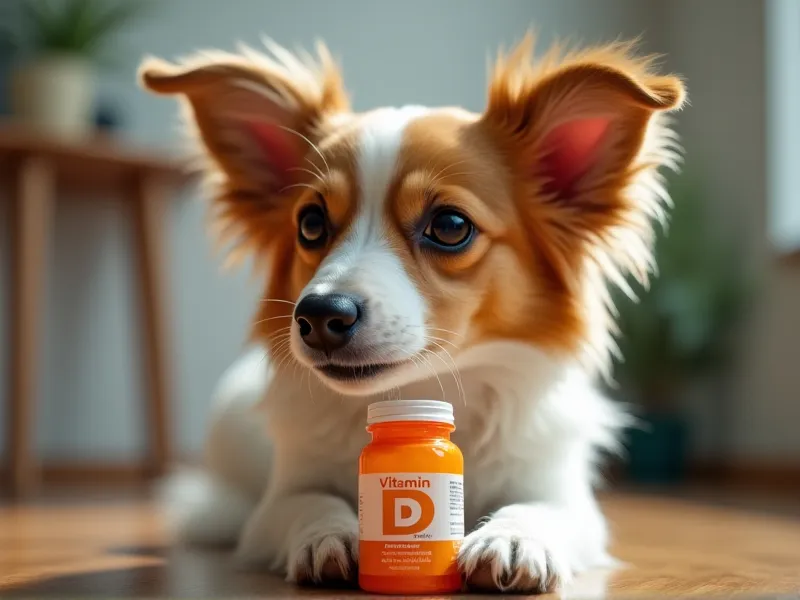
Table of Contents
- Can Dogs Eat Vitamin D? The Short Answer
- Why Vitamin D Matters for Dogs: Key Benefits
- The Dark Side: Vitamin D Toxicity in Dogs
- How Much Vitamin D Is Safe for Dogs? Guidelines
- Healthier Alternatives to Vitamin D Supplements
- FAQ: Your Vitamin D Questions Answered
- Conclusion: When in Doubt, Ask Your Vet
- References
Can Dogs Eat Vitamin D? The Short Answer
Yes… and no.
Dogs need vitamin D to thrive—it’s an essential nutrient that supports their bones, immune system, and overall health. But unlike humans, dogs can’t efficiently make vitamin D from sunlight (more on that later), so they rely entirely on their diet to get it. The problem? Vitamin D is a fat-soluble vitamin, meaning excess amounts build up in the body over time instead of being flushed out. This makes it extremely easy to overdose, even in small quantities.
In short: Dogs need vitamin D, but they should only get it from carefully formulated dog food or natural, vet-approved food sources—never from human supplements, and never in excess.
Why Vitamin D Matters for Dogs: Key Benefits
Think of vitamin D as the “gatekeeper” for your dog’s health. It plays a starring role in several critical bodily functions, making it non-negotiable for their well-being. Here’s why it matters:
1. Strong Bones & Teeth: The Calcium Connection
Vitamin D is essential for absorbing calcium and phosphorus—two minerals that keep your dog’s bones strong and teeth healthy. Without enough vitamin D, even if your dog eats plenty of calcium, their body can’t use it effectively. This can lead to weak bones, stunted growth in puppies, or conditions like osteoporosis in senior dogs.
2. A Robust Immune System
Your dog’s immune system relies on vitamin D to fight off infections and illnesses. Studies (including research from the Journal of Immunology) show that vitamin D helps regulate immune cells, making them more effective at identifying and attacking harmful bacteria and viruses. A deficiency could leave your pup more prone to colds, infections, or even chronic diseases.
3. Healthy Muscles & Nerves
Vitamin D supports muscle function by helping muscles contract and relax properly. It also plays a role in nerve signaling, ensuring messages travel smoothly between the brain and the rest of the body. Without enough, your dog might seem lethargic, weak, or less coordinated.
4. Mood & Energy Levels (Yes, Even for Dogs!)
While research on dogs is limited, in humans, vitamin D is linked to mood regulation and energy. It’s possible that dogs with optimal vitamin D levels feel more alert and “happy,” while deficiencies might contribute to low energy or lethargy.
The Dark Side: Vitamin D Toxicity in Dogs
Here’s the catch: Vitamin D is a double-edged sword. Because dogs can’t easily excrete excess vitamin D, even a small overdose can lead to hypervitaminosis D—a serious, potentially fatal condition.
What Causes Vitamin D Toxicity?
The most common culprit is human vitamin D supplements. A single human pill (which can contain 1,000–5,000 IU) is often enough to poison a small dog. Other risks include:
- Accidental ingestion of rodenticides (some contain high levels of vitamin D to kill pests).
- Homemade dog food recipes that include unmeasured vitamin D-rich ingredients (like liver in excess).
- Over-supplementing with “natural” products (e.g., fish oil with added vitamin D).
Symptoms of Vitamin D Toxicity
Toxicity symptoms can take 12–48 hours to appear and worsen over time. Early signs include:
- Vomiting or diarrhea (sometimes with blood).
- Loss of appetite.
- Lethargy or weakness.
- Increased thirst and urination (as the kidneys struggle to filter excess calcium).
As toxicity progresses, more severe symptoms set in:
- Dehydration.
- Muscle tremors or seizures.
- Kidney damage (since excess calcium forms crystals in the kidneys).
- Irregular heartbeat.
- In severe cases, coma or death.
How Toxicity Is Diagnosed & Treated
If you suspect your dog has ingested too much vitamin D, contact your vet or an emergency animal hospital immediately. Treatment may include:
- Inducing vomiting (if the ingestion was recent).
- Activated charcoal to absorb remaining toxins.
- IV fluids to flush out excess calcium and support kidney function.
- Medications to lower blood calcium levels.
The sooner treatment starts, the better the outcome—but even with care, severe cases can lead to permanent kidney damage.
How Much Vitamin D Is Safe for Dogs? Guidelines
The key to vitamin D safety is balance. Most commercial dog foods are formulated to meet your dog’s vitamin D needs, so supplementation is rarely necessary. Here’s what you need to know:
AAFCO’s Recommended Levels
The Association of American Feed Control Officials (AAFCO)—the organization that sets nutrient standards for pet food—recommends:
- Minimum for adult dogs: 500 International Units (IU) of vitamin D per kilogram of dry matter (DM) in their diet.
- Maximum safe level: 10,000 IU/kg DM (though most high-quality foods stay well below this).
For reference, a 30-pound dog eating 1 cup of dry food daily would get about 200–400 IU of vitamin D—well within the safe range.
When Supplementation Might Be Needed
Deficiencies are rare in dogs on commercial diets, but they can occur in:
- Dogs with malabsorption disorders (e.g., inflammatory bowel disease).
- Dogs with chronic kidney or liver disease (these organs help process vitamin D).
- Dogs on extremely restricted or homemade diets.
If your vet suspects a deficiency, they may recommend a blood test to check vitamin D levels. Only then should you give supplements—and only under their guidance.
The Bottom Line: Stick to Dog Food
Unless your vet prescribes a supplement, your dog’s diet should come from:
- AAFCO-approved commercial dog food (look for the “complete and balanced” label).
- Occasional, small amounts of vitamin D-rich treats (more on that below).
Healthier Alternatives to Vitamin D Supplements
Instead of reaching for a pill, opt for these natural, low-risk sources of vitamin D to boost your dog’s intake (in moderation!):
1. Fatty Fish
Salmon, mackerel, and sardines are packed with vitamin D (and omega-3s, which support skin and coat health). A small piece of cooked salmon (no bones!) or a few canned sardines (in water, no salt) makes a tasty, nutrient-dense treat.
How much: 1–2 bites for small dogs, 1–2 ounces for large dogs, 1–2 times per week.
2. Egg Yolks
Egg yolks are a natural source of vitamin D, plus protein and healthy fats. Scramble one egg (without salt or butter) and mix it into your dog’s food as an occasional treat.
How much: 1 egg yolk per 20 pounds of body weight, once or twice a week.
3. Liver (In Moderation)
Liver is rich in vitamin D, but it’s also high in vitamin A (which can be toxic in excess). Stick to tiny portions:
How much: 1 teaspoon of cooked liver per 10 pounds of body weight, no more than once a week.
4. Fortified Dog Treats
Some high-quality dog treats are fortified with vitamin D (check the label for AAFCO approval). These are safer than human supplements, as they’re formulated for dogs’ needs.
FAQ: Your Vitamin D Questions Answered
Q: Can dogs get vitamin D from sunlight like humans?
A: Not really. Humans make vitamin D when sunlight hits our skin, but dogs’ fur blocks most UV rays. Their skin also has less of the enzyme needed to convert sunlight into vitamin D. So, they rely entirely on their diet.
Q: My dog ate a human vitamin D pill—what should I do?
A: Act fast! Even one 5,000 IU pill can be toxic to a small dog. Call your vet or the ASPCA Animal Poison Control Center (888-426-4435) immediately.
Q: What are the signs of vitamin D deficiency in dogs?
A: Deficiency is rare, but signs may include weak bones (e.g., fractures, lameness), muscle weakness, or a dull coat. Your vet can diagnose it with a blood test.
Q: Is it okay to give my dog cod liver oil for vitamin D?
A: Cod liver oil has vitamin D, but it’s also high in vitamin A. Too much can cause vitamin A toxicity. Ask your vet for a safer omega-3 supplement instead.
Q: Are “plant-based” vitamin D sources (like mushrooms) safe for dogs?
A: Mushrooms can be tricky—some wild varieties are toxic. Cultivated mushrooms (like button or shiitake) are safe in small amounts, but they have very little vitamin D. Stick to animal-based sources instead.
Conclusion: When in Doubt, Ask Your Vet
Vitamin D is a vital nutrient for your dog, but it’s not something to play around with. The good news? Most dogs get all they need from their regular food. Skip the human supplements, avoid overdoing “vitamin D-rich” treats, and always check with your vet before adding anything new to their diet.
Your dog’s health is worth the extra care—and those puppy eyes will thank you for keeping them safe, happy, and healthy for years to come.
References
- Association of American Feed Control Officials (AAFCO). (2022). AAFCO Dog Food Nutrient Profiles. aafco.org
- American Society for the Prevention of Cruelty to Animals (ASPCA). (n.d.). Toxic Substances. aspca.org/pet-care/animal-poison-control
- American Veterinary Medical Association (AVMA). (2020). Nutrition for Dogs. avma.org/resources/pet-owners/nutrition/nutrition-dogs
- Center for Veterinary Medicine (FDA). (2018). Vitamin D Toxicity in Dogs. fda.gov/animal-veterinary/animal-health-literacy/vitamin-d-toxicity-dogs
- Khosla, S., et al. (2020). Hypervitaminosis D in Dogs: A Review. Journal of Veterinary Internal Medicine. doi.org/10.1111/jvim.15876