· 8 min read
Can Dogs Eat Veal Bones? What Pet Parents Need to Know
It’s a familiar scene: You’re cleaning up after a cozy family dinner, and there, by your feet, sits your dog—tail thumping, eyes wide, nose twitching at the scent of leftover veal bones. Veal bones look small, soft, and innocent compared to big beef ribs or pork chops. You might think, “They’re just little bones—surely they’re safe, right?”
Before you toss one to your pup, let’s get the facts straight. While sharing food with our dogs is one of the joys of pet parenthood, not all human foods (or bones!) are created equal. In this guide, we’ll answer the big question: Can dogs eat veal bones? We’ll break down the potential benefits (yes, there are a few!), the very real risks, and safer alternatives to keep your dog happy and healthy.
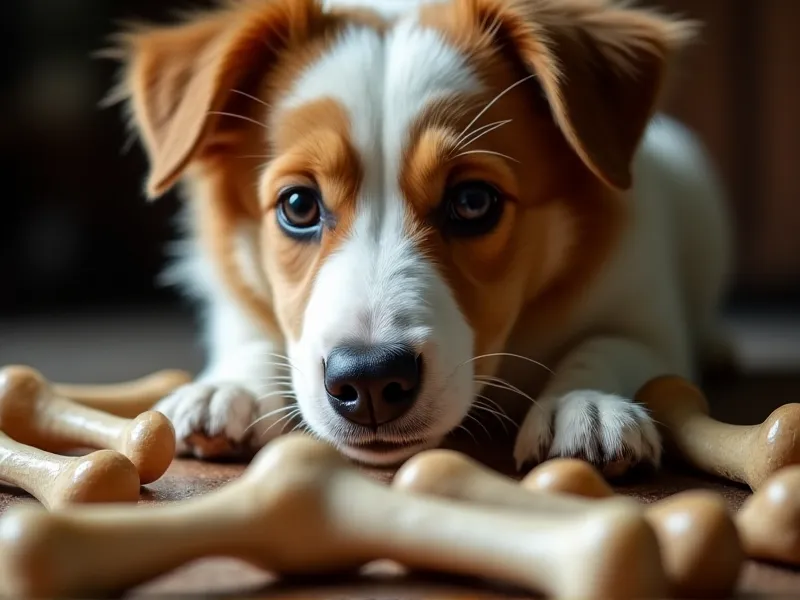
Table of Contents
- Can Dogs Eat Veal Bones? The Short Answer
- The Potential Benefits of Veal Bones for Dogs (Spoiler: They’re Limited)
- The Hidden Risks of Veal Bones: Why Caution is Key
- Guidelines for Feeding Veal Bones (If You Really Choose To)
- Healthier Alternatives to Veal Bones for Your Pup
- Frequently Asked Questions About Dogs and Veal Bones
- Conclusion: Prioritizing Your Dog’s Safety and Health
- References
Can Dogs Eat Veal Bones? The Short Answer
No, veal bones are not safe for dogs—even if they seem small or “soft.” While some pet owners swear by raw bones as a “natural” treat, veal bones (whether cooked or raw) pose significant risks that far outweigh any potential benefits. From choking hazards to life-threatening intestinal blockages, these bones can lead to emergency vet visits and serious harm.
But let’s not stop there. To make informed choices, let’s dig into the details: what are the supposed benefits, and why are the risks so concerning?
The Potential Benefits of Veal Bones for Dogs (Spoiler: They’re Limited)
At first glance, veal bones might seem like a nutrient-dense snack. After all, bones are rich in minerals, and veal is a lean protein. But when it comes to dogs, the “benefits” are minimal—and often misunderstood. Here’s what you need to know:
1. Trace Minerals (But Your Dog Probably Doesn’t Need Them)
Veal bones contain small amounts of calcium, phosphorus, and magnesium—minerals essential for strong bones and teeth. However, high-quality commercial dog food is already fortified with these nutrients in precise amounts. Adding veal bones could throw off this balance, leading to excess calcium (which can harm the kidneys) or phosphorus (linked to bone loss in large breeds).
2. Mental Stimulation (But There Are Safer Ways)
Chewing is a natural behavior for dogs, and bones can keep them occupied. But “stimulation” isn’t a “benefit” if it comes with the risk of injury. We’ll cover safer, engaging alternatives later!
3. Marrow: A Tasty Treat (But High in Fat)
Veal bone marrow is rich in fat and flavor, which dogs love. However, too much fat can trigger pancreatitis—a painful, potentially fatal inflammation of the pancreas—especially in dogs prone to the condition (like small breeds or overweight pups).
Bottom line: The nutrients in veal bones are either unnecessary (thanks to balanced dog food) or come with hidden downsides. The risks, however, are very real.
The Hidden Risks of Veal Bones: Why Caution is Key
Now, let’s talk about the dangers—because this is where pet parents need to pay close attention. Veal bones, whether cooked or raw, present several critical risks:
1. Choking and Blockages: Small Bones = Big Trouble
Veal bones are smaller than beef or pork bones, which might make you think they’re “safer.” In reality, their size is a problem: dogs may try to swallow them whole, leading to choking. Even if they chew the bone into smaller pieces, sharp fragments can get stuck in the throat, esophagus, or intestines.
Symptoms of a blockage include vomiting, diarrhea, lethargy, or loss of appetite. If left untreated, an intestinal blockage can be fatal within 24–48 hours.
2. Splintering: Cooked Bones Are the Worst
Cooking veal bones (boiling, roasting, etc.) makes them dry, brittle, and prone to splintering. These sharp shards can tear the mouth, esophagus, or digestive tract, causing internal bleeding or infection.
Raw veal bones are sometimes marketed as “safer,” but they’re not risk-free. Dogs can still break off small, sharp pieces, and raw bones may harbor bacteria like Salmonella or E. coli (which can sicken both dogs and humans).
3. Dental Fractures: Hard on Teeth
Even “soft” veal bones are harder than your dog’s teeth. Chewing on bones can crack or break teeth, leading to pain, infection, or expensive dental work. Small breeds and senior dogs with weaker teeth are especially vulnerable.
4. Pancreatitis from Fatty Marrow
As mentioned earlier, veal bone marrow is high in fat. Feeding your dog marrow (or the bone itself) can trigger pancreatitis, a condition where the pancreas becomes inflamed. Symptoms include severe abdominal pain, vomiting, and fever—and it often requires hospitalization.
ASPCA Warning: The American Society for the Prevention of Cruelty to Animals (ASPCA) explicitly lists cooked bones as a hazard for pets, noting that they “can splinter and cause choking or lacerations of the mouth, throat, or intestines.”
Guidelines for Feeding Veal Bones (If You Really Choose To)
If, after learning the risks, you still want to offer your dog a veal bone (we strongly advise against it!), follow these strict guidelines to minimize danger:
- Never feed cooked veal bones. Cooked bones splinter—this is non-negotiable.
- Opt for raw, meaty bones (but only under supervision). If you must, choose a raw veal bone with plenty of meat still attached (e.g., a knuckle bone, though veal knuckles are small). The meat helps slow down chewing and reduces splintering.
- Size matters. The bone should be larger than your dog’s head to prevent swallowing. For example, a Chihuahua should never get a veal bone, while a Great Dane might (but again—still risky!).
- Limit to 10–15 minutes of chewing. Remove the bone once it starts to break down into small pieces.
- Avoid if your dog is a “swallower.” Some dogs gulp food without chewing—these pups should never have bones.
- Watch for symptoms afterward. Monitor your dog for 24–48 hours for signs of blockage, vomiting, or lethargy. If you see anything concerning, contact your vet immediately.
Pro tip: Even with these steps, there’s no guarantee of safety. When in doubt, skip the bone.
Healthier Alternatives to Veal Bones for Your Pup
Instead of veal bones, treat your dog to these safe, engaging alternatives that satisfy their chewing urge without the risks:
1. Dental Chews (VOHC-Approved)
Look for dental chews certified by the Veterinary Oral Health Council (VOHC), like Greenies or Pedigree Dentastix. These are designed to clean teeth, freshen breath, and are digestible.
2. Raw Vegetables
Carrots, celery, or cucumber slices are low-calorie, crunchy, and safe for most dogs. They’re great for teething puppies or senior dogs who need gentle chewing.
3. Kong Toys Stuffed with Treats
Fill a Kong (a durable rubber toy) with peanut butter (no xylitol!), plain yogurt, or canned pumpkin. Freeze it for a long-lasting, mentally stimulating snack.
4. Raw Meaty Bones (From Larger Animals)
If you want to offer a bone-like experience, opt for raw, meaty bones from larger animals (e.g., beef knuckle bones or lamb shanks). These are bigger, harder to splinter, and provide hours of chewing. Always supervise and choose bones larger than your dog’s head.
5. Freeze-Dried Treats
Freeze-dried chicken, turkey, or sweet potato treats are low-risk and full of flavor. They’re also easy to break into small pieces for training.
Frequently Asked Questions About Dogs and Veal Bones
Q: Can puppies eat veal bones?
A: No. Puppies have smaller airways, developing teeth, and sensitive digestive systems. Veal bones pose an even higher choking and blockage risk for puppies.
Q: My dog ate a veal bone—what should I do?
A: Stay calm. If the bone was cooked, or if your dog is choking, vomiting, or in pain, contact your vet immediately. If the bone was raw and your dog seems fine, monitor them closely for 48 hours. Look for symptoms like diarrhea, lethargy, or difficulty pooping.
Q: Are raw veal bones better than cooked?
A: Raw bones are less risky than cooked ones, but they’re not “safe.” They can still splinter, carry bacteria, or cause blockages. The AVMA does not recommend raw bones for pets.
Q: Can veal bone broth be given instead?
A: Yes! Bone broth (made by simmering bones without seasoning) is a nutritious treat. It’s rich in collagen, glucosamine, and minerals, and it’s gentle on the stomach. Just avoid giving the bones themselves—only the broth.
Conclusion: Prioritizing Your Dog’s Safety and Health
At the end of the day, that wagging tail and pleading eyes can be hard to resist. But when it comes to veal bones, the risks far outweigh any fleeting joy. From choking to blockages to pancreatitis, these small bones can lead to big problems.
Instead of sharing veal bones, opt for safer alternatives like dental chews, raw veggies, or stuffed Kongs. Your dog will still get to chew, and you’ll have peace of mind knowing they’re safe.
As always, if you’re unsure about a new food or treat, consult your vet. They can help you choose options that fit your dog’s age, breed, and health needs.
Here’s to many happy, healthy years with your pup—bone-free!
References
- American Society for the Prevention of Cruelty to Animals (ASPCA). “People Foods to Avoid Feeding Your Pets.” aspca.org/pet-care/animal-poison-control/people-foods-avoid-feeding-your-pets
- American Veterinary Medical Association (AVMA). “Raw Pet Food: A Healthy Option or a Risky Choice?” avma.org/resources/pet-owners/nutrition/raw-pet-food-healthy-option-or-risky-choice
- Veterinary Oral Health Council (VOHC). “Accepted Products.” vohc.org/accepted-products
- Coates, J. (2021). “Can Dogs Eat Bones?” PetMD. petmd.com/dog/nutrition/can-dogs-eat-bones