· 8 min read
Can Dogs Eat Veal? A Pet Parent’s Guide to Safety, Benefits, and Risks
It’s a quiet weeknight, and you’re cooking up a special meal: tender veal scallops with herbs. The aroma hits you, and suddenly, you feel a soft nudge at your ankle. There’s your dog, tail thumping, eyes wide, as if to say, “Is that for me too?” If you’ve ever paused mid-bite to wonder, Can dogs eat veal? you’re not alone. As pet parents, we want to share the best with our furry friends—but not all human foods are safe. Let’s break down everything you need to know about veal and your dog, from benefits to risks, portion sizes, and healthier alternatives.
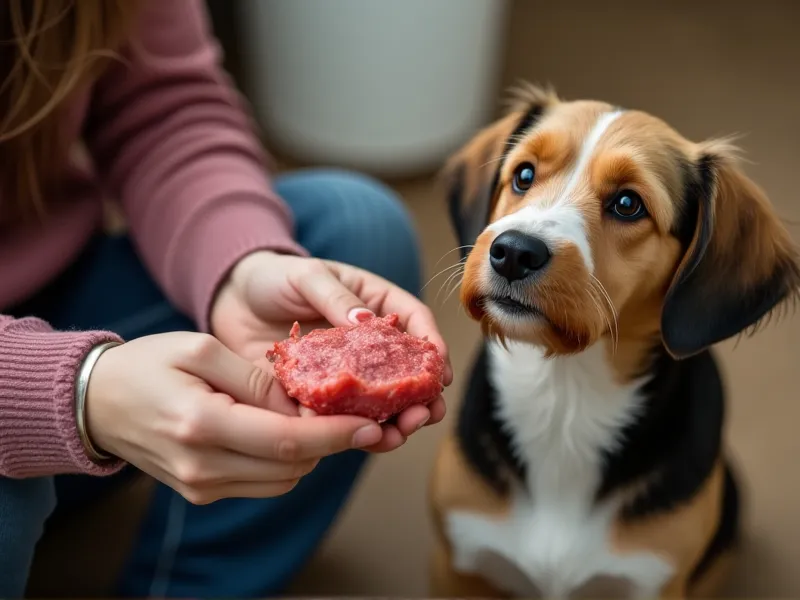
Table of Contents
- Can Dogs Eat Veal? The Short Answer
- What Is Veal, Anyway?
- Nutritional Benefits of Veal for Dogs
- Potential Risks of Feeding Veal to Dogs
- How Much Veal Can Dogs Safely Eat?
- Healthier Alternatives to Veal
- FAQ: Your Veal Questions Answered
- Conclusion: Veal as a Treat, Not a Staple
Can Dogs Eat Veal? The Short Answer
Yes, dogs can eat veal—but only in moderation and with careful preparation. Veal is a lean, nutrient-dense meat that can offer health benefits when served plain, cooked, and boneless. However, it’s not without risks, including bacterial contamination (if raw), choking hazards (bones), and digestive upset (if seasoned or high in fat). As with any new food, introduce veal slowly and watch for signs of intolerance.
What Is Veal, Anyway?
Before diving into safety, let’s clarify what veal is. Veal is the meat of young calves, typically under 6 months old. It’s lighter in color and milder in flavor than beef (which comes from older cattle) and is often prized for its tenderness. There are different types of veal, depending on the calf’s age and diet—for example, “milk-fed veal” comes from calves raised on a milk diet, while “grain-fed veal” includes grains in their feed.
For dogs, the key distinction is that veal is generally leaner than beef, which can make it a better option for pups watching their fat intake. But lean doesn’t mean risk-free—preparation matters most.
Nutritional Benefits of Veal for Dogs
Veal isn’t just a tasty treat; it’s packed with nutrients that support your dog’s health. Here’s how it can benefit your pup:
1. High-Quality Protein
Protein is the building block of your dog’s body, supporting muscle growth, repair, and immune function. Veal is an excellent source of complete protein, meaning it contains all the essential amino acids dogs need (like taurine, which supports heart health). A 3-ounce serving of cooked veal provides about 21 grams of protein—perfect for active dogs or those recovering from illness.
2. Essential Vitamins
Veal is rich in B vitamins, including:
- Vitamin B12: Critical for nerve function and red blood cell production.
- Vitamin B6: Supports brain health and hormone regulation.
- Niacin (B3): Aids in energy metabolism and skin health.
These vitamins help keep your dog’s coat shiny, energy levels steady, and mind sharp.
3. Key Minerals
Veal delivers minerals that are hard to get from commercial dog food alone, such as:
- Zinc: Boosts immune function and helps with wound healing.
- Iron: Supports oxygen transport in the blood (important for preventing anemia).
- Selenium: An antioxidant that protects cells from damage.
- Potassium: Regulates fluid balance and muscle function (including the heart).
4. Leaner Than Beef
Since veal comes from younger calves, it’s lower in saturated fat than many beef cuts. For dogs prone to pancreatitis (a painful inflammation of the pancreas caused by high-fat foods) or obesity, lean veal can be a smarter choice than fatty meats like pork or ribeye.
Potential Risks of Feeding Veal to Dogs
While veal has benefits, it’s crucial to be aware of the risks. Here’s what to avoid:
1. Raw Veal: Bacterial Contamination
Never feed your dog raw veal. Raw meat (including veal) can harbor harmful bacteria like Salmonella, E. coli, or Listeria, which can cause vomiting, diarrhea, or even serious illness in dogs (and humans, via cross-contamination). The American Veterinary Medical Association (AVMA) warns against raw meat diets due to these risks.
2. Bones: A Choking and Blockage Hazard
Veal bones—cooked or raw—are a major no-no. Cooked bones are especially dangerous because they become brittle and can splinter, piercing your dog’s throat, stomach, or intestines. Even raw bones can pose choking risks or lead to intestinal blockages, which may require surgery. Always remove bones before serving veal to your dog.
3. Seasoning and Additives
Veal served with garlic, onions, salt, pepper, or other spices is toxic to dogs. Onions and garlic contain thiosulphate, which damages red blood cells and causes anemia. Excess salt can lead to sodium ion poisoning (symptoms: vomiting, diarrhea, seizures). Stick to plain, unseasoned veal—no butter, oil, or sauces.
4. High-Fat Cuts: Pancreatitis Risk
While veal is generally lean, some cuts (like riblets or ground veal with high fat content) can be high in fat. Fatty foods trigger the pancreas to release digestive enzymes, and if overworked, this can lead to pancreatitis—a painful, potentially life-threatening condition. Symptoms include vomiting, loss of appetite, and abdominal pain. Opt for lean cuts like veal loin or tenderloin instead.
How Much Veal Can Dogs Safely Eat?
Veal should never replace your dog’s regular, balanced diet (commercial kibble or wet food is formulated to meet all their nutritional needs). Instead, treat it as an occasional snack—about 10% of their daily calories at most.
Here’s a general guideline based on your dog’s size:
- Small dogs (under 20 lbs): 1–2 ounces of cooked, plain veal per week.
- Medium dogs (20–50 lbs): 2–4 ounces per week.
- Large dogs (50+ lbs): 4–6 ounces per week.
Adjust based on your dog’s activity level, age, and health. For example:
- Puppies: Can eat small amounts of veal for extra protein, but avoid high-fat cuts.
- Seniors or overweight dogs: Stick to lean cuts and smaller portions.
- Dogs with health issues (e.g., kidney disease): Consult your vet first, as protein intake may need to be restricted.
Pro tip: Introduce veal slowly. Start with a tiny piece (1–2 bites) and wait 24 hours. If your dog has diarrhea, vomiting, or lethargy, stop feeding veal and contact your vet.
Healthier Alternatives to Veal
If you’re looking for nutrient-rich treats beyond veal, these options are often more accessible and just as beneficial:
1. Chicken or Turkey
Lean, white meat chicken or turkey (cooked, boneless, unseasoned) is a staple in many dog treats. It’s high in protein, low in fat, and easy to digest—great for sensitive tummies.
2. Salmon or Sardines
Fatty fish like salmon or sardines (canned in water, no salt) are rich in omega-3 fatty acids, which reduce inflammation and support joint and skin health.
3. Lamb
Lamb is a novel protein (less common than chicken or beef), making it a good option for dogs with food allergies. It’s high in zinc and iron, too.
4. Beef (Lean Cuts)
If you prefer beef over veal, opt for lean cuts like sirloin or round steak. Just avoid fatty cuts like ribeye.
FAQ About Dogs and Veal
Q: Can puppies eat veal?
A: Yes, puppies can eat small amounts of cooked, plain veal. It’s a good source of protein for growth, but avoid bones, seasoning, or high-fat cuts. Always consult your vet before adding new foods to a puppy’s diet.
Q: Is veal better than beef for dogs?
A: Veal is leaner than most beef cuts, so it may be better for dogs watching their fat intake. However, nutritionally, both offer similar benefits (protein, vitamins, minerals). Choose based on availability and your dog’s preferences!
Q: Can dogs with allergies eat veal?
A: Maybe. If your dog is allergic to beef, they may also react to veal (since both come from cattle). Veal is a “less common” allergen than beef, but it’s not hypoallergenic. Talk to your vet about novel proteins like rabbit or duck if your dog has allergies.
Q: What if my dog ate raw veal?
A: Monitor for symptoms of bacterial infection: vomiting, diarrhea, fever, or lethargy. If symptoms appear, contact your vet immediately. To prevent this, always store and cook veal safely (160°F internal temperature kills bacteria).
Conclusion: Veal as a Treat, Not a Staple
Veal can be a safe, nutritious addition to your dog’s diet when served plain, cooked, and in moderation. Its lean protein, vitamins, and minerals make it a tasty way to spoil your pup—just skip the bones, seasoning, and fatty cuts.
Remember: Every dog is different. What works for one may upset another’s stomach. When in doubt, consult your vet—they’ll help you decide if veal is right for your dog’s unique needs.
At the end of the day, the best treat for your dog is your love (and maybe a little veal on the side). 🐾
References:
- American Veterinary Medical Association (AVMA). “Raw Pet Food.” avma.org/resources/pet-owners/nutrition/raw-pet-food
- ASPCA Animal Poison Control Center. “Toxic and Non-Toxic Plants.” aspca.org/pet-care/animal-poison-control/toxic-and-non-toxic-plants (Note: While this link focuses on plants, the ASPCA also warns about onion/garlic toxicity in dogs.)
- PetMD. “Veal for Dogs: Can Dogs Eat Veal?” petmd.com/dog/nutrition/can-dogs-eat-veal
- American Kennel Club (AKC). “Human Foods Dogs Can and Can’t Eat.” akc.org/expert-advice/nutrition/human-foods-dogs-can-and-cant-eat