· 8 min read
Can Dogs Eat Vaseline? What Pet Parents Need to Know
Picture this: You walk into the kitchen to find your curious pup with their nose buried in a half-open Vaseline jar, tail wagging like they’ve just discovered a hidden treasure. Panic immediately sets in—did they just eat Vaseline? Is that going to hurt them? As a pet parent, it’s natural to worry when your fur baby gets into something they shouldn’t. After all, our dogs are like family, and we’d do anything to keep them safe.
Vaseline (or petroleum jelly) is a household staple—used for chapped lips, dry skin, and even as a DIY remedy for minor cuts. But when it comes to our four-legged friends, is this slippery substance safe? Let’s dive into the facts, separate myth from reality, and help you make the best choices for your pup.
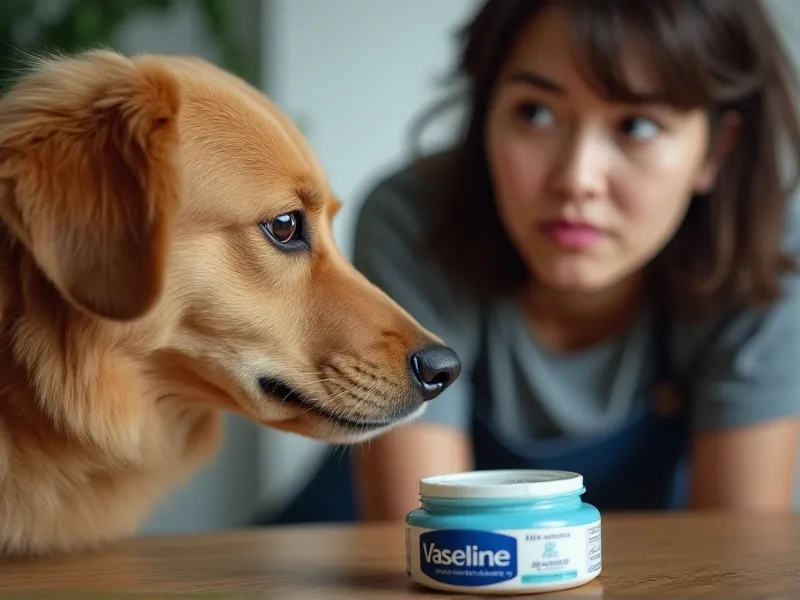
Table of Contents
- Can Dogs Eat Vaseline? The Short Answer
- What Is Vaseline, Anyway?
- Potential “Benefits” of Vaseline for Dogs: Let’s Set the Record Straight
- The Risks of Dogs Eating Vaseline: What to Watch For
- How Much Vaseline Is “Safe” for Dogs? (Hint: Probably None)
- Healthier Alternatives to Vaseline for Your Dog
- FAQ: Your Top Vaseline Questions, Answered
- Conclusion: Prioritize Your Dog’s Safety (and Skip the Vaseline)
Can Dogs Eat Vaseline? The Short Answer
No, dogs should not eat Vaseline.
While small amounts of Vaseline are generally not toxic to dogs, it’s not a food, and there’s no reason to feed it to them intentionally. Petroleum jelly (the main ingredient in Vaseline) is an inert substance—meaning it doesn’t provide any nutritional value, and its primary risks come from how your dog might ingest it (e.g., chewing the tube) or the quantity consumed.
If your dog licks a tiny bit off your hand or a countertop, they’ll likely be fine. But if they chow down on a whole jar or chew through the plastic tube? That’s a different story. Let’s break it down.
What Is Vaseline, Anyway?
Vaseline is a brand name for petroleum jelly, a semi-solid mixture of hydrocarbons derived from petroleum (crude oil). It’s been around since the 1800s and is prized for its ability to lock in moisture—hence its use in lip balms, lotion, diaper rash creams, and even as a DIY remedy for dry skin or cracked heels.
Chemically, petroleum jelly is non-reactive and non-toxic to humans in small amounts (which is why we can safely apply it topically or even ingest tiny quantities, like from lip balm). But dogs are not humans, and their bodies process substances differently—plus, they’re far more likely to eat the packaging along with the product.
Potential “Benefits” of Vaseline for Dogs: Let’s Set the Record Straight
You might be wondering, “If it’s not toxic, maybe it has some benefits?” Let’s clarify: Vaseline offers ZERO nutritional benefits for dogs.
The user prompt mentioned “nutrients, fiber, potassium”—but petroleum jelly contains none of these. It’s not a food; it’s a moisturizer. Some pet parents mistakenly think Vaseline could help with:
- Dry skin/coats: While applying a tiny bit topically might temporarily soothe dry paws or noses, ingesting it won’t hydrate your dog from the inside. In fact, licking it off could lead to more harm than good.
- Constipation: There’s a myth that Vaseline acts as a laxative, but this is risky. Petroleum jelly isn’t digestible, so large amounts could actually worsen digestive issues (more on that later).
In short: Save the Vaseline for your own lips. Your dog’s body doesn’t need it, and there are safer ways to address dry skin, constipation, or other issues.
The Risks of Dogs Eating Vaseline: What to Watch For
While small, accidental licks are usually harmless, larger amounts or ingestion of the packaging can pose serious risks. Here’s what to be aware of:
1. Gastrointestinal Upset (Diarrhea, Vomiting, or Stomach Aches)
Petroleum jelly is greasy and not digestible. If your dog eats a significant amount (think: a spoonful or more), it can coat their digestive tract, slowing down digestion and causing:
- Loose stools or diarrhea (the grease can irritate the intestines).
- Nausea or vomiting (their body may try to expel the foreign substance).
- Stomach discomfort (you might notice your dog pacing, whining, or refusing food).
2. Choking Hazard from the Packaging
Most Vaseline comes in a plastic tube or jar. If your dog chews through the packaging to get to the jelly, they could bite off pieces of plastic. Small bits might pass through their system, but larger chunks could:
- Choke them (if卡在喉咙里).
- Cause an intestinal blockage (a life-threatening condition where plastic gets stuck in the gut, requiring surgery to remove).
3. Intestinal Blockage (Rare but Serious)
Even if your dog avoids the plastic, eating a large amount of Vaseline itself could theoretically cause a blockage—though this is rare. Because it’s not digestible, a big glob might clump together in the intestines, leading to:
- Severe abdominal pain.
- Loss of appetite.
- Lethargy.
- Inability to defecate.
If left untreated, an intestinal blockage can be fatal.
4. Aspiration Risk (If Inhaled)
In rare cases, if your dog inhales Vaseline (e.g., while licking it off their nose and sneezing), it could enter their lungs and cause aspiration pneumonia—a serious infection requiring immediate veterinary care.
How Much Vaseline Is “Safe” for Dogs? (Hint: Probably None)
There’s no official “safe dose” of Vaseline for dogs because it’s not intended for consumption. That said, most vets agree:
- Small amounts (e.g., a pea-sized lick): Unlikely to cause problems. Monitor for mild diarrhea, but your dog will probably be fine.
- Medium amounts (e.g., a tablespoon): May cause upset stomach, diarrhea, or vomiting. Call your vet for guidance.
- Large amounts (e.g., half a jar or more) or ingestion of packaging: Seek emergency vet care immediately. This could lead to blockages or choking.
Healthier Alternatives to Vaseline for Your Dog
If you’re tempted to use Vaseline on your dog (or they’re obsessed with licking it), there’s likely an underlying issue. Here are safer, pet-friendly solutions:
For Dry Paws/Noses:
- Coconut oil: A natural moisturizer that’s safe for dogs to lick in small amounts. Apply a tiny bit to paws or noses—just avoid overdoing it (too much can cause diarrhea).
- Shea butter: Unrefined, organic shea butter is safe and hydrating for skin.
- Pet-specific paw balms: Brands like Musher’s Secret or Burt’s Bees for Dogs make balms designed for dogs’ tough paws, with ingredients like beeswax and vitamin E.
For Constipation:
If your dog is struggling to poop, skip the Vaseline! Instead:
- Add a teaspoon of pumpkin puree (not pie filling) to their food (high in fiber).
- Consult your vet—constipation could signal an underlying issue like dehydration or intestinal blockage.
For Anxiety-Related Licking:
If your dog is licking Vaseline out of boredom or anxiety, address the root cause:
- Provide more mental stimulation (puzzle toys, training sessions).
- Try calming supplements (e.g., CBD for dogs, under vet guidance).
- Consult a certified dog behaviorist.
FAQ: Your Top Vaseline Questions, Answered
Q: My dog ate a whole jar of Vaseline—what do I do?
A: Stay calm, but act fast. Call your vet or an emergency animal hospital immediately. Bring the Vaseline container (if possible) to show the amount ingested. Watch for signs of blockage (lethargy, vomiting, no bowel movements) and head to the vet right away if these occur.
Q: Is Vaseline toxic to dogs?
A: No, petroleum jelly itself is not toxic. However, the packaging (plastic tubes/jars) and the risk of gastrointestinal upset or blockage make it unsafe for intentional feeding.
Q: Can I put Vaseline on my dog’s paw pads?
A: You can, but it’s not ideal. Vaseline is greasy and can attract dirt, making paws more likely to get irritated. Opt for pet-safe paw balms instead—they’re designed to protect without the mess.
Q: My dog keeps licking Vaseline off my lips—should I stop them?
A: Yes! Even small amounts add up, and the habit could lead them to seek out Vaseline tubes later. Redirect their attention with a toy, and avoid letting them lick your lips if you’re wearing Vaseline.
Q: What if my dog chewed the plastic Vaseline tube?
A: This is an emergency. Plastic can cause choking or intestinal blockage. Call your vet immediately—they may recommend inducing vomiting (only if safe) or surgery to remove the plastic.
Conclusion: Prioritize Your Dog’s Safety (and Skip the Vaseline)
While Vaseline isn’t toxic to dogs, it’s far from a safe or beneficial treat. Its lack of nutrition, combined with the risks of gastrointestinal upset, choking, or blockage from packaging, makes it a substance best kept out of your pup’s reach.
If your dog accidentally licks a tiny bit, don’t panic—just monitor them for signs of discomfort. But if they ingest a large amount or the packaging? Call your vet right away.
Remember: When it comes to your dog’s health, when in doubt, always consult a professional. Your furry friend deserves the best, and that means sticking to pet-safe foods and products designed just for them.
Stay pawsome, and keep those Vaseline jars on high shelves!
References
- American Society for the Prevention of Cruelty to Animals (ASPCA). “Pet Poison Control: Petroleum Jelly.” aspca.org
- Pet Poison Helpline. “Petroleum Jelly (Vaseline) Ingestion in Dogs.” petpoisonhelpline.com
- VCA Hospitals. “Petroleum Jelly Toxicity in Dogs.” vcahospitals.com
- American Kennel Club (AKC). “Safe and Unsafe Products for Your Dog’s Paws.” akc.org