· 8 min read
Can Dogs Eat Vanilla Pudding? The Sweet Truth Pet Parents Need to Know
You’re curled up on the couch, spoon in hand, savoring a velvety bowl of vanilla pudding. Suddenly, a wet nose nudges your hand, and those big, soulful eyes lock onto yours. “Just a tiny bite?” your pup seems to beg. It’s a moment every pet parent knows—our dogs are curious about our snacks, and resisting those puppy-dog eyes feels impossible. But before you cave, there’s a crucial question: Is vanilla pudding safe for dogs?
We all want to treat our furry friends, but not all human foods are created equal. In this guide, we’ll break down the risks, minimal benefits, and smarter alternatives to help you make the best choice for your pup’s health. Let’s dig in!
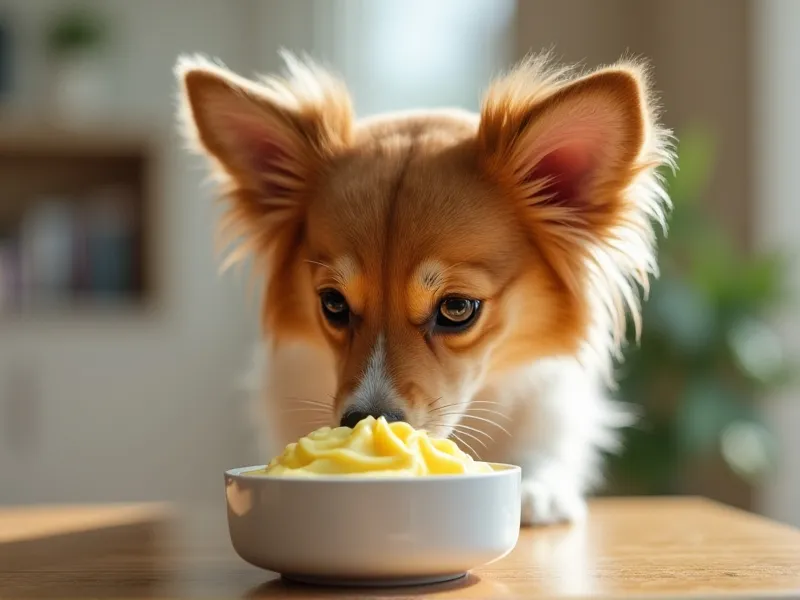
Table of Contents
- Can Dogs Eat Vanilla Pudding? The Short Answer
- Potential “Benefits” of Vanilla Pudding for Dogs: Let’s Be Real
- Risks of Feeding Vanilla Pudding to Dogs: Why It’s a Bad Idea
- If You Must Share: How Much Vanilla Pudding Is “Safe”?
- Healthier Alternatives to Vanilla Pudding
- FAQ: Your Vanilla Pudding Questions Answered
- Conclusion: Prioritize Your Pup’s Health
- References
Can Dogs Eat Vanilla Pudding? The Short Answer
No, vanilla pudding isn’t recommended for dogs.
Technically, a tiny spoonful of plain, unsweetened, additive-free vanilla pudding might not be toxic to most adult dogs. But “not toxic” doesn’t mean “safe” or “healthy.” The risks—like sky-high sugar, dairy sensitivities, and hidden additives—almost always outweigh any minimal perks.
Think of it this way: Vanilla pudding is a human treat, designed for our taste buds, not a dog’s nutritional needs. Your pup’s body isn’t built to process its sugar, lactose, or chemicals—and even small amounts can cause big problems.
Potential “Benefits” of Vanilla Pudding for Dogs: Let’s Be Real
You might wonder, “But doesn’t pudding have milk? Milk has calcium, right?” Let’s set the record straight: Any “benefits” are negligible at best, and better obtained from dog-friendly foods.
The (Very) Small Upsides:
- Trace nutrients: Milk-based pudding contains tiny amounts of calcium, potassium, and protein. But your dog’s regular food is already formulated to meet their calcium and protein needs—pudding is like giving them a sprinkle of vitamins on top of a sugar bomb.
- Hydration: Pudding is moist, so in theory, it might add a tiny bit of moisture. But again, water or low-sodium broth does this without the sugar.
The Bottom Line:
There’s no nutritional reason to feed your dog vanilla pudding. It’s empty calories—like giving them a candy bar in pudding form.
Risks of Feeding Vanilla Pudding to Dogs: Why It’s a Bad Idea
Now, let’s talk about the real dangers. Vanilla pudding is packed with ingredients that can harm your dog, even in small doses. Here’s what to watch for:
1. High Sugar Content: A Recipe for Obesity, Diabetes, and Dental Disaster
Sugar is the biggest culprit. Most store-bought vanilla pudding has 10–15 grams of sugar per ½ cup—that’s 3–4 teaspoons! For context, a 10-pound dog should consume no more than 2 grams of sugar per day (about ½ teaspoon) as a treat, according to the American Kennel Club (AKC). A single spoonful of pudding could max out their daily sugar intake.
- Obesity: Extra sugar turns to fat, leading to obesity, which raises the risk of joint pain, heart disease, and cancer.
- Diabetes: Chronic sugar intake can trigger insulin resistance, leading to diabetes—a lifelong condition requiring daily medication.
- Dental issues: Sugar feeds harmful bacteria in your dog’s mouth, causing cavities, gum disease, and bad breath.
2. Dairy Sensitivity: Stomach Upset, Diarrhea, and Gas
Most dogs are lactose intolerant. After weaning, puppies lose the enzyme lactase, which breaks down lactose (the sugar in milk). Without lactase, dairy products like pudding can cause:
- Bloating, gas, or stomach cramps
- Diarrhea (sometimes severe)
- Vomiting
Even “lactose-free” pudding often has added sugars or artificial sweeteners (more on that next), so it’s not a safe workaround.
3. Hidden Additives: Artificial Flavors, Colors, and Toxic Sweeteners
Store-bought pudding rarely stops at “plain vanilla.” Check the label, and you’ll likely find:
- Artificial flavors/colors: Ingredients like Red 40 or “natural flavor” (which can include chemicals) offer no nutritional value and may trigger allergies or hyperactivity.
- Preservatives: BHA, BHT, or sorbic acid are added to extend shelf life, but some studies link them to long-term health risks in pets.
- Xylitol: The deadliest additive. Sugar-free pudding often uses xylitol, a sugar substitute that’s highly toxic to dogs. Even a small amount can cause seizures, liver failure, or death. Always check labels for xylitol!
4. Choking Hazard: Thick Texture and Quick Gulping
Pudding is thick and sticky. If your dog gulps it down (and let’s be real, most dogs do!), it could lodge in their throat, blocking their airway. Small breeds and flat-faced dogs (like Bulldogs or Pugs) are especially at risk.
If You Must Share: How Much Vanilla Pudding Is “Safe”?
Let’s be clear: We don’t recommend feeding vanilla pudding to dogs. But if you’re in a pinch (e.g., your dog stole a bite before you could stop them), here’s what to know:
- Size matters: A Chihuahua can’t handle the same amount as a Great Dane. A tiny portion—like 1–2 teaspoons for small dogs, 1 tablespoon for large dogs—might not cause immediate harm, but it’s still risky.
- Only plain pudding: No sugar, no artificial flavors, no xylitol, no whipped cream, and no mix-ins (like chocolate chips or nuts, which are toxic).
- Monitor for reactions: Watch for diarrhea, vomiting, gas, or lethargy for 24 hours. If symptoms appear, call your vet.
Pro tip: If your dog begs, distract them with a safe treat instead (we’ll share ideas below!).
Healthier Alternatives to Vanilla Pudding
Instead of sharing your pudding, try these dog-friendly treats that are just as creamy (and way better for them):
1. Plain Greek Yogurt (Unsweetened)
Greek yogurt is high in protein and probiotics, which support gut health. Opt for unsweetened, plain varieties (no added sugar or artificial sweeteners). Freeze it in a ice cube tray for a cool, creamy snack!
Note: Start with a small spoonful to check for lactose sensitivity. Some dogs tolerate yogurt better than milk, but it’s not for everyone.
2. Mashed Banana “Pudding”
Mash a ripe banana with a splash of unsweetened oat milk (or water) for a naturally sweet, creamy treat. Bananas are rich in potassium and fiber, and most dogs go crazy for them.
3. Pumpkin Puree (Plain, Canned)
Plain, unsweetened pumpkin puree (not pie filling!) is a nutritional powerhouse. It’s high in fiber (great for digestion) and beta-carotene (supports eye health). Mix it with a little peanut butter (xylitol-free!) for extra creaminess.
4. Homemade “Dog Pudding”
Whip up this 3-ingredient recipe for a safe, tasty alternative:
- ½ cup plain Greek yogurt (unsweetened)
- ¼ cup mashed banana
- 1 tablespoon pumpkin puree (optional)
Blend until smooth, chill, and serve in a small dish. Your pup will love the creamy texture—without the sugar!
FAQ: Your Vanilla Pudding Questions Answered
Q: Can dogs eat sugar-free vanilla pudding?
A: No! Sugar-free pudding often contains xylitol, a toxic sweetener. Even a tiny amount can kill your dog. Always avoid sugar-free versions.
Q: My dog ate a whole bowl of pudding! What should I do?
A: Call your vet immediately. Watch for symptoms like vomiting, diarrhea, lethargy, or seizures. If the pudding had xylitol, head to the emergency clinic—xylitol poisoning is life-threatening.
Q: Is vanilla extract safe for dogs?
A: Pure vanilla extract contains alcohol, which is toxic in large amounts. A drop or two in pudding is unlikely to harm your dog, but avoid giving them extract directly.
Q: Can puppies eat vanilla pudding?
A: No. Puppies have sensitive digestive systems and are more prone to lactose intolerance. Extra sugar can also disrupt their developing metabolism. Stick to puppy-safe treats like freeze-dried liver or plain yogurt.
Q: What if my dog loves vanilla—are there vanilla-flavored dog treats?
A: Yes! Many dog treat brands make vanilla-flavored biscuits or soft chews with dog-safe ingredients. Look for options with natural vanilla and no added sugar.
Conclusion: Prioritize Your Pup’s Health
At the end of the day, vanilla pudding is a human indulgence—not a dog treat. While sharing a bite might seem harmless, the risks (sugar, dairy, additives) can lead to long-term health issues for your furry friend.
Instead of reaching for the pudding cup, opt for nutrient-dense alternatives like plain yogurt, pumpkin, or homemade dog pudding. Your dog will love the taste, and you’ll love knowing you’re keeping them happy and healthy.
When in doubt, always consult your vet before introducing new foods. They can help you choose treats that fit your dog’s age, breed, and health needs.
After all, the best treat you can give your pup is a long, healthy life—one free of sugar crashes and stomach aches.
References
- American Kennel Club (AKC). “Can Dogs Eat Dairy?” akc.org/expert-advice/nutrition/can-dogs-eat-dairy
- ASPCA Animal Poison Control Center. “Xylitol Toxicity in Dogs.” aspca.org/pet-care/animal-poison-control/xylitol-poisoning-dogs
- PetMD. “Sugar and Dogs: Risks of Too Much Sugar in Dog’s Diet.” petmd.com/dog/nutrition/sugar-and-dogs-risks-too-much-sugar-dogs-diet
- VCA Hospitals. “Lactose Intolerance in Dogs.” vcahospitals.com/know-your-pet/lactose-intolerance-in-dogs