· 9 min read
Can Dogs Eat Vanilla Extract? What Pet Parents Need to Know
The kitchen is your happy place. Flour dusts the counter, a bowl of chocolate chips waits nearby, and you’re measuring out that bottle of vanilla extract—its warm, sweet aroma instantly making the room feel cozier. Then, nudge. Your dog’s head is under your arm, those big, pleading eyes locked on the spoon in your hand. “Just a little taste?” you wonder. After all, vanilla is a staple in so many of our favorite treats—cakes, cookies, ice cream. But can dogs eat vanilla extract? Is that innocent-sounding ingredient actually safe for your pup?
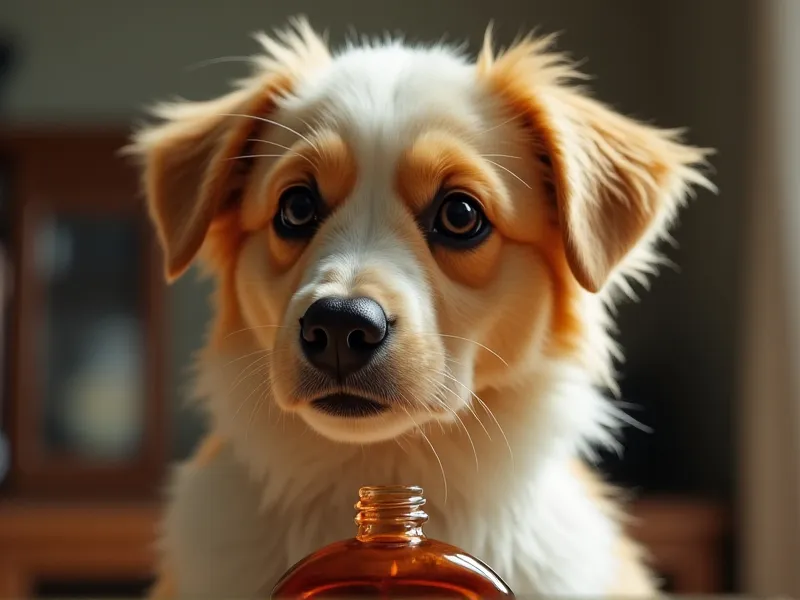
Table of Contents
- Can Dogs Eat Vanilla Extract? The Short Answer
- Potential “Benefits” of Vanilla Extract (But Don’t Get Excited)
- The Risks of Vanilla Extract for Dogs: Why It’s Better to Avoid
- How Much Vanilla Extract Is Safe for Dogs? (Hint: Probably None)
- Healthier Alternatives to Vanilla Extract for Dogs
- FAQ: Your Vanilla Extract Questions Answered
- Conclusion: Keep the Vanilla (Extract) for Your Cookies
Can Dogs Eat Vanilla Extract? The Short Answer
No, dogs should not eat vanilla extract—at least, not intentionally. While vanilla itself (the flavor from vanilla beans) isn’t toxic to dogs, vanilla extract is a concentrated, alcohol-based product that poses significant risks. Most store-bought vanilla extracts contain 35–40% alcohol (that’s stronger than many beers and wines!) and added sugar, both of which are harmful to dogs. Even small amounts can lead to alcohol poisoning, stomach upset, or long-term health issues like obesity or diabetes.
Imitation vanilla extract isn’t safer, either. It often swaps natural vanilla for synthetic vanillin (made from wood pulp or other sources) and may include artificial flavors, colors, or preservatives that could irritate your dog’s system.
Potential “Benefits” of Vanilla Extract (But Don’t Get Excited)
You might be thinking, “But vanilla comes from vanilla beans—aren’t those natural? Maybe they have some nutrients?” It’s true: vanilla beans (the source of vanilla flavor) contain trace amounts of fiber, potassium, and antioxidants like vanillin, which has anti-inflammatory properties. However, vanilla extract is highly concentrated—and most of its volume is alcohol and sugar, not the beneficial parts of the bean.
To put it in perspective: A single teaspoon of vanilla extract might contain a tiny fraction of the fiber or potassium found in a whole vanilla bean. But to get even that minuscule benefit, your dog would have to consume enough extract to risk alcohol poisoning. The “benefits” are negligible compared to the risks.
In short: Don’t reach for vanilla extract as a “supplement” for your dog. The cons far outweigh any potential pros.
The Risks of Vanilla Extract for Dogs: Why It’s Better to Avoid
Let’s break down the biggest dangers of vanilla extract for dogs—because understanding these risks is key to keeping your pup safe.
1. Alcohol Toxicity: The Most Serious Risk
Most vanilla extracts are labeled “pure” or “natural,” but that doesn’t mean they’re harmless. By law, pure vanilla extract must contain at least 35% alcohol (ethanol) to be labeled as such. Imitation extracts may have slightly less, but many still clock in at 20–30% alcohol. For context, beer is about 5% alcohol, and wine is 12–15%.
Dogs are far more sensitive to alcohol than humans. Even small amounts can cause alcohol poisoning, which attacks the central nervous system, liver, and kidneys. Symptoms of alcohol toxicity in dogs include:
- Vomiting or diarrhea
- Lethargy or weakness
- Loss of coordination (ataxia, “drunken” behavior)
- Excessive drooling
- Rapid breathing or heart rate
- Tremors or seizures
- In severe cases, coma or death
How much is too much? A 10-pound dog could start showing symptoms after ingesting just 1 teaspoon of 40% alcohol vanilla extract. A 50-pound dog might need 5 teaspoons to see severe effects. But every dog is different—size, age, and health status play a role. Even a “small” sip could be dangerous for a toy breed or a puppy.
2. Sugar Overload: Empty Calories and Long-Term Risks
Vanilla extract also contains added sugar (or corn syrup) to balance its bitter, alcoholic taste. While a teaspoon of extract might only have 1–2 grams of sugar, those calories are “empty”—they provide no nutritional value, just quick energy that spikes blood sugar.
Over time, regular sugar intake (even in small amounts) can lead to:
- Obesity: Extra calories add up, increasing the risk of joint pain, heart disease, and diabetes.
- Dental issues: Sugar feeds harmful bacteria in your dog’s mouth, leading to plaque, tartar, and tooth decay.
- Diabetes: Chronic high sugar intake can disrupt insulin regulation, putting your dog at risk for type 2 diabetes.
3. Stomach Upset from Strong Flavors
Even if the alcohol and sugar didn’t pose risks, vanilla extract has a strong, concentrated flavor that can irritate your dog’s sensitive stomach. The intense aroma and taste might trigger nausea, vomiting, or diarrhea—especially in dogs with sensitive digestive systems.
4. Hidden Additives in Imitation Extracts
Imitation vanilla extract is cheaper than pure, but it often contains more than just vanillin. Some brands add artificial colors (like Yellow 5 or Red 40), preservatives (like BHA or BHT), or other flavor enhancers. These additives can cause allergic reactions or digestive upset in some dogs. Always check the label—but even “clean” imitation extracts are still high in alcohol or sugar.
How Much Vanilla Extract Is Safe for Dogs? (Hint: Probably None)
The safest answer is: Don’t feed your dog vanilla extract on purpose. Even a tiny amount carries risks, and there’s no nutritional benefit to justify it.
If your dog accidentally licks a drop or two off the counter (say, from a spilled spoon), they’ll likely be fine—monitor them for a few hours for signs of stomach upset, but it’s unlikely to cause alcohol poisoning. However, if they drink a larger amount (like a splash from the bottle), contact your vet or an animal poison control hotline immediately.
When to call the vet: If your dog ingests more than a few drops of vanilla extract, or if you notice symptoms like vomiting, diarrhea, lethargy, or unsteady movement, seek help right away. Time is critical with alcohol toxicity—treatment may include inducing vomiting, administering IV fluids, or giving medications to counteract the alcohol.
Healthier Alternatives to Vanilla Extract for Dogs
If you want to add a little flavor to your dog’s treats (or just share a “special” snack), skip the vanilla extract. These alternatives are safer, tastier, and even offer nutritional benefits:
1. Vanilla Beans (In Tiny Amounts)
Vanilla beans themselves are non-toxic and contain the natural, mild vanilla flavor dogs might enjoy—without the alcohol or sugar. Scrape a tiny bit of the seeds from a vanilla bean (about 1/8 of a bean for a medium dog) and mix it into plain yogurt, mashed banana, or homemade dog treats. The fiber and antioxidants in the bean are a bonus!
2. Plain Yogurt
Unsweetened, plain yogurt is a creamy, probiotic-rich snack that many dogs love. It’s high in protein and calcium, and its mild flavor pairs well with fruits like blueberries or pumpkin. Avoid flavored yogurts (they’re loaded with sugar) and opt for lactose-free if your dog is sensitive to dairy.
3. Mashed Banana
Bananas are a dog-safe favorite, packed with potassium, vitamin B6, and fiber. Mash a small slice into your dog’s food or freeze banana chunks for a cool treat. The natural sweetness satisfies cravings without added sugar.
4. Pumpkin Puree (Unsweetened)
Canned pumpkin (not pumpkin pie filling!) is a nutrient-dense option rich in fiber and beta-carotene. It’s great for settling upset stomachs and adds a mild, earthy flavor to homemade dog biscuits or oatmeal.
5. Unsweetened Applesauce
Unsweetened applesauce is low in sugar and high in fiber and vitamin C. A spoonful mixed into dry food can make mealtime more exciting, or use it as a binder in homemade treats.
FAQ: Your Vanilla Extract Questions Answered
Is imitation vanilla extract safer than pure vanilla extract for dogs?
No. Imitation vanilla may have less alcohol than pure extract, but it often contains artificial additives (like colors or preservatives) and still has sugar. Both types pose risks—stick to safer alternatives instead.
What if my dog drank a whole bottle of vanilla extract?
This is an emergency. A full bottle of vanilla extract contains enough alcohol to cause severe poisoning, even in large dogs. Call your vet or the Pet Poison Helpline (855-764-7661) immediately. Do not wait for symptoms—alcohol is absorbed quickly, and early treatment is critical.
Can dogs have vanilla ice cream?
Vanilla ice cream is not a good choice. It’s high in sugar, dairy (which many dogs can’t digest well), and often contains vanilla extract (with alcohol). If you want to share a frozen treat, try freezing plain yogurt or mashed banana instead.
Are vanilla-scented candles or air fresheners dangerous for dogs?
Inhaling vanilla-scented products is generally safe, but avoid letting your dog lick or chew them (they may contain chemicals or wax that can cause stomach upset). Keep candles out of paw’s reach to prevent burns or ingestion.
Is vanilla extract in dog treats safe?
Some commercial dog treats list “vanilla” or “vanilla flavor” as an ingredient. These are usually safe, as they use tiny amounts of vanilla flavoring (not full-strength extract) or synthetic vanillin without alcohol. Always check the label for added sugars or artificial additives, and choose treats from reputable brands.
Conclusion: Keep the Vanilla (Extract) for Your Cookies
Vanilla extract is a beloved kitchen staple for us, but when it comes to our dogs, it’s best left off the menu. The alcohol and sugar content make it a risky choice, with no real benefits to justify the danger.
Instead of sharing your vanilla extract, opt for safer, tastier alternatives like mashed banana, pumpkin puree, or a tiny scrape of vanilla bean. And if your dog ever accidentally ingests more than a drop, don’t hesitate to contact your vet—better safe than sorry.
At the end of the day, the best treat you can give your dog is your love (and maybe a belly rub). But if you must share a snack, choose something that’s as good for their health as it is for their taste buds.
Your pup will thank you—and your cookies will taste just as sweet without the worry.
References
- American Society for the Prevention of Cruelty to Animals (ASPCA). Alcohol Toxicity in Pets. aspca.org/pet-care/animal-poison-control/toxic-and-non-toxic-plants/alcohol
- Pet Poison Helpline. Vanilla Extract Poisoning in Dogs. petpoisonhelpline.com/poison/vanilla-extract/
- VCA Hospitals. Toxic Substances for Dogs. vcahospitals.com/know-your-pet/toxic-substances
- American Kennel Club (AKC). Can Dogs Eat Vanilla? akc.org/expert-advice/nutrition/can-dogs-eat-vanilla/