· 9 min read
Can Dogs Eat Vanilla Cupcakes? The Sweet Truth Every Pet Parent Needs to Know
It’s a sunny Saturday afternoon, and you’ve just pulled a tray of vanilla cupcakes out of the oven. The kitchen smells like buttery goodness, and as you set them on the counter to cool, you hear a familiar thump-thump of paws. Your dog trots over, ears perked, tail wagging so hard their whole body wiggles. They tilt their head, as if asking, “Can I have a bite?”
We’ve all been there—those puppy-dog eyes are hard to resist. But before you hand over a crumb, it’s critical to ask: Are vanilla cupcakes safe for dogs? After all, our furry friends have different nutritional needs than humans, and some “harmless” treats can hide hidden risks.
In this guide, we’ll break down the facts: whether vanilla cupcakes are toxic, their potential benefits (spoiler: they’re minimal), the real risks to watch for, and safer alternatives to satisfy your dog’s sweet tooth. Let’s dive in!
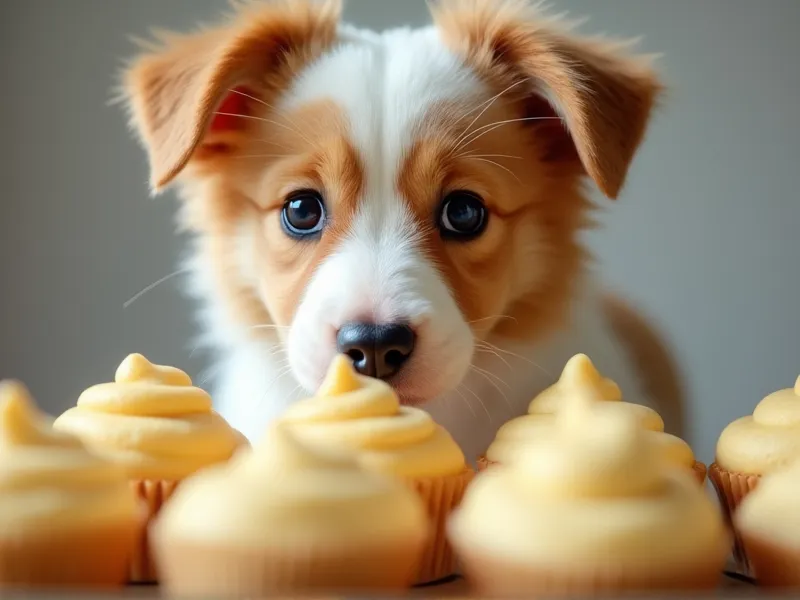
Table of Contents
- Can Dogs Eat Vanilla Cupcakes? The Short Answer
- Potential “Benefits” of Vanilla Cupcakes for Dogs (Spoiler: They’re Tiny)
- The Real Risks: Why Vanilla Cupcakes Are a Bad Idea
- Sugar Overload: A Recipe for Obesity and Diabetes
- Fatty Ingredients: Pancreatitis and Stomach Upset
- Choking Hazards: Sprinkles, Frosting, and Decorations
- Hidden Toxins: Xylitol and Alcohol (Yes, Really!)
- If You Must Share: Safe Feeding Guidelines
- Healthier Alternatives: Dog-Friendly “Cupcakes” Your Pup Will Love
- FAQ: Your Burning Questions Answered
- Conclusion: Prioritize Your Dog’s Health Over the “Aww” Factor
1. Can Dogs Eat Vanilla Cupcakes? The Short Answer
Let’s cut to the chase: Vanilla cupcakes are not toxic to dogs, but they are far from a healthy treat.
Most vanilla cupcakes are made with ingredients like flour, sugar, butter, eggs, milk, and vanilla extract. None of these are poisonous in small amounts, but together, they create a snack that’s high in sugar, fat, and empty calories—all of which can harm your dog’s health over time.
Think of it this way: If you wouldn’t feed your dog a candy bar, you shouldn’t feed them a cupcake. Both are loaded with sugar and offer no nutritional value. That said, a tiny, occasional bite (we’re talking thumbnail-sized) is unlikely to cause immediate harm. But larger portions or regular sharing? That’s where trouble starts.
2. Potential “Benefits” of Vanilla Cupcakes for Dogs (Spoiler: They’re Tiny)
You might be wondering: “But aren’t some cupcake ingredients good for dogs?” Let’s parse the components:
- Eggs: Rich in protein, vitamins (A, B12), and minerals (selenium). Cooked eggs are a great dog treat—but cupcakes only contain a small amount, mixed with sugar and fat.
- Whole Wheat Flour: If the cupcake uses whole wheat, it may have fiber and B vitamins. But again, this is overshadowed by sugar.
- Vanilla Extract: Pure vanilla has trace antioxidants, but most cupcakes use artificial vanilla or tiny amounts of the real stuff.
The bottom line? Any “benefits” are negligible. Your dog would get far more nutrition from a plain cooked egg or a slice of apple than from a cupcake crumb.
3. The Real Risks: Why Vanilla Cupcakes Are a Bad Idea
Now, let’s talk about the risks—because these are what matter most. Vanilla cupcakes may seem harmless, but their ingredients can cause serious health issues for dogs, even in moderate amounts.
Sugar Overload: A Recipe for Obesity and Diabetes
Dogs have no biological need for sugar. Their bodies are designed to get energy from protein and healthy fats, not processed sugars. When dogs eat too much sugar, here’s what happens:
- Obesity: Extra calories from sugar quickly lead to weight gain, which strains joints, increases cancer risk, and shortens lifespan. According to the Association for Pet Obesity Prevention, 60% of dogs in the U.S. are overweight or obese—and treats like cupcakes are a major contributor.
- Diabetes: Just like humans, dogs can develop insulin resistance (type 2 diabetes) from excess sugar. Symptoms include increased thirst, weight loss, and lethargy—and diabetes requires lifelong management with insulin shots.
- Dental Disease: Sugar feeds harmful bacteria in your dog’s mouth, leading to plaque, tartar, and gum disease. By age 3, 80% of dogs have dental issues, and sugary treats only make it worse.
Fatty Ingredients: Pancreatitis and Stomach Upset
Cupcakes are packed with fat from butter, oil, or milk. While a little fat is good for dogs, too much can trigger:
- Pancreatitis: The pancreas produces enzymes to digest food. High-fat meals can cause these enzymes to “leak” and attack the pancreas itself, leading to inflammation (pancreatitis). Symptoms include vomiting, diarrhea, abdominal pain, and lethargy—and severe cases can be fatal.
- Stomach Upset: Dogs’ digestive systems aren’t built for rich, fatty foods. Even a small cupcake can cause diarrhea, gas, or vomiting, especially in sensitive dogs or puppies.
Choking Hazards: Sprinkles, Frosting, and Decorations
Most people don’t serve plain vanilla cupcakes—they add frosting, sprinkles, sprinkles, or even candies. These extras are dangerous:
- Sprinkles: Hard, small, and colorful, sprinkles are a choking risk, especially for small dogs. They can also get stuck in teeth or cause intestinal blockages if swallowed whole.
- Frosting: Frosting is extra sugar (often with artificial colors/flavors) and can be thick, sticky, or even contain nuts (like almonds or walnuts, which are toxic to dogs).
- Candles or Toppers: Plastic or paper decorations can break off and cause choking or internal damage.
Hidden Toxins: Xylitol and Alcohol (Yes, Really!)
While rare in vanilla cupcakes, two ingredients could turn a “harmless” treat into a emergency:
- Xylitol: This sugar substitute is extremely toxic to dogs, even in small amounts. It causes a rapid insulin release, leading to hypoglycemia (low blood sugar), seizures, or liver failure. Always check cupcake labels—some “sugar-free” frostings use xylitol.
- Alcohol in Vanilla Extract: Pure vanilla extract is 35-40% alcohol. A few drops in a cupcake are fine, but if your dog licks up a bottle of vanilla extract? That’s a problem. Symptoms of alcohol poisoning in dogs include vomiting, coordination issues, and coma.
4. If You Must Share: Safe Feeding Guidelines
Let’s be real: Sometimes, you just can’t say no to those puppy eyes. If you must share a tiny bite of vanilla cupcake, follow these rules to minimize risk:
- Stick to Plain Cupcake: No frosting, sprinkles, or decorations. Just the plain cake part.
- Size Matters: For small dogs (under 20 lbs), a crumb the size of a pea. For medium/large dogs, a piece no bigger than your thumbnail.
- Occasional Only: Once a month at most. Regular sugar intake adds up!
- Monitor for Reactions: Watch for vomiting, diarrhea, or lethargy for 24 hours. If you see these, contact your vet.
- Never Feed to Puppies, Seniors, or Sick Dogs: Puppies have sensitive tummies, seniors are prone to diabetes, and dogs with conditions like pancreatitis or obesity should avoid sugar entirely.
5. Healthier Alternatives: Dog-Friendly “Cupcakes” Your Pup Will Love
Instead of sharing your vanilla cupcake, why not bake a dog-safe version? These treats are low in sugar, high in nutrients, and way more delicious (to your pup, anyway). Here are two easy recipes:
Recipe 1: Pumpkin Peanut Butter Dog “Cupcakes”
Ingredients (makes 6 small cupcakes):
- 1 cup whole wheat flour (or oat flour for sensitive dogs)
- 1 tsp baking powder (aluminum-free)
- ½ cup pumpkin puree (no sugar or spices)
- ¼ cup natural peanut butter (xylitol-free!)
- 1 egg (whisked)
- ¼ cup water (or unsweetened almond milk)
Instructions:
- Preheat oven to 350°F (175°C). Line a muffin tin with paper liners.
- Mix flour and baking powder in a bowl.
- In another bowl, stir pumpkin, peanut butter, egg, and water until smooth.
- Combine wet and dry ingredients, mixing just until combined.
- Spoon batter into liners (fill ½ full). Bake 15-20 minutes, or until a toothpick comes out clean.
- Let cool, then top with a dollop of plain Greek yogurt (dogs love it!) or mashed banana.
Recipe 2: Banana Oat “Cupcakes” (No Bake!)
Ingredients (makes 4 treats):
- 1 ripe banana (mashed)
- 1 cup rolled oats (blended into flour)
- 2 tbsp plain Greek yogurt
- 1 tbsp honey (optional, for extra sweetness—use sparingly!)
Instructions:
- Mash banana in a bowl. Add oat flour and yogurt, mixing into a dough.
- Roll into small balls, then flatten into “cupcake” shapes.
- Refrigerate for 30 minutes to firm up. Serve cold!
6. FAQ: Your Burning Questions Answered
Q: Can dogs eat cupcake frosting?
A: No. Frosting is pure sugar (or worse, xylitol) and offers no nutrition. It can cause stomach upset or long-term health issues.
Q: My dog stole a whole cupcake! What should I do?
A: Stay calm. Monitor them for 24 hours for vomiting, diarrhea, lethargy, or abdominal pain. If they show symptoms, contact your vet—especially if the cupcake had xylitol, frosting, or sprinkles.
Q: Is vanilla ice cream better than cupcakes for dogs?
A: No. Ice cream is high in sugar and lactose (many dogs are lactose intolerant). Opt for dog-safe frozen treats like frozen banana slices or plain yogurt cubes.
Q: Can puppies eat vanilla cupcakes?
A: Puppies have delicate digestive systems and are more prone to obesity and diabetes later in life. Skip the cupcake—stick to puppy-safe treats like carrots or blueberries.
Q: Are there any “safe” human cupcakes for dogs?
A: Not really. Even “healthy” human cupcakes (e.g., vegan, gluten-free) still contain sugar and fat. Your dog is better off with a homemade dog treat.
7. Conclusion: Prioritize Your Dog’s Health Over the “Aww” Factor
Sharing a treat with your dog feels like a way to bond, but vanilla cupcakes just aren’t worth the risk. The sugar, fat, and hidden hazards far outweigh any momentary joy of seeing your pup lick their lips.
Instead, opt for dog-safe snacks that nourish their bodies: carrots, blueberries, apple slices (no seeds!), or the homemade “cupcakes” we shared. Your dog will love them just as much, and you’ll rest easy knowing you’re supporting their health.
When in doubt, always consult your vet before introducing new foods to your dog—especially if they have allergies, diabetes, or other health conditions.
After all, a happy dog is a healthy dog. And a healthy dog? They’ll be by your side for many more birthdays (and cupcake-free celebrations) to come.
Sources:
- American Society for the Prevention of Cruelty to Animals (ASPCA): People Foods to Avoid Feeding Your Pets
- American Kennel Club (AKC): Can Dogs Eat This? A List of Human Foods Dogs Can and Can’t Eat
- PetMD: Sugar and Dogs: Is Sugar Bad for Dogs?
- Veterinary Centers of America (VCA): Pancreatitis in Dogs