· 9 min read
Can Dogs Eat Vanilla Cake? The Sweet Truth Every Pet Parent Needs to Know
It’s your birthday, and there’s a beautiful vanilla cake on the table—light, fluffy, and smelling of warm vanilla. As you slice into it, you feel a wet nose nudge your hand: your dog, tail wagging, eyes locked on the treat. “Just a tiny bite won’t hurt, right?” you think.
If you’ve ever found yourself in this scenario, you’re not alone. Vanilla cake is a staple at celebrations, and our pups are experts at begging for a taste. But as a responsible pet parent, you want to know: Is vanilla cake safe for dogs?
In this guide, we’ll break down the risks and (minimal) benefits of sharing vanilla cake with your dog, explore which ingredients are dangerous, and offer healthier alternatives to satisfy their sweet tooth without compromising their health. Let’s dive in!
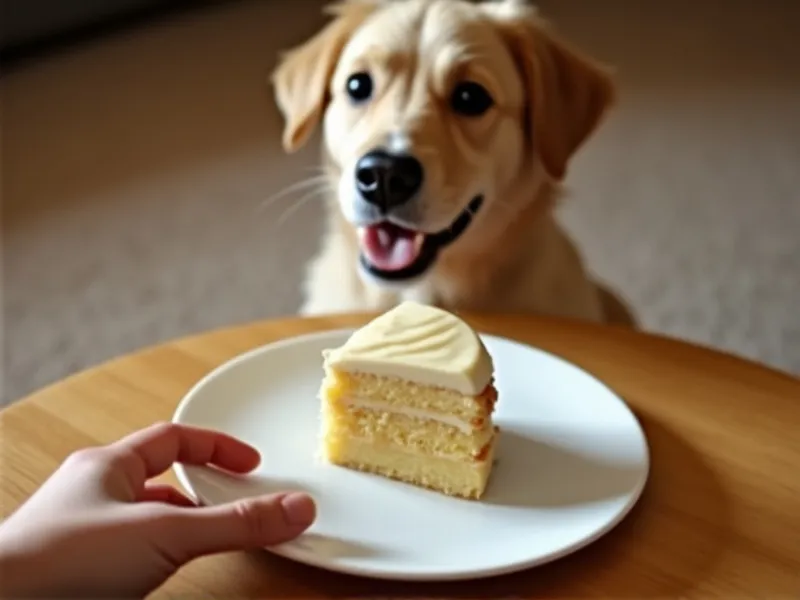
Table of Contents
- Can Dogs Eat Vanilla Cake? The Short Answer
- What’s Actually in Vanilla Cake?
- Potential “Benefits” of Vanilla Cake for Dogs (Spoiler: They’re Minimal)
- The Risks: Why Vanilla Cake Isn’t a Great Choice for Dogs
- If You Must Share: How Much Vanilla Cake Is “Safe”?
- Healthier Alternatives to Vanilla Cake
- FAQ: Your Vanilla Cake Questions Answered
- Conclusion: Prioritize Your Pup’s Health Over the “Cute Factor”
- References
Can Dogs Eat Vanilla Cake? The Short Answer
No, vanilla cake isn’t toxic to dogs, but it’s not a safe or recommended treat.
Plain vanilla cake (without toxic add-ons like chocolate, raisins, or xylitol) might not immediately harm your dog, but its high sugar, fat, and processed ingredients pose significant long-term risks. Think of it like junk food for humans: a tiny bite here and there won’t kill you, but it’s not doing your body any favors. For dogs, whose bodies process sugar and fat differently, the risks are even greater.
That said, if your dog snags a tiny crumb off the floor, don’t panic. But intentional feeding? It’s best to skip it. Let’s unpack why.
What’s Actually in Vanilla Cake?
To understand why vanilla cake isn’t ideal for dogs, let’s break down its typical ingredients. A basic vanilla cake recipe might include:
- Flour: Usually wheat flour, which is generally safe for dogs in small amounts (unless they have a wheat allergy).
- Sugar: White sugar, brown sugar, or confectioners’ sugar—the biggest culprit.
- Butter or oil: High in saturated fat.
- Eggs: A good source of protein and nutrients (safe for dogs in moderation).
- Vanilla extract: Often contains alcohol (more on that later).
- Milk or buttermilk: Dairy, which some dogs are lactose intolerant to.
- Frosting/icing: Typically loaded with sugar, butter, and sometimes toxic ingredients like chocolate, sprinkles, or xylitol (a sugar substitute that’s deadly to dogs).
- Add-ons: Sprinkles, nuts, raisins, or chocolate chips—all potential choking hazards or toxic.
The problem? Even “plain” vanilla cake is a sugar and fat bomb, and many store-bought or homemade versions include hidden dangers. Let’s dig into the risks (and the few, negligible benefits) next.
Potential “Benefits” of Vanilla Cake for Dogs (Spoiler: They’re Minimal)
The user mentioned “nutrients, fiber, potassium” as potential benefits, but let’s be real: vanilla cake is not a health food. Any “benefits” are overshadowed by its drawbacks. Here’s the breakdown:
- Eggs: Provide protein, vitamins (A, B12), and minerals (selenium). But eggs are already a great standalone treat for dogs—no need to hide them in cake!
- Milk: Contains calcium and protein, but many dogs are lactose intolerant, leading to gas, diarrhea, or upset stomach.
- Flour: Some fiber, but again, whole grains like oats or brown rice are better sources of fiber for dogs.
In short: The微量 (tiny) nutrients in vanilla cake aren’t worth the sugar, fat, and processed junk. Your dog would get far more benefit from a plain boiled egg or a slice of apple than a bite of cake.
The Risks: Why Vanilla Cake Isn’t a Great Choice for Dogs
Now, let’s talk about the real concerns. Vanilla cake poses several risks to dogs, from immediate discomfort to long-term health issues.
1. Sugar Overload: Obesity, Diabetes, and Dental Disease
Dogs don’t need sugar in their diet. Their bodies aren’t designed to process large amounts of it, leading to:
- Obesity: Extra sugar turns to fat, and obesity in dogs increases the risk of joint pain, heart disease, and cancer. According to the Association for Pet Obesity Prevention, 60% of dogs in the U.S. are overweight or obese—and treats like cake are a major contributor.
- Diabetes: Chronic sugar intake can lead to insulin resistance, a precursor to diabetes. Once diagnosed, diabetes requires lifelong insulin shots and careful monitoring.
- Dental decay: Sugar feeds harmful bacteria in your dog’s mouth, leading to plaque, tartar, and gum disease.
Even a small slice of cake can contain 10–20 grams of sugar—way more than a dog needs in a day (their daily carb intake should come from whole foods, not added sugar).
2. Stomach Upset from Rich Ingredients
Dogs have sensitive digestive systems, and rich, fatty foods like cake can cause:
- Vomiting or diarrhea: The high fat and sugar can irritate the gut, leading to loose stools or vomiting (especially in small dogs or those with sensitive stomachs).
- Pancreatitis: A life-threatening condition where the pancreas becomes inflamed, often triggered by high-fat foods. Symptoms include severe abdominal pain, lethargy, and loss of appetite. Even a small amount of butter or oil in cake can raise the risk.
3. Choking Hazards and Hidden Toxins
Cake isn’t just about the cake itself—frosting, sprinkles, and add-ons are often more dangerous than the cake layers:
- Frosting: Loaded with sugar, and sometimes contains xylitol (a sugar substitute toxic to dogs, even in tiny amounts). Xylitol causes a rapid drop in blood sugar, leading to seizures, liver failure, or death. Always check frosting labels!
- Sprinkles, nuts, or hard decorations: Small, hard pieces can lodge in a dog’s throat or intestines, causing choking or blockages.
- Chocolate, raisins, or currants: These are toxic to dogs. Even a chocolate drizzle or raisin in the cake can cause kidney failure (raisins) or seizures (chocolate, depending on the type).
4. Vanilla Extract: A Hidden Alcohol Risk
Vanilla extract is made by soaking vanilla beans in alcohol (usually vodka). Most recipes call for 1–2 teaspoons, which dilutes the alcohol, but in large amounts, vanilla extract can cause alcohol poisoning in dogs. Symptoms include vomiting, diarrhea, coordination issues, or even coma. A tiny splash in cake is unlikely to harm your dog, but it’s yet another reason to avoid the treat.
If You Must Share: How Much Vanilla Cake Is “Safe”?
Let’s say it’s your dog’s birthday, and you really want to share a “treat.” What’s the absolute minimum you can give without major risk?
A tiny, thumbnail-sized bite of plain vanilla cake (no frosting, no add-ons) might be okay for a medium to large dog. For small dogs (under 20 lbs), even that could be too much.
But here’s the catch:
- No toxic ingredients: Ensure the cake has no chocolate, raisins, xylitol, nuts, or alcohol (beyond trace amounts in vanilla extract).
- Monitor for reactions: Watch for vomiting, diarrhea, lethargy, or excessive thirst/urination for 24 hours after feeding.
- Never make it a habit: This is a one-time, emergency “I feel guilty” bite—not a regular treat.
Honestly? It’s easier (and safer) to skip the cake altogether. Your dog won’t know the difference, and their body will thank you.
Healthier Alternatives to Vanilla Cake
Instead of vanilla cake, spoil your dog with these dog-safe, nutrient-dense treats. They’ll love them just as much (if not more!), and you’ll avoid the guilt:
1. Homemade Dog-Friendly “Cake”
Whip up a simple cake using dog-safe ingredients:
- Base: Mashed banana + oats + egg (bind with a splash of water).
- Frosting: Plain Greek yogurt (no sugar) or peanut butter (check for xylitol!).
- Toppings: Blueberries, sliced strawberries, or a sprinkle of cinnamon (safe for dogs in small amounts).
Pro tip: Search for “dog birthday cake recipes” online—there are tons of vet-approved options!
2. Fresh Fruits and Veggies
Dogs go crazy for these natural sweets:
- Apples: Remove seeds (they contain cyanide, though small amounts are harmless) and core. High in fiber and vitamin C.
- Bananas: Rich in potassium and fiber (great for training treats!).
- Carrots: Crunchy and low-calorie—perfect for dental health.
- Pumpkin: Canned, unsweetened pumpkin is high in fiber and helps with digestion.
3. Store-Bought Dog Treats
Look for treats with limited ingredients (e.g., “sweet potato chews” or “salmon jerky”) and no added sugar. Brands like Blue Buffalo or Wellness offer great options.
FAQ: Your Vanilla Cake Questions Answered
Q: My dog stole a big piece of vanilla cake with frosting! What should I do?
A: Stay calm. First, check the frosting for xylitol (look for “sugar-free” or “low-sugar” labels—xylitol is often in these). If xylitol is present, call your vet immediately—it’s life-threatening. If not, monitor your dog for 24 hours. Watch for vomiting, diarrhea, or lethargy. If symptoms appear, contact your vet.
Q: Is vanilla extract safe for dogs?
A: Small amounts (like the teaspoon in a cake recipe) are unlikely to harm your dog. But pure vanilla extract (straight from the bottle) is high in alcohol and dangerous. Keep extract bottles out of your dog’s reach!
Q: Can dogs have vanilla ice cream instead of cake?
A: Ice cream is even worse than cake—it’s loaded with sugar, fat, and lactose (which many dogs can’t digest). Opt for dog-safe frozen treats instead, like frozen banana slices or pet-safe ice cream (yes, that’s a thing!).
Q: What if my dog is allergic to wheat? Can they have gluten-free vanilla cake?
A: Gluten-free cake (made with rice flour or almond flour) removes the wheat, but it’s still packed with sugar and fat. Allergies aside, it’s still junk food for dogs. Stick to allergy-friendly alternatives like sweet potato or pumpkin.
Conclusion: Prioritize Your Pup’s Health Over the “Cute Factor”
It’s hard to resist those puppy eyes when cake is on the table, but remember: your dog’s health depends on your choices. Vanilla cake is a sugary, fatty, processed treat with no real nutritional value—and plenty of risks.
Instead of sharing cake, opt for a walk, a new toy, or a dog-safe snack. Your pup will be just as happy, and you’ll have peace of mind knowing you’re keeping them healthy.
And if you’re ever unsure about a food, always consult your vet. They know your dog’s specific needs (allergies, weight, health conditions) and can give personalized advice.
Here’s to many more tail-wagging, healthy celebrations with your favorite furry friend!
References
- Association for Pet Obesity Prevention. (2023). Pet Obesity Statistics. petobesityprevention.org
- American Society for the Prevention of Cruelty to Animals (ASPCA). (n.d.). Toxic and Non-Toxic Plants. aspca.org/pet-care/animal-poison-control/toxic-and-non-toxic-plants
- ASPCA. (n.d.). Xylitol Poisoning in Dogs. aspca.org/pet-care/animal-poison-control/xylitol-poisoning-dogs
- American Veterinary Medical Association (AVMA). (2021). Obesity in Pets. avma.org/resources/pet-owners/petcare/obesity-pets
- PetMD. (2022). Can Dogs Eat Vanilla Extract? petmd.com/dog/nutrition/can-dogs-eat-vanilla-extract