· 8 min read
Can Dogs Eat Uncooked Sweet Potatoes? Benefits, Risks & Safe Guidelines
Picture this: You’re in the kitchen, peeling vibrant orange sweet potatoes for a cozy dinner. Suddenly, a wet nose nudges your hand, and a pair of puppy eyes locks onto the raw, crunchy slice in your fingers. “Just a little taste?” your dog seems to beg. It’s a common scenario for pet parents—we want to share healthy snacks with our furry friends, and sweet potatoes are packed with nutrients. But here’s the big question: Are uncooked sweet potatoes safe for dogs?
In this guide, we’ll break down everything you need to know about feeding raw sweet potatoes to your pup. From the potential benefits (yes, they exist!) to the hidden risks (spoiler: there are a few), we’ll help you make an informed choice. Plus, we’ll share safer alternatives and expert guidelines to keep your dog happy and healthy. Let’s dig in!
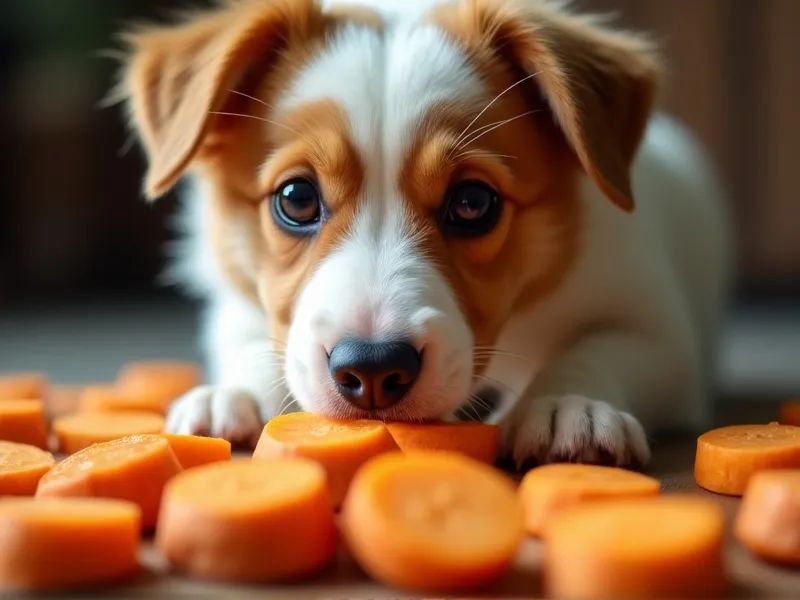
Table of Contents
- Can Dogs Eat Uncooked Sweet Potatoes? The Short Answer
- The Nutritional Benefits of Sweet Potatoes for Dogs (When Prepared Safely)
- Risks of Feeding Uncooked Sweet Potatoes to Dogs
- How Much Uncooked Sweet Potato Can Dogs Eat? (If Any)
- Healthier Alternatives to Uncooked Sweet Potatoes
- FAQ: Your Uncooked Sweet Potato Questions Answered
- Conclusion: Prioritize Safety and Moderation
- References
Can Dogs Eat Uncooked Sweet Potatoes? The Short Answer
No, uncooked sweet potatoes are not recommended for dogs. While sweet potatoes themselves are a nutrient-dense food with plenty of health benefits, serving them raw poses unnecessary risks. Uncooked sweet potatoes are starchy, hard, and difficult for dogs to digest, which can lead to stomach upset, choking, or even intestinal blockages.
The good news? Cooked sweet potatoes (without added sugars, spices, or butter) are a safe, healthy treat for most dogs. Cooking breaks down the tough starch, making them easier to chew, digest, and absorb nutrients from. So skip the raw slice and opt for a baked or boiled version instead!
The Nutritional Benefits of Sweet Potatoes for Dogs (When Prepared Safely)
Before we dive into the risks of raw sweet potatoes, let’s highlight why these root veggies are worth considering as a treat—when cooked. Sweet potatoes are packed with vitamins, minerals, and fiber that can support your dog’s health:
1. Rich in Vitamins A and C
- Vitamin A: Essential for eye health, immune function, and healthy skin/coat. A single cup of cooked sweet potato provides over 100% of a dog’s daily vitamin A needs (in a safe, natural form, unlike synthetic supplements which can be toxic in excess).
- Vitamin C: An antioxidant that boosts the immune system and helps fight inflammation.
2. Fiber for Digestive Health
Sweet potatoes are high in dietary fiber, which supports regular bowel movements and can soothe an upset stomach (think: diarrhea or constipation). Fiber also helps dogs feel full, which can aid in weight management.
3. Potassium for Heart and Muscle Health
Potassium is crucial for maintaining healthy heart function, muscle contractions, and fluid balance. Cooked sweet potatoes are a great source of this mineral, especially for active dogs.
4. Low in Fat and Calories (When Unseasoned)
Unlike fatty treats like cheese or bacon, cooked sweet potatoes are low in fat and calories, making them a smart choice for dogs watching their weight.
5. Natural Energy from Complex Carbs
The starch in cooked sweet potatoes breaks down into glucose, providing a steady source of energy—perfect for playful pups or senior dogs needing a gentle boost.
Risks of Feeding Uncooked Sweet Potatoes to Dogs
While cooked sweet potatoes are a healthy treat, raw sweet potatoes come with several risks that pet parents should avoid:
1. Digestive Upset
Raw sweet potatoes are dense in starch, which dogs’ digestive systems struggle to break down. This can lead to:
- Bloating
- Gas
- Diarrhea
- Stomach cramps
Dogs lack the enzyme amylase in their saliva (unlike humans), which helps break down starch. Without cooking, the starch remains tough, leading to fermentation in the gut and uncomfortable side effects.
2. Choking Hazard
Raw sweet potatoes are hard and can be difficult for dogs to chew, especially small breeds or dogs who gulp their food. A large chunk could get stuck in their throat, blocking airflow. Even small pieces pose a risk if not chewed properly.
3. Intestinal Blockage
If your dog swallows a large piece of raw sweet potato, it could lodge in their intestines, causing a blockage. Symptoms of blockage include vomiting, loss of appetite, lethargy, and abdominal pain—this is a medical emergency requiring immediate vet care.
4. High Sugar Content (In Excess)
While natural sugars in sweet potatoes are healthier than added sugars, they’re still sugars. Feeding large amounts (even cooked) can lead to weight gain, dental issues, or increased blood sugar levels—especially problematic for dogs with diabetes or obesity. Raw sweet potatoes offer no advantage here; the sugar content remains the same, but digestibility is worse.
How Much Uncooked Sweet Potato Can Dogs Eat? (If Any)
If you’re tempted to share a tiny piece of raw sweet potato with your dog, ask yourself: Is the risk worth it? The answer is almost always no. Even a small raw slice could cause stomach upset, and there’s no nutritional benefit over cooked.
If you insist on offering raw (we strongly advise against it), stick to an extremely small portion—no larger than a pea-sized piece for small dogs, or a dime-sized piece for large breeds. Monitor your dog closely for 24 hours for signs of choking, vomiting, or diarrhea.
Better yet: Follow the 10% rule. Treats (including cooked sweet potatoes) should make up no more than 10% of your dog’s daily calorie intake. For reference:
- A 20lb dog: ~100 calories/day from treats → 1–2 tablespoons of cooked sweet potato.
- A 50lb dog: ~250 calories/day from treats → 2–3 tablespoons of cooked sweet potato.
Always adjust based on your dog’s age, activity level, and health status (e.g., diabetic dogs need stricter limits).
Healthier Alternatives to Uncooked Sweet Potatoes
Skip the raw and try these safe, nutrient-packed alternatives instead:
1. Cooked Sweet Potatoes
Bake, boil, or steam sweet potatoes until soft, then mash or cube them. Avoid adding butter, sugar, cinnamon, or salt—these can upset your dog’s stomach or lead to health issues (e.g., cinnamon is toxic to some dogs in large amounts).
2. Pumpkin (Cooked or Canned, No Sugar Added)
Plain pumpkin is rich in fiber and beta-carotene (which converts to vitamin A). It’s great for digestive health and can be mixed into kibble or served as a standalone treat.
3. Carrots (Raw or Cooked)
Crunchy raw carrots are a low-calorie, high-fiber snack that’s safe for most dogs. They’re also great for dental health, as chewing them can scrape plaque off teeth.
4. Green Beans (Steamed or Raw)
Fresh or steamed green beans are loaded with vitamins K and C, plus fiber. They’re a great low-calorie treat for weight-conscious dogs.
5. Butternut Squash (Cooked)
Similar to sweet potatoes, butternut squash is rich in vitamins A and C, fiber, and potassium. Bake or boil until soft, then mash or dice.
FAQ: Your Uncooked Sweet Potato Questions Answered
Q: Can puppies eat uncooked sweet potatoes?
A: No. Puppies have sensitive digestive systems and are more prone to choking on hard foods. Stick to cooked, mashed sweet potatoes in tiny portions (e.g., 1 teaspoon for a 10lb puppy).
Q: Are sweet potato skins safe for dogs?
A: Cooked sweet potato skins are safe in small amounts—they’re high in fiber! Raw skins are tough and can cause choking or blockages, so always cook them first.
Q: My dog ate a raw sweet potato chunk. Should I panic?
A: Stay calm, but monitor them closely. If the piece was small, they may just have gas or diarrhea. If it was large, watch for vomiting, lethargy, or inability to defecate—these could signal a blockage, and you should call your vet immediately.
Q: Can dogs eat sweet potato fries?
A: No. Fries are fried in oil, which is high in fat and can cause pancreatitis in dogs. They’re also often seasoned with salt, garlic, or onion—all toxic to dogs.
Q: Are white sweet potatoes safer than orange ones?
A: Both white and orange sweet potatoes are safe when cooked. Orange varieties have more beta-carotene (vitamin A), while white ones are higher in starch. Raw versions of both pose the same risks.
Q: Can diabetic dogs eat cooked sweet potatoes?
A: Maybe, but in strict moderation. Sweet potatoes are high in natural sugars, so consult your vet first. They may recommend limiting portions or avoiding them altogether.
Conclusion: Prioritize Safety and Moderation
Sweet potatoes are a nutrient-dense food that can be a healthy addition to your dog’s diet—when cooked. Uncooked sweet potatoes, however, are risky and offer no benefits over their cooked counterparts. From choking hazards to digestive upset, the risks far outweigh any potential perks.
When sharing treats, always opt for cooked, unseasoned sweet potatoes, and stick to the 10% rule. And as with any new food, introduce it slowly and monitor your dog for adverse reactions. If you’re unsure whether sweet potatoes are right for your pup (e.g., due to diabetes or digestive issues), consult your vet.
Your dog’s health and safety are worth the extra step of boiling or baking that sweet potato. Happy snacking!
References
- American Kennel Club (AKC). “Can Dogs Eat Sweet Potatoes?” akc.org
- ASPCA. “People Foods to Avoid Feeding Your Pets.” aspca.org
- VCA Hospitals. “Nutrition: Sweet Potatoes for Dogs.” vcahospitals.com
- PetMD. “Can Dogs Eat Sweet Potatoes? Benefits & Risks.” petmd.com
- Cummings Veterinary Medical Center (Tufts University). “Dietary Fiber for Dogs and Cats.” tuftsmedicalcenter.org