· 8 min read
Can Dogs Eat Uncooked Hot Dogs? The Surprising Truth Every Pet Parent Should Know
It’s a sunny Saturday afternoon, and you’re gearing up for a backyard BBQ. As you unpack the hot dogs, your dog—let’s call him Max—trots over, tail thumping a rapid beat against the deck. His big, hopeful eyes lock onto the uncooked hot dog in your hand, and his nose twitches like a metronome. “C’mon, just a tiny bite?” you think. After all, it’s meat, right? What could go wrong?
If you’ve ever found yourself in this scenario, you’re not alone. Pet parents often wonder if human foods are safe for their furry friends, and hot dogs—with their salty, meaty allure—are a common culprit. But before you toss Max that uncooked hot dog, let’s dig into the facts: Can dogs eat uncooked hot dogs? Spoiler: The answer isn’t as simple as “yes” or “no.” In fact, it’s a resounding “probably not,” and here’s why.
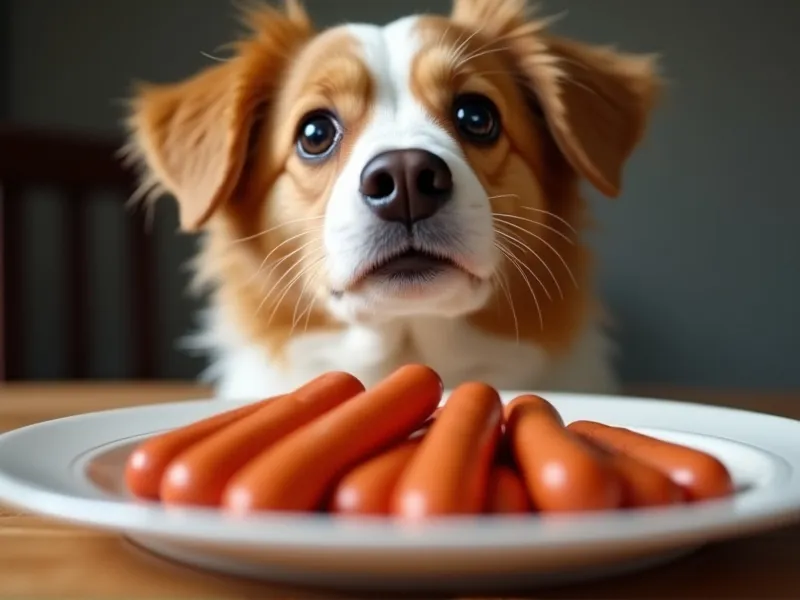
Table of Contents
- Can Dogs Eat Uncooked Hot Dogs? The Short Answer
- Are There Any Benefits to Uncooked Hot Dogs for Dogs?
- The Risks of Feeding Uncooked Hot Dogs to Dogs
- How Much (If Any) Uncooked Hot Dog Is Safe for Dogs?
- Healthier Alternatives to Hot Dogs for Dogs
- Frequently Asked Questions (FAQ)
- Conclusion: Prioritize Your Dog’s Health
Can Dogs Eat Uncooked Hot Dogs? The Short Answer
No, dogs should not eat uncooked hot dogs. While a single tiny bite might not immediately harm your pup, uncooked hot dogs pose significant health risks that far outweigh any potential “benefits.” From bacterial infections to choking hazards, the dangers are real—and avoidable.
To be clear: This isn’t just about “raw vs. cooked.” Even cooked hot dogs are a poor choice for dogs (more on that later), but uncooked ones add an extra layer of risk. Let’s break down why.
Are There Any Benefits to Uncooked Hot Dogs for Dogs?
Let’s start with the good news (or lack thereof). You might assume hot dogs, being “meat,” offer some nutritional value. After all, dogs are carnivores, right? While it’s true that dogs need protein, hot dogs are a processed meat product—hardly a nutrient-dense choice.
Here’s the reality:
- Protein: Hot dogs do contain protein (from pork, beef, chicken, or turkey), but it’s often low-quality, made from scraps and byproducts. Your dog gets far better protein from lean, unprocessed meats like grilled chicken or turkey.
- Other nutrients: Hot dogs are high in fat and salt but缺乏 essential vitamins (like A, C, or B12), minerals (like iron or calcium), and fiber. The “benefits” here are negligible at best.
In short: There’s no nutritional reason to feed your dog uncooked hot dogs. Any protein they might get is overshadowed by the risks, which we’ll dive into next.
The Risks of Feeding Uncooked Hot Dogs to Dogs
Uncooked hot dogs are a minefield of potential dangers. Let’s unpack each one.
Bacterial Contamination: A Hidden Danger
Raw or undercooked meat—including hot dogs—can harbor harmful bacteria like Salmonella, E. coli, or Listeria. These pathogens can cause severe gastrointestinal issues in dogs, including:
- Vomiting
- Diarrhea (sometimes bloody)
- Abdominal pain
- Fever
- Dehydration
In severe cases, bacterial infections can lead to sepsis (a life-threatening blood infection) or organ failure, especially in puppies, senior dogs, or those with weakened immune systems.
Even if your hot dogs are “pre-cooked” (many are labeled as such), the FDA warns that pre-cooked meats can still carry bacteria if not reheated properly. Uncooked hot dogs skip that critical heating step, leaving bacteria intact.
Choking Hazard: Size and Texture Matter
Hot dogs are cylindrical, rubbery, and the perfect size to get stuck in a dog’s throat. This is true for both cooked and uncooked hot dogs, but uncooked ones are firmer and less pliable, making them even more likely to lodge in your pup’s airway.
Small dogs are especially at risk, but even large breeds can choke. Signs of choking include:
- Pawing at the mouth
- Gagging or retching
- Difficulty breathing
- Bluish gums (a sign of oxygen deprivation)
If you suspect your dog is choking, act fast: Contact your vet immediately or use the Heimlich maneuver for dogs (ask your vet to demonstrate this technique!).
High Sodium: Bad for Your Dog’s Heart and Kidneys
Dogs need only a tiny amount of sodium to stay healthy—about 100 mg per 100 calories of food, according to the National Research Council. A single standard hot dog (50-60 grams) contains 300-500 mg of sodium—that’s more than a small dog’s entire daily sodium requirement in one bite!
Excess sodium can lead to:
- Thirst and excessive urination (straining the kidneys)
- Sodium ion poisoning (symptoms include vomiting, diarrhea, tremors, seizures, and even death)
- Long-term kidney damage or high blood pressure (hypertension), which increases the risk of heart disease.
Added Sugars, Onions, and Garlic: Toxic Ingredients
Many hot dogs (especially “flavored” varieties like honey-glazed or garlic) contain added sugars, onions, or garlic—all of which are bad news for dogs.
- Sugar: Dogs don’t need sugar in their diet. Excess sugar leads to obesity, dental decay, and even diabetes.
- Onions and garlic: These belong to the allium family, which is toxic to dogs. Even small amounts can damage red blood cells, causing anemia (symptoms include weakness, lethargy, and pale gums). Onion/garlic powder is often hidden in processed foods like hot dogs, so always check the label!
Preservatives: Nitrates and Nitrites
To extend shelf life, hot dogs are often treated with nitrates or nitrites. While the FDA considers these safe for humans in small amounts, their effects on dogs are less studied—and concerning.
Some research suggests nitrates can convert to nitrosamines (cancer-causing compounds) in the body, especially when combined with high heat (though this is more of a risk with cooked hot dogs). For dogs, whose bodies process toxins differently than humans, the long-term risks aren’t worth it.
How Much (If Any) Uncooked Hot Dog Is Safe for Dogs?
The safest answer? None. There’s no “safe” amount of uncooked hot dog to feed your dog, because even a small piece can trigger choking, bacterial infection, or sodium overload.
If your dog accidentally snatches a tiny bite (e.g., a crumb from the floor), monitor them for 24-48 hours. Watch for signs of gastrointestinal upset (vomiting, diarrhea) or allergic reactions (itching, swelling). If symptoms appear, call your vet.
If your dog eats a whole uncooked hot dog (or more), contact your vet immediately. They may recommend inducing vomiting (if done within 2 hours of ingestion) or monitoring for bacterial infection.
Healthier Alternatives to Hot Dogs for Dogs
Instead of hot dogs, treat your pup to these safe, nutrient-dense options:
1. Lean, Cooked Meats
- Chicken or turkey: Boiled, grilled, or baked (no salt, seasoning, or skin).
- Beef or pork: Lean cuts (e.g., sirloin) cooked thoroughly.
2. Dog-Safe Veggies
- Carrots: Crunchy and low-calorie—great for dental health!
- Green beans: Fresh or steamed (no butter or salt).
- Sweet potatoes: Baked or mashed (a good source of fiber and vitamins).
3. Fruits (In Moderation)
- Apples: Remove the core and seeds (they contain cyanide).
- Blueberries: Packed with antioxidants.
- Bananas: A natural source of potassium (limit to 1-2 slices per day due to sugar).
4. Commercial Dog Treats
Opt for high-quality treats made with whole-food ingredients (look for brands with no added sugars, preservatives, or byproducts).
Frequently Asked Questions (FAQ)
Q: Can dogs eat cooked hot dogs instead?
A: Cooked hot dogs are slightly safer (no raw bacteria risk), but they’re still not a good choice. They’re high in sodium, fat, and preservatives. If you must give a cooked hot dog, make it a tiny piece (no bigger than your thumbnail) as an occasional treat—and only plain (no onions, garlic, or added sugars).
Q: My dog ate a whole uncooked hot dog! What should I do?
A: Call your vet right away. They may want to examine your dog for choking, check for signs of bacterial infection, or monitor sodium levels. Don’t wait for symptoms—act fast!
Q: Are “organic” or “all-natural” hot dogs safer for dogs?
A: No. Even organic hot dogs are still processed, high in sodium, and may contain nitrates. They’re not a health food for dogs.
Q: What if my dog loves hot dogs? Can I never give them one?
A: It’s hard to resist those puppy eyes, but your dog’s health is worth it! Try redirecting with a healthier treat (like a carrot or piece of chicken). Over time, they’ll learn to love the new options.
Conclusion: Prioritize Your Dog’s Health
At the end of the day, the question “Can dogs eat uncooked hot dogs?” has a clear answer: No. The risks—bacterial infections, choking, sodium poisoning, and more—are simply too great.
Dogs thrive on a balanced diet of high-quality dog food, supplemented with safe, whole-food treats. Hot dogs (raw or cooked) offer nothing but empty calories and potential harm.
When in doubt, always consult your vet before introducing new foods to your dog’s diet. They know your pup’s unique health needs and can guide you toward treats that are both delicious and safe.
So next time you’re grilling, skip the hot dog for Max. Instead, toss him a carrot stick or a piece of grilled chicken. His tail will wag just as hard—and you’ll both rest easier knowing he’s happy and healthy.
Sources: