· 7 min read
Can Dogs Eat Uncooked Chicken Bones? The Surprising Truth Every Pet Parent Needs to Know
It’s a scene many of us know too well: You’re clearing the dinner table, a leftover chicken bone in hand, when your dog trots over, tail wagging, eyes locked on the prize. “Just a tiny bone can’t hurt, right?” you think. After all, dogs in the wild eat bones—so why would a chicken bone be any different?
If you’ve ever asked yourself, “Can dogs eat uncooked chicken bones?” you’re not alone. It’s one of the most common questions vets and pet experts get, and the answer isn’t as simple as a yes or no. While some pet parents swear by raw bones as a “natural” treat, the reality is far more nuanced—and potentially dangerous.
In this post, we’ll break down the risks, debunk myths, and share safer alternatives to keep your pup happy and healthy. Let’s dive in.
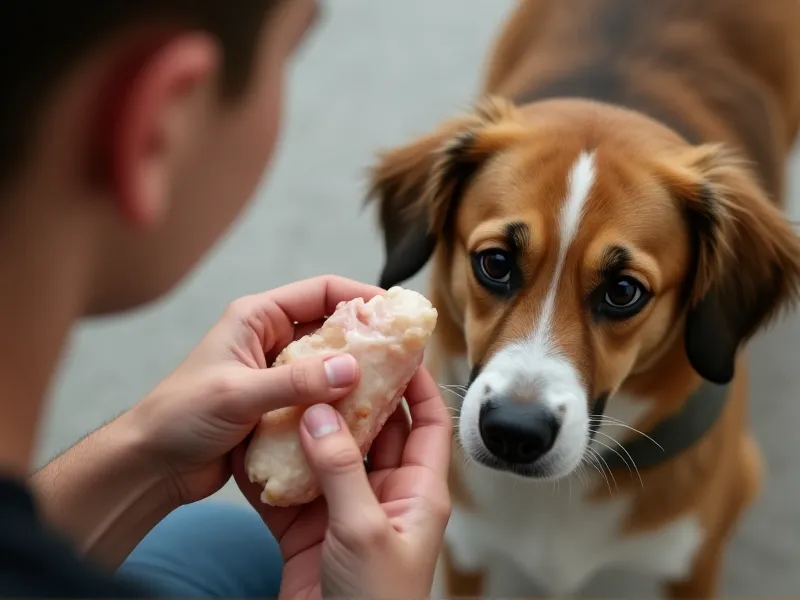
Table of Contents
- Can Dogs Eat Uncooked Chicken Bones? The Short Answer
- The Potential “Benefits”: What Some Pet Parents Think
- The Risks: Why Uncooked Chicken Bones Are a Major Concern
- How Much (If Any) Is Safe to Feed?
- Healthier Alternatives to Uncooked Chicken Bones
- FAQ: Your Most Pressing Questions Answered
- Conclusion: Prioritizing Your Dog’s Safety
Can Dogs Eat Uncooked Chicken Bones? The Short Answer
No, dogs should not eat uncooked chicken bones.
While it’s true that wild canines (like wolves) eat bones, domestic dogs are not wild animals. Their digestive systems, behavior, and the types of bones available to them are vastly different. Uncooked chicken bones—whether from wings, drumsticks, or breasts—pose serious risks to your dog’s health, including choking, internal injuries, and bacterial infections. Even small amounts can lead to life-threatening emergencies.
The Potential “Benefits”: What Some Pet Parents Think
Before we dive into the risks, let’s address why some pet parents might consider feeding uncooked chicken bones. Proponents of raw diets (BARF, or “Biologically Appropriate Raw Food”) often argue that bones are a natural source of nutrients. Here’s what they claim:
- Nutrients like calcium and phosphorus: Bones (especially marrow bones) contain minerals that support bone health, teeth, and muscle function.
- Dental benefits: Chewing bones may help scrape plaque off teeth (though this is debated).
- Mental stimulation: Chewing is a natural behavior for dogs, and bones can keep them occupied.
While these points sound appealing, they’re overshadowed by the dangers of whole, uncooked chicken bones. For example:
- Calcium and phosphorus can be obtained from safer sources (e.g., boneless raw meat, vet-approved supplements).
- Dental benefits are minimal compared to the risk of broken teeth or choking.
- Mental stimulation can come from safer chew toys (more on that later!).
The Risks: Why Uncooked Chicken Bones Are a Major Concern
Let’s get to the heart of the matter: the risks. Uncooked chicken bones are small, thin, and surprisingly brittle—even when raw. Here’s why they’re so dangerous:
Choking and Blockages: A Life-Threatening Hazard
Chicken bones (especially small ones like wing tips) are the perfect size to get stuck in a dog’s throat, esophagus, or intestines. Signs of choking include:
- Gagging, retching, or pawing at the mouth
- Difficulty breathing or blue gums
- Collapsing
If a bone lodges in the intestines, it can cause a blockage—a medical emergency that often requires surgery. Symptoms of a blockage include vomiting, diarrhea, loss of appetite, and lethargy. According to the ASPCA, foreign object ingestion is one of the top reasons dogs end up in emergency clinics.
Splintering: Sharp Edges and Internal Damage
Unlike larger, weight-bearing bones (e.g., beef femurs), chicken bones are thin and prone to splintering when chewed. Even uncooked, they can shatter into sharp fragments that tear through:
- The esophagus (leading to bleeding or infection)
- The stomach lining (causing ulcers or perforations)
- The intestines (resulting in peritonitis, a life-threatening inflammation of the abdominal cavity).
Veterinarians at PetMD warn that these injuries are often silent at first—your dog may seem fine until symptoms like bloody stool, fever, or weakness appear days later. By then, the damage could be severe.
Bacterial Contamination: Salmonella, E. Coli, and More
Raw chicken is a common carrier of harmful bacteria like Salmonella and E. coli. These pathogens can make your dog sick (symptoms: vomiting, diarrhea, fever) and spread to humans via contact with your dog’s saliva or feces.
A study published in the Journal of the American Veterinary Medical Association (JAVMA) found that 11% of raw chicken products tested positive for Salmonella. While some dogs may have stronger stomachs than humans, puppies, senior dogs, and those with weakened immune systems are at high risk of severe illness.
How Much (If Any) Is Safe to Feed?
There is no “safe” amount of uncooked chicken bones for dogs. Even a single small bone can splinter or cause a blockage. Size doesn’t matter: A Chihuahua could choke on a wing bone, while a Great Dane might swallow a drumstick bone whole, leading to intestinal tears.
If your dog accidentally eats an uncooked chicken bone, do not induce vomiting (this can push sharp fragments deeper into the throat). Instead:
- Stay calm and monitor for symptoms (choking, vomiting, lethargy, bloody stool).
- Contact your vet immediately. They may recommend an exam, X-rays, or observation to ensure the bone passes safely.
Healthier Alternatives to Uncooked Chicken Bones
If you want to treat your dog to a crunchy, satisfying snack (or boost their nutrient intake), try these safer alternatives:
1. Large, Raw Meaty Bones (Supervised!)
Opt for thick, weight-bearing bones like beef marrow bones or knucklebones. These are less likely to splinter and provide hours of chewing. Always:
- Choose bones larger than your dog’s mouth (to prevent swallowing whole).
- Supervise chewing to avoid broken teeth or choking.
- Discard bones once they become small enough to splinter.
2. Boneless Cooked Chicken
Plain, unseasoned, boneless chicken is a great source of protein. Bake or boil it (no salt, garlic, or onions!) and serve as a treat or mix-in for kibble.
3. Vet-Approved Dental Chews
Look for chews with the Veterinary Oral Health Council (VOHC) seal, like Greenies or Purina Dentalife. These are designed to clean teeth without the risk of bones.
4. Crunchy Veggies
Carrots, celery, or sweet potato slices make low-calorie, high-fiber snacks that satisfy the urge to chew. They’re also great for dental health!
5. Commercial Bone Broth
Simmer beef or chicken bones (with meat) in water for hours, strain, and serve warm. Bone broth is rich in nutrients (collagen, glucosamine) and easy to digest. Avoid store-bought broths with onions, garlic, or added salt.
FAQ: Your Most Pressing Questions Answered
Q: My dog ate an uncooked chicken bone—should I panic?
A: Panic won’t help, but act quickly. Call your vet and describe the bone size, your dog’s breed/weight, and any symptoms (e.g., gagging, vomiting). Your vet may want to examine your dog or recommend monitoring at home.
Q: Are cooked chicken bones safer than uncooked?
A: No! Cooking makes bones even more brittle and likely to splinter. Never feed cooked bones of any kind.
Q: My dog has a raw diet that includes bones—isn’t that okay?
A: Some raw diets use ground bones (e.g., in patties), which are safer than whole bones because they’re broken down into small particles. Whole bones in raw diets still pose risks, so consult your vet before starting a raw feeding plan.
Q: Can puppies eat uncooked chicken bones?
A: Puppies have smaller airways and developing digestive systems, making them more vulnerable to choking and blockages. Avoid bones entirely until they’re adults.
Conclusion: Prioritizing Your Dog’s Safety
At the end of the day, the love we have for our dogs often makes us want to share our food—but when it comes to uncooked chicken bones, it’s better to say no. The risks (choking, splintering, bacteria) far outweigh any perceived benefits.
Instead, opt for safer treats like boneless chicken, veggies, or vet-approved chews. And when in doubt, always consult your veterinarian before introducing new foods into your dog’s diet.
Your pup’s wagging tail and healthy smile are worth the extra caution. 🐾
References
- American Society for the Prevention of Cruelty to Animals (ASPCA). “Toxic Foods for Dogs.” aspca.org
- Journal of the American Veterinary Medical Association (JAVMA). “Prevalence of Salmonella enterica in Raw Meat–Based Diets for Dogs and Cats.” avmajournals.avma.org
- PetMD. “Can Dogs Eat Chicken Bones?” petmd.com
- American Veterinary Medical Association (AVMA). “Raw Pet Food: A Risky Choice.” avma.org