· 7 min read
Can Dogs Eat Turkey Livers? A Pet Parent’s Guide to Safe, Nutritious Treats
It’s Thanksgiving morning, and the kitchen smells like roasted turkey. As you lift the lid on the roasting pan, your dog—tail thumping, nose twitching—stares up at you with those “I’ll be good, promise!” eyes. You spot the turkey liver, glistening and rich, and wonder: Is this safe to share?
Turkey liver is a common byproduct of holiday meals or home cooking, and many pet parents want to spoil their pups with a tasty, “human food” treat. But before you toss Fido a piece, it’s critical to know: Can dogs eat turkey livers? Are they healthy? And how much is too much?
In this guide, we’ll break down the benefits, risks, and guidelines for feeding turkey livers to your dog—so you can make informed choices that keep your furry friend happy and healthy.
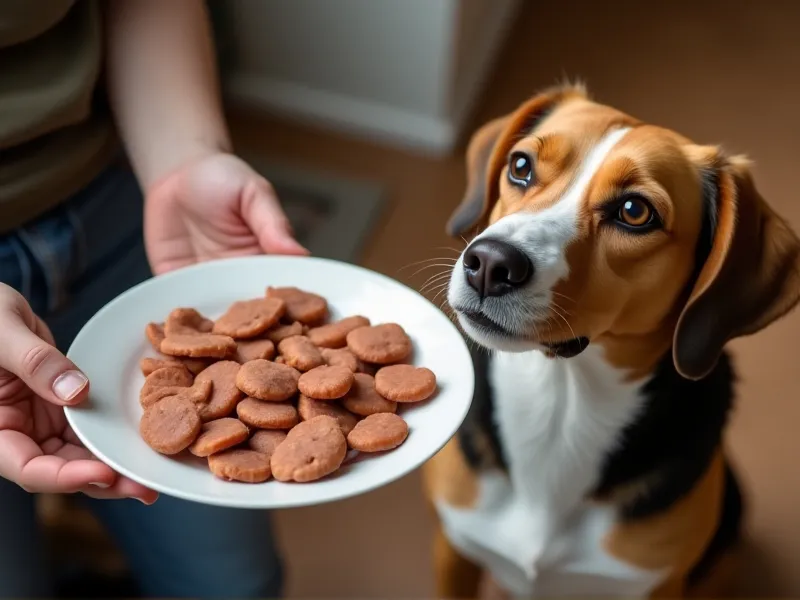
Table of Contents
- Can Dogs Eat Turkey Livers? The Short Answer
- The Benefits of Turkey Livers for Dogs: Nutrients That Count
- Risks to Watch For: When Turkey Livers Might Be Harmful
- How Much Turkey Liver Can Dogs Eat? Safe Portion Guidelines
- Healthier Alternatives to Turkey Livers
- FAQ: Your Turkey Liver Questions Answered
- Conclusion: Moderation is Key
Can Dogs Eat Turkey Livers? The Short Answer
Yes, dogs can eat turkey livers—but only in moderation.
Turkey livers are packed with nutrients that can benefit your dog’s health, from iron to vitamin A. However, they’re also high in certain compounds (like vitamin A) that can be toxic in large amounts. Think of turkey liver as a “superfood treat,” not a regular part of their diet.
As with any new food, it’s best to start small, monitor your dog for reactions, and consult your vet—especially if your pup has underlying health issues (like pancreatitis or kidney disease).
The Benefits of Turkey Livers for Dogs: Nutrients That Count
Turkey livers are a nutritional powerhouse. Here’s why they can be a great occasional treat:
1. Rich in Vitamin A: Supports Vision and Immunity
Turkey liver is loaded with vitamin A, an essential nutrient for dogs. Vitamin A helps:
- Maintain healthy eyesight (prevents night blindness and supports corneal health).
- Boost immune function (fights infections and keeps skin/coat healthy).
- Support cell growth and reproduction.
Fun fact: A 3-ounce serving of turkey liver contains over 10,000 IU of vitamin A—more than a dog’s daily requirement! (But more on that later.)
2. Iron: Prevents Anemia and Boosts Energy
Iron is critical for dogs, as it helps red blood cells carry oxygen throughout the body. Low iron can lead to anemia (fatigue, weakness, pale gums). Turkey liver is an excellent source of heme iron (the type most easily absorbed by dogs), making it a great treat for dogs at risk of anemia (e.g., senior dogs or those recovering from illness).
3. B Vitamins: Fuel for Energy and Brain Health
Turkey liver is packed with B vitamins, including:
- Vitamin B12: Supports nerve function and red blood cell production.
- Riboflavin (B2): Converts food into energy and maintains healthy skin.
- Niacin (B3): Aids digestion and supports brain function.
These vitamins keep your dog’s energy levels up and their brain sharp—perfect for playful pups and seniors alike!
4. High-Quality Protein: Builds Muscles and Tissues
Protein is the building block of a dog’s diet, and turkey liver is a complete protein (contains all essential amino acids). It helps:
- Repair muscle tissue (great for active dogs or post-surgery recovery).
- Support healthy hair, nails, and skin.
- Keep your dog feeling full (so they’re less likely to beg for extra treats!).
5. Minerals: Zinc, Copper, and Selenium
Turkey liver also provides minerals like zinc (supports immune function and wound healing), copper (aids in iron absorption and collagen production), and selenium (an antioxidant that protects cells from damage).
Risks to Watch For: When Turkey Livers Might Be Harmful
While turkey livers have benefits, they come with risks—especially if overfed. Here’s what to watch for:
1. Vitamin A Toxicity: A Serious Concern
Dogs can’t process excess vitamin A as efficiently as humans. Over time, high doses can lead to hypervitaminosis A, a condition that causes:
- Joint pain and stiffness (due to calcium deposits in bones/joints).
- Loss of appetite, vomiting, or diarrhea.
- Dry, flaky skin or hair loss.
- In severe cases, organ damage (liver, kidneys).
How much is too much? The National Research Council recommends dogs get 227 IU of vitamin A per kg of body weight daily. A single 3-ounce serving of turkey liver has ~10,000 IU—enough to exceed the daily limit for a 50-pound dog by 10x!
2. High Cholesterol: Not Ideal for All Dogs
Turkey liver is high in cholesterol (about 300 mg per 3-ounce serving). While dogs don’t develop high cholesterol the way humans do, excess cholesterol can contribute to:
- Pancreatitis (inflammation of the pancreas, common in overweight or breeds like Miniature Schnauzers).
- Fatty liver disease (if fed regularly alongside a high-fat diet).
Avoid turkey liver if your dog has pancreatitis, obesity, or a history of liver issues.
3. Contamination Risks: Raw vs. Cooked
Raw turkey liver can harbor harmful bacteria like Salmonella or E. coli, which can make your dog (and you!) sick. Symptoms include vomiting, diarrhea, fever, or lethargy.
Always cook turkey liver thoroughly (no pink inside) to kill bacteria. Avoid seasoning with garlic, onions, salt, or spices—these are toxic to dogs.
4. Stomach Upset: Rich Food = Sensitive Tummies
Turkey liver is high in fat and protein, which can upset sensitive stomachs. Signs of trouble include:
- Loose stools or diarrhea.
- Gas or bloating.
- Nausea (lip smacking, drooling, or refusing food).
Start with tiny portions to test your dog’s tolerance!
How Much Turkey Liver Can Dogs Eat? Safe Portion Guidelines
The key to feeding turkey liver is moderation. Here’s a general rule of thumb based on your dog’s size:
| Dog Size | Max Portion (Cooked Turkey Liver) | Frequency |
|---|---|---|
| Small (5–20 lbs) | 1–2 teaspoons | Once weekly |
| Medium (20–50 lbs) | 1–2 tablespoons | Once weekly |
| Large (50+ lbs) | 2–3 tablespoons | Once every 5–7 days |
Pro tip: Treats (including turkey liver) should make up no more than 10% of your dog’s daily calories. For example, a 30-pound dog eating 600 calories/day should have no more than 60 calories from treats—about 1 tablespoon of cooked turkey liver.
Healthier Alternatives to Turkey Livers
If you’re concerned about the risks of turkey liver, or your dog doesn’t tolerate it well, try these safer alternatives:
1. Chicken Liver
Chicken liver has similar nutrients (vitamin A, iron, B12) but with slightly less vitamin A (lowering toxicity risk). It’s also more widely available and often cheaper!
2. Lean Turkey Breast
Skip the liver and opt for cooked, unseasoned turkey breast. It’s low in fat, high in protein, and gentler on tummies.
3. Beef Liver (In Tiny Portions)
Beef liver is nutrient-dense but even higher in vitamin A than turkey liver. Stick to ½ teaspoon (small dogs) to 1 tablespoon (large dogs) once a month.
4. Green Beans or Carrots
For a low-calorie, fiber-rich treat, try steamed green beans or carrots. They’re great for weight management and help clean teeth!
5. Pumpkin (Plain, Canned)
Plain pumpkin (not pie filling) is high in fiber and beta-carotene (which converts to vitamin A safely). A tablespoon mixed into food aids digestion.
FAQ: Your Turkey Liver Questions Answered
Q: Can puppies eat turkey liver?
A: Yes, but in very small portions. Puppies have sensitive tummies, so start with ¼ teaspoon (small breeds) to ½ teaspoon (large breeds) once a week. Avoid overfeeding, as their organs are still developing.
Q: Is raw turkey liver safe for dogs?
A: No. Raw liver can carry bacteria like Salmonella. Always cook it thoroughly (165°F internal temp) to kill pathogens.
Q: Can dogs with kidney disease eat turkey liver?
A: Probably not. Turkey liver is high in protein and certain minerals (like phosphorus), which can strain kidneys. Ask your vet first!
Q: My dog ate a whole turkey liver—what should I do?
A: Don’t panic, but monitor for signs of upset (vomiting, diarrhea) or vitamin A toxicity (lethargy, joint pain). If symptoms appear within 24–48 hours, call your vet.
Q: Can turkey liver help with my dog’s anemia?
A: Yes! The iron in turkey liver can support dogs with mild anemia. Work with your vet to adjust portions and monitor iron levels.
Conclusion: Moderation is Key
Turkey livers can be a nutritious, tasty treat for dogs—rich in iron, vitamin A, and B vitamins that support their health. But like all good things, they’re best enjoyed in small, occasional portions to avoid vitamin A toxicity, stomach upset, or other risks.
When in doubt, consult your vet—especially if your dog has health issues. And remember: The best treat is always love (and maybe a belly rub) alongside a balanced diet!
Happy (and healthy) snacking!