· 8 min read
Can Dogs Eat Turkey Liver? Benefits, Risks & Safe Feeding Guidelines
It’s a crisp fall evening, and you’re carving into a golden roasted turkey—your pup, Max, sits at your feet, tail thumping a rapid rhythm against the floor. His big, hopeful eyes lock onto the platter, and you notice a glistening piece of turkey liver. “Surely a tiny bite won’t hurt,” you think. But before you toss it his way, you pause: Is turkey liver safe for dogs?
If you’ve ever wondered whether to share this nutrient-packed organ meat with your furry friend, you’re not alone. Turkey liver is a common byproduct of holiday meals or home cooking, and pet parents often want to know if it’s a healthy treat or a hidden hazard. In this guide, we’ll break down the facts: the benefits of turkey liver for dogs, potential risks to watch for, how much to feed, and even healthier alternatives if liver isn’t the right fit for your pup. Let’s dive in!
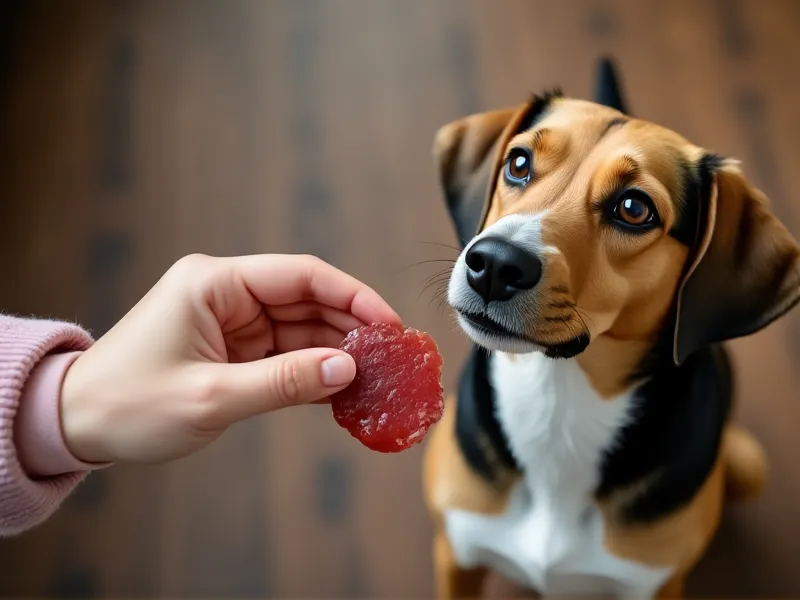
Table of Contents
- Can Dogs Eat Turkey Liver? The Short Answer
- The Nutritional Benefits of Turkey Liver for Dogs
- Potential Risks of Feeding Turkey Liver to Dogs
- How Much Turkey Liver Can Dogs Safely Eat?
- Healthier Alternatives to Turkey Liver
- FAQ: Your Turkey Liver Questions Answered
- Conclusion: Moderation is Key
Can Dogs Eat Turkey Liver? The Short Answer
Yes, dogs can eat turkey liver—but only in moderation, and only if it’s plain, unseasoned, and properly prepared.
Turkey liver is a nutrient-dense organ meat that can offer health benefits when fed as an occasional treat. However, it’s not without risks: overfeeding, seasoning, or serving it raw can lead to health issues like vitamin A toxicity, stomach upset, or bacterial infections. The key is to keep portions small, avoid added ingredients, and consult your vet if you have concerns (especially for dogs with pre-existing conditions like pancreatitis or liver disease).
The Nutritional Benefits of Turkey Liver for Dogs
Liver is often called “nature’s multivitamin,” and turkey liver is no exception. When fed in appropriate amounts, it can boost your dog’s diet with a range of essential nutrients:
1. Vitamin A: For Vision & Immune Health
Turkey liver is rich in vitamin A, a fat-soluble vitamin critical for eye health (think night vision and preventing dry eyes), skin integrity, and a strong immune system. Vitamin A also supports cell growth and reproduction—key for puppies and senior dogs alike.
2. B Vitamins: Energy & Brain Function
Liver is a powerhouse of B vitamins, including B12, B6, niacin, and folate. B12, in particular, is vital for red blood cell formation, nerve function, and energy metabolism. Dogs can’t produce B12 on their own, so getting it from food (like liver) is essential.
3. Iron: Prevents Anemia
Iron is necessary for making hemoglobin, the protein in red blood cells that carries oxygen throughout the body. A iron deficiency can lead to anemia (symptoms include lethargy, pale gums, and weakness), so adding a little liver to your dog’s diet can help keep their iron levels in check.
4. Zinc & Copper: Skin, Coat, & Joints
Zinc supports healthy skin and coat, wound healing, and immune function, while copper aids in collagen production (for joints and connective tissue) and iron absorption. Both minerals are often lacking in processed dog foods, making liver a valuable supplement.
5. High-Quality Protein
Turkey liver is packed with lean, complete protein, meaning it contains all the amino acids dogs need for muscle repair, growth, and overall body function. Protein is especially important for active dogs, working breeds, and puppies.
Potential Risks of Feeding Turkey Liver to Dogs
While turkey liver has benefits, it’s important to be aware of the risks—many of which stem from overconsumption or improper preparation:
1. Vitamin A Toxicity (Hypervitaminosis A)
Vitamin A is essential, but too much can be toxic—especially in dogs, who store excess vitamin A in their liver. Symptoms of toxicity include:
- Vomiting or diarrhea
- Lethargy or weakness
- Joint pain or stiffness (from bone and cartilage damage)
- Loss of appetite
- In severe cases, bone deformities or organ damage
This is rare with occasional feeding, but daily or large portions increase the risk.
2. Bacterial Infections (Raw Liver)
Feeding raw turkey liver (or any raw meat) can expose your dog to harmful bacteria like Salmonella or E. coli, which can cause vomiting, diarrhea, or even sepsis. Humans handling raw liver are also at risk of infection. Cooking liver thoroughly kills these pathogens.
3. Stomach Upset from Richness
Liver is high in fat and protein, which can be tough on dogs with sensitive stomachs. Even dogs with ironclad digestion may experience diarrhea, vomiting, or gas if they eat too much liver—especially if it’s their first time trying it.
4. Seasoning or Additives
Never feed your dog liver that’s been seasoned with garlic, onion, salt, sugar, or spices. Garlic and onion are toxic to dogs (they damage red blood cells), while excess salt can cause dehydration or sodium ion poisoning. Sugar adds empty calories and increases the risk of obesity or diabetes.
5. Choking Hazard
Large chunks of liver can pose a choking risk, especially for small dogs or those who gulp their food. Always cut liver into tiny, bite-sized pieces before serving.
How Much Turkey Liver Can Dogs Safely Eat?
The golden rule: Turkey liver should be a treat, not a meal. Here’s a general guideline for portion sizes based on your dog’s weight:
| Dog Size | Weight Range | Cooked Turkey Liver Portion (Per Serving) | Frequency |
|---|---|---|---|
| Small | Under 20 lbs | 1–2 teaspoons | 2–3 times/week |
| Medium | 20–50 lbs | 1 tablespoon | 2–3 times/week |
| Large | 50–90 lbs | 2 tablespoons | 2–3 times/week |
| Extra-Large | Over 90 lbs | 3 tablespoons | 2–3 times/week |
Pro Tips for Safe Feeding:
- Cook it thoroughly: Boil or bake liver without oil, salt, or seasonings. Avoid frying (too greasy!).
- Start small: If your dog has never had liver, give a tiny piece first and monitor for 24 hours. No upset stomach? Gradually increase to the recommended portion.
- Avoid daily feeding: To prevent vitamin A buildup, limit liver to 2–3 times a week at most.
- Skip if… your dog has pancreatitis, liver disease, or high cholesterol. Liver is high in fat and cholesterol, which can worsen these conditions.
Healthier Alternatives to Turkey Liver
If your dog can’t tolerate liver (or you’d prefer a lower-risk treat), try these nutrient-rich alternatives:
1. Chicken Gizzards
Gizzards are lower in vitamin A than liver but still packed with protein, iron, and zinc. They’re also chewy, which helps clean teeth!
2. Lean Turkey Breast
Plain, cooked turkey breast is a lean protein source with less fat than liver. It’s gentle on sensitive stomachs and great for training treats.
3. Carrots or Green Beans
Crunchy, low-calorie, and full of fiber—carrots and green beans support dental health and help dogs feel full without extra calories.
4. Blueberries
These tiny fruits are loaded with antioxidants, vitamin C, and fiber. They’re a perfect low-sugar treat for dogs (and humans!).
5. Plain Greek Yogurt
Unsweetened Greek yogurt is rich in probiotics (good for gut health) and calcium. Avoid brands with added sugar or artificial sweeteners (xylitol is toxic to dogs!).
FAQ: Your Turkey Liver Questions Answered
Q: Can puppies eat turkey liver?
A: Yes, but in very small portions. Puppies have developing digestive systems, so start with ¼ teaspoon (for toy breeds) to ½ teaspoon (for medium breeds) once a week. Consult your vet first—some breeders or vets recommend waiting until puppies are 6+ months old.
Q: Is raw turkey liver better than cooked?
A: No—cooked liver is safer. Raw liver may contain harmful bacteria (like Salmonella) or parasites (like Toxoplasma gondii), which can make your dog (and you!) sick. Cooking kills these pathogens.
Q: What if my dog ate too much turkey liver?
A: Monitor for symptoms like vomiting, diarrhea, or lethargy. If they appear within 24 hours, contact your vet. For severe cases (e.g., vitamin A toxicity from chronic overfeeding), your vet may recommend blood tests or supportive care.
Q: Can turkey liver replace my dog’s regular food?
A: Absolutely not. Liver is nutrient-dense but not balanced. Dogs need a diet with protein, fat, fiber, and other vitamins/minerals in specific ratios—liver alone can’t provide that. Stick to high-quality commercial dog food as their main meal.
Q: My dog has liver disease—can they eat turkey liver?
A: Probably not. Dogs with liver disease have trouble processing certain nutrients, including vitamin A. Feeding liver could worsen their condition. Always ask your vet before adding new foods to a dog with health issues.
Conclusion: Moderation is Key
Turkey liver can be a tasty, nutrient-boosting treat for your dog when fed responsibly. Its vitamins, minerals, and protein make it a great occasional addition to their diet—but remember: more is not better. Stick to small portions, avoid seasoning, cook it thoroughly, and check with your vet if you’re unsure.
At the end of the day, every dog is unique. What works for Max might not work for your pup, so pay attention to their reaction and adjust accordingly. With a little common sense, you can safely share the occasional liver treat and keep those tail wags coming!
Happy feeding, and here’s to many healthy, liver-fueled snuggles with your fur baby!
References
- American Kennel Club (AKC). “Can Dogs Eat Liver?” akc.org.
- PetMD. “Liver for Dogs: Benefits & Risks.” petmd.com.
- FDA. “Foods Toxic to Dogs.” fda.gov.
- VCA Hospitals. “Nutrition: Organ Meats for Dogs.” vcahospitals.com.