· 8 min read
Can Dogs Eat Turkey Innards? A Pet Parent’s Guide to Giblets, Liver, and More
It’s the most wonderful time of the year—for you and your pup. The kitchen smells like roasted turkey, the table is loaded with sides, and there, right next to the carving board, sits a little pile of turkey innards: glistening liver, rubbery gizzards, and a plump heart. Your dog’s tail is thumping a mile a minute, their nose twitching at the rich aroma. “Just a tiny piece won’t hurt, right?” you think.
Turkey is a staple in many dog foods, so it’s natural to wonder if the “extras” are safe. But before you toss Fido a giblet, let’s dive into the details: can dogs eat turkey innards? The answer is… yes, but with some big “ifs.” Let’s break down the benefits, risks, and how to share safely.
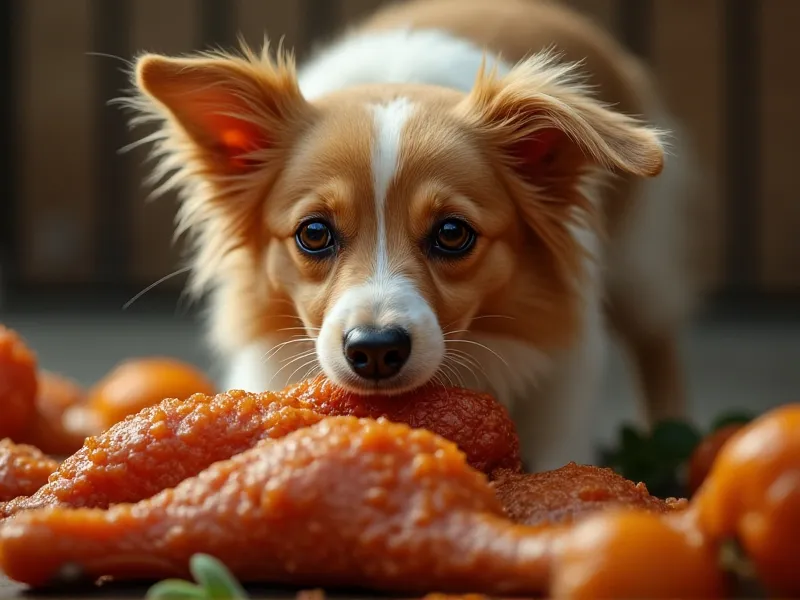
Table of Contents
- Can Dogs Eat Turkey Innards? The Short Answer
- The Benefits of Turkey Innards for Dogs (When Fed Right)
- Nutrient Powerhouse: Iron, Vitamins, and More
- Fiber for Digestion (Yes, Even from Gizzards!)
- Potassium and Taurine: Supporting Heart Health
- The Risks: What to Watch Out For
- Vitamin A Toxicity: Liver in Excess
- Choking and Digestive Upset: Gizzards and Tough Textures
- Seasonings, Bones, and Bacteria: Hidden Dangers
- Sugar and Processed Risks: Avoid the “Fancy” Innards
- How Much Turkey Innards Can Dogs Safely Eat? (Portion Guidelines)
- Small Dogs vs. Large Dogs: Sizing It Up
- Frequency: Treat, Not a Meal
- Healthier Alternatives to Turkey Innards
- Lean Turkey Meat: The Safest Bet
- Other Organ Meats (In Moderation)
- Commercial Treats: Convenience with Peace of Mind
- FAQ: Your Turkey Innard Questions Answered
- Conclusion: Moderation is Key (and Consult Your Vet!)
Can Dogs Eat Turkey Innards? The Short Answer
Yes, dogs can eat turkey innards in moderation, but not all innards are created equal, and preparation matters a lot.
Turkey innards—think liver, gizzards, heart, and sometimes kidneys—are packed with nutrients, but they also come with risks if overfed or improperly prepared. For example, liver is a nutrient-dense superfood, but too much can cause vitamin A toxicity. Gizzards, while high in fiber, are tough and can pose choking hazards if not chopped. And always avoid seasoned, raw, or processed innards (looking at you, deli-style turkey giblets with added sugar or salt).
The key here is “moderation” and “plain, cooked, and unseasoned.” Let’s dig into the specifics.
The Benefits of Turkey Innards for Dogs (When Fed Right)
When prepared safely and given in small amounts, turkey innards can be a healthy addition to your dog’s diet. Here’s why:
Nutrient Powerhouse: Iron, Vitamins, and More
Turkey liver is a standout here. It’s loaded with:
- Iron: Helps red blood cells carry oxygen, preventing anemia.
- Vitamin A: Supports vision, immune function, and skin health (but more on the downside of excess later).
- B Vitamins (B12, B6): Boost energy levels and brain function.
- Zinc: Aids in wound healing and immune support.
The heart is another winner. It’s lean protein (great for muscle maintenance) and rich in taurine, an amino acid that supports heart health—a must for breeds prone to heart issues, like Cocker Spaniels or Boxers.
Fiber for Digestion (Yes, Even from Gizzards!)
Turkey gizzards are the muscular part of the turkey’s stomach, and they’re surprisingly high in fiber. Fiber helps keep your dog’s digestive system regular, preventing constipation. They also contain collagen, which supports joint health—bonus!
Potassium and Taurine: Supporting Heart Health
Turkey heart is a top source of potassium, an electrolyte that regulates blood pressure and heart rhythm. Combined with taurine (mentioned earlier), this makes heart a heart-healthy treat (pun intended!).
The Risks: What to Watch Out For
While turkey innards have benefits, they’re not without risks. Let’s break down the biggest concerns:
Vitamin A Toxicity: Liver in Excess
Liver is a double-edged sword. While vitamin A is essential, dogs (unlike humans) can’t easily flush out excess vitamin A. Over time, this can lead to hypervitaminosis A, causing symptoms like:
- Joint pain or stiffness (from calcium deposits in bones).
- Lethargy or loss of appetite.
- Vomiting or diarrhea.
According to the American College of Veterinary Nutrition, dogs should get vitamin A from their regular diet, not excessive organ meats. A little liver goes a long way!
Choking and Digestive Upset: Gizzards and Tough Textures
Gizzards are tough, muscular organs—think of them as nature’s chew toy. If given whole or in large chunks, they can get stuck in your dog’s throat (choking hazard) or cause blockages in the intestines. Even cooked, they’re dense, so always chop gizzards into small, bite-sized pieces for your pup.
Additionally, rich foods like innards can upset sensitive stomachs, leading to diarrhea or vomiting, especially if your dog isn’t used to them.
Seasonings, Bones, and Bacteria: Hidden Dangers
- Seasonings: Garlic, onion, salt, or spices (common in holiday turkey prep) are toxic to dogs. Onion and garlic can damage red blood cells, causing anemia, while salt can lead to sodium ion poisoning (symptoms: vomiting, seizures, even death in severe cases).
- Bones: Some turkey giblet packs include neck bones, which are small and sharp—these can splinter and puncture the digestive tract. Always check for bones and remove them!
- Raw innards: Raw meat (including innards) can carry bacteria like Salmonella or E. coli, which can make both dogs and humans sick. The ASPCA recommends cooking meat thoroughly to kill pathogens.
Sugar and Processed Risks: Avoid the “Fancy” Innards
Steer clear of processed turkey innards, like deli-style giblets or pre-packaged “giblet gravy mixes.” These often have added sugar, preservatives, or artificial flavors—all of which are unnecessary and unhealthy for dogs. Stick to fresh, plain, unseasoned innards from a trusted source.
How Much Turkey Innards Can Dogs Safely Eat? (Portion Guidelines)
So, you’ve got plain, cooked, chopped turkey innards—how much can you give?
Small Dogs vs. Large Dogs: Sizing It Up
A general rule: treats (including innards) should make up no more than 10% of your dog’s daily calories. For context:
- Small dogs (e.g., Chihuahua, Pug): 1–2 teaspoons of chopped liver or 1 small chopped gizzard/heart per week.
- Medium dogs (e.g., Beagle, Cocker Spaniel): 1 tablespoon of liver or 1–2 chopped gizzards/hearts per week.
- Large dogs (e.g., Golden Retriever, German Shepherd): 2–3 tablespoons of liver or 2–3 chopped gizzards/hearts per week.
Pro tip: If you’re unsure, start with half the suggested amount and monitor for digestive upset (diarrhea, vomiting). If all goes well, you can gradually increase (but still keep it small!).
Frequency: Treat, Not a Meal
Innards are a supplement, not a substitute for balanced dog food. Aim for once a week at most—any more and you risk nutrient imbalances (hello, vitamin A overload from liver).
Healthier Alternatives to Turkey Innards
If you’re nervous about innards, or just want safer options, try these alternatives:
Lean Turkey Meat: The Safest Bet
Skip the innards and go for plain, cooked turkey breast. It’s low in fat, high in protein, and easy to digest. No bones, no seasoning—just chopped turkey. Most dogs love it, and it’s a staple in many premium dog foods.
Other Organ Meats (In Moderation)
If your dog loves organ meats, try small amounts of:
- Beef liver: Similar benefits to turkey liver, but again, moderation is key.
- Chicken gizzards: Same fiber benefits as turkey gizzards, often easier to find in stores.
- Salmon hearts: Rich in omega-3s (great for skin and coat!) and taurine.
Commercial Treats: Convenience with Peace of Mind
For busy days, opt for dog treats made with real turkey (e.g., freeze-dried turkey hearts or liver treats). Brands like Blue Buffalo or Wellness offer single-ingredient options with no added junk. These are portion-controlled and vet-approved!
FAQ: Your Turkey Innard Questions Answered
Q: Can puppies eat turkey innards?
A: Puppies have sensitive tummies and developing organs. Small amounts (e.g., a tiny piece of cooked liver) may be okay, but check with your vet first—they can advise based on your puppy’s age, breed, and health.
Q: My dog ate raw turkey innards—should I panic?
A: Not necessarily, but monitor for symptoms like vomiting, diarrhea, or lethargy (signs of bacterial infection). If symptoms appear, contact your vet. To prevent this, always cook innards to an internal temperature of 165°F (74°C).
Q: Are turkey giblets the same as innards?
A: Giblets are a subset of innards! Typically, giblets include the liver, gizzard, heart, and sometimes neck. “Innards” is a broader term (kidneys, intestines, etc.), but giblets are the most common ones you’ll find in a turkey cavity.
Q: What if my dog ate too many turkey innards?
A: Watch for signs of distress: vomiting, diarrhea, loss of appetite, or lethargy. If these occur, call your vet—they may recommend fasting, probiotics, or (in severe cases) treatment for vitamin A toxicity.
Conclusion: Moderation is Key (and Consult Your Vet!)
So, can dogs eat turkey innards? Yes, but with caution: plain, cooked, chopped, and in tiny portions. They’re a nutrient boost when done right, but overdo it and you risk health issues.
When in doubt, consult your vet. They know your dog’s specific needs (allergies, health conditions, breed risks) and can help you decide if innards are a good fit.
At the end of the day, sharing a little turkey giblet with your pup (safely!) can be a sweet bonding moment—just remember: moderation is the secret ingredient.
Happy (and safe) feasting!
References
- American Society for the Prevention of Cruelty to Animals (ASPCA). “People Foods to Avoid Feeding Your Pets.” aspca.org
- American Veterinary Medical Association (AVMA). “Nutrition for Dogs.” avma.org
- PetMD. “Organ Meats for Dogs: Are They Good or Bad?” petmd.com
- American College of Veterinary Nutrition (ACVN). “Nutrient Requirements of Dogs and Cats.” acvn.org