· 7 min read
Can Dogs Eat Turkey Gravy? What Pet Parents Need to Know (2024)
It’s Thanksgiving, and the aroma of roasted turkey fills your kitchen. Your dog, Max, sits patiently by your feet, tail thumping, those big, soulful eyes locked on your plate. As you spoon a drizzle of rich, golden turkey gravy over your mashed potatoes, you pause: Can I share a little with Max?
Turkey gravy is a holiday staple—creamy, savory, and full of that “home-cooked” flavor we all love. But when it comes to our furry family members, even the smallest treats can spark questions. Is turkey gravy safe for dogs? Could a tiny taste hurt him? Or is it a harmless way to include him in the celebration?
In this guide, we’ll break down everything you need to know about dogs and turkey gravy: the short answer to “can they eat it?”, potential benefits, hidden risks, safe serving guidelines, and even healthier alternatives to satisfy his cravings. Let’s dive in!
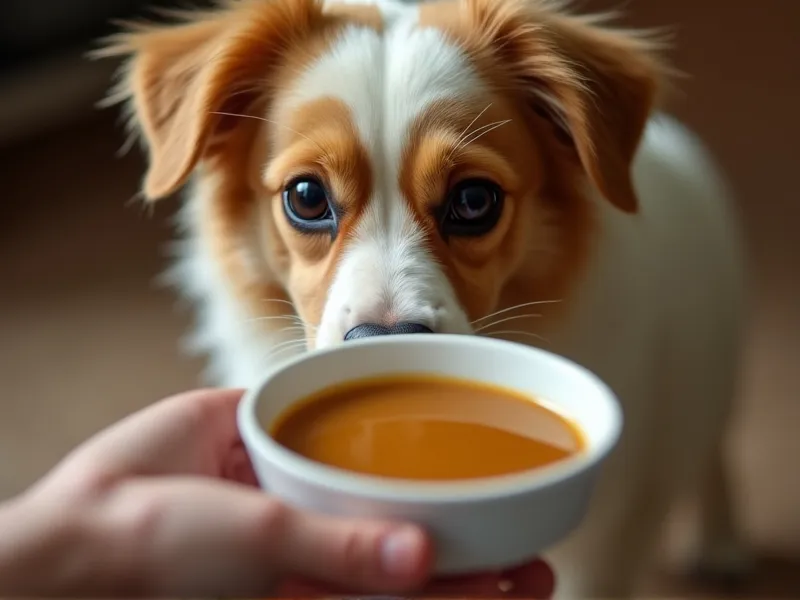
Table of Contents
- Can Dogs Eat Turkey Gravy? The Short Answer
- The Potential Benefits (Yes, There Are a Few!)
- The Risks: Why Turkey Gravy Can Be Harmful
- How Much Turkey Gravy Is Safe for Dogs?
- Healthier Alternatives to Turkey Gravy
- FAQ: Your Turkey Gravy Questions Answered
- Conclusion: Celebrate Safely with Your Pup
Can Dogs Eat Turkey Gravy? The Short Answer
Yes, dogs can eat small amounts of plain, homemade turkey gravy—occasionally—but only if it’s made with safe, dog-friendly ingredients.
The key here is “plain” and “homemade.” Most store-bought or restaurant gravies are loaded with additives that are harmful to dogs, like onions, garlic, salt, sugar, or artificial flavors. Even some homemade recipes include these ingredients, which can spell trouble for your pup.
In short: A tiny drizzle of unseasoned, onion/garlic-free turkey gravy (think: just turkey drippings and water, no extras) might be okay as a rare treat. But proceed with caution—and always check the ingredients first.
The Potential Benefits (Yes, There Are a Few!)
Let’s start with the good news: If you’re serving a very simple, homemade turkey gravy (no added salt, sugar, onions, or garlic), there are a few minor benefits for your dog.
1. Trace Nutrients from Turkey
Turkey itself is a lean, protein-rich meat that’s safe for dogs (in moderation). Gravy made from turkey drippings may contain small amounts of:
- Protein: Supports muscle health and energy.
- Iron: Important for healthy blood cells.
- Potassium: Aids in nerve and muscle function.
That said, these nutrients are minimal in gravy—your dog would get far more from plain, cooked turkey meat than from the gravy itself.
2. Hydration (If It’s Broth-Based)
If your gravy is thin and broth-like (think: more liquid than thickener), it could help keep your dog hydrated, especially if he’s a picky drinker. Just make sure the broth doesn’t have added salt or onions!
3. Mental Stimulation
Let’s be honest: Sharing a tiny treat like gravy is more about bonding than nutrition. The excitement of a special snack can boost your dog’s mood and make him feel included in family meals—a win for his mental well-being!
The Risks: Why Turkey Gravy Can Be Harmful
Now, the not-so-good news: Most turkey gravies (even homemade ones!) are packed with ingredients that pose serious risks to dogs. Let’s break down the biggest dangers.
1. Onions and Garlic: Toxic to Dogs
Onions, garlic, and other members of the Allium family (leeks, chives) are extremely toxic to dogs, even in small amounts. They damage red blood cells, leading to anemia, weakness, and in severe cases, organ failure.
Many gravy recipes call for onions or garlic (fresh, powdered, or in “dried herb blends”) to add flavor. Even a teaspoon of onion powder in gravy can harm a small dog. Always check labels or recipes for these ingredients!
Source: ASPCA: Onions, Garlic, Chives
2. High Sodium (Salt)
Salt is a common additive in gravies, whether to enhance flavor or as part of store-bought broths. Dogs need very little sodium—too much can cause:
- Thirst, excessive urination, or dehydration.
- In severe cases, salt poisoning (hypernatremia), which leads to vomiting, diarrhea, tremors, seizures, or even death.
The ASPCA recommends dogs consume no more than 100 mg of sodium per kilogram of body weight per day. A single tablespoon of store-bought gravy can contain 200–500 mg of sodium—way over the limit for a 10-pound dog!
Source: PetMD: Sodium Poisoning in Dogs
3. Added Sugar
Many commercial gravies (especially “sweet” varieties, like brown sugar or honey-glazed turkey gravy) include added sugar. Dogs don’t need sugar in their diet, and excess sugar can lead to:
- Obesity.
- Dental decay.
- Diabetes (over time).
Even “natural” sweeteners like honey or maple syrup are high in sugar and should be avoided in dog treats.
4. High Fat Content
Gravy is often made with turkey fat (from the roasting pan) or butter, which is high in saturated fat. Too much fat can trigger pancreatitis in dogs—a painful, life-threatening condition where the pancreas becomes inflamed. Symptoms include vomiting, diarrhea, lethargy, and loss of appetite.
Source: AKC: Pancreatitis in Dogs
5. Choking Hazards or GI Blockages
Some gravies contain chunks of turkey, vegetables, or even small bones (if the turkey wasn’t deboned properly). These can pose choking risks or cause intestinal blockages, especially in small dogs.
How Much Turkey Gravy Is Safe for Dogs?
If you’ve confirmed your gravy is 100% safe (no onions, garlic, salt, sugar, or fat), here’s how much to serve:
- Small dogs (under 20 lbs): ½–1 teaspoon, once in a while (e.g., holidays only).
- Medium dogs (20–50 lbs): 1–2 teaspoons, occasionally.
- Large dogs (50+ lbs): 2–3 teaspoons, rarely.
Never make gravy a regular part of your dog’s diet. It’s a treat, not a meal addition. And if your dog has health issues (diabetes, kidney disease, pancreatitis), skip the gravy entirely—consult your vet first.
Healthier Alternatives to Turkey Gravy
If you want to spoil your dog with a special treat that’s actually good for him, try these safer, nutrient-packed alternatives:
1. Plain Turkey Broth
Simmer turkey bones (deboned!) or turkey scraps in water for 1–2 hours, then strain. This creates a low-sodium, flavorful broth with no added ingredients. It’s hydrating, rich in collagen (good for joints), and safe for all dogs.
2. Mashed Pumpkin
Unsweetened, canned pumpkin (not pumpkin pie filling!) is loaded with fiber and vitamins A and C. It’s gentle on the stomach and can even help with digestion. Warm it up for a “gravy-like” texture and drizzle over his kibble.
3. Bone Broth (No Onions/Garlic!)
Homemade bone broth (from chicken, beef, or turkey bones) is a superfood for dogs. It’s packed with amino acids, glucosamine, and minerals to support gut health and joints. Look for store-bought versions labeled “no onions/garlic” or make your own.
4. Plain Yogurt
A spoonful of plain, unsweetened yogurt (dairy-free if your dog is lactose intolerant) is creamy, probiotic-rich, and delicious. It’s a great way to add moisture to kibble without the risks of gravy.
5. Cooked Sweet Potato
Mashed, cooked sweet potato is naturally sweet, fiber-rich, and full of vitamins. Warm it up and serve as a topping—your dog will love the flavor!
FAQ: Your Turkey Gravy Questions Answered
Q: Can puppies eat turkey gravy?
A: Puppies have sensitive stomachs and developing organs, so it’s best to avoid gravy entirely. Stick to puppy-safe treats like plain cooked turkey or mashed pumpkin.
Q: My dog ate a lot of turkey gravy—what should I do?
A: If the gravy contained onions/garlic, call your vet immediately—these toxins act quickly. If it was high in salt/fat, monitor for symptoms (vomiting, diarrhea, lethargy) and contact your vet if they appear.
Q: Is store-bought turkey gravy ever safe?
A: It’s risky. Most store-bought gravies have added salt, sugar, or onion powder. Read labels carefully—look for “no onions,” “no garlic,” and “low sodium.” Even then, serve only a tiny amount.
Q: Can dogs eat gravy made with flour or cornstarch?
A: Flour and cornstarch (used to thicken gravy) are generally safe in small amounts, but they add empty calories and no nutrition. Avoid if your dog has grain allergies.
Conclusion: Celebrate Safely with Your Pup
At the end of the day, sharing a tiny taste of safe turkey gravy with your dog is a sweet way to include him in holiday meals. But the key is to prioritize his health: check ingredients, serve sparingly, and opt for healthier alternatives when possible.
Remember, the best treats are those that nourish him—like plain turkey, pumpkin, or bone broth. And if you’re ever unsure, pick up the phone and ask your vet. They know your dog’s unique needs and can guide you.
Here’s to happy, healthy holidays with your favorite four-legged foodie! 🦃🐾
Sources:
- American Society for the Prevention of Cruelty to Animals (ASPCA): Onion, Garlic, Chives Toxicity
- American Kennel Club (AKC): Pancreatitis in Dogs
- PetMD: Sodium Poisoning in Dogs
- VCA Animal Hospitals: Feeding Your Dog Human Food