· 8 min read
Can Dogs Eat Turkey Gizzards and Hearts? A Pet Parent’s Guide to Safe Treats
It’s Thanksgiving morning, and the scent of roasting turkey fills your kitchen. As you reach for the giblet package tucked inside the bird—containing the gizzard, heart, and liver—your dog trots over, tail wagging, nose twitching. “Can they have a little taste?” you wonder. Turkey gizzards and hearts are common leftovers, but are these nutrient-dense organ meats safe for your furry friend?
If you’ve ever asked this question, you’re in good company. Pet parents often want to share human foods with their dogs, especially when those foods seem “natural” or leftover from family meals. The short answer? Yes, dogs can eat turkey gizzards and hearts—in moderation, and with some important guidelines.
In this guide, we’ll break down the nutritional benefits, potential risks, safe serving sizes, and even healthier alternatives to help you make informed choices about sharing these turkey parts with your pup. Let’s dive in!
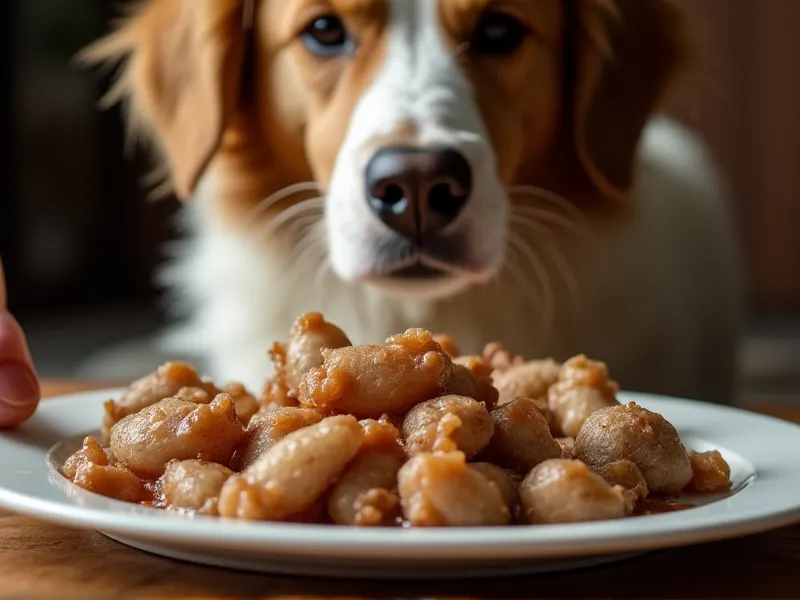
Table of Contents
- Can Dogs Eat Turkey Gizzards and Hearts? The Short Answer
- Nutritional Benefits of Turkey Gizzards and Hearts for Dogs
- Potential Risks to Watch For
- How Much Turkey Gizzards and Hearts Can Dogs Eat?
- Healthier Alternatives to Turkey Gizzards and Hearts
- FAQ: Common Questions About Dogs and Turkey Giblets
- Conclusion: Moderation is Key
- References
Can Dogs Eat Turkey Gizzards and Hearts? The Short Answer
Yes, turkey gizzards and hearts are safe for dogs to eat when prepared correctly. These organ meats are packed with essential nutrients like protein, iron, and taurine, making them a healthy occasional treat. However, they should never replace your dog’s balanced commercial diet, and there are risks to avoid (like seasoning, overfeeding, or choking hazards).
Think of turkey gizzards and hearts as a “superfood snack”—nutritious in small doses, but not a meal replacement. Let’s explore their benefits first!
Nutritional Benefits of Turkey Gizzards and Hearts for Dogs
Turkey gizzards and hearts are nutrient powerhouses. Here’s why they can be a great addition to your dog’s treat rotation:
1. Protein: The Building Block of Muscle
Both gizzards and hearts are lean, high-quality sources of protein. Protein is essential for dogs to build and repair muscle, support a healthy coat, and maintain energy levels. A 3-ounce serving of cooked turkey heart contains about 20 grams of protein—comparable to chicken breast!
2. Iron: For Healthy Blood Cells
Gizzards are rich in iron, a mineral that helps red blood cells carry oxygen throughout the body. Iron deficiency can lead to anemia (fatigue, weakness, pale gums), so a little gizzard now and then can help keep your dog’s blood healthy, especially active dogs or those recovering from illness.
3. Taurine: A Must for Heart Health
Turkey hearts are loaded with taurine, an amino acid critical for cardiac function, vision, and brain health. Unlike humans, dogs can’t produce enough taurine on their own, so they need it from their diet. Breeds prone to taurine deficiency (like Cocker Spaniels, Boxers, and Bulldogs) may especially benefit from small amounts of heart meat.
4. B Vitamins: Energy and Nerve Support
Gizzards and hearts are rich in B vitamins, including B12, niacin (B3), and riboflavin (B2). B12 helps convert food into energy and supports nerve function, while niacin aids digestion and skin health. These vitamins are hard to overdose on (since they’re water-soluble), making giblets a safe way to boost your dog’s intake.
5. Potassium and Zinc: Electrolytes and Immunity
Potassium regulates fluid balance and muscle function, while zinc supports immune health and wound healing. Gizzards, in particular, contain small amounts of these minerals, adding to their nutritional value.
6. Fiber (Gizzards Only): Gentle Digestive Support
Turkey gizzards are muscular organs (used by turkeys to grind food), so they’re naturally high in connective tissue. When cooked, this becomes a chewy, fibrous treat that can support healthy digestion—think of it as a “doggy fiber supplement” in small doses!
Potential Risks to Watch For
While turkey gizzards and hearts are generally safe, they come with risks if not prepared or portioned correctly. Here’s what to avoid:
1. Seasoning: Garlic, Onion, and Salt Are Toxic
The biggest risk isn’t the giblets themselves—it’s how they’re cooked. Many people season turkey giblets with garlic, onion, salt, or herbs like sage. Garlic and onion are toxic to dogs (they damage red blood cells, leading to anemia), and excess salt can cause sodium ion poisoning (symptoms: vomiting, diarrhea, seizures). Always serve giblets plain, unseasoned, and cooked.
2. Choking and Blockage Hazards
Turkey gizzards are tough and chewy, even when cooked. If given whole or in large chunks, they can pose a choking risk—especially for small dogs or aggressive chewers. Always chop giblets into bite-sized pieces (about the size of a pea for tiny dogs, dime-sized for medium breeds) to prevent choking or intestinal blockages.
3. Stomach Upset from Overfeeding
Giblets are rich and high in protein/fat (yes, even lean organ meats can be too much!). Overfeeding can lead to diarrhea, vomiting, or pancreatitis (inflammation of the pancreas, often triggered by fatty foods). Start with a tiny portion (like 1 teaspoon for small dogs) and monitor your pup for 24 hours before offering more.
4. Bacteria in Raw Giblets
Raw turkey giblets may contain harmful bacteria like Salmonella or E. coli, which can make both dogs and humans sick. While some raw-fed dogs handle raw meat well, the CDC warns that raw pet food is a common source of foodborne illness. Cook giblets thoroughly (to an internal temperature of 165°F) to kill pathogens.
5. High Cholesterol (In Excess)
Organ meats like hearts contain cholesterol. For healthy dogs, this isn’t a problem in moderation, but dogs with pancreatitis, high cholesterol, or heart disease should avoid giblets. Always check with your vet if your dog has underlying health issues.
How Much Turkey Gizzards and Hearts Can Dogs Eat?
The golden rule: Treats should make up no more than 10% of your dog’s daily calories. For turkey gizzards and hearts, this means very small portions. Here’s a general guide based on your dog’s size:
| Dog Size | Cooked Turkey Gizzards/Hearts per Serving (1-2x weekly) |
|---|---|
| Small (5-10 lbs) | 1–2 teaspoons |
| Medium (20-30 lbs) | 1–2 tablespoons |
| Large (50+ lbs) | ¼–½ cup |
Pro Tips:
- Adjust portions based on your dog’s activity level: A couch-potato Pug needs less than a marathon-running Border Collie.
- Avoid feeding giblets if your dog is on a “prescription diet” (e.g., for kidney disease)—check with your vet first.
- Never replace a meal with giblets: They’re treats, not food!
Healthier Alternatives to Turkey Gizzards and Hearts
If you’re concerned about the risks of giblets, or your dog doesn’t like them, here are safer, equally nutritious alternatives:
1. Lean Turkey or Chicken Breast
Skinless, boneless turkey or chicken breast is lower in fat than giblets and easier to digest. It’s still high in protein and taurine (in chicken heart) but has fewer choking risks. Serve cooked, chopped, and unseasoned.
2. Beef Liver (In Moderation)
Beef liver is richer in vitamin A and iron than turkey giblets, but it’s high in copper (toxic in excess). Stick to 1 teaspoon per 10 lbs of body weight, once a week.
3. Green Beans or Carrots
For a low-calorie, crunchy treat, try steamed green beans or carrots. They’re high in fiber and vitamins (like vitamin A in carrots) and pose no choking risk. Great for overweight dogs!
4. Pumpkin (Canned, Unsweetened)
Pumpkin is a doggy superfood—high in fiber (to soothe upset stomachs) and beta-carotene. Mix 1–2 tablespoons into your dog’s food or freeze in ice cube trays as a cool treat.
5. Sardines (In Water, No Salt)
Sardines are packed with omega-3 fatty acids (for coat and joint health) and calcium (from bones, which are soft and safe). Serve 1–2 sardines per week (drained) for a nutrient boost.
FAQ: Common Questions About Dogs and Turkey Giblets
Q: Can puppies eat turkey gizzards and hearts?
A: Yes, but in very small portions. Puppies have sensitive stomachs, so start with ½ teaspoon (for small breeds) and monitor for diarrhea. Avoid raw giblets (risk of bacteria) and never feed seasoned meat.
Q: Is raw turkey gizzard safe for dogs?
A: Raw giblets carry a risk of Salmonella or E. coli, which can sicken dogs and humans (via contact with dog feces). The FDA recommends cooking all meat for pets to reduce bacterial risk. If you feed raw, source from a trusted supplier and handle with extreme care (wash hands, clean surfaces).
Q: Can dogs eat turkey heart every day?
A: No. While heart is nutritious, daily feeding can lead to excess cholesterol (bad for dogs with heart disease) and an unbalanced diet. Stick to 1–2 times a week as a treat.
Q: My dog ate seasoned turkey giblets—what should I do?
A: If the giblets were cooked with garlic, onion, or salt, call your vet immediately. Symptoms of toxicity (anemia from onion/garlic) may take 2–5 days to appear, so don’t wait for signs. For mild salt exposure, offer fresh water and monitor for vomiting/diarrhea.
Q: Are turkey gizzards good for dogs with diarrhea?
A: Probably not. Gizzards are high in fiber, which can worsen loose stools. Opt for plain pumpkin or boiled chicken and rice instead to soothe digestion.
Conclusion: Moderation is Key
Turkey gizzards and hearts can be a healthy, tasty treat for your dog—rich in protein, taurine, and iron—when served plain, cooked, and in small portions. They’re a great way to use up Thanksgiving leftovers or add variety to your pup’s diet.
But remember: Treats are just that—treats. Always prioritize a balanced commercial diet, avoid seasoning, chop giblets into small pieces, and consult your vet if you’re unsure (especially for dogs with health conditions).
Your dog’s tail will wag just as hard for a tiny piece of cooked gizzard as it will for a whole one—so keep portions small, and enjoy sharing the holiday (or any day!) with your furry friend.
References
- American Kennel Club (AKC). “Can Dogs Eat Turkey?” akc.org
- American College of Veterinary Nutrition (ACVN). “Nutrition for Dogs.” acvn.org
- PetMD. “Taurine Deficiency in Dogs.” petmd.com
- FDA. “Raw Pet Food: A Risk to You and Your Pet.” fda.gov
- Cummings School of Veterinary Medicine. “Onion and Garlic Toxicity in Dogs and Cats.” tufts.edu