· 8 min read
Can Dogs Eat Turkey Giblets and Neck? A Pet Parent’s Guide to Safe Feeding
It’s the most wonderful time of the year—turkey season. Whether you’re prepping a holiday feast, roasting a Sunday dinner, or simply clearing out the fridge, chances are you’ve encountered turkey giblets (that little packet of heart, liver, gizzard, and neck) and wondered: Can I share these with my dog? After all, our pups are part of the family, and it’s hard to resist those puppy-dog eyes begging for a taste.
But before you toss Fido a giblet or a chunk of neck, it’s important to separate fact from fiction. Are turkey giblets and neck safe for dogs? The short answer is yes, in moderation—but there are crucial dos and don’ts to keep your furry friend healthy. In this guide, we’ll break down the benefits, risks, feeding guidelines, and even healthier alternatives to ensure your dog can enjoy these turkey scraps safely.
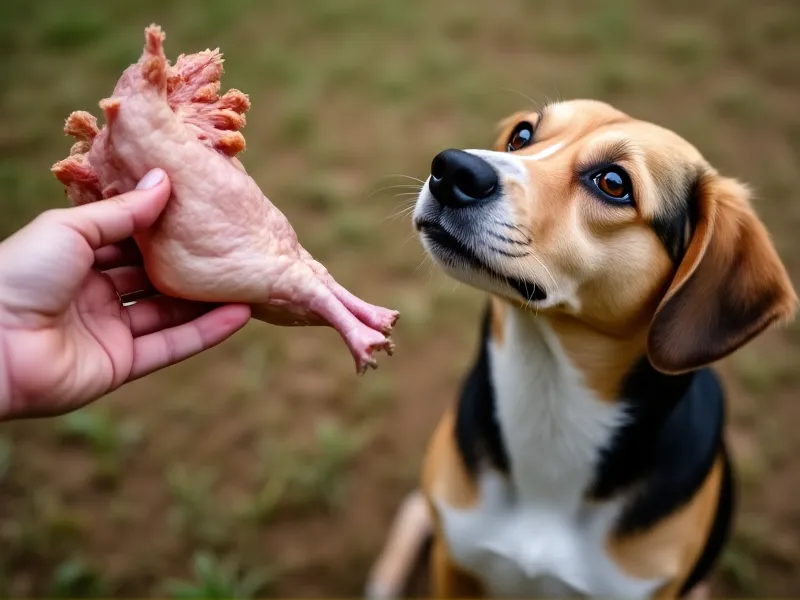
Table of Contents
- Can Dogs Eat Turkey Giblets and Neck? The Short Answer
- The Benefits: Why Turkey Giblets and Neck Might Be Good for Dogs
- The Risks: What to Watch Out For
- How to Safely Feed Turkey Giblets and Neck to Your Dog
- Healthier Alternatives to Turkey Giblets and Neck
- FAQ: Your Turkey Scraps Questions Answered
- Conclusion: Moderation is Key
- References
Can Dogs Eat Turkey Giblets and Neck? The Short Answer
Yes, dogs can eat turkey giblets (heart, liver, gizzard) and neck when prepared correctly. These parts are packed with nutrients that can benefit your dog’s health, but they come with risks if not handled properly. The key is to serve them plain, unseasoned, cooked, and in moderation. Avoid raw, seasoned, or overly fatty portions, and always monitor for choking hazards (especially with neck bones).
The Benefits: Why Turkey Giblets and Neck Might Be Good for Dogs
Turkey giblets and neck aren’t just tasty—they’re nutritional powerhouses. Here’s how they can support your dog’s health when fed safely:
1. Rich in High-Quality Protein
Giblets (heart, liver, gizzard) and neck are loaded with protein, which is essential for building and repairing muscles, supporting a healthy coat, and maintaining energy levels. For example, turkey heart is 70% protein, making it a lean, nutrient-dense treat [1].
2. Essential Vitamins and Minerals
- Iron: Liver is one of the best sources of iron for dogs, which helps produce red blood cells and prevent anemia.
- Vitamin A: Liver is rich in vitamin A, crucial for eye health, immune function, and skin health (but more on the risks of overdoing it later!).
- B Vitamins (B12, Riboflavin): These support brain function, energy metabolism, and a healthy nervous system. Gizzards, in particular, are high in B12 [2].
- Potassium: Found in heart and gizzard, potassium regulates heart rhythm, muscle function, and fluid balance—vital for overall heart health [3].
- Glucosamine & Chondroitin: Turkey neck (when fed with soft, raw bones) contains natural glucosamine and chondroitin, which support joint health and mobility [4].
3. Fiber (From Gizzards)
Turkey gizzards are a natural source of fiber, which aids digestion and helps maintain regular bowel movements. This is especially helpful for dogs with occasional constipation [5].
The Risks: What to Watch Out For
While turkey giblets and neck have benefits, they can pose risks if not prepared or portioned correctly. Here’s what to avoid:
1. Raw Meat = Bacterial Risk
Raw turkey giblets or neck may contain harmful bacteria like Salmonella or E. coli, which can make both dogs and humans sick. Cooking kills these pathogens, so always serve giblets and neck fully cooked [6].
2. Seasonings and Additives
Many people cook giblets with onions, garlic, salt, or herbs to flavor gravy—but these are toxic to dogs. Onions and garlic damage red blood cells, leading to anemia, while excessive salt can cause sodium ion poisoning (symptoms: vomiting, diarrhea, seizures) [7].
3. Choking and Splintering Bones
Turkey neck bones are a common choking hazard, especially if cooked improperly. Cooked bones are brittle and can splinter, tearing your dog’s throat, stomach, or intestines. Even raw neck bones can get stuck in small dogs’ throats. Always supervise your dog when feeding neck, and avoid cooked bones entirely [8].
4. Stomach Upset from Overfeeding
Giblets (especially liver) are rich and high in fat. Feeding too much can lead to vomiting, diarrhea, or pancreatitis (a painful inflammation of the pancreas) in sensitive dogs [9].
5. Vitamin A Toxicity (From Liver Overload)
Liver is nutrient-dense, but it’s also high in vitamin A. Too much vitamin A over time can cause toxicity, leading to joint pain, bone spurs, or digestive issues. For example, a 50-pound dog should eat no more than 1 ounce of liver per week [10].
How to Safely Feed Turkey Giblets and Neck to Your Dog
Follow these guidelines to share turkey scraps without putting your dog at risk:
1. Cook Thoroughly (No Raw!)
Cook giblets and neck until they’re no longer pink. Use a meat thermometer: internal temperature should reach 165°F (74°C) to kill bacteria [6].
2. Keep It Plain
No salt, pepper, onions, garlic, butter, or herbs. Seasonings are unnecessary and often toxic.
3. Remove Bones (Or Choose Raw Neck Bones Carefully)
If feeding turkey neck, remove all bones if cooked (they splinter). If you prefer raw (and your vet approves), opt for large, raw neck bones (too big to swallow whole) and supervise to prevent choking. Raw bones are softer and less likely to splinter but still carry bacterial risk [4].
4. Portion Control: Treat, Not a Meal
Giblets and neck should make up no more than 10% of your dog’s daily calories. For reference:
- Small dogs (10–20 lbs): 1–2 teaspoons of chopped giblets or a 1-inch piece of neck (boneless).
- Medium dogs (30–50 lbs): 1–2 tablespoons of giblets or half a boneless neck.
- Large dogs (60+ lbs): 2–3 tablespoons of giblets or a whole boneless neck (monitor for choking).
5. Introduce Slowly
Start with a tiny portion to see how your dog reacts. If they develop diarrhea or vomiting, stop feeding and consult your vet.
Healthier Alternatives to Turkey Giblets and Neck
If you’re concerned about the risks of giblets or neck, try these safer, nutrient-rich alternatives:
1. Lean Turkey Breast
Skip the giblets and opt for plain, cooked turkey breast. It’s low in fat, high in protein, and free of organ meat risks (like vitamin A overload).
2. Commercial Organ Meat Treats
Many dog food brands make freeze-dried liver or heart treats (e.g., Stella & Chewy’s, The Honest Kitchen) that are portioned and safe, with no added seasonings.
3. Beef Liver (In Moderation)
Beef liver is similar to turkey liver but often lower in fat. Feed 1 teaspoon per 10 lbs of body weight weekly (again, watch vitamin A intake) [10].
4. Pumpkin (Canned, Unsweetened)
For fiber, try pumpkin instead of gizzards. It’s gentle on the stomach and helps with digestion [5].
FAQ: Your Turkey Scraps Questions Answered
Q: Can puppies eat turkey giblets?
A: Puppies can have small amounts of plain, cooked giblets (after 6 months old), but their tummies are sensitive. Start with a tiny piece (e.g., a pea-sized liver chunk) and monitor for upset.
Q: My dog ate raw turkey giblets—should I panic?
A: Not necessarily, but watch for symptoms of food poisoning (vomiting, diarrhea, lethargy). Contact your vet if symptoms appear, especially in puppies, seniors, or immunocompromised dogs [6].
Q: Are turkey necks good for dogs’ teeth?
A: Raw turkey necks can act as a natural dental chew, scraping plaque off teeth. However, cooked necks are too hard and risky. Always supervise and avoid if your dog has dental issues (e.g., broken teeth) [4].
Q: Can I feed my dog giblets every day?
A: No. Daily giblets (especially liver) lead to vitamin A toxicity. Stick to 1–2 times per week as a treat.
Q: What if my dog stole giblets cooked with onions?
A: Onions are toxic—call your vet immediately. Symptoms (lethargy, weakness, pale gums) may take 2–5 days to appear [7].
Conclusion: Moderation is Key
Turkey giblets and neck can be a tasty, nutrient-rich treat for your dog—when served plain, cooked, and in small amounts. They’re a great way to bond with your pup during holiday meals, but safety always comes first. Avoid seasonings, raw meat, and cooked bones, and never overfeed.
If you’re unsure whether your dog can handle giblets (e.g., if they have pancreatitis or food allergies), consult your vet. When in doubt, stick to lean turkey breast or commercial treats—your dog will love them just as much!
After all, the best part of sharing food with your dog is seeing their happy tail wag. With a little caution, you can keep those tails wagging safely.
References
- American Kennel Club (AKC). “Can Dogs Eat Turkey?” akc.org
- PetMD. “Organ Meats for Dogs: Benefits and Risks.” petmd.com
- Veterinary Centers of America (VCA). “Potassium for Dogs.” vcahospitals.com
- Whole Dog Journal. “Raw Meaty Bones: A Safe Chew Option?” wholedogjournal.com
- Cummings School of Veterinary Medicine (Tufts). “Fiber for Dogs: Why It Matters.” tuftscvm.org
- Centers for Disease Control (CDC). “Salmonella and Pets.” cdc.gov
- ASPCA Animal Poison Control. “Onions, Garlic, Chives.” aspca.org
- Pet Poison Helpline. “Bones and Dogs: Risks and Prevention.” petpoisonhelpline.com
- American College of Veterinary Internal Medicine (ACVIM). “Pancreatitis in Dogs.” acvim.org
- World Small Animal Veterinary Association (WSAVA). “Nutritional Assessment Guidelines.” wsava.org