· 9 min read
Can Dogs Eat Turkey Burgers? A Pet Parent’s Guide to Safe Summertime Treats
It’s a sunny Saturday afternoon, and the grill is fired up. The scent of sizzling turkey burgers fills the air, and your dog—tail wagging, nose twitching—sits perfectly still at your feet, those big, hopeful eyes locked on your hand. You pause, burger in one hand, spatula in the other. “Just a tiny bite?” you wonder. “Surely turkey is healthy, right?”
If you’ve ever found yourself in this scenario, you’re not alone. As pet parents, we want to share life’s little joys with our furry friends, and mealtime treats often top that list. But when it comes to human foods like turkey burgers, the answer isn’t always a simple “yes” or “no.”
Turkey itself is a lean, nutrient-packed protein that’s often recommended for dogs. But turkey burgers? They’re a different story. Store-bought or restaurant versions are rarely just turkey—they’re loaded with seasonings, additives, and toppings that could spell trouble for your pup.
In this guide, we’ll break down whether dogs can safely eat turkey burgers, the benefits of turkey for dogs, the hidden risks in most burger recipes, and how to serve this summertime staple (if at all) without putting your pet’s health on the line. Let’s dive in!
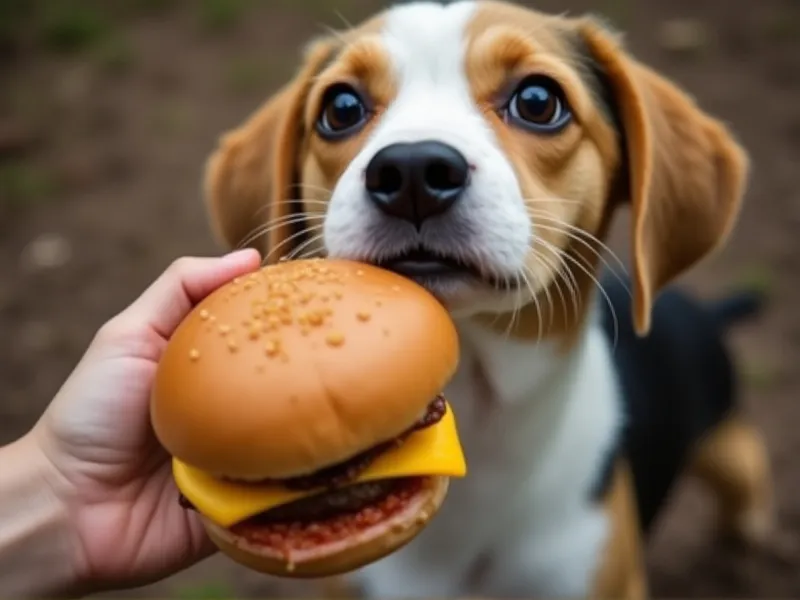
Table of Contents
- Can Dogs Eat Turkey Burgers? The Short Answer
- The Benefits of Turkey for Dogs: Why It’s a Popular Protein
- The Hidden Risks in Turkey Burgers: What to Watch For
- Safe Serving Guidelines: How Much (If Any) Turkey Burger Is Okay?
- Healthier Alternatives to Turkey Burgers for Dogs
- FAQ: Your Top Turkey Burger Questions Answered
- Conclusion: Treat Smart, Keep Your Pup Happy
1. Can Dogs Eat Turkey Burgers? The Short Answer
Yes, but only plain, well-cooked turkey burgers with no harmful additives.
Turkey itself is non-toxic and can be a healthy addition to your dog’s diet. However, most store-bought or restaurant turkey burgers are not safe for dogs because they contain ingredients like onions, garlic, salt, sugar, or spices—all of which can be harmful (or even toxic) to our furry friends.
The key here is preparation. A homemade turkey burger made with 100% ground turkey (no seasonings, oils, or fillers) and cooked thoroughly is generally safe as an occasional treat. But if your burger has ketchup, mustard, cheese, a bun, or even a sprinkle of garlic powder? It’s a hard pass.
2. The Benefits of Turkey for Dogs: Why It’s a Popular Protein
Before we dive into the risks, let’s talk about why turkey is often hailed as a “superfood” for dogs. When served plain and cooked, turkey offers a host of benefits:
Lean Protein for Muscle Health
Turkey is a high-quality, lean protein, meaning it’s low in fat and rich in amino acids—the building blocks of muscle, skin, and fur. Protein is essential for dogs of all ages: puppies need it for growth, adult dogs for maintaining muscle mass, and seniors for preserving strength.
Nutrient-Dense for Overall Wellness
Turkey is packed with vitamins and minerals that support your dog’s health:
- Iron: Helps red blood cells carry oxygen throughout the body, preventing anemia.
- Zinc: Boosts immune function, aids in wound healing, and supports healthy skin and coat.
- B Vitamins (B6, B12): Converts food into energy, supports brain function, and maintains a healthy nervous system.
- Selenium: An antioxidant that protects cells from damage and supports thyroid health.
Gentle on Sensitive Stomachs
Turkey is often recommended as a “novel protein” for dogs with food allergies or sensitivities. Unlike common allergens like chicken or beef, turkey is less likely to trigger reactions, making it a go-to for homemade bland diets (e.g., when your dog has an upset stomach).
3. The Hidden Risks in Turkey Burgers: What to Watch For
Now, here’s the catch: turkey burgers are rarely just turkey. Let’s break down the most common ingredients that make them unsafe for dogs:
Toxic Additives: Onions and Garlic
Onions, garlic, leeks, and chives (all part of the Allium family) are extremely toxic to dogs, even in small amounts. They contain compounds that damage red blood cells, leading to a condition called hemolytic anemia, which can cause weakness, lethargy, vomiting, or even death.
Many turkey burger recipes (including store-bought versions) add onions or garlic for flavor. Even a “hint” of garlic powder or a diced onion mixed into the patty is enough to harm your dog.
Excess Salt: A Hidden Danger
Salt is another common culprit. Most processed turkey burgers (or those from restaurants) are loaded with salt to enhance flavor. While dogs need a tiny amount of sodium, too much can lead to sodium ion poisoning, which causes symptoms like excessive thirst, vomiting, diarrhea, tremors, seizures, or even kidney damage.
The ASPCA notes that just 1.5 grams of salt per pound of body weight can be toxic to dogs. A single store-bought turkey burger can contain 300–500 mg of sodium—way too much for a small dog (e.g., a 10-pound Chihuahua would only need ~15 mg of sodium per day, according to the National Research Council).
Sugar and Empty Calories
Ketchup, barbecue sauce, or honey-glazed turkey burgers are loaded with sugar. Dogs have no nutritional need for sugar, and excess sugar can lead to obesity, dental issues, or even diabetes over time.
Unhealthy Oils and Fats
Turkey is lean, but many burgers are cooked in oil or butter (or fried) to prevent sticking. High-fat foods can trigger pancreatitis in dogs—a painful inflammation of the pancreas that causes vomiting, diarrhea, and loss of appetite. Pancreatitis can be life-threatening if left untreated.
The Bun: A Carby Disaster
Let’s not forget the bun! Most burger buns are made with white flour, which is high in carbs and low in nutrients. Some buns also contain raisins, currants, or xylitol (a sugar substitute)—all of which are toxic to dogs (xylitol, in particular, can cause a rapid drop in blood sugar and liver failure).
Choking Hazards
Dry, crumbly turkey burgers (or those with tough bits) can pose a choking risk, especially for small dogs. Always break treats into small, bite-sized pieces to avoid this.
4. Safe Serving Guidelines: How Much (If Any) Turkey Burger Is Okay?
If you want to share a turkey burger with your dog, follow these rules to keep them safe:
1. Make It Homemade (and Plain!)
Skip the store-bought or restaurant versions. Instead, make a dog-friendly turkey burger:
- Use 100% ground turkey (no added seasonings, onions, garlic, or fillers).
- Cook it thoroughly (no pink meat!) to kill bacteria like salmonella or E. coli.
- Avoid oils or butter—cook it on a non-stick pan or grill (no added fat).
2. Serve It as an Occasional Treat
Turkey burgers should never replace your dog’s regular, balanced diet. Think of it as a “special occasion” snack (e.g., your summer cookout, not a weekly meal).
3. Portion Control Is Key
The amount depends on your dog’s size:
- Small dogs (under 20 lbs): 1–2 small bites (about the size of a cherry tomato).
- Medium dogs (20–50 lbs): ¼ of a small patty (no bun, condiments, or toppings).
- Large dogs (50+ lbs): ½ of a small patty (again, plain and cooked).
Overfeeding can lead to stomach upset (diarrhea, vomiting) or weight gain, even with plain turkey.
4. Let It Cool and Chop It Up
Let the burger cool completely to avoid burning your dog’s mouth. Then, chop it into tiny pieces to reduce choking risk.
5. Skip the Extras
No bun, no ketchup, no cheese, no avocado (avocado is toxic to some dogs), and no pickles. Just plain, cooked turkey.
5. Healthier Alternatives to Turkey Burgers for Dogs
If you want to treat your dog to turkey without the risks of a burger, try these safer options:
Plain Cooked Turkey Breast
The best alternative! Boil, bake, or grill a turkey breast (no seasonings), then dice it into small pieces. Turkey breast is even leaner than ground turkey and has no added fats or fillers.
Homemade Turkey Meatballs
Mix 100% ground turkey with a small amount of cooked, plain oats (for binding) and bake them into bite-sized meatballs. Let them cool, then store in the fridge for up to 3 days (or freeze for later).
Turkey Jerky (Dog-Safe!)
Dehydrate thin slices of cooked turkey breast in the oven (low heat, 160°F, for 2–3 hours) to make homemade jerky. No salt, sugar, or spices—just pure turkey flavor!
Canned Turkey (No Salt Added)
Look for canned turkey labeled “no salt added” and “100% turkey” (no broth, onions, or garlic). Serve a spoonful mixed into your dog’s regular food for a protein boost.
6. FAQ: Your Top Turkey Burger Questions Answered
Q: Can dogs eat raw turkey burgers?
A: No. Raw turkey (or any raw meat) can contain harmful bacteria like salmonella or E. coli, which can make your dog (and you!) sick. Always cook turkey thoroughly before feeding it to your dog.
Q: My dog stole a bite of my turkey burger with onions. What should I do?
A: Contact your vet immediately. Onions and garlic are toxic, and symptoms (like lethargy or vomiting) can take 24–72 hours to appear. Your vet may recommend inducing vomiting (if caught early) or blood tests to check for anemia.
Q: Are turkey burgers better than beef burgers for dogs?
A: Turkey is leaner than beef, so it’s a better choice for overweight dogs or those prone to pancreatitis. However, both are only safe if they’re plain, cooked, and free of additives. A beef burger with onions is just as bad as a turkey burger with onions!
Q: Can puppies eat turkey burgers?
A: Puppies have sensitive stomachs, so it’s best to avoid human food (including turkey burgers) until they’re at least 6 months old. Stick to a puppy-formulated diet to ensure they get all the nutrients they need.
Q: Is ground turkey or turkey breast better for dogs?
A: Turkey breast is leaner and lower in fat than ground turkey (which may contain skin or dark meat). For dogs watching their weight, turkey breast is the better option.
7. Conclusion: Treat Smart, Keep Your Pup Happy
So, can dogs eat turkey burgers? With careful preparation—plain, cooked, and free of toxic additives—yes, as an occasional treat. But the truth is, most turkey burgers (store-bought or restaurant) are loaded with ingredients that can harm your dog.
When in doubt, opt for plain cooked turkey breast instead. It’s safer, healthier, and just as tasty (in your dog’s opinion!). And remember: every dog is different. If your dog has allergies, a sensitive stomach, or a chronic health condition (like kidney disease), always check with your vet before sharing new foods.
At the end of the day, the best part of summer cookouts isn’t the burger—it’s sharing the moment with your pup. A belly rub, a game of fetch, or a simple “good boy” will mean more to them than any bite of human food. But if you do decide to share? Keep it plain, keep it small, and keep those tail wags coming!
References
- American Society for the Prevention of Cruelty to Animals (ASPCA). “People Foods to Avoid Feeding Your Pets.” aspca.org
- American Kennel Club (AKC). “Can Dogs Eat Turkey?” akc.org
- VCA Hospitals. “Pancreatitis in Dogs.” vcahospitals.com
- National Research Council. “Nutrient Requirements of Dogs and Cats.” National Academies Press, 2006.