· 10 min read
Can Dogs Eat Turkey Bacon Cooked? What Pet Parents Need to Know
The smell hits you first: smoky, savory, with a hint of that “breakfast magic.” You’re standing at the stove, flipping a few strips of turkey bacon—crispy, golden, and so tempting. Out of the corner of your eye, you spot them: your dog, tail thumping, nose twitching, staring up at you with that “please, just one bite” look.
Turkey bacon is a go-to for humans trying to cut back on pork or fat, but is it safe to share with your pup? Can dogs eat cooked turkey bacon, or is it better to keep that plate out of paw’s reach?
Let’s dive in.
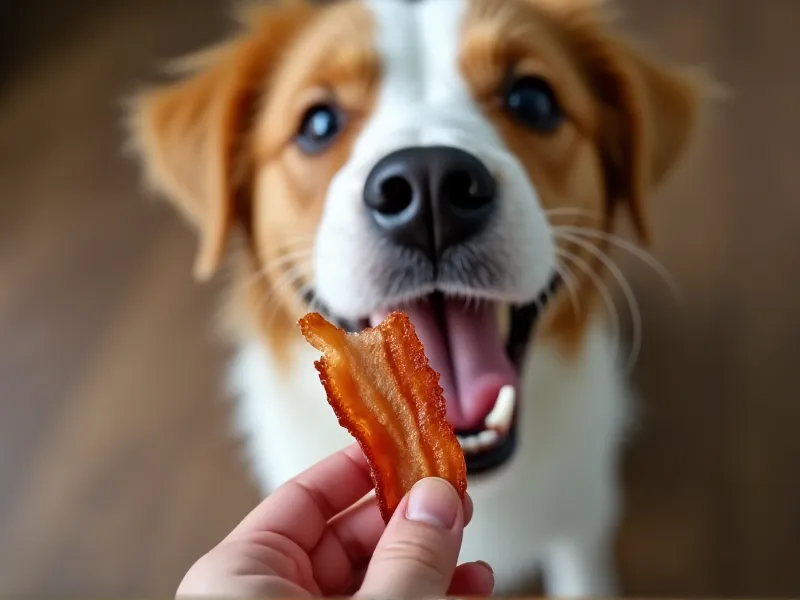
Table of Contents
- Can Dogs Eat Turkey Bacon? The Short Answer
- What Is Turkey Bacon, Anyway?
- Potential “Benefits” (But Take Them With a Grain of Salt)
- Risks of Feeding Turkey Bacon to Dogs
- How Much Turkey Bacon Is Safe for Dogs?
- Healthier Alternatives to Turkey Bacon
- FAQ: Your Turkey Bacon Questions Answered
- Conclusion: Love Them Enough to Choose Better
Can Dogs Eat Turkey Bacon? The Short Answer
No, turkey bacon isn’t ideal for dogs—but small, occasional bites are unlikely to harm most healthy adult dogs.
Here’s the catch: Turkey bacon is a processed meat, and processed foods (even “healthier” ones) come with hidden risks for our furry friends. While it’s not toxic, the additives, salt, and sugar in turkey bacon make it a poor choice for regular treats. Think of it like junk food for dogs: a tiny nibble might not hurt, but it’s far from nutritious.
What Is Turkey Bacon, Anyway?
Before we judge whether it’s safe for dogs, let’s clarify what turkey bacon actually is. Unlike traditional pork bacon (made from cured pork belly), turkey bacon is typically made from ground turkey—often a mix of white and dark meat—shaped into strips. To mimic the flavor and texture of pork bacon, manufacturers add:
- Salt (lots of it) for seasoning and preservation.
- Sugar (brown sugar, honey, or corn syrup) to balance saltiness.
- Smoke flavoring or artificial smoke to replicate that “bacon” taste.
- Preservatives (like sodium nitrite) to extend shelf life.
- Fat (sometimes added turkey fat or vegetable oil) to make it crispy.
While turkey bacon is often marketed as a “leaner” alternative to pork bacon (lower in saturated fat), it’s still a processed product. And processed meats—for both humans and dogs—come with trade-offs.
Potential “Benefits” (But Take Them With a Grain of Salt)
Let’s be generous: Could there be any upside to sharing a tiny piece of turkey bacon with your dog? Maybe, but they’re minimal and overshadowed by the risks. Here’s what to know:
1. A Small Boost of Protein
Turkey is a good source of protein, and turkey bacon does contain some (about 4-6 grams per slice, depending on the brand). Protein is essential for dogs’ muscles, skin, and coat health. However, the protein in turkey bacon is not high-quality. Processed meats often use lower-grade meat scraps, and the added salt/sugar dilute its nutritional value. Your dog would get far more benefit from a bite of plain, unseasoned turkey breast.
2. Trace Nutrients (But Not Enough to Matter)
Turkey contains B vitamins (like B6 and niacin) and minerals (iron, zinc) that support energy and immune function. But again: turkey bacon is processed, so these nutrients are present in tiny amounts. You’d need to feed your dog an unsafe quantity of turkey bacon to see any real benefit—and that’s not worth the risk.
Bottom line: The “benefits” of turkey bacon are negligible. Your dog’s regular food (a high-quality, balanced diet) already provides all the protein, vitamins, and minerals they need.
Risks of Feeding Turkey Bacon to Dogs
Now, let’s get real about the downsides. These are the risks that make turkey bacon a poor choice for your pup—even in small amounts.
1. High Sodium: A Hidden Danger
Salt is the biggest concern with turkey bacon. Most brands pack 300-400 mg of sodium per slice (check the label!). For context:
- A 10-pound dog should consume no more than 100 mg of sodium per day (according to the National Research Council).
- A 50-pound dog? No more than 500 mg per day.
A single slice of turkey bacon could exceed your small dog’s entire daily sodium limit. Excess sodium in dogs can lead to:
- Thirst and frequent urination (mild cases).
- Salt poisoning (severe cases): Symptoms include vomiting, diarrhea, lethargy, tremors, seizures, or even death. This is rare but possible if a dog eats multiple slices.
Dogs with kidney disease, heart disease, or high blood pressure are especially sensitive to sodium—turkey bacon is a hard “no” for them.
2. Added Sugar: Empty Calories
Many turkey bacon brands add sugar to balance the salt. While a gram or two of sugar might seem harmless, it’s empty calories for dogs. Over time, excess sugar can lead to:
- Weight gain (and obesity-related issues like diabetes or joint pain).
- Dental problems (cavities, gum disease).
- Picky eating (your dog might start refusing their balanced kibble for sugary “treats”).
3. Preservatives: Nitrites and Beyond
Sodium nitrite is a common preservative in processed meats (including some turkey bacon). While the FDA deems it safe for humans in small amounts, there’s concern that nitrites can react with stomach acids to form nitrosamines—compounds linked to cancer in lab animals. For dogs, whose bodies process chemicals differently than humans, the long-term effects aren’t well-studied, but it’s better to err on the side of caution.
4. Fat: A Pancreatitis Risk
Turkey bacon is lower in fat than pork bacon, but it’s not “fat-free.” A single slice can contain 3-5 grams of fat. For dogs, high-fat foods can trigger pancreatitis—a painful, potentially life-threatening condition where the pancreas becomes inflamed. Symptoms include vomiting, diarrhea, abdominal pain, and lethargy. Small dogs, overweight dogs, and breeds prone to pancreatitis (like Miniature Schnauzers) are at higher risk.
5. Choking Hazard
Turkey bacon can be crispy, and if not cut into tiny pieces, it can pose a choking risk—especially for small dogs or dogs who gulp food without chewing.
6. Stomach Upset
Processed foods are hard on dogs’ digestive systems. Even a small piece of turkey bacon might cause:
- Gas, bloating, or diarrhea.
- Nausea or loss of appetite.
How Much Turkey Bacon is Safe for Dogs?
If you must share a tiny taste (we get it—those puppy eyes are powerful!), follow these strict guidelines:
👉 Rule #1: Size Matters
- Small dogs (under 20 lbs): 1-2 tiny pieces (no bigger than a pinky nail).
- Medium dogs (20-50 lbs): A sliver (about ¼ of a small slice, chopped into bits).
- Large dogs (50+ lbs): Up to ½ a small slice (chopped), but only very occasionally.
👉 Rule #2: Rarely, Not Regularly
Turkey bacon should be a once-in-a-blue-moon treat—not a weekly or daily habit. Think: “I burned the toast, and there’s a tiny crumb of turkey bacon on the plate—maybe I’ll let them lick it.” Not: “I’ll save the end of my bacon strip for them every Sunday.”
👉 Rule #3: Check the Ingredients First
Avoid brands with:
- Added garlic or onion (toxic to dogs).
- Extra sugar (look for “no added sugar” on the label, though these are rare).
- High sodium (aim for under 200 mg per slice, if possible).
Even “low-sodium” turkey bacon is still salty—read labels carefully!
👉 Rule #4: Skip It If Your Dog Has Health Issues
Never share turkey bacon with dogs who have:
- Kidney disease (can’t process excess salt).
- Heart disease (salt worsens fluid retention).
- Diabetes (sugar spikes blood glucose).
- Pancreatitis (history or risk).
- Food sensitivities (processed foods are more likely to trigger reactions).
Healthier Alternatives to Turkey Bacon
Instead of risking the downsides of turkey bacon, treat your dog to these nutritious alternatives that taste just as (if not more!) exciting to them:
1. Plain Cooked Turkey Breast
The best alternative! Boil or bake a small piece of unseasoned turkey breast (no salt, butter, or spices). Chop it into bits for a high-protein, low-fat treat. Turkey breast is gentle on tummies and packed with nutrients.
2. Lean Chicken or Beef Strips
Cooked, unseasoned chicken breast or lean beef (like sirloin) are also great options. They’re high in protein, low in additives, and most dogs go crazy for them.
3. Carrots or Green Beans
For a crunchy, low-calorie snack, try raw carrots (chopped into bite-sized pieces) or steamed green beans. They’re high in fiber, good for dental health, and safe for dogs of all sizes.
4. Apple Slices (No Seeds!)
Apples are a sweet, crunchy treat rich in fiber and vitamin C. Just remove the core and seeds (seeds contain small amounts of cyanide, which is toxic in large doses).
5. Dog-Safe Jerky Treats
Look for jerky made from a single ingredient (e.g., “100% turkey jerky” or “beef jerky”) with no added salt, sugar, or preservatives. Brands like Stella & Chewy’s or Blue Buffalo make high-quality options.
6. Frozen Pumpkin Cubes
Plain, canned pumpkin (not pie filling!) is high in fiber and great for digestion. Freeze spoonfuls into cubes for a cool, tasty treat (perfect for summer!).
FAQ: Your Turkey Bacon Questions Answered
Q: Is turkey bacon better for dogs than pork bacon?
A: Slightly, but not by much. Turkey bacon is lower in saturated fat than pork bacon, but both are processed, high in salt, and contain additives. If you had to choose, turkey bacon is the “lesser of two evils,” but neither is a good choice for regular treats.
Q: Can puppies eat turkey bacon?
A: It’s best to avoid. Puppies have sensitive digestive systems and are more prone to stomach upset from processed foods. Stick to puppy-safe treats (like plain turkey or carrots) until they’re older.
Q: My dog stole a whole slice of turkey bacon! What should I do?
A: Don’t panic, but monitor them closely for 24 hours. Watch for symptoms of salt poisoning (excessive thirst, vomiting, diarrhea, lethargy, seizures) or pancreatitis (abdominal pain, hunched back, nausea). If you notice any of these, call your vet immediately. For small dogs, even one slice could be risky—err on the side of caution and contact your vet.
Q: Can I give my dog “unsalted” turkey bacon?
A: “Unsalted” doesn’t mean “no salt.” Most “low-sodium” turkey bacon still contains 100-200 mg of sodium per slice. Plus, it may still have sugar, preservatives, or smoke flavoring. It’s better to skip processed options entirely.
Q: Is turkey bacon a good training treat?
A: No. Training treats should be small, low-calorie, and nutrient-dense. Turkey bacon is high in salt, sugar, and empty calories—you’re better off using freeze-dried turkey bits or small pieces of carrot.
Conclusion: Love Them Enough to Choose Better
At the end of the day, sharing a tiny piece of turkey bacon with your dog probably won’t send them to the vet. But why risk it? Our dogs rely on us to make the best choices for their health—and turkey bacon, with its salt, sugar, and additives, just isn’t a great choice.
Instead of reaching for the processed stuff, opt for whole, unseasoned foods that nourish their bodies: a piece of plain turkey, a crunchy carrot, or a slice of apple. Your dog will wag just as hard (maybe harder!) for these treats, and you’ll rest easy knowing you’re keeping them happy and healthy.
As always, if you’re unsure about a new food, check with your vet. They know your dog’s unique health needs and can help you make the best choices.
Here’s to many more tail wags—fueled by treats that love them back!
References
- American Society for the Prevention of Cruelty to Animals (ASPCA). “People Foods to Avoid Feeding Your Pets.” aspca.org
- PetMD. “Processed Meats and Your Pet: Are They Safe?” petmd.com
- Cummings Veterinary Medical Center at Tufts University. “Sodium Toxicity in Dogs.” tuftscvm.org
- World Small Animal Veterinary Association (WSAVA). “Nutrition Toolkit: Feeding Your Dog.” wsava.org