· 7 min read
Can Dogs Eat Tuna Mayonnaise? A Pet Parent’s Guide to Safe Snacking
Picture this: You’re sitting down to lunch, savoring a creamy tuna salad sandwich. Across the room, your dog cocks their head, tail thumping gently against the floor. Those big, hopeful eyes lock onto your sandwich, and suddenly, you’re hit with the universal pet parent dilemma: “Can I share a bite?”
Tuna mayonnaise is a pantry staple for many of us—creamy, tangy, and perfect on sandwiches or crackers. But when it comes to our furry friends, not all human foods are created equal. As pet parents, we want to treat our pups, but we also need to keep them safe. So, can dogs eat tuna mayonnaise? Let’s dig into the details, from potential benefits to hidden risks, and everything in between.
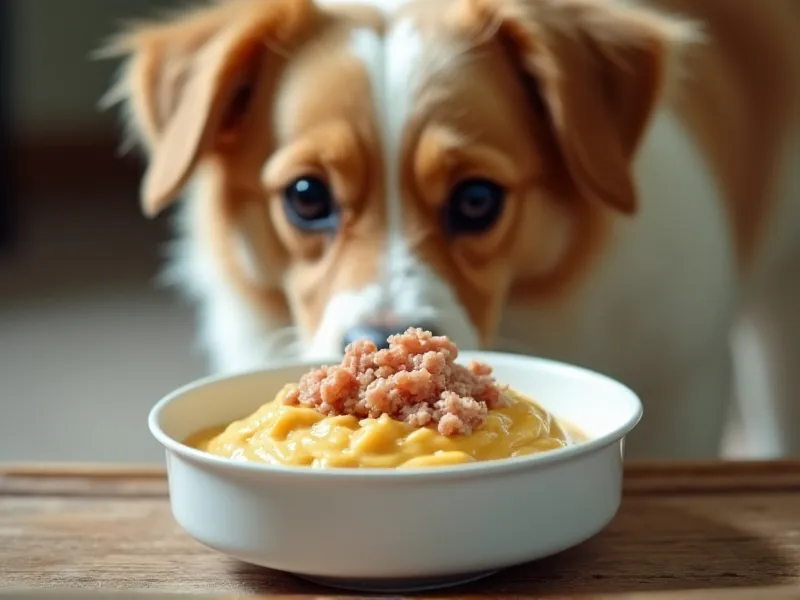
Table of Contents
- Can Dogs Eat Tuna Mayonnaise? The Short Answer
- The Potential Benefits: What’s Good in Tuna Mayonnaise?
- The Risks: Why Tuna Mayonnaise Can Be Tricky for Dogs
- How Much Tuna Mayonnaise Can Dogs Safely Eat? Guidelines for Pet Parents
- Healthier Alternatives to Tuna Mayonnaise
- FAQ: Your Tuna Mayonnaise Questions Answered
- Conclusion: Treat Smart, Keep Your Pup Happy
- References
Can Dogs Eat Tuna Mayonnaise? The Short Answer
Yes, but with strict limits and caution. Tuna itself offers some nutritional benefits for dogs, but the mayonnaise in tuna mayo is high in fat, salt, and sometimes added sugars—ingredients that can harm your pup in large amounts. Think of tuna mayonnaise as an occasional, tiny treat, not a regular snack. Even then, there are risks to watch for, like mercury in tuna or pancreatitis from fatty mayo. Let’s break down the pros and cons to help you make the best choice for your furry friend.
The Potential Benefits: What’s Good in Tuna Mayonnaise?
To understand if tuna mayo is safe, let’s start with its main ingredients: tuna and mayonnaise.
Tuna: A Nutrient-Dense Protein Source
Tuna is packed with nutrients that can benefit dogs in small doses:
- Protein: Essential for muscle growth, repair, and overall energy.
- Omega-3 Fatty Acids: Support healthy skin, a shiny coat, joint health, and brain function.
- Selenium: An antioxidant that boosts the immune system.
- Vitamins B12 and D: B12 aids nerve function; D supports bone health.
Mayonnaise: Any Silver Linings?
Mayonnaise is typically made from oil, egg yolks, vinegar, and salt. While eggs are a great source of protein and vitamins for dogs, the oil and salt in mayo overshadow these benefits. Most mayo is high in unhealthy fats (like soybean or canola oil) and added sodium, which offer little nutritional value for your pup. Some brands even add sugar or artificial flavors—ingredients dogs don’t need.
Bottom line: The benefits of tuna mayo come mostly from the tuna, but the mayo itself adds risks without much upside.
The Risks: Why Tuna Mayonnaise Can Be Tricky for Dogs
While a tiny bite of tuna mayo might seem harmless, several risks make it a less-than-ideal treat. Here’s what to watch for:
1. High Fat Content: A Pancreatitis Risk
Mayonnaise is extremely high in fat (about 10 grams of fat per tablespoon). Dogs’ bodies aren’t designed to process large amounts of fat, which can trigger pancreatitis—a painful, potentially life-threatening condition where the pancreas becomes inflamed. Symptoms include vomiting, diarrhea, lethargy, and loss of appetite. Even small amounts of fatty foods can cause issues, especially in breeds prone to pancreatitis (like Miniature Schnauzers or Cocker Spaniels).
2. Mercury Poisoning from Tuna
Tuna, especially larger species like albacore (“white tuna”), accumulates mercury over time. While humans can handle small amounts, dogs are more sensitive to mercury toxicity. Symptoms of mercury poisoning include tremors, loss of coordination, and kidney damage. Light tuna (made from smaller fish like skipjack) has lower mercury levels than albacore, but overconsumption still poses risks.
3. Too Much Salt and Sodium
Canned tuna (the kind we use in tuna salad) often has added salt to enhance flavor. Dogs need only a tiny amount of sodium (about 100 mg per 100 calories of food), and excess salt can lead to sodium ion poisoning. Symptoms include excessive thirst, urination, vomiting, seizures, or even death. Even “low-sodium” canned tuna may have enough salt to harm small dogs.
4. Added Sugars and Artificial Ingredients
Some commercial mayonnaises include sugar, high-fructose corn syrup, or artificial preservatives (like EDTA). Sugar contributes to obesity, dental issues, and diabetes in dogs. Artificial additives can also cause stomach upset or allergic reactions.
5. Choking Hazards from Tuna Bones
Canned tuna occasionally contains small, sharp bones that can get stuck in your dog’s throat, gums, or intestines. Always check tuna thoroughly for bones before feeding it to your pup—even “boneless” varieties can have fragments.
How Much Tuna Mayonnaise Can Dogs Safely Eat? Guidelines for Pet Parents
If you decide to share a tiny bite of tuna mayo with your dog, follow these strict rules:
- Stick to “light tuna” (skipjack) to minimize mercury exposure. Avoid albacore (white tuna) entirely.
- Choose tuna in water, not oil—oil-packed tuna adds extra fat. Drain it thoroughly to reduce salt.
- Use mayo sparingly, if at all: Opt for a “light” or “low-fat” mayo (though even these are high in fat) and check labels for added sugar or salt.
- Portion size matters:
- Small dogs (under 20 lbs): ¼–½ teaspoon of tuna mayo, once a week at most.
- Medium dogs (20–50 lbs): ½–1 teaspoon, once a week.
- Large dogs (50+ lbs): 1–2 teaspoons, once a week.
- Never make it a regular treat: Tuna mayo should be an occasional indulgence, not part of your dog’s daily diet.
Healthier Alternatives to Tuna Mayonnaise
Instead of risking the downsides of tuna mayo, try these safer, more nutritious treats that your dog will love:
1. Plain Canned Tuna (In Water, No Salt)
Skip the mayo entirely! Offer a tiny spoonful of drained, no-salt-added canned tuna (in water) as a treat. It has all the protein and omega-3s of tuna mayo without the fat or salt.
2. Cooked Salmon or Sardines
Salmon and sardines are rich in omega-3s and have lower mercury levels than tuna. Serve a small piece of cooked, unseasoned salmon (no bones!) or a few canned sardines (in water, no salt) for a healthy snack.
3. Hard-Boiled Eggs
Eggs are a fantastic source of protein, vitamins, and healthy fats—like the eggs in mayo, but without the added oil or salt. Mash a small piece of hard-boiled egg into your dog’s food or offer it as a standalone treat.
4. Mashed Avocado
Avocado is packed with healthy fats, fiber, and potassium. A tiny spoonful of mashed avocado (without the pit or skin!) can be a tasty, nutrient-dense treat.
5. Plain Greek Yogurt
Unsweetened Greek yogurt is high in protein and probiotics, which support gut health. Mix in a pinch of tuna (drained, no salt) for a creamy, dog-friendly “tuna dip.”
FAQ: Your Tuna Mayonnaise Questions Answered
Q: My dog stole a bite of my tuna mayo sandwich! Should I panic?
A: Probably not—if it was just a small bite. Monitor them for 24 hours for vomiting, diarrhea, or lethargy. If symptoms appear, contact your vet. For large amounts (e.g., a whole sandwich), call your vet immediately—pancreatitis can develop quickly.
Q: Is “low-fat” or “olive oil mayo” safer for dogs?
A: “Low-fat” mayo still has ~5 grams of fat per tablespoon—too much for dogs. Olive oil mayo is slightly healthier than regular mayo, but it’s still high in fat. Stick to tiny portions if you must use it.
Q: Can puppies eat tuna mayonnaise?
A: Puppies have sensitive digestive systems and are more prone to pancreatitis. It’s best to avoid tuna mayo entirely—opt for puppy-safe treats like plain yogurt or cooked chicken instead.
Q: Is tuna mayo better than other human foods, like peanut butter?
A: No. Plain, unsalted peanut butter (without xylitol) is a safer, more nutritious treat than tuna mayo. It’s lower in fat, higher in protein, and dogs love it!
Conclusion: Treat Smart, Keep Your Pup Happy
Sharing food with your dog is one of the joys of pet parenthood, but it’s crucial to prioritize their health. Tuna mayonnaise can be an occasional treat in tiny amounts, but the risks (pancreatitis, mercury, salt) often outweigh the benefits.
When in doubt, stick to dog-safe alternatives like plain tuna, cooked salmon, or hard-boiled eggs. And always consult your vet before introducing new foods—they can help you tailor treats to your dog’s age, breed, and health needs.
Remember: The best way to show your pup love is with a balanced diet, plenty of playtime, and treats that keep them healthy. Your furry friend will thank you!
References
- American Kennel Club (AKC). “Can Dogs Eat Tuna?” akc.org/expert-advice/nutrition/can-dogs-eat-tuna
- ASPCA. “Toxic and Non-Toxic Food for Dogs.” aspca.org/pet-care/animal-poison-control/dogs-unsafe-food
- PetMD. “Pancreatitis in Dogs: Symptoms, Causes, and Treatment.” petmd.com/dog/conditions/digestive/c_dg_pancreatitis
- FDA. “Mercury Levels in Commercial Fish and Shellfish.” fda.gov/food/foodborne-illness-foodborne-pathogens/mercury-levels-commercial-fish-and-shellfish
- World Small Animal Veterinary Association (WSAVA). “Nutrition Toolkit for Pet Owners.” wsava.org/global-guidelines/nutrition-toolkit