· 8 min read
Can Dogs Eat Tuna and Mayo? A Pet Parent’s Guide to Safe Snacking
It’s a lazy Sunday afternoon, and you’re whipping up a quick tuna salad sandwich. The tangy scent of flaky tuna mingles with creamy mayo, and suddenly, your dog is at your feet—tail thumping, eyes wide, nose twitching like a radar. “Just a little bite?” you wonder. After all, tuna is packed with protein, and mayo makes everything taste better… right? But before you cave to those puppy-dog eyes, let’s get the facts straight: Can dogs eat tuna and mayo safely?
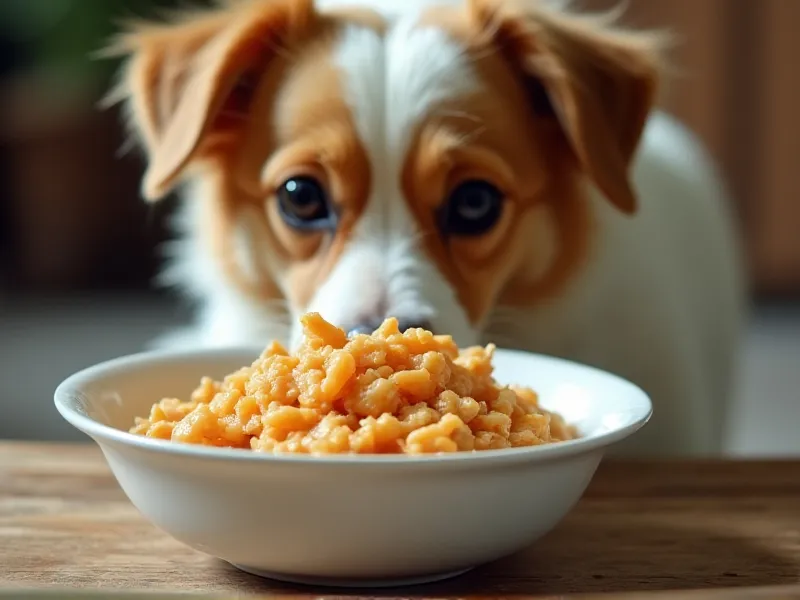
Table of Contents
- The Short Answer: Can Dogs Eat Tuna and Mayo?
- The Benefits of Tuna for Dogs (When Given Responsibly)
- The Risks of Tuna for Dogs: What to Watch For
- Mayo and Dogs: Why This Condiment Is a No-Go
- Safe Guidelines: How Much Tuna (If Any) Can Dogs Eat?
- Healthier Alternatives to Tuna and Mayo
- FAQ: Your Tuna-and-Mayo Questions Answered
- Conclusion: Moderation and Veterinary Advice Are Key
The Short Answer: Can Dogs Eat Tuna and Mayo?
Let’s cut to the chase: Plain, cooked tuna (in small amounts) is generally safe for dogs, but mayo is not recommended.
Tuna, when prepared properly (no salt, no bones, no added oils), can offer some nutritional benefits. However, it’s not a staple food and should only be an occasional treat. Mayo, on the other hand, is a high-fat, nutrient-poor condiment that poses serious risks to your dog’s health—even in small doses. Let’s break down why, and how to keep your pup safe.
The Benefits of Tuna for Dogs (When Given Responsibly)
Tuna isn’t just a human favorite—it’s also a nutrient-dense food that can offer some perks for your dog, when served correctly. Here’s what makes it potentially beneficial:
1. High-Quality Protein
Tuna is rich in lean protein, which is essential for building and repairing muscle tissue, supporting a healthy immune system, and maintaining energy levels. Protein is a cornerstone of your dog’s diet, and tuna can be a tasty way to supplement it (in moderation).
2. Omega-3 Fatty Acids
Tuna is a good source of omega-3 fatty acids (EPA and DHA), which are famous for their anti-inflammatory properties. These healthy fats can:
- Improve skin and coat health (reducing dryness and itching)
- Support brain function, especially in puppies and senior dogs
- Aid joint health, potentially easing arthritis symptoms
3. Essential Vitamins and Minerals
Tuna contains key nutrients like:
- Vitamin B12: Supports nerve function and red blood cell production.
- Vitamin D: Helps absorb calcium and phosphorus for strong bones.
- Selenium: An antioxidant that protects cells from damage.
- Potassium: Regulates heart function and muscle contractions.
But wait—these benefits only apply if tuna is served plain, cooked, and in small quantities. Let’s talk about the risks that come with improper feeding.
The Risks of Tuna for Dogs: What to Watch For
While tuna has upsides, it’s not without dangers. Here are the biggest risks to consider before sharing your sandwich filling:
1. Mercury Poisoning
Tuna is a large, predatory fish, which means it can accumulate mercury in its tissues over time. Mercury is a heavy metal that’s toxic to dogs (and humans) in high amounts. Symptoms of mercury poisoning include:
- Loss of coordination
- Weakness
- Vision problems
- Kidney damage (over long-term exposure)
Small, occasional servings are unlikely to cause harm, but frequent or large portions can lead to buildup. Light tuna (like skipjack) has lower mercury levels than white tuna (albacore), so opt for light tuna if you’re sharing.
2. Excess Sodium
Most canned tuna (the kind we typically have at home) is packed in water or oil with added salt to enhance flavor. Dogs have much lower sodium needs than humans—too much salt can cause:
- Thirst and excessive urination
- Sodium ion poisoning (symptoms: vomiting, diarrhea, seizures, even death in severe cases)
Always choose no-salt-added, water-packed tuna for your dog. Avoid oil-packed tuna, as the extra fat can lead to stomach upset or pancreatitis.
3. Choking Hazards and Bones
Fresh tuna (if not properly deboned) can contain small, sharp bones that pose a choking risk or may tear your dog’s digestive tract. Even canned tuna occasionally has bone fragments, so inspect it carefully before serving.
Mayo and Dogs: Why This Condiment Is a No-Go
Now, let’s tackle the other half of the equation: mayo. While it might make your tuna salad creamy and delicious, mayo is not a safe addition to your dog’s diet. Here’s why:
1. High Fat Content = Pancreatitis Risk
Mayonnaise is made primarily of oil and egg yolks, making it extremely high in fat (about 10 grams of fat per tablespoon). Dogs’ bodies aren’t designed to process large amounts of fat—too much can trigger pancreatitis, a painful and potentially life-threatening condition where the pancreas becomes inflamed. Symptoms of pancreatitis include:
- Severe vomiting
- Abdominal pain (hunched back, reluctance to move)
- Loss of appetite
- Diarrhea
Even a small spoonful of mayo can be risky, especially for dogs prone to pancreatitis (like small breeds or overweight pups).
2. Toxic Additives
Many store-bought mayo brands include ingredients that are toxic to dogs, such as:
- Garlic or Onion: These are members of the allium family, which can destroy a dog’s red blood cells, leading to anemia.
- Xylitol: An artificial sweetener sometimes added to “low-fat” mayo, xylitol causes a rapid insulin release in dogs, leading to hypoglycemia (low blood sugar), seizures, or liver failure.
- Artificial Preservatives/Flavors: These offer no nutritional value and may irritate your dog’s stomach.
3. Empty Calories
Mayo has zero nutritional benefits for dogs—it’s just empty calories that can contribute to weight gain and obesity over time. There’s no reason to include it in their diet.
Safe Guidelines: How Much Tuna (If Any) Can Dogs Eat?
If you want to share tuna with your dog, follow these rules to keep them safe:
1. Stick to Small, Occasional Treats
Tuna should never replace your dog’s regular, balanced dog food. It’s a treat, not a meal. Aim for:
- Small dogs (under 20 lbs): 1–2 teaspoons of tuna per week
- Medium dogs (20–50 lbs): 1–2 tablespoons per week
- Large dogs (over 50 lbs): 2–3 tablespoons per week
2. Choose the Right Tuna
- No salt added: Always pick “no salt added, water-packed tuna.” Avoid oil-packed, as the extra fat is unnecessary.
- Cooked, not raw: Raw tuna may contain parasites or bacteria (like salmonella) that can make your dog sick. Cook tuna thoroughly before serving.
- Deboned: If using fresh tuna, remove all bones to prevent choking or internal injury.
3. Serve Plain
Never add mayo, spices, garlic, onion, or other seasonings. Tuna should be served plain—no frills. You can mix a small amount into your dog’s regular food for a special treat, or serve it on its own.
Healthier Alternatives to Tuna and Mayo
If you’re looking for safe, tasty treats to share with your dog, skip the tuna-mayo combo and try these alternatives instead:
For Omega-3s:
- Salmon: Cooked, boneless salmon is lower in mercury than tuna and packed with omega-3s.
- Sardines: Small, oily fish like sardines are low in mercury and rich in calcium (if served with bones, which are soft and digestible).
For Protein:
- Chicken or Turkey: Plain, cooked chicken or turkey breast is a lean, low-risk protein source.
- Lean Beef: Cooked, unseasoned beef (no fat) is another great option.
For Crunchy Treats:
- Carrots: Low-calorie, high-fiber, and great for dental health.
- Blueberries: Packed with antioxidants and vitamins.
- Plain Greek Yogurt: A probiotic-rich snack (ensure it’s unsweetened and contains no xylitol).
FAQ: Your Tuna-and-Mayo Questions Answered
Q: Can dogs eat tuna salad (with mayo, celery, etc.)?
A: No. Tuna salad typically includes mayo (high fat, toxic additives), celery (safe in small amounts, but not necessary), and sometimes onions or garlic (toxic). Stick to plain tuna only.
Q: What if my dog accidentally ate a bite of my tuna-mayo sandwich?
A: A tiny bite (e.g., a crumb) is unlikely to cause harm, but monitor your dog for 24 hours. If they ate a larger amount (especially with mayo), watch for vomiting, diarrhea, or lethargy—contact your vet if symptoms occur.
Q: Is canned tuna in water safer than oil for dogs?
A: Yes! Water-packed tuna is better because oil adds unnecessary fat. Always choose “no salt added” water-packed tuna.
Q: How often can I give my dog tuna?
A: Once a week at most, and in small portions (as outlined in the guidelines above). This reduces mercury risk.
Conclusion: Moderation and Veterinary Advice Are Key
So, can dogs eat tuna and mayo? Tuna in small, plain, cooked amounts is generally safe as an occasional treat—but mayo is a hard no. The risks of mayo (pancreatitis, toxic additives) far outweigh any appeal, and tuna should never replace your dog’s balanced diet.
As a pet parent, the best rule of thumb is: When in doubt, skip the human food and stick to dog-safe treats. If you’re unsure about introducing tuna or any new food, consult your vet—they can provide personalized advice based on your dog’s age, breed, and health status.
Your dog’s health and happiness are worth the extra caution. Now, go enjoy that tuna sandwich (without sharing the mayo!), and treat your pup to a safe, healthy snack instead.
References
- American Society for the Prevention of Cruelty to Animals (ASPCA). Toxic and Non-Toxic Plants & Foods. aspca.org/pet-care/animal-poison-control
- American Kennel Club (AKC). Can Dogs Eat Tuna?. akc.org/expert-advice/nutrition/can-dogs-eat-tuna
- PetMD. Mercury in Fish: Risks for Pets. petmd.com/dog/nutrition/what-you-need-know-about-mercury-fish-and-your-pet
- World Small Animal Veterinary Association (WSAVA). Nutrition Guidelines for Dogs. wsava.org/global-guidelines/nutrition-guidelines