· 8 min read
Can Dogs Eat Tortillas? A Pet Parent’s Guide to Sharing This Staple Safely
It’s 7 PM on a Tuesday, and your kitchen smells like cumin, lime, and warm tortillas. You’re assembling a mountain of tacos, when suddenly, a furry shadow appears at your feet. Your dog, tail wagging furiously, is staring up at you with those big, hopeful eyes—the look that could melt even the strictest “no table scraps” rule. You pause, tortilla in hand: Is this safe to share? Can dogs eat tortillas?
If you’ve ever found yourself in this scenario, you’re not alone. Tortillas are a pantry staple in millions of homes, and as pet parents, we want to know if our four-legged friends can join in on the snacking fun. The good news? Plain, unseasoned tortillas are generally safe for dogs in small, occasional amounts. But (and this is a big “but”), there are risks to watch for, and not all tortillas are created equal.
In this guide, we’ll break down everything you need to know: the benefits (yes, there are a few!), the risks (more than you might think), how much to feed (spoiler: very little), and healthier alternatives to keep your pup happy and healthy. Let’s dive in!
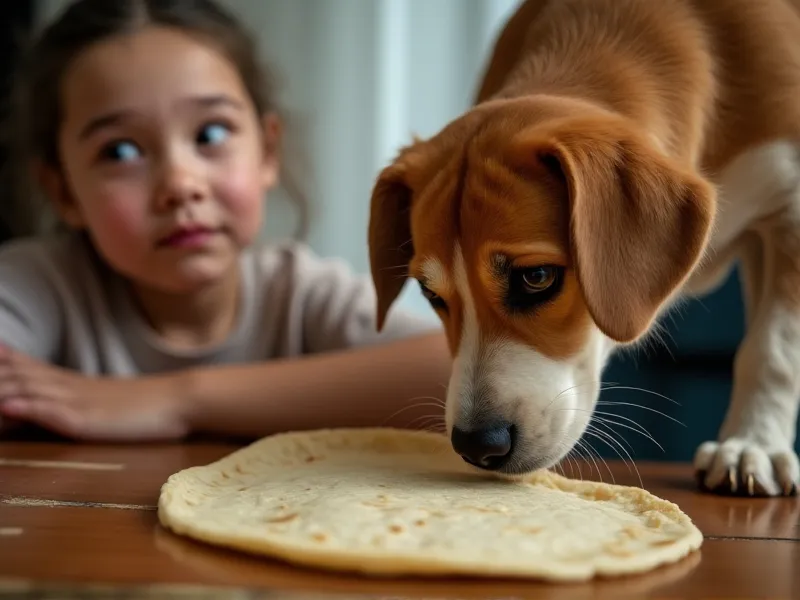
Table of Contents
- Can Dogs Eat Tortillas? The Short Answer
- Potential Benefits of Tortillas for Dogs (Yes, There Are Some!)
- The Risks of Feeding Tortillas to Dogs: What to Watch For
- How Much Tortilla Can Dogs Safely Eat? Portion Guidelines
- Healthier Alternatives to Tortillas for Dogs
- FAQ: Your Tortilla-and-Dog Questions Answered
- Conclusion: Enjoy Taco Night (Responsibly!)
- References
Can Dogs Eat Tortillas? The Short Answer
Yes, dogs can eat plain, unseasoned tortillas in small, occasional amounts. Whether they’re corn or flour-based, tortillas made with minimal, dog-safe ingredients (like just corn, water, and a pinch of salt for corn tortillas, or flour, water, and yeast for flour tortillas) are unlikely to harm your pup.
But here’s the catch: Tortillas should never be a regular part of your dog’s diet. They’re not nutritionally necessary, and some types (think: flavored, processed, or heavily seasoned tortillas) can pose serious risks. Think of tortillas as a “sometimes” treat—like a tiny piece of your snack, not a meal replacement.
Potential Benefits of Tortillas for Dogs (Yes, There Are Some!)
Tortillas aren’t exactly a superfood for dogs, but plain, simple versions do offer a few minor perks. Let’s break them down:
1. Fiber for Digestive Health
Both corn and flour tortillas contain small amounts of dietary fiber. Fiber helps keep your dog’s digestive system running smoothly by promoting regular bowel movements and supporting gut health. For example, a 6-inch corn tortilla has about 1.5 grams of fiber, while a flour tortilla of the same size has roughly 1 gram (USDA FoodData Central).
2. Potassium for Heart and Muscle Function
Corn tortillas, in particular, are a source of potassium—a mineral that plays a key role in regulating your dog’s heart rate, muscle contractions, and fluid balance. Potassium is essential for overall health, and while dogs get most of what they need from their regular food, a tiny boost from a tortilla won’t hurt (PetMD).
3. A Low-Fuss Training Treat (In Moderation)
Tortillas are soft, easy to tear into small pieces, and mild in flavor—making them a convenient (if not nutrient-dense) training tool. If you’re out of your usual dog treats, a tiny piece of plain tortilla can work in a pinch to reward good behavior.
The Risks of Feeding Tortillas to Dogs: What to Watch For
While plain tortillas are generally safe, they’re far from risk-free. Here are the biggest dangers to keep in mind:
1. Added Sugar and Empty Calories
Flour tortillas, especially store-bought or “soft” varieties, often contain added sugar, high-fructose corn syrup, or honey to improve taste and texture. Dogs don’t need sugar in their diet, and excess sugar can lead to obesity, dental decay, or even diabetes over time.
Even “sugar-free” tortillas may contain artificial sweeteners like xylitol, which is extremely toxic to dogs (it causes a rapid drop in blood sugar and liver failure). Always check the ingredient list! (ASPCA)
2. Stomach Upset from Too Many Carbs
Dogs thrive on a diet high in protein and healthy fats, not carbs. Feeding your dog too much tortilla (even plain) can overload their digestive system with carbohydrates, leading to gas, bloating, diarrhea, or constipation. This is especially true for dogs with sensitive stomachs or conditions like inflammatory bowel disease (IBD).
3. Choking Hazard
Dry, crispy tortillas (like the kind used for tostadas or chips) are a major choking risk. They can break into sharp, hard pieces that get stuck in your dog’s throat or damage their gums. Even soft tortillas, if torn into large chunks, can cause choking—always tear them into bite-sized pieces!
4. Salt, Spices, and Toxic Additives
Many tortillas (especially restaurant or pre-packaged ones) are seasoned with salt, garlic, onion, chili powder, or cheese. Salt overload can lead to sodium ion poisoning (symptoms: vomiting, diarrhea, seizures). Garlic and onion, even in small amounts, are toxic to dogs and can damage their red blood cells (AKC).
5. Gluten Sensitivity (for Flour Tortillas)
Flour tortillas are made with wheat, which contains gluten. While most dogs tolerate gluten just fine, some have allergies or sensitivities that cause itchy skin, ear infections, or digestive issues. If your dog has a wheat allergy, stick to corn tortillas (or avoid tortillas altogether).
How Much Tortilla Can Dogs Safely Eat? Portion Guidelines
The key word here is moderation. Tortillas should make up no more than 10% of your dog’s daily calorie intake (the rest should come from a balanced dog food). Here’s a rough guide based on your dog’s size:
| Dog Size | Maximum Tortilla Portion (Occasional Treat) |
|---|---|
| Small (5-20 lbs: Chihuahua, Pug) | 1-2 tiny pieces (about the size of a dime) |
| Medium (20-50 lbs: Beagle, Cocker Spaniel) | 1/4 of a 6-inch plain tortilla |
| Large (50+ lbs: Labrador, German Shepherd) | 1/2 of a 6-inch plain tortilla |
Pro tip: Always introduce new foods slowly. Start with a tiny piece and monitor your dog for 24 hours for signs of upset (vomiting, diarrhea, lethargy). If they react, skip the tortillas next time.
Healthier Alternatives to Tortillas for Dogs
Tortillas are a “empty calorie” treat—they don’t offer much nutrition. Instead, try these dog-friendly alternatives that are tasty and good for them:
1. Sweet Potato Slices
Baked sweet potato slices are soft, chewy, and packed with fiber, vitamins A and C, and potassium. They’re a favorite among dogs and make a great substitute for tortillas.
2. Carrot Sticks
Crunchy, low-calorie, and full of beta-carotene, carrot sticks clean your dog’s teeth while satisfying their urge to chew.
3. Green Beans
Steamed or raw green beans are high in fiber and low in calories—perfect for overweight dogs or those who love munching on veggies.
4. Plain, Cooked Chicken
A tiny piece of unseasoned, cooked chicken is a protein-rich treat that’s far more nutritious than a tortilla. It’s also great for training!
5. Apple Slices (No Seeds!)
Remove the core and seeds (which contain cyanide), and apple slices make a sweet, crunchy snack with fiber and vitamins.
FAQ: Your Tortilla-and-Dog Questions Answered
Q: Can dogs eat corn tortillas or flour tortillas? Which is better?
A: Both plain corn and flour tortillas are safe in small amounts, but corn tortillas are often the better choice. They typically have less sugar, more fiber, and fewer additives than flour tortillas. However, some dogs are allergic to corn, so watch for itching or digestive issues.
Q: My dog ate a whole tortilla! Should I panic?
A: Probably not, but monitor them closely. A single whole tortilla is unlikely to be toxic, but it may cause stomach upset (gas, diarrhea). If your dog is small, elderly, or has health issues, call your vet to be safe.
Q: Are tortilla chips safe for dogs?
A: No! Tortilla chips are high in salt, oil, and often seasoned with garlic or onion. They’re also hard and crispy, making them a choking hazard. Skip the chips—stick to plain tortillas (if at all).
Q: Can puppies eat tortillas?
A: Puppies have sensitive digestive systems, so it’s best to avoid tortillas. Their growing bodies need nutrient-dense food, not empty carbs. Wait until they’re adults (1+ year old) to offer tiny amounts.
Conclusion: Enjoy Taco Night (Responsibly!)
So, can dogs eat tortillas? Yes—occasionally, and in tiny, plain pieces. But let’s be real: Your dog doesn’t need tortillas to be happy. They’d probably prefer a carrot stick or a piece of chicken, and those options are better for their health.
If you do share a bite of your tortilla, keep it small, skip the seasonings, and always check the ingredient list for sugar, xylitol, or toxic additives. And when in doubt, consult your vet—especially if your dog has allergies, diabetes, or other health conditions.
At the end of the day, taco night is about sharing joy with your loved ones (including the furry ones). A tiny taste of tortilla won’t ruin their diet, but remember: Their health comes first. Now pass the guac (but keep it away from the dog—avocado is toxic to some pets!).
References
- American Kennel Club (AKC). “Can Dogs Eat Tortillas?” akc.org
- ASPCA. “Xylitol Poisoning in Dogs.” aspca.org
- PetMD. “Potassium for Dogs: Why It’s Important.” petmd.com
- USDA FoodData Central. “Tortillas, Corn, Plain.” fdc.nal.usda.gov
- Veterinary Nutritionist Dr. Jennifer Coates. “Human Foods Dogs Can and Can’t Eat.” pethealthnetwork.com