· 8 min read
Can Dogs Eat Raw Tomatoes? The Definitive Guide for Pet Parents
It’s a warm summer day, and you’re prepping a fresh salad. You slice into a ripe, ruby-red tomato—juices dribble down your fingers, and the sweet-tart aroma fills the air. Beside you, your dog sits, tail thumping, nose twitching, those big, hopeful eyes locked on your hand. “Just a little taste?” you wonder. “Can dogs eat raw tomatoes, or is this a snack I should keep to myself?”
If you’ve ever paused mid-snack to second-guess sharing human food with your pup, you’re not alone. Tomatoes are a kitchen staple, but when it comes to our furry friends, “safe” and “healthy” aren’t always the same. Let’s dive into the facts: Are raw tomatoes a nutritious treat for dogs, or a hidden risk? We’ll break down the benefits, risks, portion guidelines, and even healthier alternatives to help you make the best choice for your four-legged family member.
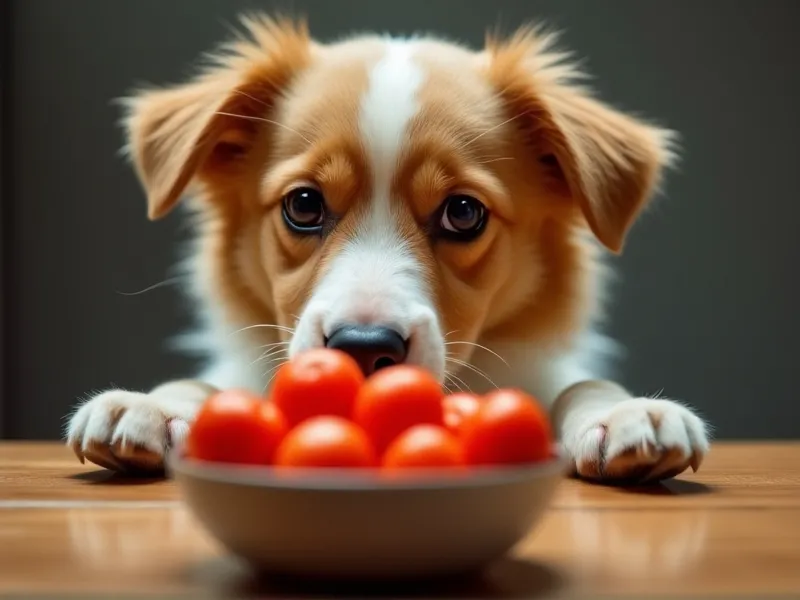
Table of Contents
- Can Dogs Eat Raw Tomatoes? The Short Answer
- The Benefits of Raw Tomatoes for Dogs: Nutrients That Count
- The Risks of Feeding Raw Tomatoes to Dogs: What to Watch For
- How Much Raw Tomato Can Dogs Safely Eat? Portion Guidelines
- Healthier Alternatives to Raw Tomatoes for Dogs
- FAQ: Your Top Raw Tomato Questions Answered
- Conclusion: Moderation is Key
- References
Can Dogs Eat Raw Tomatoes? The Short Answer
Yes, dogs can eat ripe, raw tomatoes in small, occasional amounts. Ripe tomatoes are non-toxic and contain beneficial nutrients like vitamins, fiber, and potassium. However, there’s a catch: unripe (green) tomatoes, stems, and leaves contain solanine, a toxic compound that can harm dogs in large quantities.
Think of ripe tomatoes as a “sometimes” treat—not a meal replacement. They’re safe for most healthy dogs, but moderation is critical to avoid stomach upset or other issues. Let’s unpack the details.
The Benefits of Raw Tomatoes for Dogs: Nutrients That Count
Ripe tomatoes aren’t just a tasty addition to your salad—they’re packed with nutrients that can support your dog’s health, when fed correctly. Here’s what makes them a (moderately) good choice:
1. Vitamins A, C, and E: Antioxidant Powerhouses
Tomatoes are rich in antioxidants, including:
- Vitamin A: Supports eye health, immune function, and healthy skin/coat.
- Vitamin C: Boosts the immune system and helps fight inflammation. (Dogs produce their own vitamin C, but extra can be beneficial for stressed or senior pups.)
- Vitamin E: Protects cells from damage and supports skin health.
These antioxidants work together to reduce oxidative stress, which is linked to aging and chronic diseases in dogs.
2. Fiber: Gut Health Support
One medium tomato contains about 1.5 grams of fiber, which aids digestion by promoting regular bowel movements. Fiber can also help dogs feel full, which is useful for weight management (just don’t overdo it—too much fiber can backfire, as we’ll discuss later).
3. Potassium: Heart and Muscle Health
Potassium is an essential mineral that helps regulate heart rate, muscle function, and fluid balance. A 100-gram serving of tomato provides about 237 mg of potassium—helpful for keeping your dog’s heart and muscles in top shape.
4. Lycopene: A Unique Antioxidant
Lycopene is the pigment that gives tomatoes their red color, and it’s a potent antioxidant. While research on lycopene in dogs is limited, studies in humans suggest it may reduce the risk of certain cancers and support heart health. Some veterinarians believe it could offer similar benefits to dogs, though more research is needed.
Note: These benefits apply only to ripe, raw tomatoes—cooking tomatoes actually increases lycopene absorption, but we’ll focus on raw tomatoes here.
The Risks of Feeding Raw Tomatoes to Dogs: What to Watch For
While ripe tomatoes are generally safe, they’re not without risks. Here’s what to keep in mind before sharing:
1. Solanine Toxicity (Green Tomatoes, Stems, Leaves)
The biggest danger comes from unripe parts of the tomato plant. Tomatoes belong to the nightshade family (Solanaceae), which includes potatoes and eggplants. Green tomatoes, stems, and leaves contain solanine, a glycoalkaloid toxin that can cause:
- Gastrointestinal upset (vomiting, diarrhea, abdominal pain).
- Neurological symptoms (tremors, weakness, seizures) in severe cases.
Thankfully, ripe tomatoes have very low solanine levels—so you don’t need to worry about the red ones. But never feed your dog green tomatoes, stems, or leaves. Even a small amount of green tomato could cause stomach upset in sensitive dogs.
2. Natural Sugars: Weight Gain and Blood Sugar Spikes
Ripe tomatoes contain about 2.6 grams of sugar per 100 grams. While that’s less than many fruits (like apples or bananas), it adds up if you overfeed. Excess sugar can lead to:
- Weight gain and obesity (a major risk factor for diabetes, joint issues, and heart disease in dogs).
- Blood sugar spikes, which are dangerous for dogs with diabetes.
If your dog is overweight, diabetic, or prone to pancreatitis, skip the tomato treats altogether.
3. Stomach Upset (Too Much Fiber or Acid)
Tomatoes are slightly acidic, and their fiber content can irritate some dogs’ stomachs—especially if they’re not used to new foods. Symptoms of overindulgence may include:
- Diarrhea or loose stools.
- Gas or bloating.
- Vomiting (rare, but possible in sensitive dogs).
Start with tiny portions to test your dog’s tolerance!
4. Choking Hazard (Cherry Tomatoes)
Cherry tomatoes are a popular snack, but their small, round shape makes them a choking risk—especially for small dogs or dogs who gulp their food. If you feed cherry tomatoes, slice them into quarters first to reduce this risk.
How Much Raw Tomato Can Dogs Safely Eat? Portion Guidelines
The golden rule: Treats should make up no more than 10% of your dog’s daily calories. For tomatoes, that means very small portions—they’re not calorie-dense, but the sugar and fiber add up.
Here’s a general guide based on your dog’s size:
| Dog Size | Safe Raw Tomato Portion (Occasional Treat) |
|---|---|
| Small (5-20 lbs) | 1-2 thin slices (about 1-2 tbsp) |
| Medium (21-50 lbs) | ¼ of a medium tomato (about 3-4 tbsp) |
| Large (51+ lbs) | ½ of a medium tomato (about ½ cup) |
Pro Tip: Always remove the stem and any green parts before feeding. Wash the tomato thoroughly to remove pesticides (or opt for organic, if possible).
Healthier Alternatives to Raw Tomatoes for Dogs
If you’re looking for safer, more nutrient-dense treats, these alternatives are better choices than raw tomatoes:
1. Carrots
- Why they’re great: Low in calories, high in fiber and vitamin A, and crunchy (good for dental health).
- How to serve: Raw (sliced into sticks for small dogs) or steamed.
2. Blueberries
- Why they’re great: Packed with antioxidants, low in sugar, and safe for most dogs.
- How to serve: Fresh or frozen (a cool summer treat!).
3. Cucumber
- Why they’re great: 96% water (hydrating!), low in calories and sugar, and gentle on tummies.
- How to serve: Sliced into rounds or spears (remove seeds if large).
4. Pumpkin (Plain, Canned)
- Why they’re great: High in fiber (supports digestion), rich in beta-carotene (vitamin A), and low in sugar.
- How to serve: 1-2 tbsp (small dogs) to ¼ cup (large dogs) of plain, unsweetened canned pumpkin.
5. Green Beans (Raw or Steamed)
- Why they’re great: Low-calorie, high-fiber, and a good source of vitamins C and K.
- How to serve: Trim ends, slice into bite-sized pieces.
These alternatives have fewer risks (no solanine, lower sugar, more fiber) and are often better tolerated by dogs.
FAQ: Your Top Raw Tomato Questions Answered
Q: Can puppies eat raw tomatoes?
A: Puppies have sensitive digestive systems, so it’s best to wait until they’re at least 6 months old (and on a stable diet) before introducing tomatoes. Stick to tiny portions (e.g., 1 small slice for a medium puppy) and watch for stomach upset.
Q: Are green tomatoes ever safe for dogs?
A: No. Green tomatoes contain solanine, which is toxic. Even a small amount can cause vomiting or diarrhea. Toss any green tomatoes in the compost, not your dog’s bowl!
Q: Is cooked tomato safer than raw for dogs?
A: Cooked tomatoes (like in plain tomato sauce, without salt/garlic/onion) are generally safe and may have higher lycopene absorption. However, many tomato sauces contain garlic or onion (toxic to dogs), so avoid store-bought sauces. If you cook tomatoes for your dog, keep them plain (no seasoning!).
Q: My dog ate a whole tomato—should I panic?
A: Probably not, but monitor them. If it was ripe and your dog is healthy, they may just have loose stools. If it was green, or your dog shows symptoms (vomiting, diarrhea, lethargy), contact your vet immediately.
Q: Can dogs with kidney disease eat tomatoes?
A: Tomatoes are high in potassium, which can be dangerous for dogs with kidney disease (kidneys regulate potassium levels). Skip tomatoes and ask your vet for low-potassium treat options.
Conclusion: Moderation is Key
So, can dogs eat raw tomatoes? Yes—in small, ripe, occasional portions. They offer some nutrients, but the risks (solanine, sugar, stomach upset) mean they shouldn’t be a regular treat. Always avoid green tomatoes, stems, and leaves, and start with tiny amounts to test your dog’s tolerance.
When in doubt, consult your vet—especially if your dog has health issues like diabetes, kidney disease, or a sensitive stomach. And remember: The best treats are those that keep your dog happy, healthy, and wagging for years to come.
Happy snacking (for both of you)!
References
- American Society for the Prevention of Cruelty to Animals (ASPCA). (n.d.). Toxic and Non-Toxic Plants: Tomato. https://www.aspca.org/pet-care/animal-poison-control/toxic-and-non-toxic-plants/tomato
- American Kennel Club (AKC). (2023). Can Dogs Eat Tomatoes? Are Tomatoes Safe for Dogs? https://www.akc.org/expert-advice/nutrition/can-dogs-eat-tomatoes/
- PetMD. (2023). Can Dogs Eat Tomatoes? https://www.petmd.com/dog/nutrition/can-dogs-eat-tomatoes
- Veterinary Centers of America (VCA). (n.d.). Human Foods Dogs Can and Can’t Eat. https://vcahospitals.com/know-your-pet/human-foods-dogs-can-and-cant-eat