· 8 min read
Can Dogs Eat Tomatoes and Cucumbers? What Pet Parents Need to Know
It’s a sunny afternoon, and you’re slicing up a fresh salad—juicy tomatoes, crisp cucumbers, maybe a sprinkle of basil. Out of the corner of your eye, you spot your pup, tail wagging, nose twitching, as if to say, “Can I have a bite?” You pause. You know chocolate is a no-go, but what about these garden staples? Can dogs eat tomatoes and cucumbers?
As pet parents, we want to share the best of our world with our furry friends, but safety always comes first. Let’s dive into the facts: Are tomatoes and cucumbers safe for dogs? What are the benefits? And what risks should you watch for? Let’s get to the bottom of it.
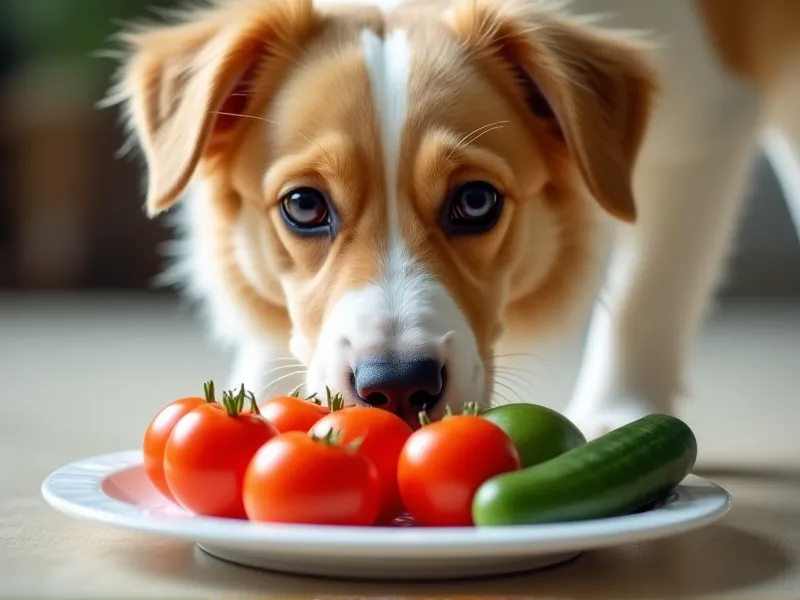
Table of Contents
- Can Dogs Eat Tomatoes? The Short Answer
- Nutritional Benefits of Tomatoes for Dogs
- Risks of Feeding Tomatoes to Dogs
- Can Dogs Eat Cucumbers? The Short Answer
- Nutritional Benefits of Cucumbers for Dogs
- Risks of Feeding Cucumbers to Dogs
- How Much Can Dogs Eat? Safe Serving Sizes
- Healthier Alternatives to Tomatoes & Cucumbers
- FAQ: Your Questions Answered
- Conclusion: Moderation is Key
Can Dogs Eat Tomatoes? The Short Answer
Yes, dogs can eat ripe tomatoes in moderation—but unripe tomatoes and tomato plants (stems, leaves) are toxic.
Tomatoes belong to the nightshade family (Solanaceae), which includes plants like potatoes and eggplants. While ripe, red tomatoes are generally safe for dogs, the green parts (unripe fruit, stems, leaves) contain a toxic compound called solanine. Solanine can cause gastrointestinal upset, weakness, and even more severe symptoms in large amounts.
The ASPCA confirms that tomatoes are “non-toxic” to dogs when ripe, but warns that the plant’s green parts can be harmful. So, if you’re sharing a slice from your salad, stick to fully ripe, red tomatoes—and skip the stem!
Nutritional Benefits of Tomatoes for Dogs
Ripe tomatoes are more than just a tasty snack—they’re packed with nutrients that can support your dog’s health, in small doses:
1. Lycopene: A Powerful Antioxidant
Lycopene is the pigment that gives tomatoes their bright red color, and it’s a potent antioxidant. Antioxidants fight free radicals (unstable molecules that damage cells), which may reduce inflammation and support heart health. A 2016 study in The Journal of Nutrition noted that lycopene could even have anti-cancer properties, though more research is needed specifically for dogs.
2. Vitamins A & C for Immune Support
Tomatoes are rich in vitamin A (supports vision and skin health) and vitamin C (boosts the immune system). While dogs can produce their own vitamin C, extra amounts from food can help during times of stress or illness.
3. Potassium for Heart & Muscle Function
Potassium is an electrolyte that helps regulate heart rhythm, muscle contractions, and fluid balance. A small slice of tomato can contribute to your dog’s daily potassium needs, supporting overall cardiovascular health.
4. Fiber for Digestive Health
Tomatoes contain both soluble and insoluble fiber, which aids digestion by promoting regular bowel movements and feeding beneficial gut bacteria. Just be careful not to overdo it—too much fiber can lead to loose stools!
Risks of Feeding Tomatoes to Dogs
While ripe tomatoes are safe, there are a few risks to keep in mind:
1. Solanine Toxicity (Green Parts Only)
Unripe tomatoes (green or yellow) and tomato plant parts (stems, leaves, vines) contain solanine, a glycoalkaloid toxin. Even small amounts can cause:
- Drooling
- Nausea/vomiting
- Diarrhea
- Weakness or lethargy
- Dilated pupils
- In severe cases: tremors, seizures, or difficulty breathing
If your dog chews on a tomato plant or eats unripe fruit, contact your vet immediately. Most cases are mild, but large doses can be life-threatening.
2. High Sugar Content (Overfeeding Risk)
Ripe tomatoes have natural sugars (about 2.6g per 100g). While small amounts are fine, overfeeding can lead to:
- Weight gain
- Dental issues (plaque/tartar)
- Increased risk of diabetes (especially in overweight or predisposed dogs)
Stick to occasional treats, not daily snacks.
3. Acidity & Stomach Upset
Tomatoes are slightly acidic (pH ~4.3-4.9). Some dogs, especially those with sensitive stomachs or acid reflux, may experience:
- Heartburn
- Vomiting
- Abdominal discomfort
If your dog has a history of gastrointestinal issues, skip the tomatoes.
Can Dogs Eat Cucumbers? The Short Answer
Yes! Cucumbers are generally safe and healthy for dogs, as long as they’re plain and served in moderation.
Cucumbers are low in calories, high in water, and packed with vitamins—making them a great “guilt-free” snack for dogs, especially overweight pups or those on a diet. Unlike tomatoes, there’s no toxic part to avoid (though you should always wash them first to remove pesticides).
Nutritional Benefits of Cucumbers for Dogs
Cucumbers are a nutritional powerhouse for dogs, offering:
1. Hydration (96% Water!)
Cucumbers are 96% water, making them perfect for hot days or dogs who don’t drink enough water. They can help prevent dehydration, especially for brachycephalic breeds (pugs, bulldogs) who struggle to cool down.
2. Low Calories, High Nutrients
A 100g slice of cucumber has only ~16 calories, with zero fat or cholesterol. It’s a great alternative to high-calorie treats (like biscuits) for dogs watching their weight.
3. Vitamin K for Blood Clotting
Cucumbers are rich in vitamin K, which is essential for blood clotting and bone health. A deficiency in vitamin K can lead to excessive bleeding, so this is a valuable nutrient for senior dogs or those on blood thinners.
4. Antioxidants (Lutein & Zeaxanthin)
These antioxidants support eye health by protecting against age-related macular degeneration and cataracts. They’re especially beneficial for senior dogs or breeds prone to eye issues (e.g., poodles, cocker spaniels).
Risks of Feeding Cucumbers to Dogs
Cucumbers are low-risk, but here are a few things to watch for:
1. Choking Hazard (Uncut or Large Pieces)
Cucumbers are crisp and can be slippery, so large chunks pose a choking risk—especially for small dogs. Always slice cucumbers into bite-sized pieces (about ½-inch cubes) to prevent choking or intestinal blockages.
2. Pesticide Residue
Conventionally grown cucumbers often have high pesticide levels (they’re on the “Dirty Dozen” list from the Environmental Working Group). To avoid exposing your dog to chemicals:
- Wash cucumbers thoroughly under running water
- Peel them (peels can harbor pesticides)
- Opt for organic cucumbers when possible
3. Gas or Bloating (Rare)
Cucumbers contain small amounts of oligosaccharides (complex sugars) that some dogs can’t digest, leading to gas or bloating. If your dog is prone to flatulence, start with a tiny slice and monitor their reaction.
How Much Can Dogs Eat? Safe Serving Sizes
The key to feeding tomatoes and cucumbers is moderation. Treats should make up no more than 10% of your dog’s daily calories, per the American College of Veterinary Nutrition.
Here’s a general guide based on your dog’s size:
| Dog Size | Tomato Serving | Cucumber Serving |
|---|---|---|
| Small (5-20 lbs) | 1-2 thin slices (10-20g) | 1-2 small slices (20-30g) |
| Medium (21-50 lbs) | 2-3 slices (20-30g) | 3-4 slices or ¼ cup diced (30-50g) |
| Large (51-100+ lbs) | 3-4 slices (30-40g) | ½ cup diced (50-80g) |
Pro tip: Introduce new foods slowly. Start with a tiny piece and wait 24 hours to check for allergies (itching, swelling) or stomach upset.
Healthier Alternatives to Tomatoes & Cucumbers
If you’re looking for even safer or more nutrient-dense snacks, try these alternatives:
1. Carrots
- Crunchy, low-calorie, and packed with beta-carotene (vitamin A). Great for dental health (chewing helps scrape plaque!).
2. Blueberries
- Antioxidant-rich (more than tomatoes!) and low in sugar. Perfect for training treats or frozen “popsicles” on hot days.
3. Green Beans
- High in fiber and vitamins, low in calories. Steam them lightly for a soft treat, or serve raw for crunch.
4. Pumpkin (Plain, Canned)
- Rich in fiber and beta-carotene, great for upset stomachs or constipation. Avoid pumpkin pie filling (added sugar/spices!).
5. Watermelon (Seedless)
- 92% water, hydrating, and full of vitamins A & C. Remove seeds to avoid choking.
FAQ: Your Questions Answered
Q: Can puppies eat tomatoes or cucumbers?
A: Yes, in small amounts! Puppies have sensitive tummies, so start with a tiny piece (e.g., ¼ slice of cucumber) and monitor for digestive upset. Avoid tomatoes if your puppy is prone to diarrhea.
Q: Are cherry tomatoes safe for dogs?
A: Yes, but cut them in half to prevent choking (especially for small breeds). Cherry tomatoes are just mini ripe tomatoes—same benefits, same risks (no green parts!).
Q: Can dogs eat tomato sauce or ketchup?
A: No. These often contain garlic, onions, salt, or sugar—all harmful to dogs. Stick to plain, fresh tomatoes only.
Q: Are cucumber seeds bad for dogs?
A: No, cucumber seeds are small and safe to eat. They’re even a source of fiber! No need to remove them unless your dog has a history of intestinal blockages.
Q: My dog ate a green tomato—what should I do?
A: If it was just a tiny piece, monitor for symptoms (vomiting, lethargy) for 24 hours. If they ate a whole unripe tomato or plant parts, call your vet immediately—solanine toxicity can worsen quickly.
Conclusion: Moderation is Key
So, can dogs eat tomatoes and cucumbers? Yes, but with caveats. Ripe tomatoes (in small doses) and plain cucumbers (sliced safely) can be healthy, hydrating treats for your pup. Just avoid green tomato parts, overfeed, or add seasonings.
Every dog is different—what works for one may upset another. If your dog has health issues (diabetes, kidney disease, allergies), always check with your vet before introducing new foods.
At the end of the day, the best snacks are the ones that make both you and your pup happy. So go ahead—share a tiny slice of cucumber or a ripe tomato (minus the stem!) with your furry friend. Just remember: treats are meant to be occasional, not a meal replacement.
Here’s to many more sunny afternoons, shared snacks, and tail wags!
References
- American Society for the Prevention of Cruelty to Animals (ASPCA). “Tomato.” aspca.org/pet-care/animal-poison-control/toxic-and-non-toxic-plants/tomato
- American Kennel Club (AKC). “Can Dogs Eat Cucumbers?” akc.org/expert-advice/nutrition/can-dogs-eat-cucumbers
- The Journal of Nutrition. “Lycopene and Cardiovascular Health.” 2016.
- Environmental Working Group (EWG). “Dirty Dozen 2024.” ewg.org/foodnews/dirty-dozen.php
- VCA Animal Hospitals. “Solanine Toxicity in Dogs.” vcahospitals.com/know-your-pet/solanine-toxicity-in-dogs