· 7 min read
Can Dogs Eat Tomatoes? Benefits, Risks, and Safe Feeding Guidelines
You’re chopping a ripe, sun-warmed tomato for your sandwich when your dog sidles up, nose twitching, eyes locked on the bright red slice in your hand. “Just a little bite?” you wonder. “Is this safe for them?” If you’ve ever paused mid-snack to question whether tomatoes belong in your pup’s bowl, you’re not alone. As pet parents, we’re hyper-vigilant about what our dogs eat—after all, their health depends on it.
Tomatoes are a kitchen staple, but when it comes to our four-legged friends, the answer isn’t as simple as “yes” or “no.” Let’s dive into the details: Are tomatoes safe for dogs? What benefits do they offer? And when should you keep them off the menu?
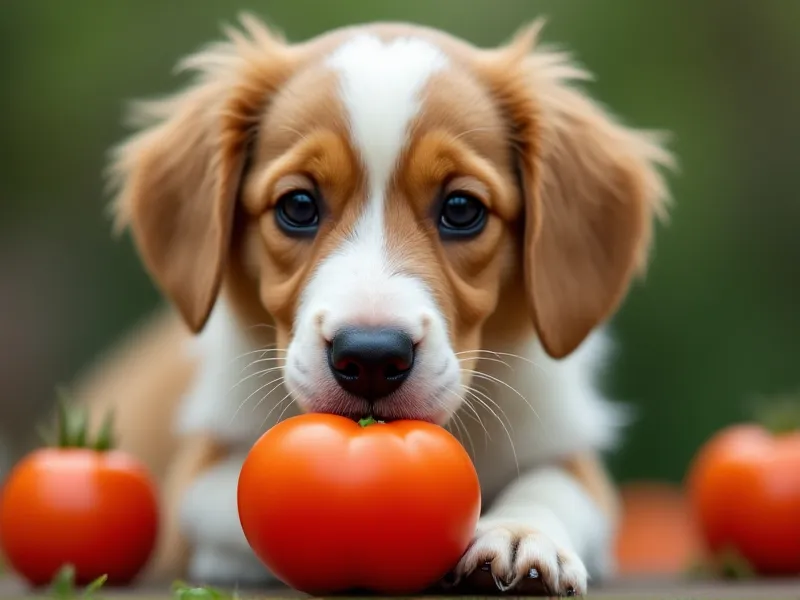
Table of Contents
- Can Dogs Eat Tomatoes? The Short Answer
- The Benefits of Tomatoes for Dogs
- The Risks: When Tomatoes Are Not Safe for Dogs
- How Much Tomato Can Dogs Eat? Guidelines by Size
- Healthier Alternatives to Tomatoes for Dogs
- FAQ: Common Questions About Dogs and Tomatoes
- Conclusion: Moderation is Key
Can Dogs Eat Tomatoes? The Short Answer
Yes, dogs can eat ripe tomatoes in small, occasional amounts. Ripe tomatoes are non-toxic and even offer some nutritional benefits. However, unripe (green) tomatoes, stems, and leaves are unsafe—they contain solanine, a toxin that can harm dogs. As with any human food, moderation is critical: tomatoes should never replace a balanced dog food diet, and overfeeding can lead to stomach upset or other issues.
The Benefits of Tomatoes for Dogs
Ripe tomatoes are more than just a tasty snack—they’re packed with vitamins, minerals, and fiber that can support your dog’s health when fed responsibly. Let’s break down their key nutrients:
1. Vitamins for Immune and Vision Health
Tomatoes are rich in vitamin C, an antioxidant that boosts immune function and helps fight inflammation. They also contain vitamin A, which supports eye health, skin, and coat condition. Small amounts of vitamin K (important for blood clotting) and vitamin E (another antioxidant) round out the mix.
2. Fiber for Digestive Health
A medium tomato contains about 1.5 grams of fiber, which aids digestion by promoting regular bowel movements and supporting a healthy gut microbiome. For dogs prone to constipation, a tiny serving of ripe tomato (as part of a balanced diet) might offer gentle relief.
3. Potassium for Heart and Muscle Function
Potassium is an essential mineral that helps regulate heart rate, muscle contractions, and fluid balance. Ripe tomatoes provide a small but meaningful amount of potassium—about 290 mg per medium fruit—which can support your dog’s cardiovascular health, especially when paired with other potassium-rich foods like bananas (in moderation).
4. Low in Calories (When Unsalted and Unseasoned)
At just 22 calories per medium tomato, ripe tomatoes are a low-calorie treat option for dogs watching their weight. Unlike high-fat snacks (think cheese or deli meat), tomatoes won’t contribute to obesity when fed in small portions.
Note: These benefits apply only to ripe, plain tomatoes—avoid seasoned, canned, or processed tomato products (like sauce or ketchup), which often contain salt, garlic, onion, or sugar, all of which are harmful to dogs.
The Risks: When Tomatoes Are Not Safe for Dogs
While ripe tomatoes are generally safe, there are important risks to be aware of—especially when it comes to unripe fruit, plant parts, or overfeeding.
1. Solanine Poisoning: The Danger of Unripe Tomatoes, Stems, and Leaves
The biggest risk comes from unripe (green) tomatoes, stems, and leaves of the tomato plant. These contain solanine, a glycoalkaloid toxin that’s harmful to dogs (and humans, in large amounts). Solanine is the same compound that makes green potatoes toxic.
Symptoms of solanine poisoning in dogs include:
- Vomiting or diarrhea
- Lethargy or weakness
- Drooling or excessive salivation
- Tremors or muscle weakness
- Confusion or disorientation
- Seizures (in severe cases)
If your dog eats green tomatoes, stems, or leaves, monitor them closely. Contact your vet immediately if you notice any of these symptoms—solanine poisoning can be life-threatening in large doses.
2. Sugar: Too Much Can Lead to Weight Gain or Diabetes
While ripe tomatoes aren’t high in sugar (about 3-4 grams per medium fruit), overfeeding can add up. Dogs have no biological need for added sugars, and excess calories from sugar can lead to obesity, insulin resistance, or diabetes over time. This is especially risky for small dogs or breeds prone to weight issues (e.g., pugs, beagles).
3. Stomach Upset: Introducing Too Much Too Fast
Tomatoes are acidic, and sudden introduction of new foods—even safe ones—can irritate your dog’s stomach. Signs of stomach upset include vomiting, diarrhea, or gas. Start with tiny portions (like a single slice) to test tolerance, and avoid feeding tomatoes if your dog has a sensitive stomach.
4. Choking Hazard: Large or Uncut Pieces
Whole cherry tomatoes or big chunks of tomato can pose a choking risk, especially for small dogs. Always slice tomatoes into bite-sized pieces to prevent choking or intestinal blockages.
How Much Tomato Can Dogs Eat? Guidelines by Size
Tomatoes should be an occasional treat, not a daily snack. The key is portion control—here’s a general guide based on your dog’s size:
| Dog Size | Safe Serving Size (Ripe Tomato) | Frequency |
|---|---|---|
| Small (5-15 lbs) | 1-2 small slices (or 1 tbsp mashed/pureed) | Once or twice a week |
| Medium (15-40 lbs) | 2-3 slices (or 2 tbsp mashed/pureed) | Once or twice a week |
| Large (40+ lbs) | 3-4 slices (or 3 tbsp mashed/pureed) | Once or twice a week |
Important tips for safe feeding:
- Always choose fully ripe, red tomatoes (no green spots).
- Wash thoroughly to remove pesticides or dirt.
- Remove stems, leaves, and any green parts (even a tiny green spot can contain solanine).
- Cut into small, bite-sized pieces to avoid choking.
- Never add salt, pepper, garlic, onion, or seasonings—these are toxic to dogs.
Healthier Alternatives to Tomatoes for Dogs
If you’re looking for low-risk, nutrient-dense snacks, these alternatives offer similar benefits to tomatoes (without the solanine or sugar concerns):
1. Carrots
Crunchy, low-calorie, and packed with vitamin A, carrots are a favorite for dogs. They’re great for dental health (chewing helps reduce plaque) and safe for all sizes.
2. Blueberries
These tiny berries are loaded with antioxidants, vitamin C, and fiber. They’re low in sugar and perfect for training treats or summer snacks.
3. Cucumber
Hydrating, crisp, and virtually sugar-free, cucumber is ideal for hot days. It’s high in water content and low in calories—great for dogs on a diet.
4. Green Beans (Steamed)
Steamed green beans are rich in fiber, vitamins A and C, and iron. They’re a filling, low-calorie alternative to tomatoes and easy to digest.
5. Sweet Potatoes (Cooked)
Cooked sweet potatoes (without butter or salt) are a fiber and beta-carotene powerhouse. They support gut health and are gentle on sensitive stomachs.
FAQ: Common Questions About Dogs and Tomatoes
Q: Can dogs eat cherry tomatoes?
A: Yes, but only ripe ones! Cherry tomatoes are safe in small quantities, but always cut them in half to prevent choking, especially for small dogs.
Q: Is tomato sauce or ketchup safe for dogs?
A: No. Most tomato sauces, ketchup, and canned tomatoes contain garlic, onion, salt, sugar, or spices—all of which are toxic to dogs. Even “plain” sauce may have high sodium levels that can cause kidney damage.
Q: What if my dog ate green tomatoes or tomato leaves?
A: Contact your vet immediately. Solanine poisoning can worsen quickly, especially in small dogs. Symptoms like vomiting, diarrhea, or lethargy require prompt care.
Q: Can puppies eat tomatoes?
A: Puppies can try small amounts of ripe tomato, but their digestive systems are sensitive. Start with a tiny piece (e.g., ¼ slice for a small breed puppy) and watch for stomach upset. Always consult your vet before introducing new foods to puppies.
Q: Are cooked tomatoes safer than raw?
A: Cooking ripe tomatoes doesn’t make them safer (or more dangerous)—it just softens them. Avoid cooking with oil, salt, or seasonings, and stick to plain, steamed, or baked tomatoes if you prefer to serve them cooked.
Conclusion: Moderation is Key
Tomatoes can be a safe, healthy treat for dogs—when fed correctly. Ripe, red tomatoes offer vitamins, fiber, and potassium, but unripe fruit, stems, and leaves are toxic. Always stick to small portions, avoid added ingredients, and prioritize your dog’s regular, balanced diet.
If you’re unsure whether tomatoes are right for your pup—especially if they have diabetes, kidney issues, or a sensitive stomach—consult your vet. Every dog is different, and your vet can help tailor treats to their unique needs.
At the end of the day, sharing a tiny tomato slice with your dog is a sweet moment—but their health always comes first. Happy snacking (responsibly)!
References
- American Society for the Prevention of Cruelty to Animals (ASPCA). Toxic and Non-Toxic Plants: Tomato. aspca.org/pet-care/animal-poison-control/toxic-and-non-toxic-plants/tomato
- American Kennel Club (AKC). Can Dogs Eat Tomatoes? akc.org/expert-advice/nutrition/can-dogs-eat-tomatoes/
- PetMD. Solanine Poisoning in Dogs. petmd.com/dog/conditions/toxicity/solanine-poisoning-dogs
- Veterinary Centers of America (VCA). Human Foods Dogs Can and Can’t Eat. vca.com/wellness/human-foods-dogs-can-and-cant-eat