· 9 min read
Can Dogs Eat Toasted Bread? The Surprising Truth Every Pet Parent Should Know
It’s 7 a.m., and you’re standing at the toaster, the smell of warm, crispy bread filling the kitchen. Beside you, your dog sits—tail thumping, nose twitching, those big, hopeful eyes locked on the golden slice in your hand. “Just a little taste?” you wonder. “What harm could it do?”
If you’ve ever found yourself in this scenario, you’re not alone. Toasted bread is a breakfast staple for millions, and our dogs are experts at convincing us to share. But is that tiny bite of toast actually safe for your pup? Or are you unknowingly putting their health at risk?
In this guide, we’ll break down everything you need to know about dogs and toasted bread—from the potential benefits (yes, there are a few!) to the hidden risks, how much is safe to share, and healthier alternatives that’ll make both you and your dog happy. Let’s dive in.
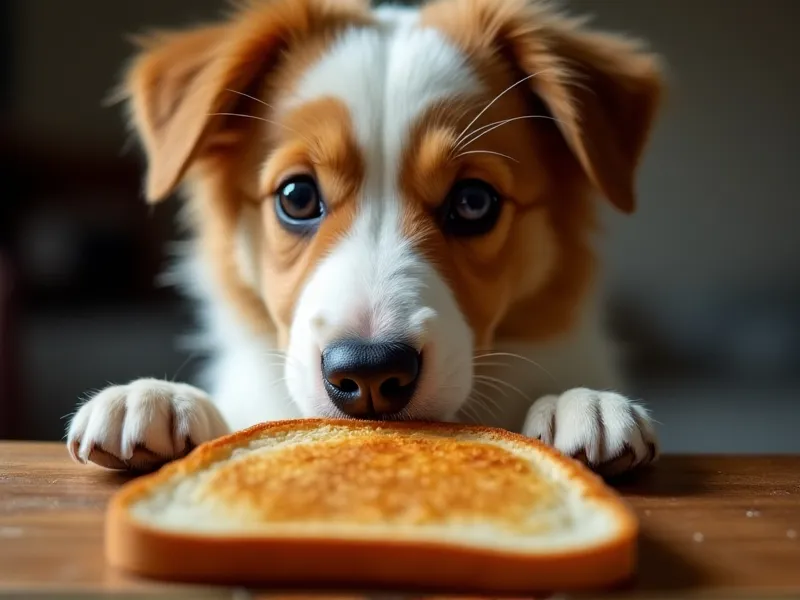
Table of Contents
- Can Dogs Eat Toasted Bread? The Short Answer
- Potential Benefits of Toasted Bread for Dogs
- Risks to Watch Out For: Why Toast Isn’t a “Health Food”
- How Much Toasted Bread Is Safe for Dogs?
- Healthier Alternatives to Toasted Bread
- Frequently Asked Questions (FAQ)
- Conclusion: Toast as a Treat, Not a Staple
Can Dogs Eat Toasted Bread? The Short Answer
Yes, dogs can eat small amounts of plain, unsalted, unbuttered toasted bread—but it’s not exactly a “superfood” for them.
Toasted bread itself isn’t toxic to dogs, and a tiny bite here and there (think: a crumb or two) is unlikely to cause harm. However, it’s important to note that bread—whether toasted or not—offers little nutritional value for dogs compared to their regular, balanced diet. Most commercial dog foods are formulated to meet all their dietary needs, so toast should never replace a meal.
The key word here is “plain.” If your toast is slathered in butter, jam, garlic, or salt, it crosses into risky territory. We’ll dig into those details later, but first, let’s explore why you might occasionally share a bite.
Potential Benefits of Toasted Bread for Dogs
While bread isn’t a nutritional powerhouse for dogs, plain, whole-grain toasted bread can offer a few minor perks—if served in moderation. Here’s what to keep in mind:
1. Fiber for Digestive Health (Whole Grain Only!)
Whole-grain bread (think: whole wheat, oats, or rye) is rich in dietary fiber, which can support your dog’s digestive system. Fiber helps regulate bowel movements, prevents constipation, and feeds beneficial gut bacteria. For dogs with mild digestive upset (like occasional diarrhea), a small piece of plain, whole-grain toast might help firm up stools—similar to how the “BRAT diet” (bananas, rice, applesauce, toast) works for humans.
Note: White bread is stripped of most fiber during processing, so it won’t offer this benefit.
2. B Vitamins for Energy
Whole-grain bread also contains B vitamins (thiamine, riboflavin, niacin), which play a role in converting food into energy. These vitamins support your dog’s metabolism, brain function, and coat health. Again, this is only true for whole-grain varieties—white bread is often fortified with synthetic B vitamins, but it’s still less nutrient-dense than whole grains.
3. Potassium for Electrolyte Balance
Potassium is an essential electrolyte that helps regulate heart rate, muscle function, and fluid balance. While dogs get most of their potassium from meat, vegetables, and fruits (like bananas), whole-grain bread contains small amounts. This isn’t a reason to feed toast regularly, but it’s a nice bonus if you’re sharing a tiny bite.
Important: These benefits are minimal. Your dog will get far more fiber, B vitamins, and potassium from their regular diet (e.g., high-quality dog food, fresh veggies like carrots, or fruits like blueberries) than from a slice of toast. Think of toast as a “sometimes” treat, not a supplement.
Risks to Watch Out For: Why Toast Can Be Dangerous for Dogs
The risks of feeding toasted bread to dogs almost always stem from additives or overconsumption. Let’s break down the biggest red flags:
1. Toppings: The Hidden Danger
Plain toast is one thing—but once you add toppings, it becomes a minefield. Here are the worst offenders:
- Butter/Margarine: High in fat and calories, butter can lead to pancreatitis (a painful inflammation of the pancreas) in dogs, especially if fed regularly. Even a small amount can cause stomach upset (vomiting, diarrhea) in sensitive pups.
- Jam/Jelly/Honey: Loaded with sugar, these toppings contribute empty calories and can lead to obesity, dental issues, or even diabetes over time. Xylitol, a sugar substitute found in some “sugar-free” jams, is extremely toxic to dogs and can cause seizures or liver failure.
- Garlic/Onion: Garlic bread is a big no-no! Garlic and onions (and their relatives, like chives and leeks) contain compounds that damage a dog’s red blood cells, leading to anemia. Even small amounts can be harmful.
- Salt: Excess salt can cause sodium ion poisoning in dogs, leading to symptoms like vomiting, diarrhea, seizures, or even death. Most store-bought bread is already slightly salted, so adding more (e.g., salted butter) increases the risk.
2. Stomach Upset from Overeating
Dogs have sensitive digestive systems, and bread is high in carbohydrates. Feeding too much toast can lead to:
- Bloating or gas (from undigested carbs)
- Diarrhea or soft stools
- Stomach cramps
This is especially true for dogs with grain sensitivities or food allergies. If your dog has a history of digestive issues, it’s best to skip the toast altogether.
3. Choking Hazard
The crust of toasted bread is dry and crispy, which can pose a choking risk—especially for small dogs, puppies, or dogs who gulp their food. Even larger dogs might struggle if they bite off a chunk that’s too big. Always break toast into small, bite-sized pieces before offering it, and supervise your dog while they eat.
4. Weight Gain and Obesity
Bread is calorie-dense and low in protein, which is essential for dogs. A single slice of white bread can contain 70–80 calories—for a small dog (e.g., a 10-pound Chihuahua), that’s nearly 10% of their daily calorie needs! Over time, regular “treats” of toast can lead to weight gain, which increases the risk of diabetes, joint pain, and heart disease.
How Much Toasted Bread Is Safe for Dogs?
If you decide to share a bite of plain, whole-grain toast with your dog, moderation is key. Here’s a general guideline based on your dog’s size:
- Small dogs (under 20 lbs): 1–2 tiny cubes (about the size of your thumbnail) per week.
- Medium dogs (20–50 lbs): 1–2 small pieces (about 1–2 inches square) per week.
- Large dogs (50+ lbs): Up to 1/4 slice of toast (broken into pieces) per week.
Remember the 10% rule: Treats (including toast) should make up no more than 10% of your dog’s daily calorie intake. The other 90% should come from their regular, balanced dog food.
If your dog has health issues like diabetes, obesity, or grain allergies, skip the toast and opt for a vet-approved treat instead.
Healthier Alternatives to Toasted Bread
If you want to spoil your dog with a tasty, nutrient-dense treat, there are plenty of better options than toast. Here are some dog-safe alternatives that offer more benefits:
1. Sweet Potato
Sweet potatoes are a fantastic source of fiber, beta-carotene (which converts to vitamin A), and antioxidants. Bake or boil a plain sweet potato, mash it, and serve a spoonful as a treat. It’s gentle on the stomach and great for dogs with grain sensitivities.
2. Pumpkin (Plain, Canned)
Plain, unsweetened pumpkin is a doggy superfood! It’s high in fiber (aids digestion) and contains vitamins A, C, and E. A tablespoon or two (depending on size) can help with both diarrhea and constipation.
3. Rice Cakes
Plain, unsalted rice cakes are low in calories and carbs, making them a crunchy alternative to toast. They’re gentle on the stomach and perfect for dogs on a weight-loss plan.
4. Plain Cooked Oatmeal
Oatmeal is rich in fiber and protein, and it’s easy to digest. Cook a small portion in water (no sugar or milk) and let it cool before serving. Great for dogs with sensitive tummies!
5. Fresh Fruits/Veggies
Many fruits and veggies are safe (and healthy!) for dogs. Try:
- Blueberries (antioxidants)
- Carrots (vitamin A, crunchy for teeth)
- Green beans (low calorie, fiber)
- Apples (without seeds—vitamin C, fiber)
Frequently Asked Questions (FAQ)
Q: Can dogs eat garlic bread?
A: No! Garlic is toxic to dogs and can cause anemia. Even a small bite of garlic bread puts your pup at risk.
Q: Is whole wheat bread better than white bread for dogs?
A: Yes, whole wheat (or other whole-grain) bread is slightly better because it contains more fiber and nutrients. However, it’s still not a necessary part of their diet.
Q: My dog stole a whole slice of toast! What should I do?
A: Don’t panic! A single slice is unlikely to cause serious harm, but monitor your dog for symptoms like vomiting, diarrhea, or bloating. If they show signs of distress, contact your vet.
Q: Can puppies eat toasted bread?
A: Puppies have even more sensitive digestive systems than adult dogs. It’s best to avoid feeding them toast, as it can cause stomach upset or interfere with their growth (they need nutrient-dense puppy food!).
Q: My dog has diabetes. Can they have toast?
A: No. Bread is high in carbs, which can spike blood sugar levels. Stick to low-carb treats recommended by your vet.
Conclusion: Toast as a Treat, Not a Staple
At the end of the day, sharing a tiny, plain piece of whole-grain toast with your dog is unlikely to hurt them—but it’s also not doing them any favors. Dogs thrive on a diet rich in protein, healthy fats, and essential nutrients, which bread simply doesn’t provide.
If you do decide to indulge those puppy eyes, remember:
- Keep it plain: No butter, jam, garlic, or salt.
- Stick to whole grain: For the minimal fiber benefits.
- Limit portions: A tiny bite, once in a while.
- Watch for reactions: If your dog gets sick, skip future treats.
And when in doubt, consult your vet. They know your dog’s health history best and can advise on whether toast (or any human food) is safe for them.
After all, the best way to show your dog love isn’t through shared snacks—it’s through playtime, cuddles, and a balanced diet that keeps them happy and healthy for years to come.
Now, go enjoy your toast—and maybe save a tiny crumb for your pup (if they’re really good).