· 10 min read
Can Dogs Eat Toast for Upset Stomach? A Pet Parent’s Guide to Bland Diets and Better Alternatives
It’s 3 a.m., and your dog is pacing the floor, whimpering occasionally. You check their bed—no vomit, but their belly gurgles loudly. You remember last month when you had a stomach bug, and plain toast was your saving grace. “Could this work for them?” you wonder, reaching for the bread bin. If you’ve ever found yourself in this scenario, you’re not alone. When our furry friends feel under the weather, we want to soothe them as quickly as we can—often with the same gentle foods that comfort us. But is toast a safe go-to for a dog’s upset stomach?
In this guide, we’ll break down everything you need to know: whether toast helps, its potential benefits, hidden risks, how much to feed (if any), and even healthier alternatives to keep your pup’s tummy happy. Let’s dive in.
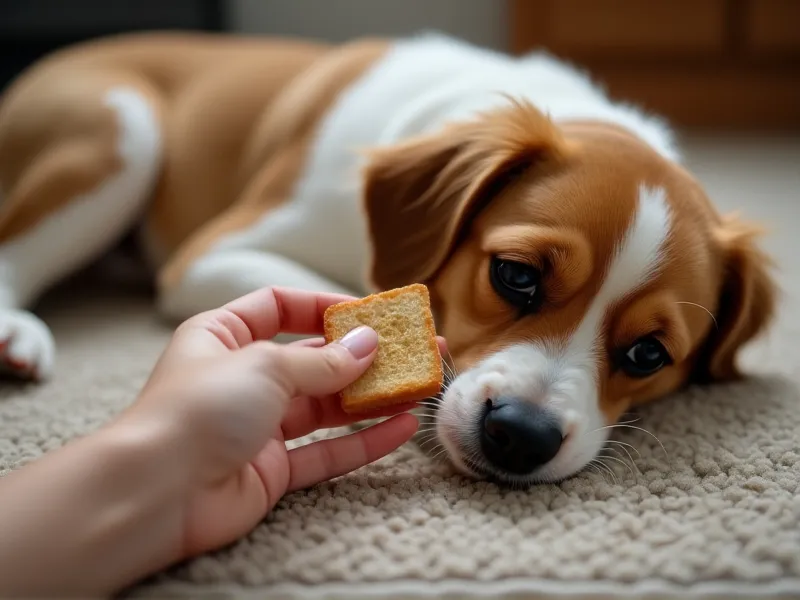
Table of Contents
- Can Dogs Eat Toast for Upset Stomach? The Short Answer
- Potential Benefits of Toast for Dogs with Upset Stomachs
- Risks to Watch Out For: It’s All About the Extras (and the Amount)
- How Much Toast Is Safe? Guidelines for Pet Parents
- Healthier Alternatives to Toast for Upset Stomachs
- FAQ: Your Most Pressing Questions Answered
- Conclusion: Toast as a Temporary Fix, Not a Cure-All
Can Dogs Eat Toast for Upset Stomach? The Short Answer
Yes, plain, unseasoned toast can sometimes help settle a dog’s upset stomach—but it’s not a magic cure, and there are important rules to follow.
Toast is bland, low in fat, and easy to digest, which makes it a common “bland diet” staple for humans recovering from stomach bugs. For dogs, the same logic applies: when their digestive system is irritated (think mild nausea, diarrhea, or gas), a small amount of plain toast can act as a gentle, low-stimulation food to calm their tummy.
But here’s the catch: it must be plain. No butter, jam, garlic, onions, or spices. Even a little bit of topping can turn a harmless snack into a health risk. Plus, toast isn’t nutritionally dense, so it should never replace your dog’s regular, balanced diet. Think of it as a “tummy tamer,” not a meal.
Potential Benefits of Toast for Dogs with Upset Stomachs
While toast isn’t a superfood for dogs, it does offer a few potential perks when served correctly:
1. Bland and Easy to Digest
Dogs with upset stomachs often struggle with rich or spicy foods. Toast (especially white toast) is low in fiber and fat, which means it’s gentle on the digestive tract. It won’t overload their system with hard-to-break-down ingredients, giving their gut time to rest and recover [VCA Hospitals].
2. May Help Firm Up Stools (In Small Amounts)
White toast, in particular, is low in fiber, which can help “bind” loose stools if your dog is dealing with diarrhea. Fiber is great for regular digestion, but when the gut is inflamed, too much fiber can worsen irritation. White toast’s low-fiber profile makes it a safer choice for short-term use [AKC].
3. Minimal Risk of Allergic Reactions (for Most Dogs)
Wheat is a common ingredient in bread, and while some dogs have wheat allergies or sensitivities, most tolerate it just fine. If your dog has never shown signs of a wheat allergy (like itching, red skin, or chronic ear infections), plain wheat toast is unlikely to cause a reaction. For dogs with wheat sensitivities, gluten-free toast (made with rice or potato flour) could work, but check with your vet first [ASPCA].
4. Small Source of B Vitamins and Potassium
Enriched bread (the kind most of us keep in the pantry) is often fortified with B vitamins (thiamine, niacin, folate) and potassium—nutrients that support energy metabolism and nerve function. While your dog gets most of these from their regular food, a little extra from toast won’t hurt in moderation [PetMD].
Risks to Watch Out For: It’s All About the Extras (and the Amount)
Toast isn’t without risks, and most of them stem from how we serve it. Let’s break down the biggest dangers:
1. Toxic Toppings Are a Major Threat
This is the single most important risk to avoid. Common toast toppings that are toxic or harmful to dogs include:
- Butter/margarine: High in fat, which can trigger pancreatitis (a painful, potentially life-threatening inflammation of the pancreas) in dogs, especially small breeds or those prone to the condition [ASPCA].
- Jam/jelly: Loaded with sugar, which can cause obesity, dental issues, or even insulin spikes in diabetic dogs. Some jams also contain xylitol, an artificial sweetener that is extremely toxic to dogs (even small amounts can lead to liver failure) [ASPCA].
- Garlic/onions: These are part of the allium family, which is toxic to dogs. Even a sprinkle can damage their red blood cells, leading to anemia [ASPCA].
- Spices (cinnamon, nutmeg): Cinnamon is generally safe in tiny amounts, but large doses can irritate the mouth and stomach. Nutmeg is toxic in high quantities, causing hallucinations, seizures, or liver damage [Pet Poison Helpline].
Rule of thumb: If you wouldn’t eat the toast plain when you’re sick, don’t give it to your dog.
2. Too Much Toast Can Worsen Stomach Upset
While a small piece of toast can soothe, too much can backfire. Bread is high in carbohydrates, and dogs’ bodies aren’t designed to process large amounts of refined carbs. Overfeeding toast can lead to:
- Bloating or gas (from excess carbs fermenting in the gut).
- Diarrhea (if their system can’t handle the sudden influx of carbs).
- Nutritional deficiencies (if toast replaces their regular food long-term).
3. Choking Hazard for Small Dogs or Fast Eaters
Toast can be dry and crumbly, which makes it a choking risk if your dog gobbles it down without chewing. This is especially true for small breeds (like Chihuahuas or Yorkies) or dogs who eat quickly. Always break toast into small, bite-sized pieces and supervise your dog while they eat.
How Much Toast Is Safe? Guidelines for Pet Parents
The golden rule: less is more. Toast should be a tiny, occasional treat—not a meal. Here’s a rough guide based on your dog’s size:
- Small dogs (under 20 lbs): 1–2 tiny pieces (about the size of a quarter).
- Medium dogs (20–50 lbs): 1–2 small slices (cut into bite-sized pieces).
- Large dogs (50+ lbs): 1–2 regular slices (broken into chunks).
Frequency: Only offer toast once or twice a day, and stop after 24–48 hours if their symptoms don’t improve. If their upset stomach lasts longer than that, it’s time to call the vet—it could be a sign of something more serious (like an infection, food intolerance, or gastrointestinal disease).
Pro tip: Warm the toast slightly (not hot!) to make it easier to chew and digest. Cold, dry toast might be less appealing and harder on their stomach.
Healthier Alternatives to Toast for Upset Stomachs
While plain toast is safe in a pinch, there are better, more nutrient-dense options that can soothe your dog’s tummy and provide real benefits. Here are our top picks:
1. Plain White Rice
Rice is the gold standard for bland diets in dogs. It’s easy to digest, low in fiber, and helps firm up loose stools. Cook 1 cup of white rice (no salt or butter) and mix in a small amount of boiled, unseasoned chicken (for protein) for a balanced “sick day” meal [AKC].
2. Canned Pumpkin (Unsweetened)
Pumpkin is a superfood for dogs’ tummies! It’s high in fiber (to regulate digestion) and beta-carotene (for immune support). A tablespoon (for small dogs) to ¼ cup (for large dogs) of plain, canned pumpkin (not pie filling!) can ease both diarrhea and constipation [VCA Hospitals].
3. Boiled Chicken (Skinless, Boneless)
Lean protein is essential for recovery, and boiled chicken is gentle on the gut. Remove all skin and bones (bones are a choking hazard!), then shred a small amount and mix with rice or serve alone. It’s more nutritious than toast and helps your dog maintain energy [AKC].
4. Bananas
Bananas are packed with potassium, vitamin B6, and fiber—all great for calming tummies. They’re also easy to mash and serve, making them perfect for picky eaters. Stick to 1–2 slices per day (too much sugar can cause diarrhea) [ASPCA].
5. Oatmeal (Plain, Cooked)
Oatmeal is rich in soluble fiber, which can soothe an irritated gut and help with diarrhea. Cook it in water (no milk or sugar) and serve a small bowl. Avoid instant oatmeal, which often has added sugar or flavors [PetMD].
FAQ: Your Most Pressing Questions Answered
Q: Can puppies eat toast for an upset stomach?
A: Puppies have sensitive digestive systems, so plain toast is generally safe in very small amounts (think a crumb or two for toy breeds). But puppies need nutrient-dense food to grow, so toast should never replace their puppy food. If your puppy has diarrhea or vomiting, contact your vet immediately—young dogs can dehydrate quickly!
Q: My dog has a wheat allergy. Can they have gluten-free toast?
A: Maybe, but check the ingredients first. Gluten-free bread often contains rice flour, potato starch, or other grains, which are usually safe. Avoid gluten-free bread with added sugars, xylitol, or artificial additives. Always introduce new foods slowly to watch for reactions [VCA Hospitals].
Q: Is whole grain toast better than white toast for dogs?
A: It depends on your dog’s needs. Whole grain toast has more fiber, which can help with constipation but may worsen diarrhea (since fiber can irritate an inflamed gut). White toast is lower in fiber, making it better for settling upset stomachs. If your dog tolerates whole grains, it’s a slightly healthier option—but plain is still key!
Q: My dog ate toast with butter. Should I panic?
A: Probably not, but monitor them closely. A small amount of butter is unlikely to cause serious harm, but it could lead to an upset stomach or diarrhea. If they ate a large amount (e.g., a whole slice slathered in butter), watch for signs of pancreatitis: vomiting, lethargy, loss of appetite, or abdominal pain. If you see these, call your vet [ASPCA].
Q: Can toast help with my dog’s motion sickness?
A: Maybe! Like humans, some dogs feel better with a small, bland snack before car rides. A tiny piece of plain toast 30 minutes before traveling could help settle their stomach. If motion sickness is a regular issue, talk to your vet about anti-nausea meds [AKC].
Conclusion: Toast as a Temporary Fix, Not a Cure-All
At the end of the day, plain toast can be a handy tool in your pet parent toolkit for mild, short-term stomach upsets. It’s safe, easy to prepare, and most dogs love the taste. But remember:
- Keep it plain: No toppings, ever.
- Serve in small amounts: Think “snack,” not “meal.”
- Use it temporarily: If symptoms last more than 24–48 hours, or if your dog is lethargic, vomiting, or in pain, call the vet immediately—these could be signs of a more serious issue (like parvovirus, kidney disease, or intestinal blockage).
For long-term tummy health, stick to balanced, vet-approved dog food and keep healthier alternatives (like pumpkin or rice) on hand. Your dog’s stomach will thank you—and so will their wagging tail.
As always, when in doubt, consult your veterinarian. They know your dog’s health history best and can guide you on the safest, most effective way to soothe their upset stomach.
References
- American Kennel Club (AKC). “Bland Diet for Dogs: What to Feed When Your Dog Is Sick.”
- ASPCA. “Toxic and Non-Toxic Plants” and “People Foods to Avoid Feeding Your Pets.”
- VCA Hospitals. “Gastroenteritis in Dogs.”
- Pet Poison Helpline. “Common Household Foods Toxic to Dogs.”
- PetMD. “Can Dogs Eat Oatmeal?”