· 9 min read
Can Dogs Eat Raw Tilapia? What Pet Parents Need to Know
It’s a quiet weeknight, and you’re searing a fresh tilapia fillet for dinner. As the aroma fills the kitchen, your dog trots over, tail wagging, nose twitching—those puppy eyes begging for a taste. You pause, knife in hand: Can dogs eat tilapia? And wait… is raw tilapia safe? If you’ve ever found yourself in this scenario, you’re not alone. Fish is often hailed as a healthy protein source for humans, but when it comes to our furry friends, raw fish introduces a host of questions. Is it a nutrient-packed snack, or a hidden hazard?
In this guide, we’ll cut through the confusion to answer: Can dogs eat raw tilapia? We’ll break down the risks, potential benefits (if any), safe feeding guidelines, and healthier alternatives to keep your pup thriving. Let’s dive in!
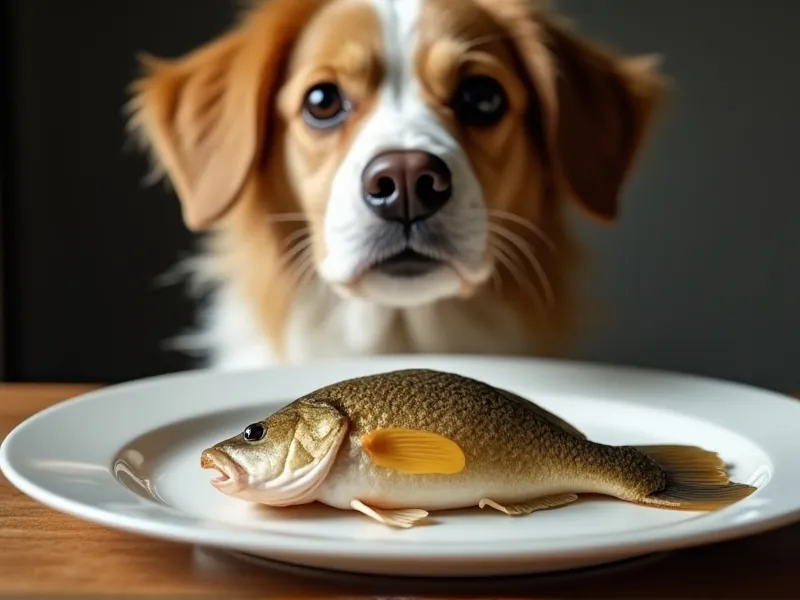
Table of Contents
- Can Dogs Eat Raw Tilapia? The Short Answer
- Potential Risks of Raw Tilapia for Dogs
- Nutritional Benefits of Tilapia (When Cooked Safely)
- How to Safely Feed Tilapia to Dogs (If You Choose To)
- Healthier Fish Alternatives for Dogs
- FAQ: Your Raw Tilapia Questions Answered
- Conclusion: Prioritize Safety and Moderation
- References
Can Dogs Eat Raw Tilapia? The Short Answer
No, raw tilapia is not safe for dogs. While cooked tilapia can be a healthy, occasional treat in moderation, raw tilapia poses significant risks—including parasites, bacteria, and nutrient deficiencies—that make it unsuitable for your pup. Let’s unpack why raw fish, in general, and tilapia specifically, can be harmful, and when (if ever) tilapia might have a place in your dog’s diet.
Potential Risks of Raw Tilapia for Dogs
Raw fish, including tilapia, isn’t just “less safe” than cooked fish—it’s actively risky for dogs. Here’s what you need to watch out for:
1. Parasites: A Hidden Threat
One of the biggest dangers of raw tilapia is parasitic infection. Fish like tilapia can harbor parasites such as Anisakis simplex, a type of roundworm that lives in the intestines of marine animals. If your dog eats raw tilapia containing these parasites, the worms can attach to their intestinal lining, causing symptoms like:
- Vomiting
- Diarrhea (sometimes bloody)
- Abdominal pain
- Loss of appetite
- Weight loss
In severe cases, the parasites can even migrate to other organs, leading to more serious health issues. According to the American Kennel Club (AKC), raw fish is a common source of parasitic infections in dogs, and tilapia is no exception.
2. Bacterial Contamination
Raw tilapia (and raw fish in general) can also be contaminated with harmful bacteria like Salmonella and Listeria. These bacteria thrive in raw meat and fish, and while dogs have stronger stomach acids than humans, they’re not immune to infection. Symptoms of bacterial poisoning in dogs include:
- Fever
- Lethargy
- Vomiting/diarrhea
- Dehydration
Worse, these bacteria are zoonotic, meaning they can spread from your dog to you or other family members. So even if your pup seems fine, handling raw tilapia or cleaning up after them could put your household at risk (ASPCA).
3. Thiaminase: A Vitamin B1-Destroying Enzyme
Tilapia (and some other fish, like carp and herring) contains an enzyme called thiaminase, which breaks down thiamine (vitamin B1). Thiamine is critical for dogs: it supports nerve function, energy metabolism, and brain health. A thiamine deficiency can lead to:
- Seizures
- Muscle weakness
- Loss of coordination
- Confusion
- In severe cases, coma or death
Cooking tilapia destroys thiaminase, making cooked tilapia safe (more on that later). But raw tilapia? The enzyme remains active, putting your dog at risk of thiamine deficiency—especially if they eat raw tilapia regularly (PetMD).
4. Choking Hazards from Bones
Even if you “debone” raw tilapia, tiny, sharp bones can still hide in the fillet. These bones can lodge in your dog’s throat, esophagus, or intestines, causing choking, tears, or blockages. Cooked tilapia bones are slightly softer, but they’re still a risk—so it’s best to avoid bones entirely, whether raw or cooked.
Nutritional Benefits of Tilapia (When Cooked Safely)
While raw tilapia is off the table, cooked tilapia can offer some nutritional perks—when fed in moderation and prepared properly. Here’s why tilapia might occasionally earn a spot in your dog’s treat rotation:
High-Quality Protein
Tilapia is a lean source of protein, which is essential for dogs. Protein supports muscle growth, tissue repair, and a healthy immune system. A 3-ounce serving of cooked tilapia contains about 21 grams of protein—making it a solid, low-fat option for active dogs or those on weight-management diets (USDA FoodData Central).
Omega-3 Fatty Acids
Omega-3s are famous for their anti-inflammatory properties, which can benefit dogs with skin issues, joint pain, or allergies. While tilapia isn’t as rich in omega-3s as salmon or sardines, it still contains small amounts of EPA and DHA—nutrients that support heart health, brain function, and a shiny coat (VCA Hospitals).
Essential Vitamins and Minerals
Cooked tilapia is also a good source of:
- Vitamin B12: Supports nerve function and red blood cell production.
- Selenium: An antioxidant that protects cells from damage.
- Phosphorus: Works with calcium to keep bones and teeth strong.
- Niacin (Vitamin B3): Aids in energy metabolism and skin health.
Low in Mercury
Unlike larger fish (like tuna or swordfish), tilapia is a small, fast-growing fish with low mercury levels. Mercury buildup can be toxic to dogs over time, so choosing low-mercury fish like tilapia (when cooked) is a safer bet (FDA).
How to Safely Feed Tilapia to Dogs (If You Choose To)
If you want to share cooked tilapia with your dog, follow these guidelines to keep them safe:
1. Cook It Thoroughly
Always cook tilapia until it flakes easily with a fork—no pink in the center. Cooking kills parasites, bacteria, and thiaminase, eliminating the biggest risks of raw fish. Aim for an internal temperature of 145°F (63°C) to ensure safety (USDA).
2. Skip the Seasoning
Dogs don’t need salt, pepper, garlic, onions, or other seasonings. These can be toxic (garlic and onions, for example, contain compounds that damage red blood cells) or lead to sodium overload. Stick to plain, unseasoned tilapia.
3. Remove All Bones
Even cooked bones can splinter or get stuck. Take the time to carefully remove every bone from the fillet before feeding it to your dog.
4. Serve in Small Portions
Tilapia should be a treat, not a meal. As a general rule, treats (including tilapia) should make up no more than 10% of your dog’s daily calories. For a 30-pound dog, that’s about 1-2 ounces of cooked tilapia per week. Overfeeding can lead to obesity or digestive upset (AAFCO).
5. Introduce Slowly
If your dog has never had tilapia before, start with a tiny piece (like a bite-sized flake) and monitor for 24 hours. Watch for signs of allergies (itching, swelling) or digestive issues (gas, diarrhea). If they react, skip tilapia in the future.
Healthier Fish Alternatives for Dogs
While cooked tilapia is safe in moderation, there are other fish that offer more nutrients with fewer risks. Here are our top picks for dog-friendly fish:
1. Cooked Salmon
Salmon is a omega-3 powerhouse, with far more EPA and DHA than tilapia. It’s also rich in protein and vitamin D. Just make sure it’s fully cooked (raw salmon can carry a parasite called Neorickettsia helminthoeca, which causes “salmon poisoning disease” in dogs).
2. Sardines (Canned in Water)
Sardines are small, low in mercury, and packed with omega-3s, calcium (from the soft bones, which are safe to eat), and vitamin B12. Look for unsalted, boneless sardines in water (not oil or sauce) for a nutrient-dense treat.
3. Cooked Cod
Cod is lean, mild, and low in mercury—great for dogs with sensitive stomachs. It’s a good source of protein and phosphorus, and its mild flavor makes it a hit with picky eaters.
4. Cooked Trout
Trout is another low-mercury option rich in omega-3s and protein. Like salmon, it must be fully cooked to avoid parasites.
FAQ: Your Raw Tilapia Questions Answered
Q: My dog stole a piece of raw tilapia off the counter! What should I do?
A: Don’t panic. Most dogs will be fine, but monitor them closely for 24-48 hours for symptoms like vomiting, diarrhea, or lethargy. If you notice any of these, contact your vet. If your dog has a weak immune system (e.g., puppies, seniors, or dogs with chronic illness), call your vet immediately—they may recommend deworming medication.
Q: Can puppies eat raw tilapia?
A: No. Puppies have underdeveloped immune systems, making them more vulnerable to parasites and bacteria in raw fish. Stick to puppy-safe, cooked proteins like chicken or turkey instead.
Q: Is frozen raw tilapia safer than fresh?
A: Freezing can kill some parasites (like Anisakis), but it won’t eliminate all bacteria (like Salmonella) or thiaminase. It’s still risky—cooking is the only way to fully neutralize these threats.
Q: Can dogs eat tilapia skin?
A: Cooked tilapia skin is safe in small amounts, but it’s high in fat, which can cause pancreatitis in dogs if overfed. Remove the skin unless your vet gives the okay.
Q: Is farm-raised or wild-caught tilapia better for dogs?
A: Both are safe when cooked, but wild-caught tilapia may have slightly more omega-3s. However, farm-raised tilapia is often more affordable and sustainably sourced. Avoid tilapia from regions with poor water quality (check labels for certifications like ASC or BAP).
Conclusion: Prioritize Safety and Moderation
At the end of the day, raw tilapia is a risk not worth taking for your dog. The potential for parasites, bacteria, and thiamine deficiency far outweighs any minor benefits. If you want to share fish with your pup, opt for cooked, unseasoned, boneless fillets of low-mercury fish like salmon, sardines, or cod—fed in small, occasional portions.
As always, every dog is different. If you’re unsure whether tilapia (or any new food) is right for your pet, consult your vet. They can help you tailor a diet that meets your dog’s unique needs, ensuring they stay happy, healthy, and wagging for years to come.
So next time you’re cooking fish, feel free to give your dog a tiny, cooked bite of tilapia (sans seasoning, of course). Just remember: moderation is key, and safety always comes first.
References
- American Kennel Club (AKC). “Can Dogs Eat Fish?” akc.org
- ASPCA. “People Foods to Avoid Feeding Your Pets.” aspca.org
- PetMD. “Can Dogs Eat Fish?” petmd.com
- USDA FoodData Central. “Tilapia, Cooked.” fdc.nal.usda.gov
- VCA Hospitals. “Nutrition for Dogs.” vcahospitals.com
- FDA. “Advice About Eating Fish.” fda.gov
- AAFCO. “Dog Food Nutrient Profiles.” aafco.org